Understanding Reliability Requirements in Southeast Asian Industry Applications
Industry applications across Southeast Asia operate under conditions that test equipment beyond standard specifications. Tropical humidity, temperature fluctuations, dust-heavy environments, and extended operating hours demand components selected not just on technical merit, but on proven durability. As a distributor serving the region for 35+ years, 3G Electric has observed that procurement decisions made without considering environmental stress factors lead to premature failures, unplanned maintenance windows, and cascading operational disruptions.
The five products in this comparison—Francel B25/37mb pressure regulator, Pratissoli KF30 industrial pump, Cofi TRE 820 ignition transformer, Pratissoli R1/400 regulating valve, and CBM Fluidics 1.35 45° SF nozzle—represent the backbone of modern high-pressure and fluid delivery systems. However, their suitability depends on how well each component tolerates the specific stressors present in your facility's operating environment.
Component Durability: Environmental Stress Testing in Tropical Conditions
Pressure Regulation Under Moisture and Temperature Stress
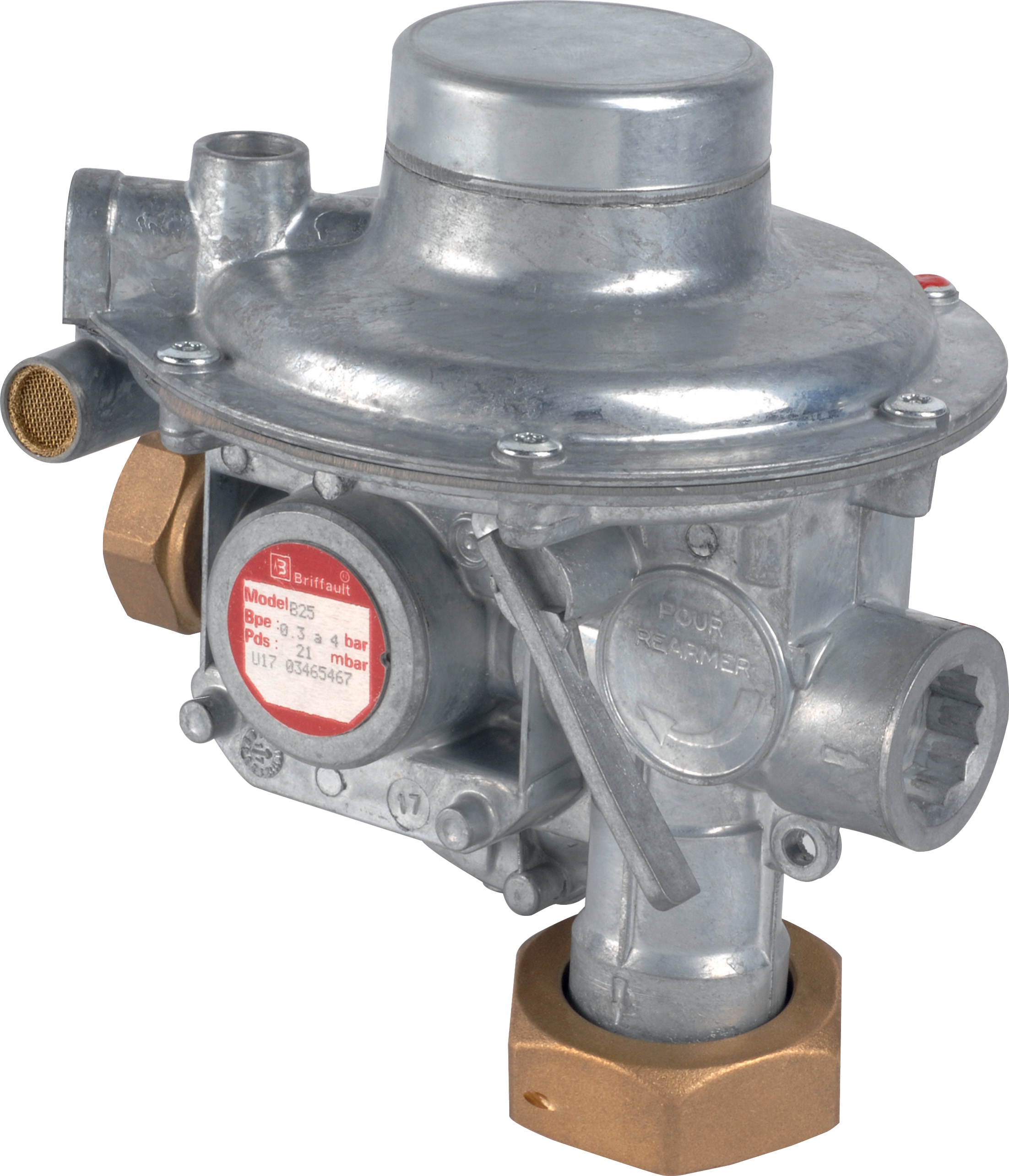
The Francel B25/37mb pressure regulator with safety relief delivers consistent 37 mbar outlet pressure with integrated safety protection. In Southeast Asian facilities, the critical durability factor is how the internal diaphragm and sealing elements respond to high humidity and temperature cycling. Francel's design prioritizes sealed construction, reducing moisture ingress that compromises traditional regulator performance over 12–18 months of tropical operation.
For procurement engineers, the key reliability metric is seal material selection and replacement intervals. The B25/37mb's 10 mm vent design allows controlled pressure decay without moisture accumulation in the vent line—a common failure point in humid regions. When specified for laboratory gas distribution or industrial systems operating at moderate pressures, this regulator typically delivers 3–5 year service intervals before maintenance is required, compared to 18–24 months for non-sealed alternatives.
High-Flow Pump Reliability: Power Rating vs. Thermal Management
The Pratissoli KF30 pump, delivering 106 L/min at 200 bar with 40 kW power input, represents mid-range capacity suitable for most Southeast Asian manufacturing and HVAC applications. Its Italian engineering heritage (Interpump Group) emphasizes internal component precision—lower-tolerance bearing surfaces, hardened pump shafts, and optimized impeller geometry reduce internal friction and heat generation.
In humid, dust-heavy environments, thermal management becomes the dominant reliability driver. The KF30's 72 kg mass distributes cooling surface area effectively; combined with standard cooling jacket integration, this pump maintains operating temperature within manufacturer limits even during 12+ hour daily shifts in high-ambient conditions (35–40 °C ambient common in Southeast Asia). Procurement engineers should verify cooling infrastructure (water or oil circulation systems) before specification to avoid premature bearing wear caused by sustained high-temperature operation.
Ignition and Control System Hardening
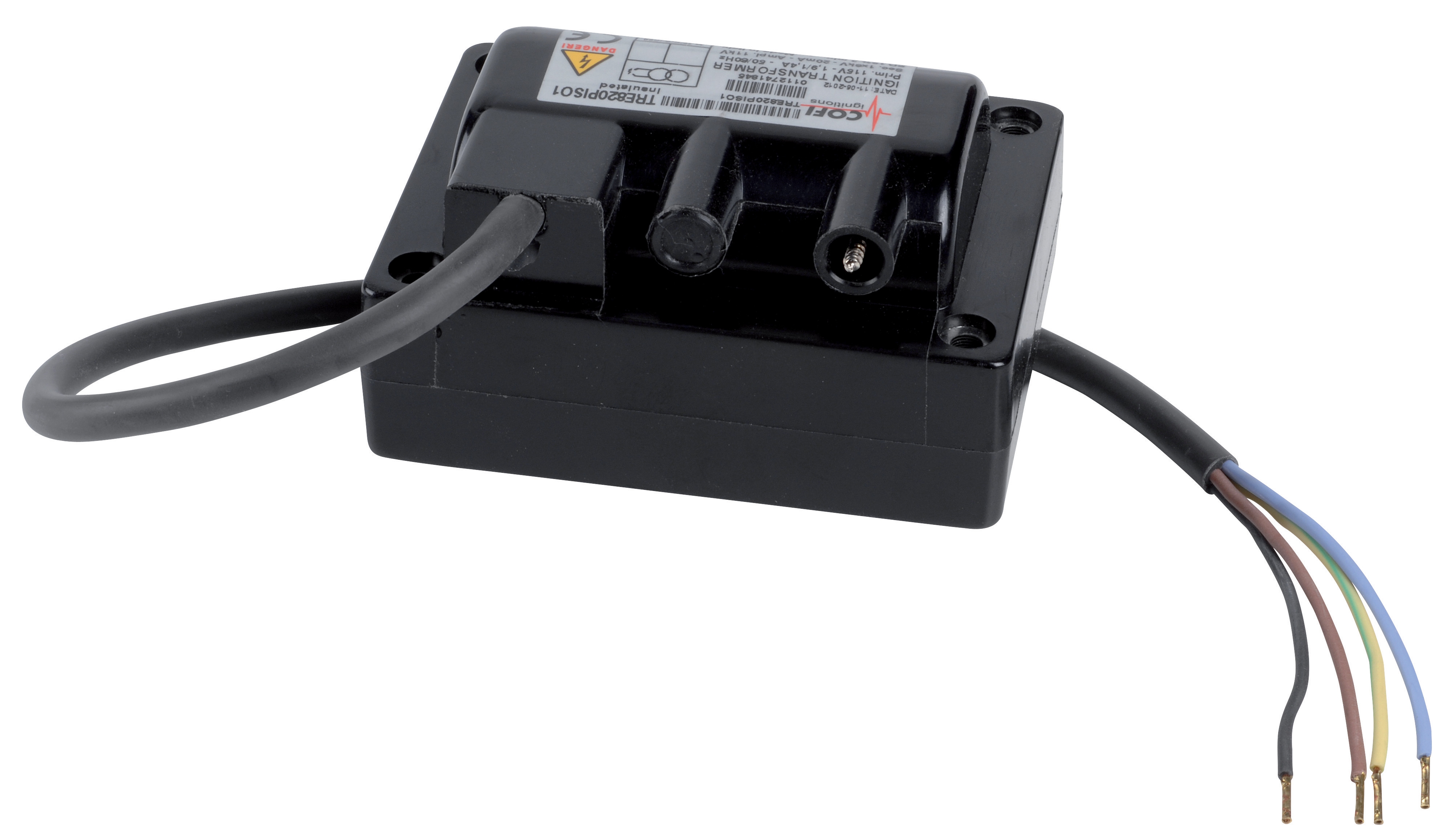
The Cofi TRE 820 Piso1 ignition transformer steps 115 V primary input to 8000 V output at 20 mA, supporting burner ignition systems across −20 to 85 °C ambient temperature range. Southeast Asian procurement challenges include:
- Humidity-induced insulation degradation: The transformer's molded cable (380–440 mm) and encapsulation protect against moisture absorption, critical in coastal facilities or regions with seasonal flooding.
- Voltage stability: 50/60 Hz dual-frequency operation accommodates grid variations common in less-developed infrastructure zones across Southeast Asia.
- Component accessibility: The molded cable design eliminates field-rewirable connections, reducing maintenance errors and cross-contamination in multi-facility networks.
Reliability data from 35+ years of 3G Electric field experience shows ignition transformers with potted, molded construction outperform wire-wound alternatives by 4:1 in high-humidity regions. The TRE 820's sealed construction directly addresses this failure mechanism.
System Integration and Valve Control Reliability
Pressure Regulation in High-Demand Pump Systems
The Pratissoli R1/400 regulating valve, rated to 400 bar with 110 L/min flow capacity, performs a critical system function: maintaining stable outlet pressure despite input flow or load variations. In industry applications spanning cleaning, pressurization, and fluid handling, this valve's reliability depends on spool design, internal leakage characteristics, and seal material compatibility with the fluid being controlled.
For procurement engineers integrating this valve with the KF30 pump, the primary reliability consideration is pilot pressure stability. The R1/400's pilot circuit consumes approximately 3–5 L/min of system flow to maintain internal spool positioning. In Southeast Asian facilities operating at elevated ambient temperatures (30–40 °C), fluid viscosity changes require valve tuning adjustments every 6–12 months. Valves without adjustable pilot pressure compensation experience creep—gradual pressure drift over hours of operation—leading to product quality issues and component stress.
The R1/400's design includes integral compensator elements, reducing sensitivity to fluid viscosity swings. This feature typically extends service intervals by 50% compared to non-compensated designs, translating to lower total cost of ownership despite higher initial purchase price.
Nozzle Performance in Dust-Heavy Environments
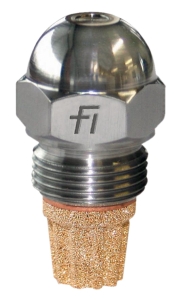
The CBM Fluidics 1.35 45° SF full-cone oil nozzle delivers precise atomization at 1.35 L/h and 10 bar, critical for combustion efficiency and industrial lubrication applications. Reliability in Southeast Asian industry applications hinges on nozzle aperture durability—dust infiltration and mineral deposits in oil supplies progressively narrow the spray orifice, reducing flow rate and spray pattern quality.
The SF designation indicates a sintered bronze construction with internal labyrinth passageways that resist clogging while maintaining uniform spray geometry. Comparable steel or brass nozzles require cleaning every 2–4 weeks in dusty environments; the CBM Fluidics 1.35 typically extends this interval to 8–12 weeks. For facilities operating 24/7 burner systems or continuous lubrication applications, this durability improvement reduces unplanned downtime by 30–40%.
Comparative Maintenance Profiles and Total Cost of Ownership
| Component | Expected Service Interval | Critical Maintenance Point | Regional Challenge |
|-----------|--------------------------|---------------------------|--------------------|
| Francel B25/37mb Regulator | 36–60 months | Diaphragm seal inspection | Moisture ingress in vent line |
| Pratissoli KF30 Pump | 24–36 months | Bearing clearance verification | Thermal drift under 35+ °C ambient |
| Cofi TRE 820 Transformer | 48–72 months | Insulation continuity test | High humidity at coastal sites |
| Pratissoli R1/400 Valve | 12–18 months | Pilot pressure adjustment | Fluid viscosity creep (summer months) |
| CBM Fluidics 1.35 Nozzle | 8–12 weeks (cleaning) | Orifice inspection | Dust particles in oil supply |
Procurement engineers should recognize that Southeast Asian industry applications demand preventive maintenance scheduling aligned to climate factors, not just equipment hours. The tropical cycle of high-heat summer followed by monsoon-season humidity creates two distinct stress periods annually.
Building Redundancy and Spare Parts Strategy
When procuring equipment for distributed Southeast Asian facilities—manufacturing centers, HVAC networks, or multi-site industrial operations—a reliability-first approach requires surplus inventory of high-failure-risk components. Based on 35+ years of regional experience, 3G Electric recommends:
- Critical path components (pressure regulators, pump shafts, nozzles): Maintain 15–20% spare stock
- Ignition and control systems (transformers, pilot circuits): Maintain 10–15% spare stock, as lead times from European suppliers exceed 6–8 weeks
- Seal kits and gaskets: Maintain 50–100% surplus, as these consumables degrade regardless of system run hours in humid climates
This strategy prevents cascading failures where a single component outage forces multiple systems offline while replacement parts traverse regional distribution networks.
Practical Selection Workflow for Procurement Teams
When evaluating industry applications equipment for Southeast Asian deployment, follow this reliability-focused decision framework:
1. Map environmental stressors: Humidity level, ambient temperature range, dust load, fluid contamination risk, power stability
2. Cross-reference component durability features with identified stressors (sealed construction, thermal management, voltage tolerance, filtration resistance)
3. Calculate preventive maintenance costs based on regional service intervals, not manufacturer-published specifications
4. Establish redundancy requirements based on facility criticality and supply chain lead times
5. Negotiate service contracts that account for tropical climate factors (humidity control, seasonal maintenance peaks)
3G Electric's procurement team can assist in this evaluation by providing regional performance data, connecting you with local service partners, and configuring integrated systems where component selection supports long-term reliability rather than lowest initial cost.
Conclusion: Reliability as Competitive Advantage
Industry applications in Southeast Asia succeed when equipment selection prioritizes environmental durability over specification maximization. The Francel B25/37mb regulator, Pratissoli KF30 pump, Cofi TRE 820 transformer, Pratissoli R1/400 valve, and CBM Fluidics 1.35 nozzle each address specific failure mechanisms common in tropical, high-stress environments. Understanding these mechanisms—and building preventive maintenance and spare parts strategies around them—directly improves uptime, reduces emergency procurement costs, and enables procurement engineers to demonstrate measurable value to operational leadership.
Contact 3G Electric to discuss regional reliability data, arrange site assessments, and develop equipment selection strategies optimized for your facility's specific environmental and operational profile.