Understanding Industry Applications: Nozzles vs. System Protection Components
When evaluating equipment for global industrial applications, procurement engineers face a critical decision: investing in precision spray technology or prioritizing system protection infrastructure. Both are essential, but understanding their distinct roles in different industry verticals is crucial for cost-effective procurement strategies. With 35+ years of experience distributing industrial equipment worldwide, 3G Electric has observed that successful operations rarely choose one over the other—instead, they strategically deploy each based on application requirements, operational context, and long-term maintenance objectives.
The choice between CBM flat jet nozzles and system protection components like reservoir alarms reflects different priorities within an operation. Nozzle selection optimizes spray pattern, flow rate, and fuel atomization efficiency, directly impacting combustion quality and fuel consumption. Conversely, system protection equipment like expansion tank inflators and megablue reservoir alarms prevent catastrophic failures, extend equipment lifespan, and maintain regulatory compliance. Both categories demand equal attention in comprehensive procurement planning.
Nozzle Technology for Atomization-Critical Applications
Industry applications requiring precise fuel or fluid atomization demand specialized nozzle engineering. The CBM flat jet nozzle HP 1/4" M BSPT with index 25 and 15° angle represents a specific spray geometry designed for combustion systems where fuel distribution uniformity directly affects thermal efficiency. This nozzle configuration produces a flat spray pattern with controlled angle dispersion, ideal for burner systems operating in confined combustion chambers where spray cone control prevents flame contact with chamber walls.
The alternative CBM flat jet nozzle HP 1/4" M BSPT with index 055 and 15° angle offers different flow characteristics. The index designation (25 vs. 055) indicates different orifice sizes and flow capacities. Higher index numbers enable greater flow rates, making them suitable for high-capacity heating systems, industrial furnaces, and large-scale combustion applications. Procurement engineers must match nozzle specifications to burner capacity, fuel type, and combustion chamber design.
Nozzle selection directly impacts several industry applications:
Heating Systems: HVAC applications in commercial and residential sectors require consistent atomization across variable load conditions. The 15° angle in both CBM nozzles provides optimized spray geometry for typical boiler and furnace configurations found across European and North American markets.
Industrial Processing: Chemical plants, food processing facilities, and manufacturing operations often operate specialty burners requiring precise fuel metering. Incorrect nozzle selection leads to incomplete combustion, increased emissions, and equipment damage.
Marine and Offshore: Harsh environments demand nozzles with reliable spray patterns under vibration and temperature fluctuations. The BSPT thread specification provides standard compatibility with marine-grade burner systems.
Agricultural Operations: Large-scale heating systems in controlled environment agriculture (greenhouses, livestock facilities) require high-capacity nozzles for cost-effective operation across seasonal demand fluctuations.
System Protection Components: Risk Mitigation Across Global Operations
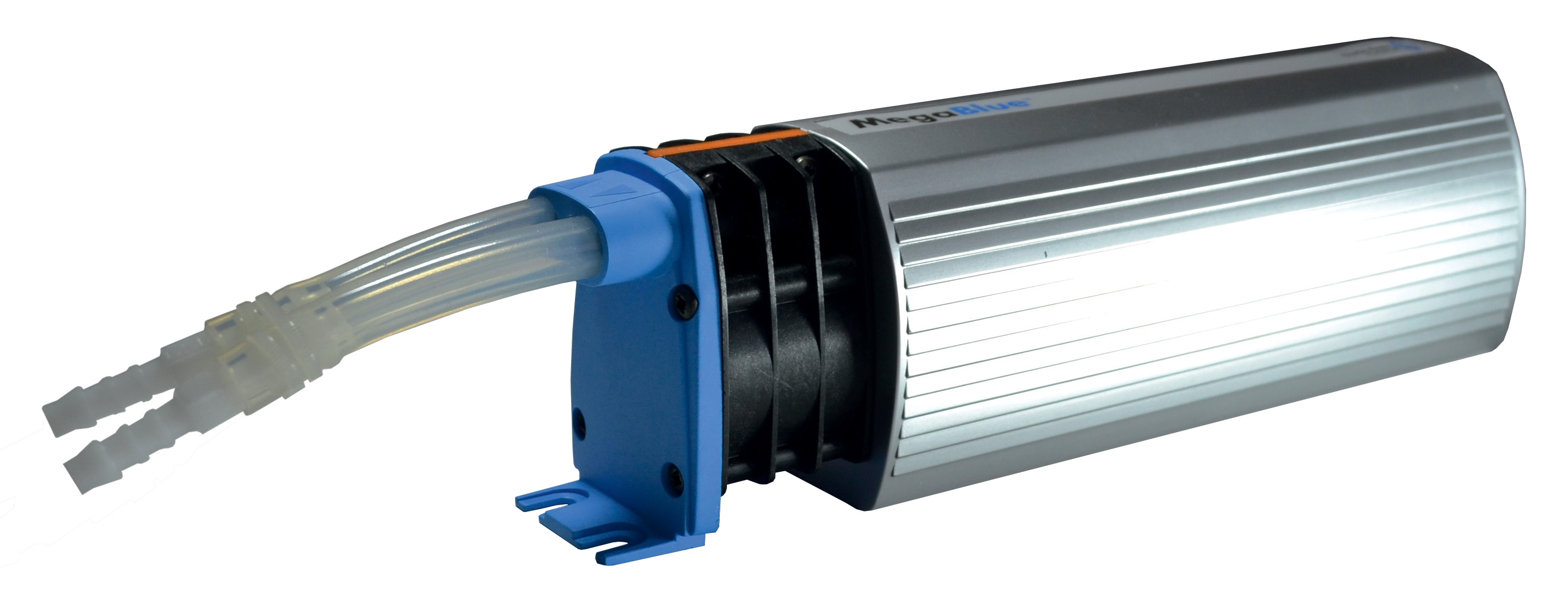
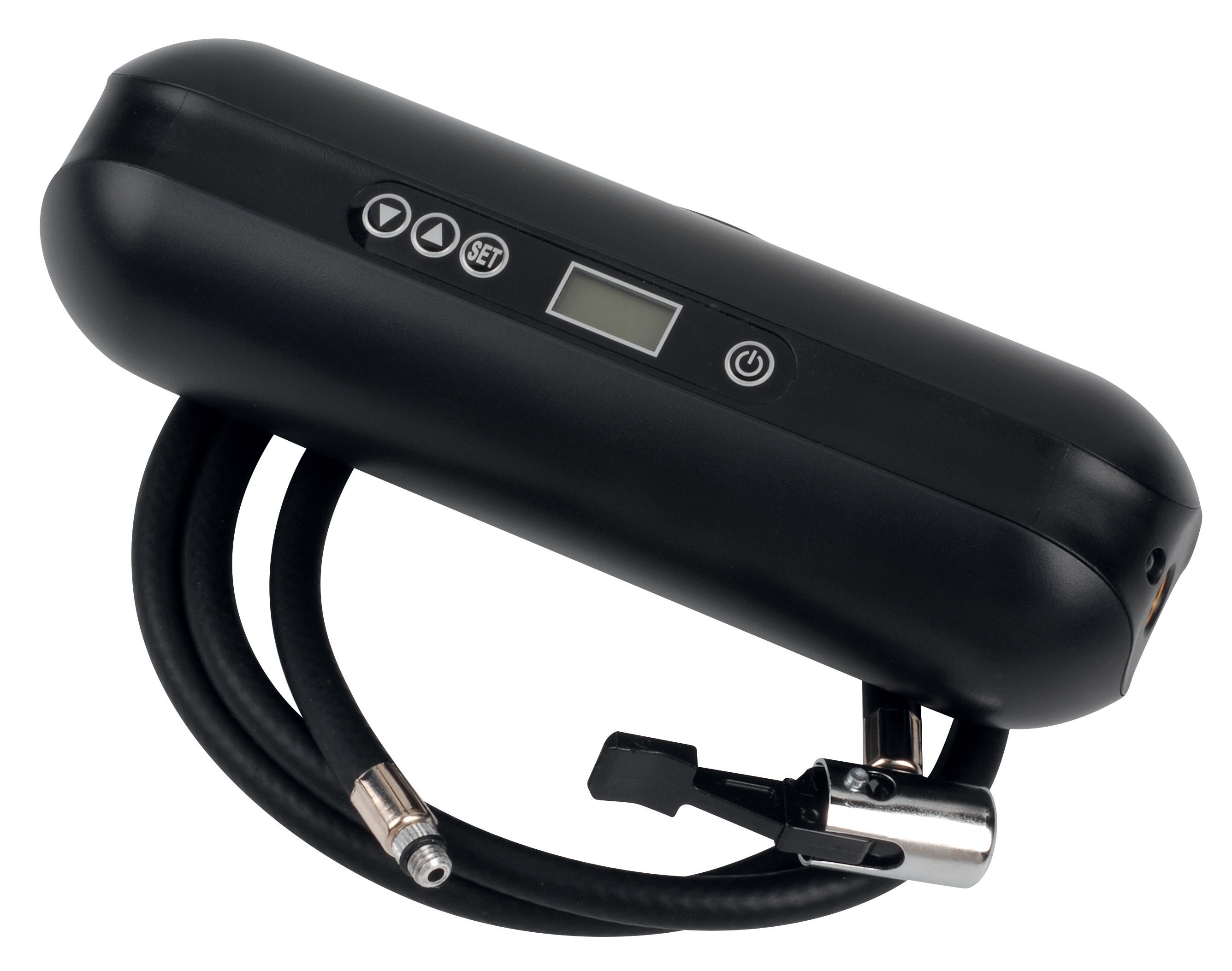
While nozzles optimize spray efficiency, system protection components prevent operational failures that can escalate costs exponentially. The CBM megablue reservoir alarm with shut-off valve X87-813 and expansion tank inflator battery (2000 mAH) address critical failure modes in heating and pressurized fluid systems.
The megablue reservoir alarm serves multiple functions in industry applications:
Fluid Level Monitoring: Prevents low-fuel or low-fluid conditions that damage fuel pumps and burner systems. In large industrial facilities with multiple heating zones, automatic shut-off prevents cascade failures where pump cavitation damages expensive components.
Safety Compliance: Global regulations increasingly require automatic shut-off systems for unattended boiler and furnace operations. The X87-813 shut-off mechanism meets European and North American safety standards, reducing liability exposure for facility operators.
Operational Transparency: Integrated alarms provide predictive maintenance alerts, allowing procurement teams to schedule refueling or service before emergencies occur. This capability is especially valuable in remote facilities or regions with unreliable fuel supply chains.
The CBM expansion tank inflator addresses a different critical function. Pressurized heating systems require precise pre-charge air pressure in expansion tanks. Incorrect pressure causes:
- Excessive system pressure requiring relief valve discharge (wasted heat energy and fluid loss)
- Insufficient pre-charge allowing metal corrosion from direct water contact with tank walls
- Valve instability causing pressure fluctuations that reduce equipment lifespan
The battery-powered inflator enables field technicians to adjust pre-charge pressure without specialized shop equipment, reducing maintenance costs by 40-60% compared to sending equipment off-site for recalibration.
Global Industry Application Comparison: When to Prioritize Each Component Category
Nozzle-Priority Scenarios:
Procurement engineers should prioritize nozzle investments when upgrading existing burner systems, optimizing fuel efficiency is the primary business objective, or equipment operates in controlled environments with predictable demand patterns. New facility construction, efficiency retrofit programs, and operations where fuel costs exceed 30% of operating expenses typically justify premium nozzle specifications. The TEC02060 and TEC02021 configurations address 95% of commercial heating applications globally.
System Protection-Priority Scenarios:
System protection components become priority investments in remote locations with limited service support, unattended operations (overnight/weekend heating), facilities managing multiple heating zones with high consequence-of-failure risks, and operations subject to strict regulatory compliance audits. Agricultural, marine, and industrial processing applications typically benefit from earlier investment in protection systems because equipment downtime translates directly to crop loss, production delays, or supply chain disruption.
Balanced Approach for Mature Operations:
3G Electric's experience across 35+ years shows that mature industrial operations invest systematically in both categories. Year 1 focuses on system protection infrastructure (alarms, safety devices, monitoring equipment), establishing operational reliability foundation. Year 2-3 introduces nozzle optimization and efficiency improvements. This phased approach reduces capital requirements while addressing highest-consequence risks first.
For global procurement teams managing multi-site portfolios, the equation becomes more complex. A facility in Singapore with consistent ambient temperatures and professional on-site maintenance may prioritize the TEC02021 nozzle for fuel efficiency. An equivalent facility in a remote African location might instead prioritize the megablue reservoir alarm and expansion tank inflator to ensure operational continuity despite supply chain variability.
Practical Procurement Recommendations for Global Operations
Procurement engineers should apply these decision frameworks:
1. Conduct Total Cost of Ownership Analysis
Compare nozzle efficiency improvements (typically 3-8% fuel savings over 5 years) against system protection benefits (preventing single failures that cost 15-30% of annual equipment budget). Calculate break-even scenarios based on facility-specific fuel costs and maintenance labor rates.
2. Map Risk Consequences
High-consequence environments (marine vessels, remote industrial sites, critical infrastructure heating) justify higher investment in both categories. Lower-consequence scenarios (backup heating, seasonal-use equipment) may permit cost optimization favoring one category.
3. Align with Regulatory Requirements
European facilities under EN 303-1 standards or North American operations under NFPA codes often mandate specific system protection features. Confirm regulatory requirements before finalizing specifications. The X87-813 shut-off valve specifically addresses EU Ecodesign Directive requirements for boiler safety.
4. Consider Lifecycle Logistics
Nozzles require replacement every 3-5 years depending on fuel quality and cleaning intervals. Stock TEC02060 and TEC02021 as consumable components in your global distribution network. System protection components like the 2000 mAH inflator battery have longer service intervals but require battery replacement every 2-3 years—plan replacement cycles accordingly.
5. Standardize Across Multi-Site Operations
Selecting one CBM nozzle model (recommend TEC02060 for standard commercial applications) and one protection system (recommend megablue X87-813 for all monitored operations) reduces inventory complexity, training requirements, and spare parts management overhead.
With 35+ years of experience supporting global industrial operations, 3G Electric recommends procurement teams view nozzles and system protection as complementary rather than competitive. Optimal total cost of ownership typically includes both technologies, deployed strategically based on specific facility characteristics, regulatory environment, and risk tolerance.