Industry Applications: Strategic Equipment Integration Across Singapore's Diverse Industrial Sectors
Industrial professionals across Singapore face a common challenge: managing complex operations that require seamless integration of multiple specialized systems. Whether you're operating in chemical processing, manufacturing, food production, or research facilities, the need for reliable, coordinated equipment has never been more critical. Industry applications span far beyond single-purpose machinery—today's industrial operations demand sophisticated systems that work in harmony to deliver consistent results.
With over 35 years of experience supplying industrial equipment to Singapore's diverse manufacturing and processing sectors, 3G Electric understands that successful operations depend on selecting components that not only perform individually but integrate effectively within larger systems. This guide explores how industrial professionals can optimize their operations through strategic equipment selection and system integration.
Understanding Multi-Sector Equipment Requirements and Integration Challenges
Singapore's industrial landscape is remarkably diverse. A single manufacturing facility might require gas pressure regulation for laboratory applications, high-pressure hydraulic systems for processing, precision fluid atomization for combustion processes, and ignition systems for specialized equipment. The challenge lies not in finding individual components, but in selecting products that communicate effectively and maintain consistent performance across interconnected operations.
Industrial professionals must consider several critical factors when evaluating equipment for integration:
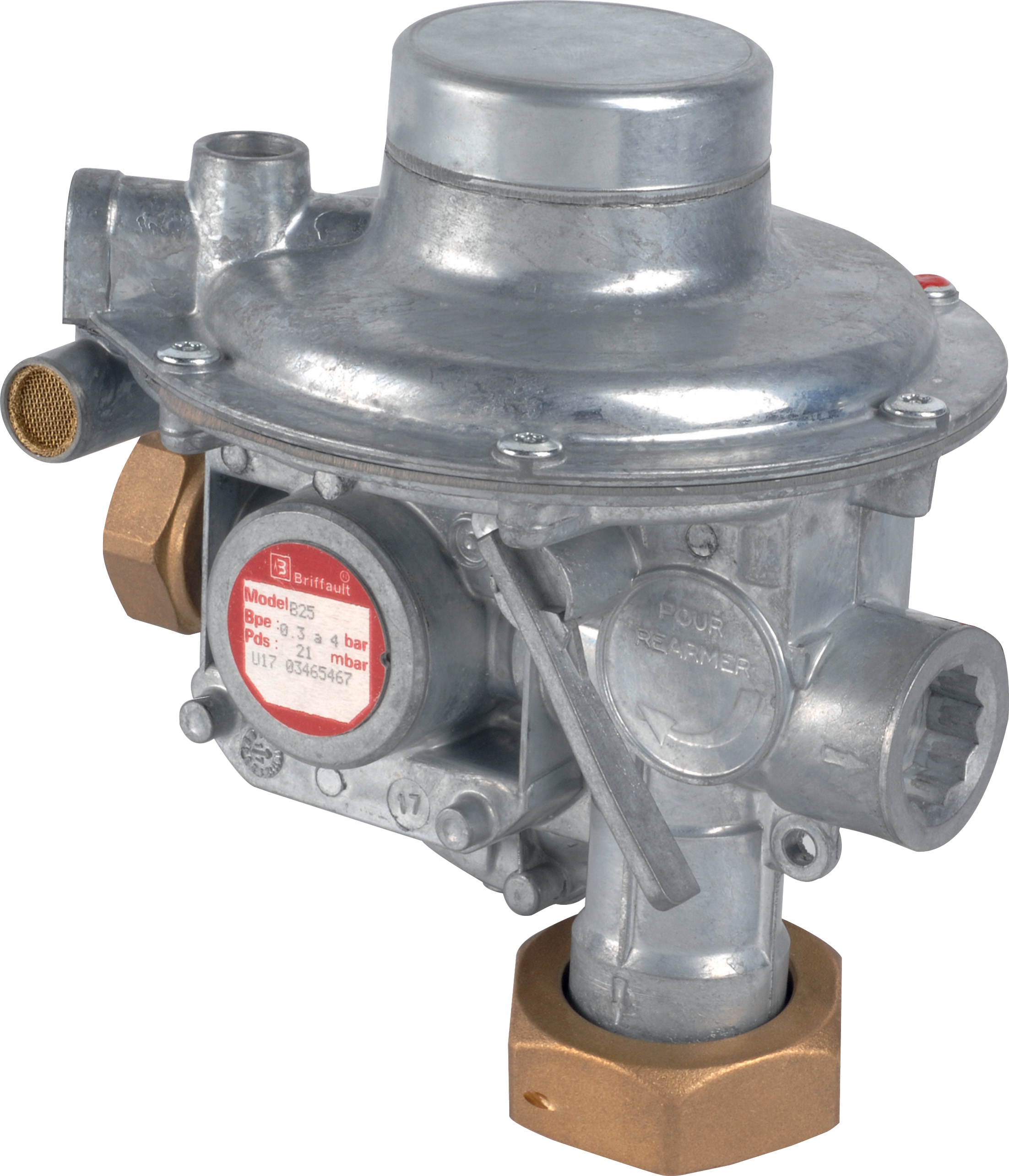
System Pressure Compatibility: Different applications operate at vastly different pressures. Laboratory gas distribution systems may require precisely controlled low-pressure outputs—such as the 37 mbar inlet pressure managed by Francel B25/37mb pressure regulators with integrated safety relief—while industrial processing demands high-pressure systems. The Pratissoli KF30 industrial pump, delivering 200 bar pressure and 106 L/min flow capacity, represents a different category entirely. Successful integration requires understanding how these pressure tiers connect and interact throughout your operation.
Flow Rate and Capacity Planning: Your equipment's flow rates must align with production demands. The Pratissoli KF30 delivers 106 liters per minute at 200 bar, making it suitable for medium-scale industrial operations. However, flow capacity becomes meaningless if your pressure regulation or safety systems cannot handle the corresponding volumes. This is where precision components like the Pratissoli R1/400 regulating valve, rated for 400 bar and 110 L/min flow capacity, ensure system stability across demand fluctuations.
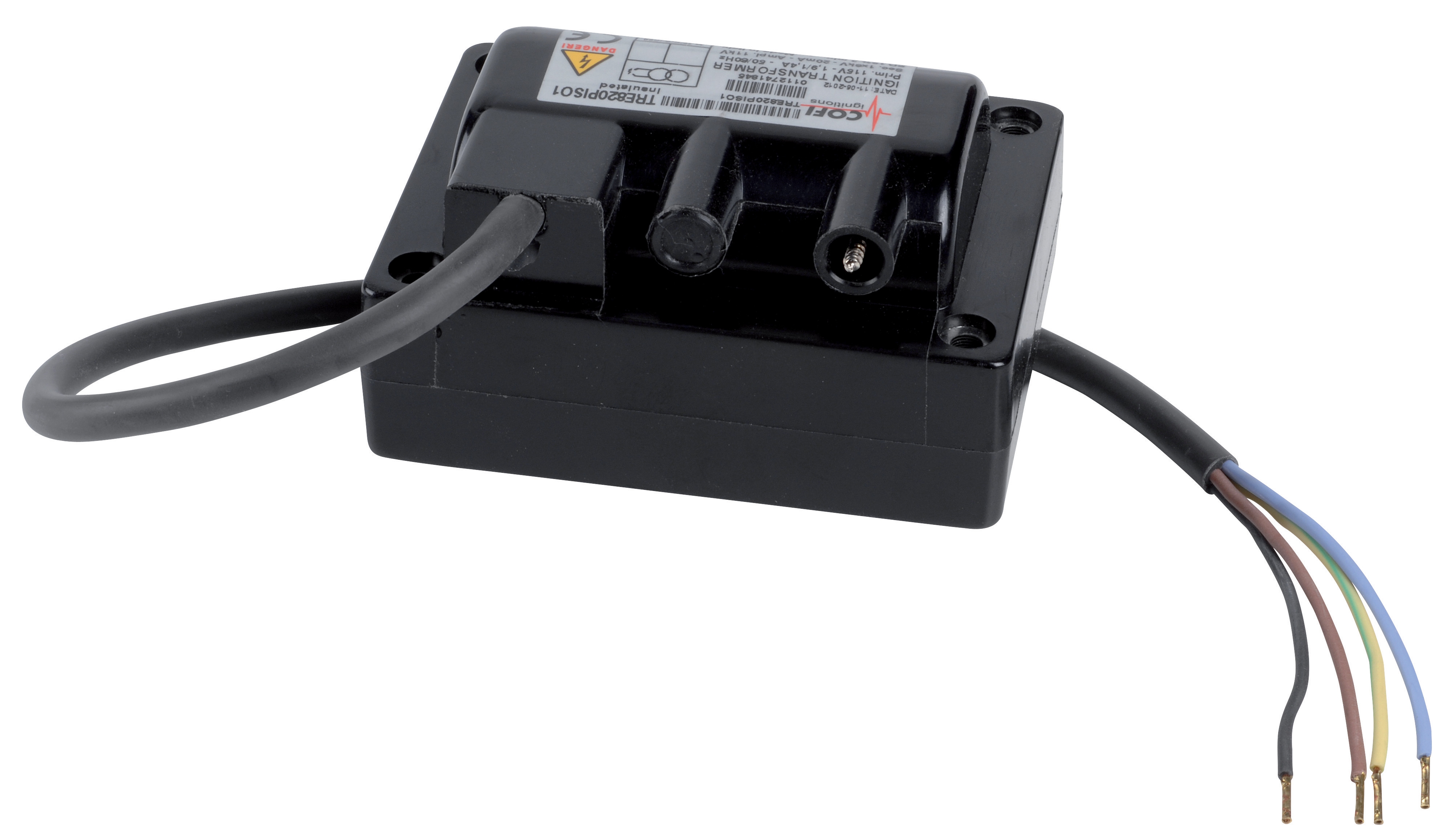
Environmental and Safety Specifications: Singapore's tropical climate and stringent safety regulations demand equipment rated for challenging conditions. The Cofi TRE 820 ignition transformer, operating reliably across −20 to 85 °C ambient temperatures, exemplifies equipment designed for variable industrial environments. Safety-integrated components like the Francel pressure regulator with built-in relief mechanisms protect personnel and assets while maintaining system reliability.
Practical Implementation: System Design and Equipment Selection Strategy
Effective industrial applications begin with comprehensive system mapping. Before selecting individual components, industrial professionals should document their operational requirements across three dimensions: pressure demand, flow requirements, and control precision.
Pressure Management as Foundation: Pressure control underpins nearly every industrial operation. In chemical processing facilities, laboratory gas distribution requires precise low-pressure outputs with built-in safety mechanisms. The Francel B25/37mb with its 37 mbar outlet pressure and 10 mm vent size, provides the safety-first approach essential for hazardous gas environments. Simultaneously, your high-pressure processing systems demand robust regulation at elevated pressures—precisely where the Pratissoli R1/400 regulating valve maintains system stability regardless of flow variations.
Implementing this dual-pressure strategy requires careful installation planning. Low-pressure and high-pressure circuits should feature independent regulation to prevent downstream failures from affecting sensitive laboratory operations. Pressure gauges at multiple points throughout your system provide real-time feedback for troubleshooting and optimization.
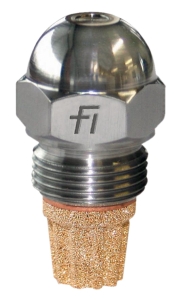
Fluid Atomization and Combustion Systems: Modern industrial combustion applications—whether for heating, drying, or specialized processing—increasingly require precision fuel atomization. The CBM Fluidics 1.35 45° SF oil nozzle, delivering 1.35 L/h at 10 bar with 45° spray angle, transforms fuel supply into controlled combustion. This precision directly impacts energy efficiency and emission control, both critical for Singapore's manufacturing competitiveness.
Combustion systems integration demands coordinated ignition and fuel delivery. The Cofi TRE 820 ignition transformer, delivering 8000 V output from 115 V input at 20 mA, provides reliable spark generation even in variable ambient conditions. When integrated with precision fuel nozzles, this combination creates responsive combustion systems that maintain consistent performance across load variations and operational cycles.
Pump System Selection and Scaling: High-pressure pump selection drives industrial productivity. The Pratissoli KF30 delivers 106 L/min at 200 bar with 40 kW power consumption, making it suitable for medium-scale hydraulic operations in manufacturing facilities. However, selecting the correct pump requires understanding your system's actual demand profile—peak pressure versus sustained operating pressure, and continuous flow versus intermittent demand.
Pump system optimization frequently involves implementing regulating valves downstream rather than oversizing pumps. This approach reduces energy consumption and heat generation while maintaining system responsiveness. The Pratissoli R1/400 regulating valve enables this strategy by controlling pressure in pump systems while maintaining the flow capacity you require.
Cost-Effective Maintenance and Long-Term Operational Excellence
Industrial equipment integration success extends beyond initial installation. Long-term operational excellence depends on systematic maintenance and component selection for reliability.
Integrated System Monitoring: Successful industrial operations in Singapore increasingly employ digital monitoring systems that track pressure, flow, temperature, and component status across integrated systems. Safety-integrated components like the Francel B25/37mb pressure regulator with relief mechanisms reduce the monitoring burden by protecting against catastrophic failures. However, routine pressure verification at multiple system points remains essential for identifying developing issues before they disrupt production.
Component Standardization Across Operations: Industrial facilities managing multiple production lines benefit significantly from standardizing components across similar applications. This reduces spare parts inventory, simplifies training, and enables faster troubleshooting. For example, if multiple production areas require precision fluid atomization, standardizing on CBM Fluidics 1.35 45° SF nozzles simplifies procurement and maintenance procedures.
Preventive Replacement Scheduling: Pressure regulators, valves, and nozzles represent wear items requiring periodic replacement. Rather than responding to failures that disrupt production, industrial professionals in Singapore increasingly implement preventive replacement schedules. This approach, supported by 3G Electric's 35+ years of experience with Singapore's industrial sector, typically reduces total cost of ownership by minimizing emergency repairs and unplanned downtime.
System Documentation and Training: Comprehensive documentation of your integrated system—including pressure settings, flow rates, component locations, and troubleshooting procedures—proves invaluable during equipment transitions and staff training. New technicians gain rapid competency when they understand how pressure regulation, pump systems, and control components interact throughout your facility.
Sector-Specific Applications and Performance Optimization
Different industrial sectors in Singapore leverage integrated equipment systems in distinct ways. Understanding sector-specific applications helps identify optimization opportunities.
Chemical Processing and Pharmaceutical Manufacturing: These sectors demand precise pressure control with absolute safety integration. The Francel B25/37mb pressure regulator with integrated safety relief directly addresses these requirements, protecting both personnel and sensitive processes. Equipment selection emphasizes redundancy and fail-safe design, with preference for components combining multiple safety functions.
Food Processing and Beverage Production: Food industry applications often emphasize sanitation, material compatibility, and consistent output quality. Precision fuel nozzles like the CBM Fluidics 1.35 45° SF enable controlled heating and drying processes essential for food quality. Pressure regulation systems must prevent water or contamination ingress while maintaining hygienic operation.
Heavy Manufacturing and Metalworking: These sectors leverage high-pressure pump systems for material processing, cutting, and forming operations. The Pratissoli KF30 industrial pump serves these applications with robust pressure capability and substantial flow capacity. Regulating valves like the Pratissoli R1/400 become critical for controlling system pressure during variable production demands.
Building Services and HVAC: Even within facility management, equipment integration spans combustion systems for heating and precision control systems for climate management. Ignition transformers like the Cofi TRE 820 ensure reliable operation across Singapore's variable environmental conditions.
Moving Forward: Strategic Equipment Partnership for Sustainable Operations
Industrial professionals in Singapore recognize that equipment selection extends beyond procurement to strategic partnership. 3G Electric's three decades of experience supplying Singapore's diverse industrial sectors positions the company to support your specific integration challenges.
Successful industrial operations depend on selecting components that perform reliably while integrating seamlessly within your larger system. Whether implementing new production lines, optimizing existing operations, or responding to industry changes, the principles remain consistent: understand your pressure requirements, verify flow compatibility, ensure safety integration, and commit to preventive maintenance.
Your choice of equipment supplier matters significantly. Distributors familiar with Singapore's industrial landscape, regulatory environment, and sector-specific requirements provide value extending far beyond component delivery. They offer application expertise, technical support, and supply chain reliability essential for maintaining operations in today's competitive industrial environment.