Understanding Industry Applications Across Global Facilities
Industry applications span everything from precision laboratory gas distribution to high-pressure sewer cleaning and industrial combustion systems. The challenge for maintenance teams isn't selecting individual components—it's understanding how pressure, flow rate, and nozzle design interact within your specific operational context.
With 35+ years of experience distributing industrial equipment, 3G Electric has observed that many facility managers make equipment decisions in silos. A maintenance team might purchase a high-flow pump without considering the nozzle's atomization capacity, or specify a pressure regulator without accounting for downstream consumption patterns. This fragmented approach leads to inefficient operations, higher energy costs, and premature component wear.
This article breaks down the practical decision-making process for selecting complementary equipment across three critical application categories: pressure regulation for controlled distribution, high-flow pumping for intensive cleaning and lubrication, and precision atomization for combustion and spray systems.
Pressure Regulation: Foundation for Safe, Controlled Industry Applications
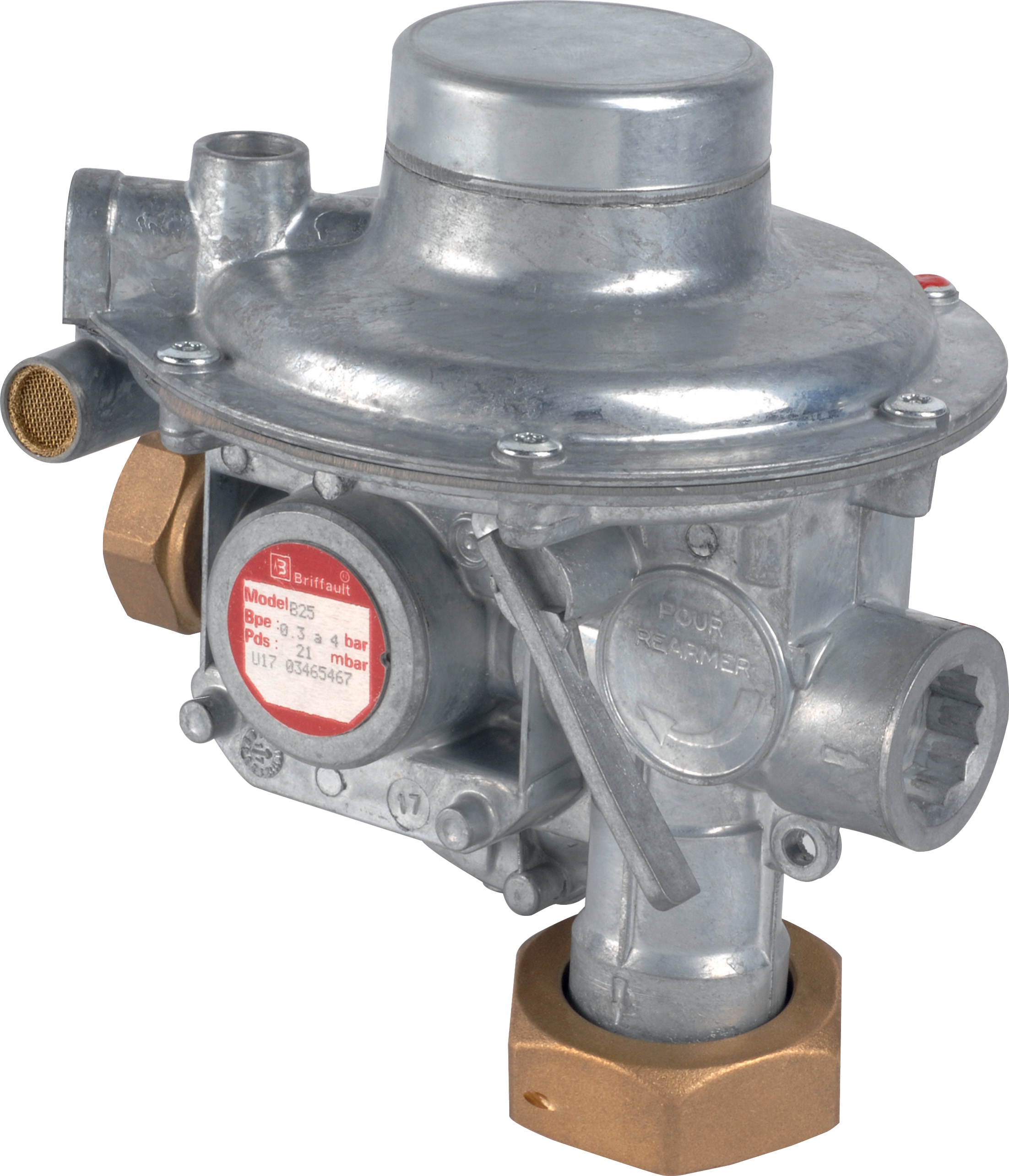
Pressure regulation is the often-overlooked foundation of industrial systems. The Francel B25/37mb pressure regulator with integrated safety relief exemplifies why regulation matters in industry applications.
This regulator delivers a stable 37 mbar outlet pressure with a 10 mm vent size—specifications that matter significantly when you understand your facility's actual demand. Consider these industry application scenarios:
Laboratory and Research Facilities: Medical gas distribution, analytical instrument feeds, and precision laboratory burners all require extremely stable, low-pressure gas delivery. A 37 mbar output prevents damage to sensitive equipment and ensures repeatable results. The integrated safety relief protects against over-pressurization from upstream supply fluctuations.
Industrial Gas Distribution Systems: Manufacturing facilities using inert gas blanketing, pilot lights, or equipment sensors need consistent pressure regardless of consumption patterns. A regulator with proper vent sizing (10 mm in this case) prevents backpressure buildup that can damage downstream regulators or create safety hazards.
When to Specify Low-Pressure Regulation: Many maintenance teams assume "more pressure = better performance." This is incorrect. If your application needs 37 mbar, specifying a higher-pressure regulator wastes energy, stresses components, and shortens equipment life. The question isn't "what's the maximum pressure available?" but rather "what's the minimum pressure my equipment requires?"
The integrated safety relief in the Francel B25/37mb adds another critical dimension. Rather than relying on separate, downstream relief valves, this combined design reduces connection points, minimizes leak potential, and simplifies maintenance procedures—particularly valuable for facilities with limited technical staff or remote locations.
High-Capacity Pumping Systems: Matching Flow and Pressure to Industry Applications
Once you've established stable pressure regulation, pumping systems become the workhorse of intensive applications. But pump selection requires understanding the fundamental relationship between flow rate, pressure, and power consumption.
The Pratissoli KF30 Profile:
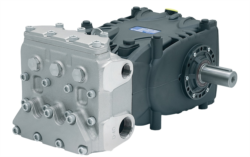
The Pratissoli KF30 pump delivers 106 L/min flow at 200 bar with 40 kW power consumption. This mid-range capacity makes it suitable for:
- Moderate-scale high-pressure cleaning (building facades, equipment decontamination)
- Industrial lubrication distribution systems serving multiple production lines
- Mobile washing operations requiring portable yet powerful delivery
- Compact facility layouts where space constraints limit larger equipment installation
The 72 kg weight is significant—this pump can be mounted on mobile carts, truck beds, or compact skids without requiring reinforced flooring or elaborate foundation work.
The Pratissoli MW40 Profile:
For larger operations, the Pratissoli MW40 pump delivers 211 L/min at 210 bar with 85 kW power. This higher-capacity system supports:
- Central high-pressure distribution systems serving large facilities (automotive plants, chemical processing)
- Industrial sewer and pipeline cleaning operations (the key application for this series)
- Continuous-duty lubrication systems in manufacturing environments
- Outdoor pressure washing operations where volume throughput drives efficiency
The critical specification difference: the MW40 delivers roughly twice the flow (211 vs. 106 L/min) while maintaining similar pressure (210 vs. 200 bar). This relationship is essential for maintenance planning.
Flow vs. Pressure Decision Framework for Industry Applications:
Maintenance teams must ask: "What is my actual constraint—completing work faster, or achieving deeper penetration/finer spray?"
If your facility needs to clean 10 building facades weekly and time is the limiting factor, the higher-flow MW40 makes financial sense. The additional 105 L/min cuts cleaning time dramatically, and the 45 kW additional power cost is offset by labor savings and project completion benefits.
If your constraint is achieving proper pressure for descaling industrial equipment or penetrating dense debris, you don't gain value from excess flow. The KF30's 106 L/min may be completely adequate, allowing you to operate at lower capital and energy costs.
The Pratissoli ZT06B1000353 high-pressure sewer cleaning hose assembly connects directly to pumps like the KF30 or MW40. This complete hose with fittings removes the guesswork of hose selection—the hose diameter, fitting compatibility, and pressure rating are pre-engineered for industrial sewer cleaning operations where reliability is non-negotiable.
Atomization Precision: The Often-Forgotten Layer of Industry Applications
Where pressure regulation establishes control and pumps deliver volume, atomization quality determines actual operational effectiveness. Many maintenance teams overlook this third component, assuming "if water comes out, the job gets done." This assumption is expensive.
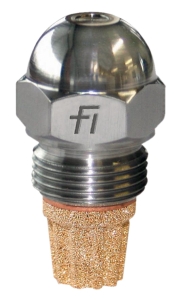
The CBM Fluidics 1.35 45° SF full-cone oil nozzle illustrates why atomization design matters across industry applications.
Nozzle Specifications Decoded:
- 1.35 L/h Flow Rate: This nozzle is designed for light-duty applications—fuel burners, precision lubrication distribution, or cooling mist systems. It's not intended for high-volume cleaning.
- 10 Bar Operating Pressure: The nozzle optimizes atomization at 10 bar. Feed it 20 bar and you get poor spray pattern and excessive mist. This pressure requirement directly influences your pump selection.
- 45° Spray Angle: Full-cone pattern with wide angle distributes fluid evenly across a broad area, ideal for even heating (combustion applications) or uniform lubrication distribution.
Industrial Burners and Combustion Systems: Oil-fired heating systems, industrial ovens, and process heating equipment require consistent atomization quality. A 1.35 L/h nozzle at 10 bar creates the droplet size distribution needed for complete combustion. If you feed it inadequate pressure or select the wrong flow rate, you get poor fuel economy and increased emissions—issues that affect both operating costs and regulatory compliance.
Precision Lubrication Systems: Manufacturing equipment using oil mist lubrication depends on nozzles that create a stable, fine aerosol rather than wet spray. The CBM Fluidics design achieves this through its engineered spray angle and flow rate. Undersizing the nozzle starves bearing protection; oversizing floods the area and creates slip hazards.
Cooling and Mist Application: Electronics manufacturing, precision machining, and certain finishing operations use atomized coolant mist. The 45° full-cone pattern ensures even distribution across work areas, preventing hot spots and material defects.
The Critical Mismatch to Avoid:
A common maintenance error is pairing high-capacity pumps with atomization nozzles designed for low-flow applications. For example, if you're using the Pratissoli KF30 (106 L/min) to feed a 1.35 L/h nozzle, you're wasting 104.65 L/min of flow. This scenario requires either:
1. Multiple nozzles in parallel – Using 80+ atomization nozzles simultaneously (impractical for most applications)
2. Return-to-tank bypass systems – Circulating excess flow back to the reservoir with heat generation and energy loss
3. Selecting larger nozzles – Using designs that accommodate the higher flow while maintaining atomization quality
This is why understanding your facility's actual demand—not just theoretical capacity—is essential before purchasing complementary equipment.
System Integration Strategy for Maintenance Teams
Now that we've covered pressure regulation, pumping capacity, and atomization separately, let's discuss how they work together across real industry applications.
Integration Example: Industrial Cleaning Operations
Imagine your facility operates a sewer cleaning division with multiple contracts. Your workflow involves:
1. Generating high-pressure water (pump selection)
2. Distributing to multiple job sites (hose and coupling reliability)
3. Adjusting pressure for different pipe types and debris densities (pressure regulation/control)
4. Achieving proper jet penetration and spread (nozzle selection)
For this operation:
- Start with the Pratissoli MW40 pump (211 L/min, 210 bar) for sufficient volume across multiple simultaneous cleaning lines
- Use the Pratissoli hose assembly rated for 210+ bar continuous duty
- Specify pressure control valves (or regulators) to reduce output pressure for initial assessment cleaning (reducing pressure extends hose life and reduces water consumption)
- Select nozzles appropriate for the final cleaning pressure—typically 150+ bar jets for heavy sewer debris, 50-75 bar for routine maintenance
This integrated approach costs more upfront than purchasing a single high-pressure pump, but it delivers superior outcomes: fewer hose failures, lower water consumption, faster job completion, and longer equipment life.
Integration Example: Industrial Lubrication Distribution
A manufacturing facility with 50+ precision spindles and bearing housings needs consistent, reliable lubrication.
- Use the Pratissoli KF30 pump (106 L/min, 200 bar) as the central circulation source
- Route flow through pressure-reducing valves to achieve 10 bar at distribution nozzles
- Specify multiple CBM Fluidics atomization nozzles at key bearing points
- Install secondary pressure regulators at each production zone to account for local pressure drops
This system ensures every bearing receives the right pressure, the right flow rate, and the right atomization quality—preventing both over-lubrication (which causes heat buildup) and under-lubrication (which causes bearing wear).
Practical Selection Checklist for Your Facility
When evaluating equipment for your industry applications, work through these questions:
Pressure Requirements:
- What is the minimum pressure my equipment actually requires (not the maximum available)?
- Will pressure fluctuate based on demand patterns?
- Is integrated safety relief important for my facility's risk profile?
- How much volume do I need to deliver per hour/day?
- Is continuous operation required, or intermittent use?
- Can I achieve results with lower flow if atomization is optimized?
- What spray pattern or distribution method does my application demand?
- How does nozzle size/flow rate align with my pump's total delivery?
- Are multiple nozzles in parallel the right approach, or single larger-capacity atomizers?
- How do components connect? Are couplings, fittings, and hose ratings compatible?
- What pressure drops occur between components, and do I need intermediate regulators?
- What maintenance access points do I need, and are they available in my equipment selection?
Why 3G Electric Supports Better Industry Applications Decisions
With 35+ years as a global equipment distributor, 3G Electric partners with you beyond the initial sale. Our technical team understands that selecting pressure regulators, pumps, and atomization nozzles involves making trade-offs based on your facility's specific constraints.
We don't simply sell components—we help maintenance teams think through system integration, performance matching, and lifecycle costs. Whether you're building a new cleaning operation, upgrading a lubrication system, or troubleshooting existing equipment, our experience with hundreds of facility configurations informs better selection decisions.
The equipment featured in this article—from the Francel pressure regulator to the Pratissoli KF30 and Pratissoli MW40 pumps to the CBM Fluidics nozzle—all represent proven choices for specific industry applications. They're not the only options available, but they represent reliable starting points for maintenance teams building effective systems.