Understanding Industry Applications in Singapore's High-Pressure Sectors
Industry applications of precision spray systems and pressure monitoring equipment have become critical for maintenance teams operating in Singapore's competitive manufacturing landscape. Over 35 years as a global industrial equipment distributor, 3G Electric has observed that successful maintenance operations depend not just on equipment selection, but on understanding how different technologies integrate within sector-specific workflows.
For maintenance teams, "industry applications" means recognizing that a spray system performing reliably in a petrochemical facility operates under fundamentally different constraints than one in a food processing plant or marine coating operation. Singapore's stringent safety regulations, tropical climate conditions, and 24/7 production demands create a distinct context where equipment performance directly impacts downtime costs, worker safety, and regulatory compliance.
The convergence of three critical components—ATEX-certified spray systems, high-performance pumps, and real-time pressure diagnostics—represents the modern maintenance team's toolkit. Understanding their individual specifications and collective functionality enables predictive maintenance strategies that reduce catastrophic failures by up to 40% in industrial settings.
ATEX Compliance and Hazardous Area Spray Applications
Why ATEX Matters in Singapore's Industrial Environment
ATEX (Directive 2014/34/EU) compliance is non-negotiable for maintenance teams working in explosive atmospheres. Singapore's Process Safety Management (PSM) regulations align closely with ATEX standards, making compliant equipment selection a legal and operational imperative.
The Pratissoli PISTOLA P560*LANCIA 1000 ATEX spray gun exemplifies purpose-built hazardous-area equipment. Rated for 600 bar operating pressure and 60 L/min flow capacity, this system delivers industrial-grade coating and cleaning performance within safety parameters that prevent ignition sources in gas, vapor, or dust-laden environments.
Practical Deployment Scenarios
Petrochemical Processing Plants: Maintenance teams using ATEX spray guns in petrochemical facilities perform precision surface preparation and protective coating application without introducing spark risks. The 600 bar pressure capability handles thick corrosion removal on heat exchangers, pipework, and storage vessels while maintaining electrical safety ratings that prevent static discharge ignition.
Marine and Offshore Maintenance: Singapore's strategic port position makes marine maintenance a critical sector. ATEX-compliant spray systems enable saltwater corrosion management on vessels, offshore platforms, and dock infrastructure. The 60 L/min flow rate balances coverage speed with pressure control—essential when coating deteriorated surfaces where over-pressurization risks structural damage.
Food and Pharmaceutical Manufacturing: While not typically classified as explosive atmospheres, food processing facilities handling grain, spices, or powdered ingredients may have localized hazardous zones. ATEX equipment provides regulatory assurance and enables maintenance teams to standardize on a single spray system across multiple facility zones.
Maintenance Team Best Practices for ATEX Equipment
- Pre-shift verification: Check ATEX certification documentation and grounding specifications before each use
- Pressure monitoring: Use calibrated gauges to confirm operating pressure stays within rated parameters (600 bar maximum)
- Nozzle inspection: Replace worn nozzles immediately, as pressure spikes can create safety hazards
- Environmental logging: Document atmospheric conditions and any equipment modifications that might affect safety ratings
High-Performance Pump Integration and System Reliability
Matching Pump Specifications to Operational Demands
The Pratissoli KF30 high-performance industrial pump represents the engineering foundation beneath surface-level spray applications. With 106 L/min flow, 200 bar pressure rating, and 40 kW power delivery, this pump class serves multiple sector-specific requirements that maintenance teams must understand.
Flow Rate Considerations: The 106 L/min capacity indicates suitability for continuous-duty applications requiring volume coverage over extended periods. Maintenance teams in automotive manufacturing, where large surface areas require consistent coating application, benefit from this capacity. Conversely, precision spray operations in electronics or optics manufacturing might utilize smaller pump classes—understanding this distinction prevents over-specification and unnecessary maintenance complexity.
Pressure Performance Bands: The 200 bar operating window accommodates three distinct application categories:
- High-pressure cleaning (160–200 bar): Surface preparation, rust removal, scale elimination
- Medium-pressure coating (80–160 bar): Paint application, sealant distribution, protective coatings
- Low-pressure distribution (below 80 bar): Fluid transfer, circulation, low-velocity applications
Maintenance teams can configure a single pump to serve multiple workflow stages by adjusting pressure settings, reducing capital expenditure and spare parts inventory.
Gearbox Integration and Transmission Efficiency
The Interpump GEARBOX RS500 transmission accessory demonstrates why pump performance cannot be evaluated in isolation. This 2.2 ratio gearbox, rated for 18.5 kW power transmission with 1-inch engine coupling, provides critical torque multiplication for pump drives.
Maintenance implications include:
- Alignment verification: Gearbox coupling misalignment causes bearing wear and seal failure—Singapore's humidity accelerates corrosion of exposed metal surfaces
- Lubrication protocols: The enclosed gearbox design simplifies maintenance but requires scheduled oil analysis to detect internal wear before failure
- Noise baseline establishment: New gearbox systems establish an acoustic signature; sudden noise increases signal bearing degradation or gear tooth damage
Pump Reliability in Tropical Conditions
Singapore's 24–32°C ambient temperature and 70–90% relative humidity create specific maintenance challenges. Water ingestion into pump seals, accelerated corrosion of ferrous components, and condensation within enclosed housings rank among the most common failure modes that maintenance teams encounter.
Mitigation strategies include:
- Seal inspection intervals: Reduce standard intervals by 25–40% in high-humidity environments
- Desiccant breathers: Install on pump housings to prevent moisture ingress during idle periods
- Thermal monitoring: Track discharge temperature; elevated readings indicate developing cavitation or seal friction
- Preventive replacement scheduling: Replace seals and bearings on calendar intervals rather than waiting for failure symptoms
Pressure Diagnostics and Predictive Maintenance Implementation
Real-Time Pressure Monitoring Architecture
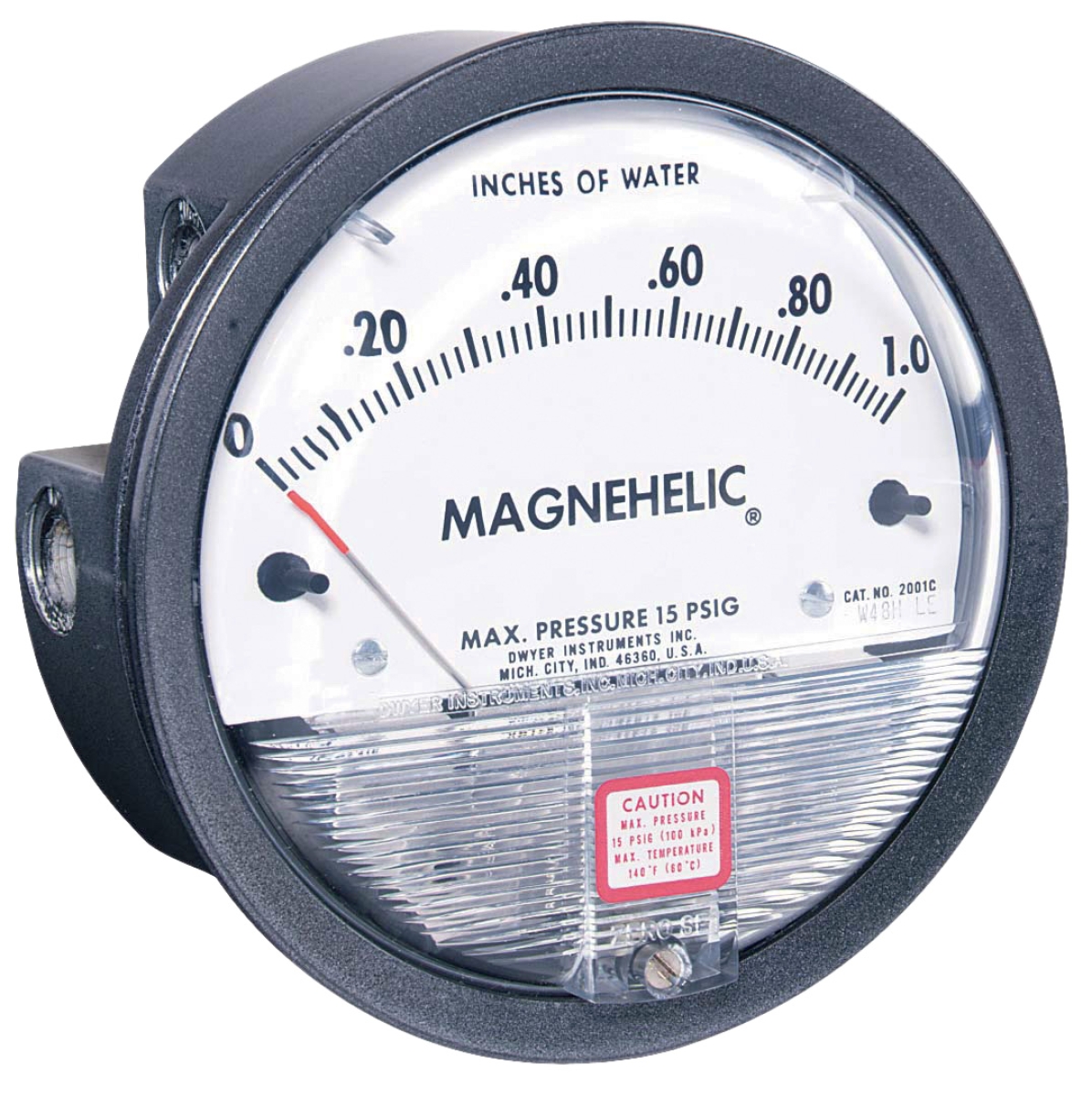
The Dwyer Magnehelic differential pressure gauge provides maintenance teams with immediate diagnostic capability across a 0–8 kPa measurement range. The 4-inch dial interface and 1/8 inch NPT connection enable installation at critical system monitoring points without major infrastructure modifications.
Differential pressure measurement reveals system health conditions that single-pressure gauges cannot detect:
- Filter clogging: Rising differential pressure across filters signals imminent bypass valve activation
- Pump cavitation: Pressure oscillations with specific frequency patterns indicate air ingestion
- Valve degradation: Abnormal pressure drops across normally regulated zones suggest valve seat wear
- Line blockage: Sudden pressure asymmetry between parallel circuits indicates partial obstruction
Strategic Gauge Placement for Maintenance Visibility
Maintenance teams should establish monitoring at five critical points:
1. Pump discharge: Baseline system pressure and pump wear indication
2. Pre-filter: Detects incoming contamination and filter life remaining
3. Post-filter: Confirms filter bypass status and circuit cleanliness
4. Spray delivery line: Pressure regulation verification and nozzle condition assessment
5. Return circulation: Identifies backpressure abnormalities indicating tank or line issues
The Dwyer gauge's -6.67–60°C operating range accommodates both ambient monitoring and direct process fluid measurement, making it suitable for equipment located in uncontrolled areas, outdoor facilities, or temperature-variable industrial zones.
Data Logging and Trend Analysis
While the Dwyer mechanical gauge provides immediate visual feedback, integration with electronic pressure transducers enables trend analysis. Maintenance teams should:
- Establish baseline pressures: Document normal operating ranges during equipment commissioning
- Set alert thresholds: Define pressure limits that trigger inspection or service actions
- Log readings: Create maintenance records linking pressure readings to system runtime hours
- Analyze trends: Pressure creep over weeks indicates developing problems; sudden spikes suggest acute failures
Multi-Sector Application Framework for Maintenance Planning
Manufacturing and Metal Processing
In Singapore's aerospace, automotive, and precision engineering sectors, maintenance teams deploy ATEX spray systems for surface preparation, coating application, and component cleaning. The combination of Pratissoli KF30 pumps and ATEX spray guns handles the transition from heavy-duty degreasing (200 bar) through fine-finish coating (80 bar) within a single integrated system.
Maintenance protocols emphasize:
- Abrasive media compatibility: Pump wear accelerates when abrasive particles bypass filtration
- Nozzle change procedures: Prevents pressure spikes that damage seals and gearbox components
- Coolant system integration: Metal processing often requires cooling fluid circulation—the KF30's 106 L/min capacity manages both spray and cooling circuits
Chemical and Process Industries
Processes involving corrosive, reactive, or toxic substances demand both safety compliance (ATEX certification) and material compatibility. Pressure gauge monitoring becomes critical for detecting early signs of corrosion-induced leakage or material incompatibility reactions.
Maintenance teams coordinate:
- Material certification reviews: Confirming pump seals, gearbox components, and spray gun materials resist process chemicals
- Environmental containment: ATEX equipment reduces ignition risk; pressure monitoring ensures no uncontrolled releases
- Regulatory documentation: Equipment certification, maintenance records, and pressure logs create compliance evidence for PSM audits
Facilities and Infrastructure Maintenance
Building maintenance, HVAC support, and general industrial cleaning represent high-volume applications of spray systems across Singapore's commercial and industrial real estate. Maintenance teams manage equipment portfolios where pressure gauges provide quick diagnostics—enabling field staff to distinguish between equipment malfunction and operator technique issues.
Priorities include:
- Training standardization: Multiple operators use shared equipment; pressure gauge readings help diagnose if performance variations stem from technique or equipment condition
- Rapid troubleshooting: Pressure readings narrow diagnostic scope, reducing downtime and service call costs
- Preventive scheduling: Predictable pressure signatures enable calendar-based maintenance rather than reactive repair
Integrating Solenoid Valve Control Systems
Gas Control and Automated System Safety
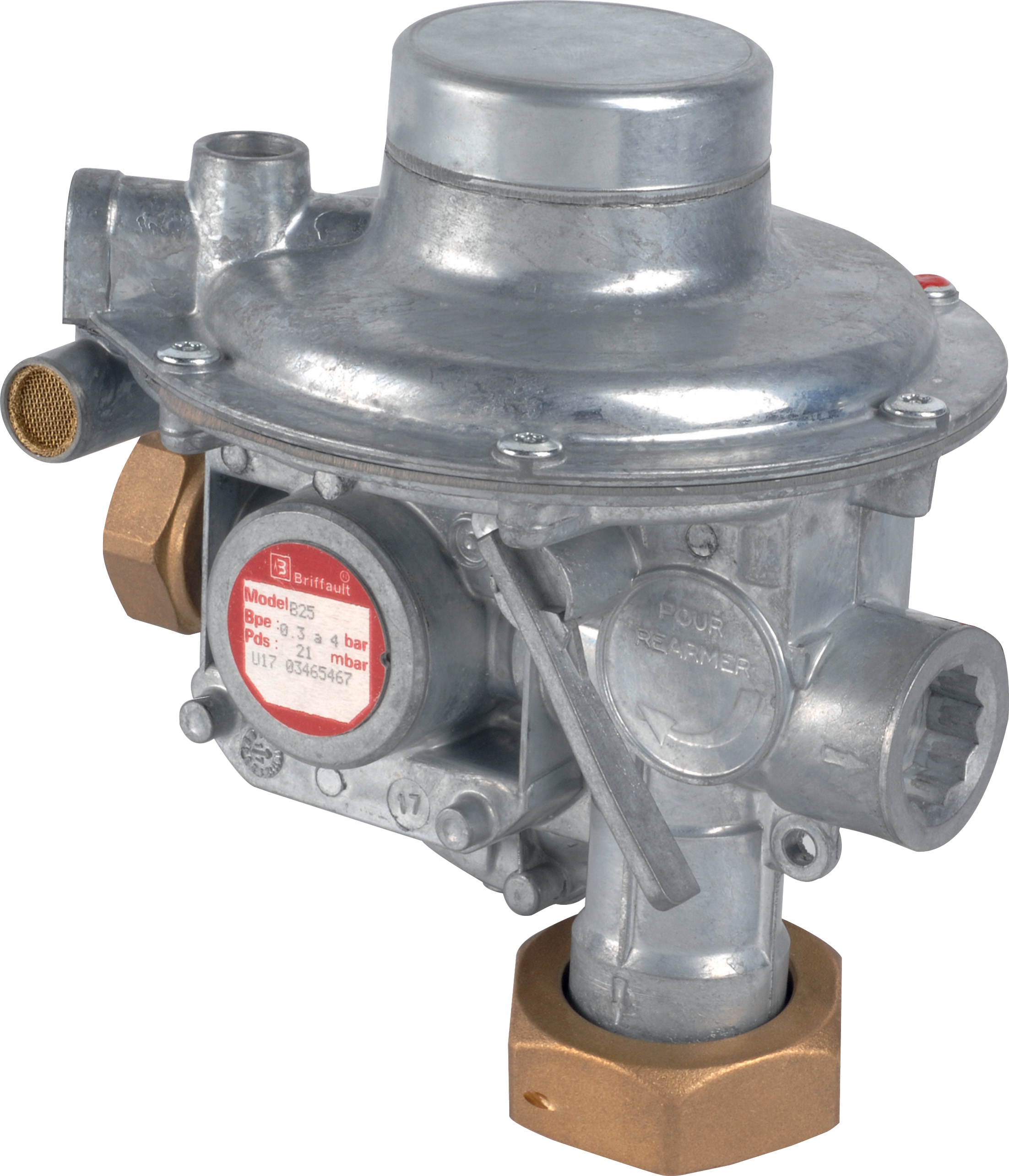
The Elektrogas solenoid valve EVRM NA 7 flanged control valve (DN65 ports, 600 Mbar rating) represents the automated safety layer in integrated spray and fluid systems. Rated for IP 54 protection and 19 W power consumption, this valve operates as a fail-safe boundary between pressure sources and application points.
Maintenance teams must understand solenoid valve functions:
- Flow isolation: Cutting pressure supply when systems sit idle prevents seal degradation and accidental discharge
- Safety interlocking: Coordinating solenoid logic prevents dangerous simultaneous conditions (e.g., spray activation during maintenance)
- Pressure relief: Venting accumulated pressure during shutdown cycles protects seals and operator safety
Solenoid Valve Maintenance and Diagnostics
Electrical verification: The 19 W power specification indicates valve coil condition. Elevated power consumption signals increased coil resistance, often preceding failure. Maintenance teams should measure coil current during normal operation and establish baseline values.
Flow rate testing: The DN65 port size accommodates substantial flow; restrictions indicate internal debris accumulation. A simple test comparing inlet and outlet pressures reveals blockage development.
Response time monitoring: Solenoid valves should switch within 100–200 milliseconds; delayed response suggests coil contamination or mechanical binding.
Practical Maintenance Team Checklist for Industry Application Success
Equipment Inventory and Documentation
- [ ] Maintain ATEX certification records with renewal dates clearly visible
- [ ] Document pump serial numbers, installation dates, and maintenance history
- [ ] Create pressure gauge calibration schedule with verification certificates
- [ ] Establish solenoid valve testing protocols and replacement cycle
- [ ] Establish pre-shift pressure gauge readings as shift log requirements
- [ ] Define pressure limit alarm conditions for different application types
- [ ] Create pressure bleed-down procedures for safe equipment shutdown
- [ ] Document nozzle selection matrix for different spray applications
- [ ] Schedule seal replacement at 2,000 hours or 12 months (whichever comes first) in tropical climates
- [ ] Perform gearbox oil analysis quarterly to detect wear progression
- [ ] Calibrate pressure gauges every 6 months against certified standards
- [ ] Test solenoid valve response times every 3 months during normal operation
- [ ] Track pressure readings to identify subtle performance trends
- [ ] Log unplanned maintenance events with pressure readings at time of failure
- [ ] Analyze downtime patterns to identify equipment stressors
- [ ] Review spray quality metrics and correlate with pump discharge pressure trends