Understanding Measurement & Detection Compliance Requirements
Measurement & Detection systems form the backbone of industrial safety and operational efficiency. For procurement engineers managing equipment across multiple regions, understanding the compliance landscape is essential. International standards such as ISO 9001, IEC 61010, and industry-specific regulations require that all measurement and detection equipment meet rigorous performance criteria.
With over 35 years of global distribution experience, 3G Electric has guided procurement teams through complex equipment selection processes where regulatory compliance directly impacts equipment approval and operational continuity. The challenge lies not merely in selecting instruments, but in ensuring they meet the specific measurement standards your jurisdiction requires while maintaining compatibility with existing systems.
The foundation of proper Measurement & Detection implementation begins with understanding what standards apply to your operations. Different industries and regions enforce different requirements. A pharmaceutical facility in Singapore faces different detection protocols than a manufacturing plant in Europe, yet both require certified, compliant instrumentation.
Selecting Compliant Gas Detection Equipment
Gas detection represents one of the most heavily regulated aspects of industrial Measurement & Detection. Workplace safety directives across EU, ASEAN, and North American jurisdictions mandate that gas detection equipment meet specific sensitivity standards and calibration requirements.
When evaluating gas detection systems, procurement engineers must consider:
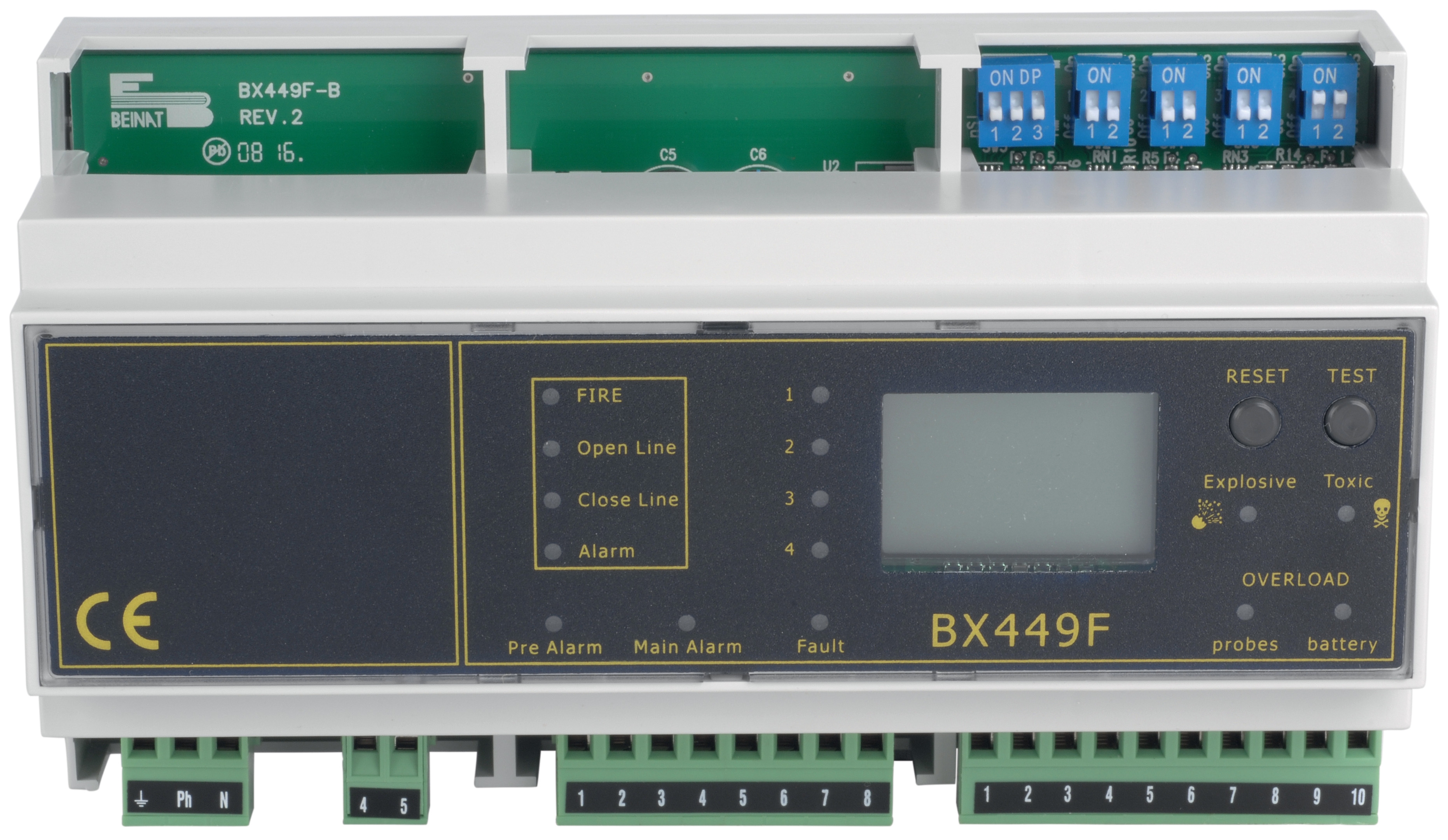
- Probe Specifications: Detection systems require multiple probes to monitor different gas types and locations. The CBM Gas detection center Din rail 8 probes - 12V provides a centralized monitoring solution suitable for facilities requiring multi-point gas detection. This centralized approach reduces wiring complexity and improves compliance documentation.
- Certification Standards: Look for equipment certified to EN 60079 (electrical equipment in explosive atmospheres), IEC 61779 (gas detection), or relevant regional equivalents. These certifications ensure your detection system meets hazardous area classifications.
- Calibration Traceability: Compliant gas detection requires documented calibration records. Ensure your equipment supplier provides calibration certificates traceable to national or international standards bodies.
- Response Times: Regulatory standards specify maximum response times for gas detection (typically 60 seconds for combustible gases). Document these specifications in your procurement requirements.
- Integration Requirements: Modern gas detection centers must integrate with existing alarm systems, emergency shutdown procedures, and automated ventilation controls. Specify these integration points early in the procurement process.
The centralized gas detection approach reduces the number of independent detection units requiring maintenance and recalibration, improving both compliance documentation and operational efficiency. When specifying gas detection systems, include detailed facility layouts showing probe placement, since detector location affects system effectiveness and regulatory acceptance.
Temperature and Pressure Measurement Standardization
Temperature and pressure measurements require equally rigorous attention to standards. Industrial facilities worldwide rely on temperature and pressure data for process control, equipment protection, and safety monitoring. The challenge for procurement engineers involves selecting instruments with appropriate accuracy classes while maintaining cost efficiency.
Temperature sensing standards require careful attention to:
- Accuracy Classifications: Thermometers and temperature sensors follow ASTM B291, IEC 61597, or equivalent standards specifying accuracy classes (Class 1, 2A, 2B, etc.). Higher accuracy classes cost more but prove essential for precision applications like pharmaceutical manufacturing or semiconductor production.
- Response Time Specifications: Different applications require different response speeds. HVAC systems might tolerate 20-second response times, while process control systems require sub-second responses. These specifications directly impact equipment selection and cost.
- Probe Materials and Configurations: The CBM Surface temperature sensor TE-SNW-E addresses specific surface measurement requirements where immersion sensors prove impractical. When standardizing temperature measurement across multiple facilities, document which applications require surface sensing versus immersion, as this affects your overall sensor strategy.
Pressure measurement standardization presents parallel complexity. Pressure gauges and transducers must meet ISO 1210 (bourdon tube gauges) and IEC 61046 (electronic pressure transducers) specifications. For procurement engineers, this means:
- Accuracy Classes: Pressure instruments are classified as 0.6%, 1.0%, 1.6%, or 2.5% accuracy. Higher accuracy instruments cost significantly more, so early determination of required accuracy for each application saves procurement expense.
- Range Selection: The CBM Green ABS pressure gauge D63 0/+1bar G1/4 and CBM ABS green gauge D50 0/+250bar G1/4 exemplify the range diversity required across industrial applications. Specify the operating pressure range as 30-75% of the instrument's maximum range for optimal accuracy and instrument life.
- Gauge Material Compatibility: ABS plastic gauges provide corrosion resistance suitable for humid or chemical environments, while glycerin-filled gauges reduce vibration-induced needle fluctuation. Document application environment when specifying pressure instruments.
- Connection Standards: Pressure gauge connection (G1/4, NPT, SAE) must match existing manifold and line fittings. Standardizing connection types across your facility reduces spare parts inventory and simplifies technician training.
Electrical Testing and Multimeter Standards
Electrical Measurement & Detection equipment must comply with IEC 61010-1 (safety requirements for electrical measuring instruments). This standard addresses shock hazards, thermal hazards, and radiation hazards presented by measurement equipment. For procurement engineers, this means specifying instruments with appropriate CAT ratings (CAT I through CAT IV) matching your facility's installation categories.
When selecting multimeters and electrical testing equipment, consider:
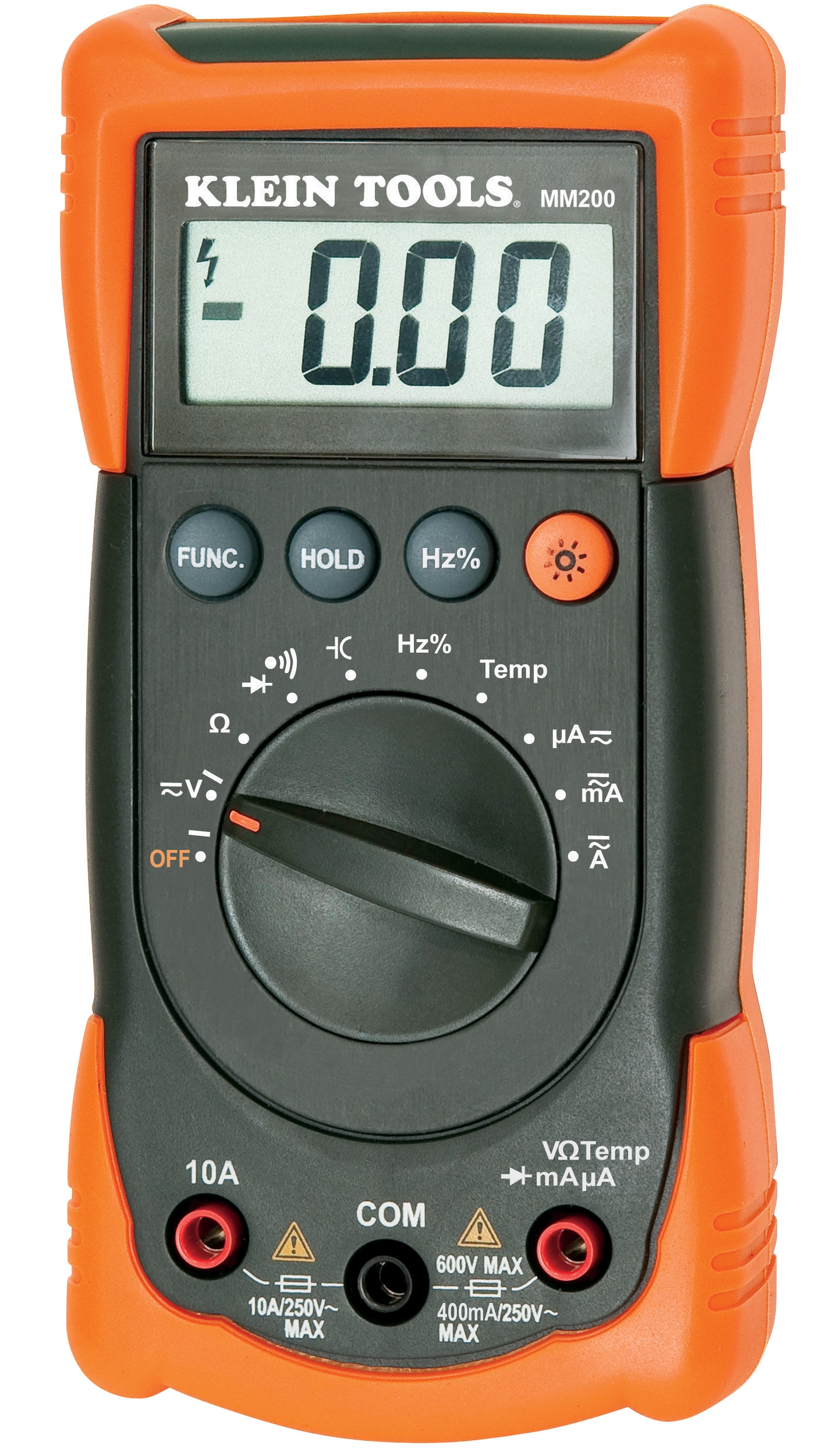
- Safety Categories (CAT Ratings): CAT IV instruments measure at the service entrance, CAT III at the branch circuit level, CAT II at outlets and plugs. Specifying incorrect CAT ratings creates safety liabilities. The CBM Automatic multimeter MM420 should carry appropriate CAT certification for your facility's typical measurement locations.
- Resolution and Accuracy: Automated multimeters provide repeatable measurements superior to manual instruments, improving data quality for condition monitoring programs. Specify resolution (typically 0.1% to 0.01%) and accuracy based on the critical measurements in your operations.
- Function Range: Modern multimeters measure voltage (AC/DC), current (AC/DC), resistance, continuity, and often frequency or temperature. Define which functions your technicians actually require; excess functions increase cost without value.
- Data Logging and Integration: Automated multimeters with data storage or communication interfaces (USB, Bluetooth, Ethernet) enable trending and reduce manual transcription errors. For predictive maintenance programs, this capability justifies premium pricing.
Global Implementation Strategy for Procurement Engineers
Implementing standardized Measurement & Detection across global operations requires systematic approach:
Establish Regional Compliance Framework
Document applicable standards for each region where you operate. European facilities answer to different regulatory bodies than Southeast Asian or North American operations. Create a compliance matrix identifying applicable standards, certification requirements, and calibration intervals for each region.
Develop Equipment Specifications Library
Create standardized specifications for common measurement applications: gas detection probe specifications, temperature sensor specifications, pressure gauge specifications. This library accelerates future procurements and ensures consistency across facilities.
Define Calibration and Maintenance Protocols
Certified measurement equipment requires documented calibration per NIST standards or equivalent. Establish whether internal or external calibration better serves your operations, and ensure your supplier contracts include calibration support. 3G Electric's 35+ years supporting global operations provides expertise in developing maintenance protocols that satisfy both operational and regulatory requirements.
Plan Spare Parts and Consumables Strategy
Measurement equipment requires periodic recalibration, replacement probes, and replacement components. Procurement engineers should negotiate supply agreements ensuring critical measurement equipment components maintain 24-hour availability, preventing downtime during emergency conditions.
Training and Documentation Requirements
Proper Measurement & Detection equipment operation requires technician training. When procuring new equipment, budget for training courses, technical documentation translation, and safety procedure updates. This reduces operator error and improves measurement accuracy across your operations.
Building Long-Term Supplier Relationships
Measurement & Detection equipment spans the entire equipment lifecycle. Early supplier relationships during equipment selection phase should continue through installation, calibration, and long-term maintenance. Suppliers with extensive experience—particularly those with 35+ years supporting global industrial operations like 3G Electric—understand how to structure agreements supporting compliance, minimize downtime, and optimize total cost of ownership.
When evaluating suppliers for Measurement & Detection equipment, assess their:
- Regulatory Expertise: Do they understand compliance requirements in your operating regions?
- Technical Support: Can they provide engineering guidance on system integration and specification development?
- Calibration Services: Do they offer in-house calibration or coordinate external services maintaining audit trail documentation?
- Stock Management: Can they maintain strategic inventory preventing obsolescence while ensuring availability?
- Documentation: Do they provide certificates of conformance, traceability documentation, and compliance verification?
Procurement engineers who invest time selecting capable suppliers and developing comprehensive measurement standards reduce operational risk, improve equipment availability, and streamline regulatory audits. The initial effort developing these processes pays dividends across the equipment's operational lifetime.