Introduction: The Role of Measurement & Detection in Preventive Maintenance
Measurement & Detection forms the foundation of any successful preventive maintenance program. For over 35 years, 3G Electric has supported global maintenance teams with industrial equipment and expertise that transforms raw data into actionable maintenance decisions. Rather than waiting for equipment failures, modern maintenance teams use continuous measurement & detection to identify degradation patterns, predict failures, and optimize replacement schedules.
The difference between reactive and preventive maintenance often comes down to having the right measurement & detection tools and knowing how to interpret their readings. Temperature fluctuations, pressure variations, and electrical anomalies all provide early warning signs that skilled maintenance teams can act upon. This guide addresses the practical challenges maintenance teams face when implementing robust measurement & detection systems across diverse industrial environments.
Section 1: Temperature Measurement & Detection Strategy
Understanding Temperature as a Diagnostic Indicator
Temperature is one of the most reliable indicators of equipment health. Abnormal temperature readings signal bearing degradation, fluid contamination, circulation problems, or electrical issues. For maintenance teams, establishing baseline temperature readings under normal operating conditions is the critical first step in any measurement & detection program.
Thermometer selection depends on several factors: the temperature range required, immersion depth, response time, and whether the reading location allows for direct contact or requires a thermowell for protection. Industrial environments demand instruments that withstand vibration, corrosion, and temperature cycling while maintaining accuracy.
Axial and Immersion Thermometer Applications
For quick diagnostics in confined spaces or smaller diameter installations, the CBM Axial thermometer D65 -40/+40°C L5cm with thermowell provides accurate spot readings with minimal installation intrusion. The compact axial design fits applications where radial thermometers cannot. With thermowell protection, this instrument survives harsh industrial conditions while maintaining measurement accuracy across a 80°C range.
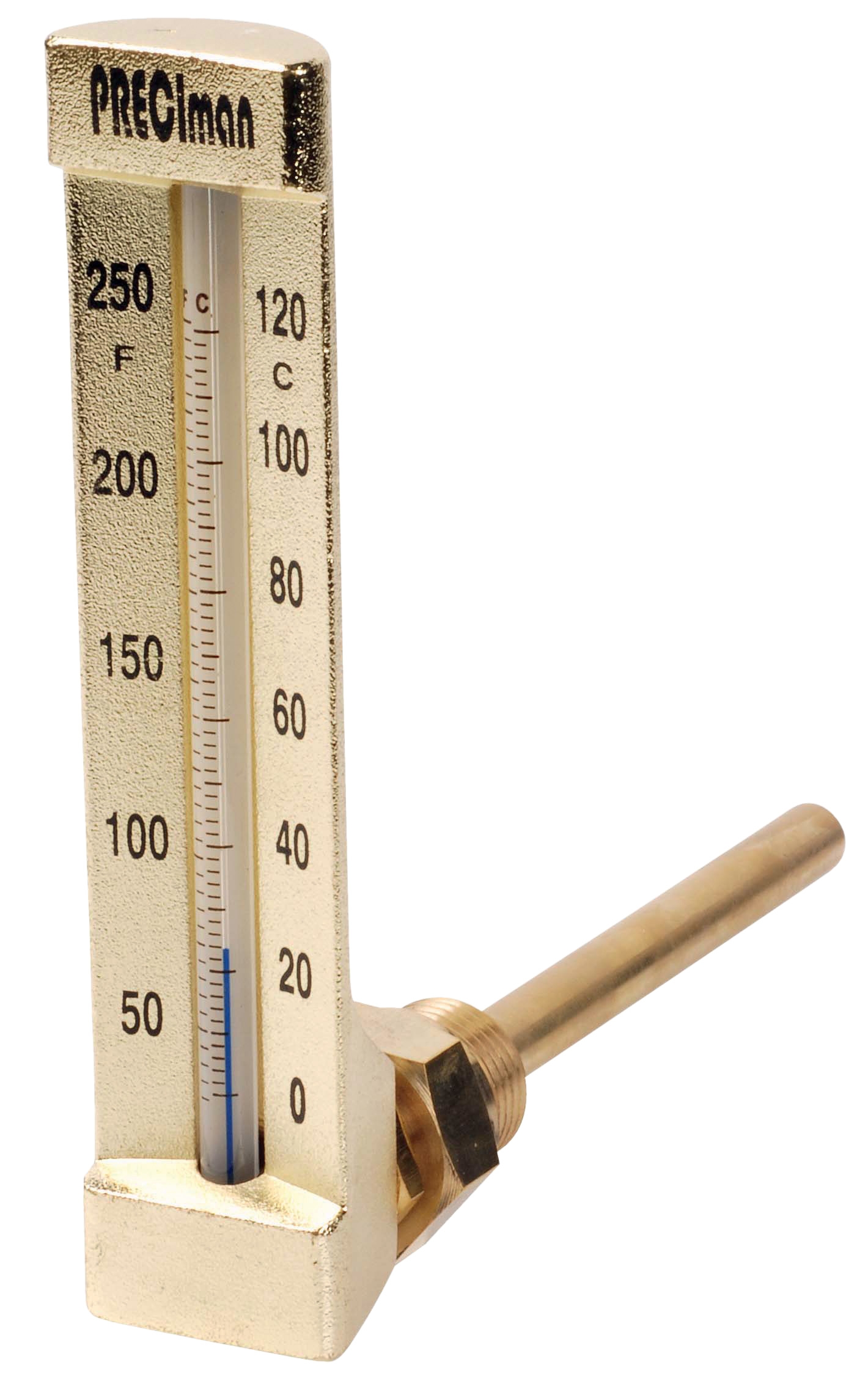
For larger systems requiring deeper immersion and broader temperature ranges, the CBM Industrial thermometer 0/+50°C immersion 63 right angle height 150 delivers industrial-grade reliability. The right-angle configuration accommodates tight spaces while the 150mm height ensures proper immersion in larger diameter pipes or tanks. Maintenance teams conducting system commissioning or troubleshooting often need multiple thermometer styles to address different installation geometries.
Vertical Mounting and System Monitoring
Vertical thermometer installations suit open tanks, expansion vessels, and large-diameter horizontal piping. The CBM Green vertical thermometer D80 -30/+50°C L 10cm with thermowell offers higher visibility with its larger D80 dial face, making readings easier for routine monitoring rounds. The extended 10cm immersion length reaches mid-fluid depth in typical expansion tanks and accumulator vessels, where temperature stratification can occur. The thermowell design allows in-service replacement without system drainage—a significant advantage for maintenance teams managing systems that cannot tolerate downtime.
Maintenance teams should establish monthly temperature monitoring schedules for critical systems. Document baseline readings under normal load conditions, then compare subsequent readings to identify trends. A 5-10°C increase in system temperature often precedes component failure by weeks or months, providing valuable reaction time.
Section 2: Pressure Measurement & Detection and System Integrity
Pressure as a Predictive Indicator
While temperature indicates what is happening, pressure measurements reveal why it is happening. Abnormal pressure readings in heating, cooling, or pressurized systems signal circulation problems, component degradation, or control system failures. Pressure measurement & detection requires understanding normal operating ranges for each specific system type.
Expansion tank precharge pressure directly affects system longevity. Under-pressurized tanks allow excessive water absorption into the bladder, reducing effectiveness and causing premature failure. Over-pressurized tanks create excessive stress on pipes and fittings. Maintaining proper precharge pressure is one of the highest-return maintenance tasks, yet many facilities overlook it.
Expansion Tank Pressurization and Monitoring
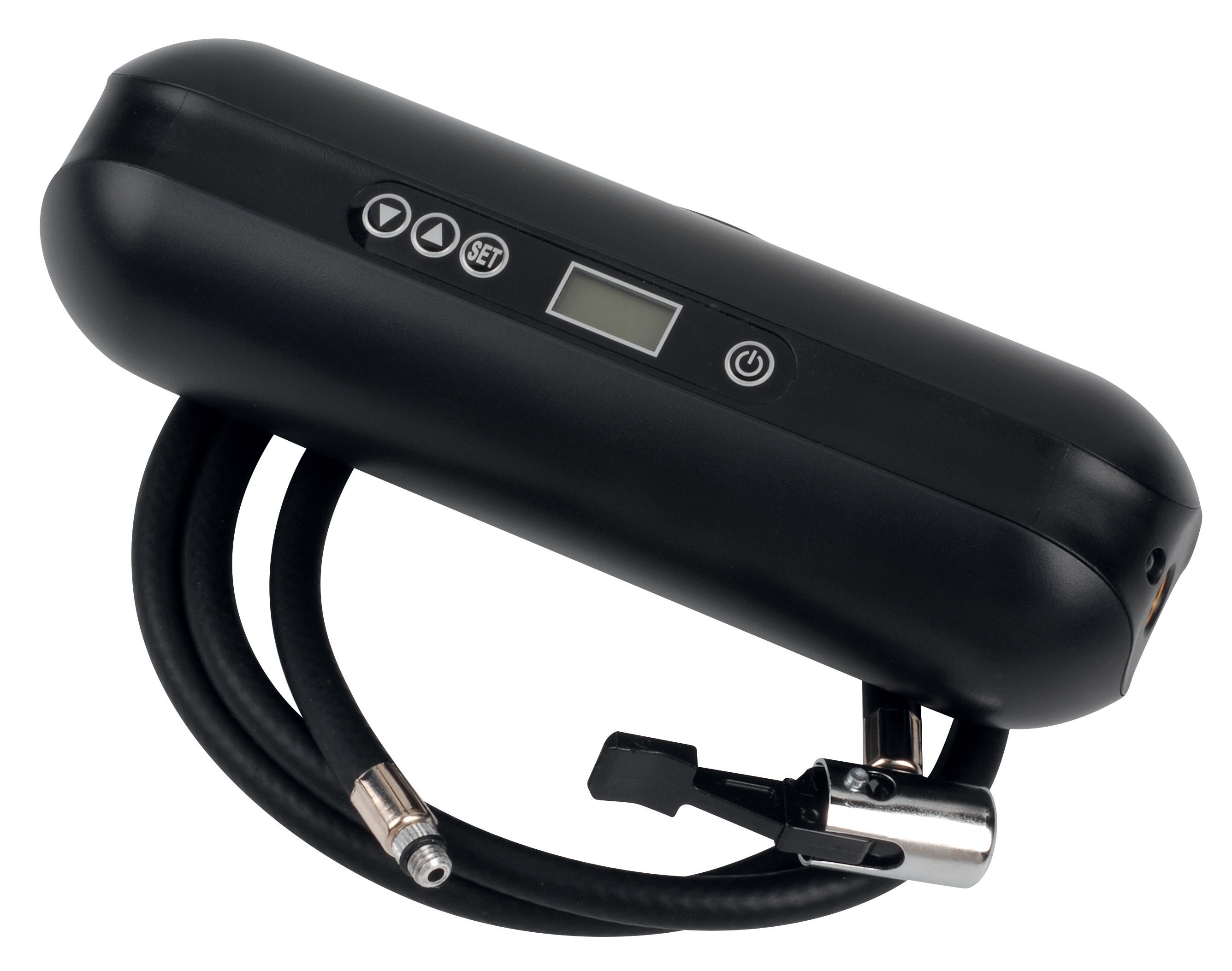
The CBM Expansion tank inflator battery 2000 mAH enables maintenance teams to quickly verify and adjust expansion tank precharge pressure without removing the tank from the system. This cordless inflator incorporates a pressure gauge, allowing technicians to confirm exact precharge values before disconnecting. Proper precharge extends tank life by 2-3 years and improves system efficiency by 3-5% through better pressure stability.
Measurement & Detection protocols should include quarterly expansion tank pressure verification on all closed-loop systems. Record baseline precharge pressure at system commissioning, then verify this pressure annually when the system is cool and at rest. A declining precharge pressure trend indicates bladder degradation—predictive data that justifies tank replacement before catastrophic failure occurs.
Integrating Pressure Data into Maintenance Decisions
Maintenance teams managing multiple systems benefit from recording pressure readings in the same log as temperature data. Simultaneous temperature and pressure changes often reveal specific failure modes. For example:
- Temperature rising + pressure stable = possible circulation obstruction or fouled heat exchanger
- Temperature stable + pressure rising = possible sensor malfunction or control valve sticking
- Both rising = possible scale buildup, degraded pump, or thermal expansion beyond tank capacity
This analytical approach converts routine measurements into diagnostic intelligence.
Section 3: Electrical Measurement & Detection for Equipment Diagnostics
Multimeter-Based Condition Monitoring
Electrical measurement & detection extends predictive maintenance beyond thermal and hydraulic systems. Motor windings, control circuits, and sensor inputs all provide electrical signatures that reveal degradation before visible failure occurs. For maintenance teams lacking sophisticated condition monitoring equipment, a quality multimeter offers surprising diagnostic capability.
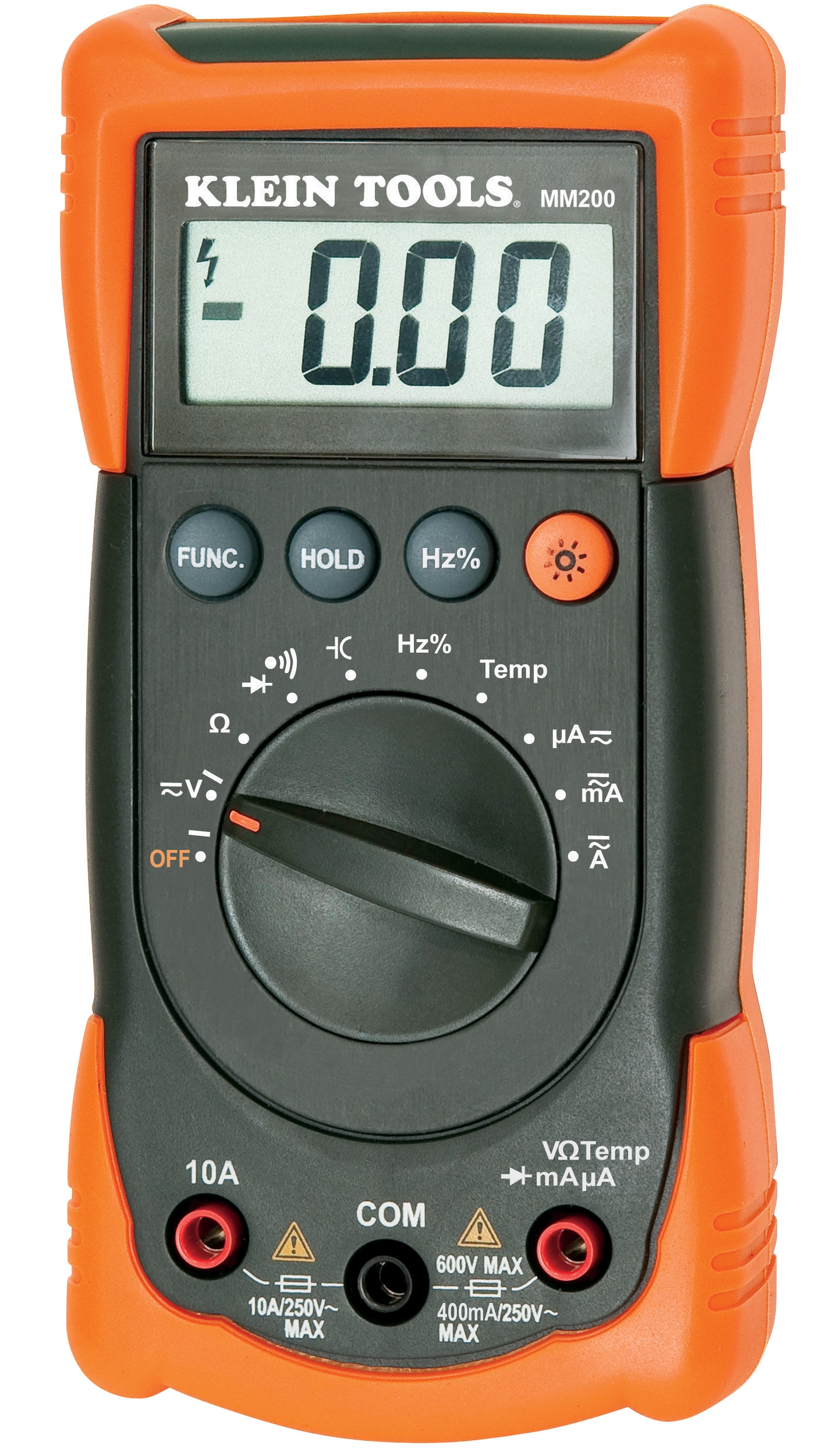
The CBM Automatic multimeter MM420 simplifies electrical troubleshooting with automatic range selection and true RMS measurement. Automatic ranging allows technicians to quickly check multiple parameters without switching modes manually—critical when working in high-vibration industrial environments where distraction increases error risk.
Preventive Electrical Testing Protocol
A practical electrical measurement & detection program includes:
Motor Insulation Resistance Testing: Quarterly megohm testing of motor windings identifies moisture intrusion or insulation degradation months before bearing failure or winding failure occurs. A declining trend from 5 megohms to 2 megohms indicates moisture or contamination requiring corrective action.
Control Circuit Voltage Verification: Fluctuating supply voltage (beyond ±10% of nameplate) accelerates component aging. Monthly voltage checks at control inputs reveal transformer problems, utility supply issues, or internal power supply degradation.
Sensor Output Validation: Temperature and pressure sensors develop drift over time. Cross-checking sensor output against spot measurements using calibrated instruments reveals when sensor replacement is needed. A sensor reading 5°C higher than actual temperature creates false alarms and masks real problems.
Bearing Temperature Correlation: In large motor applications, correlate infrared thermometer readings on bearing housings against electrical signature analysis (ESA) data if available. Temperature rise combined with increasing current draw suggests bearing degradation requiring lubrication or replacement planning.
Maintenance teams using the MM420's true RMS capability gain accuracy when testing variable-frequency drive (VFD) outputs, where non-sinusoidal waveforms fool conventional averaging multimeters.
Section 4: Implementing Integrated Measurement & Detection Programs
Data Management and Trend Analysis
Accurate measurement & detection only creates value when data becomes actionable information. Maintenance teams should establish simple spreadsheet logs (or implement computerized CMMS systems) recording:
- Date and time of measurement
- Equipment ID and location
- Specific measurements (temperatures at multiple points, pressures, voltages)
- Ambient conditions affecting readings
- Technician name and observations
After collecting 3-6 months of baseline data, maintenance teams can identify normal operating ranges. Any subsequent reading outside ±5% of baseline warrants investigation. Readings outside ±10% should trigger corrective action planning.
Training and Standardization
Measurement & Detection effectiveness depends on consistent execution. Establish written procedures specifying:
- Which instruments to use for each measurement type
- Measurement locations and techniques (ensuring repeatable results)
- Acceptable reading ranges for each system
- Documentation requirements and reporting timelines
- Escalation criteria (when to notify operations management)
With over 35 years serving global industrial operations, 3G Electric recognizes that measurement & detection program success requires training all maintenance staff on both instrumentation and interpretation. Rotating responsibility for specific measurements among team members builds redundancy while distributing knowledge.
Instrument Maintenance and Calibration
Measurement & Detection instruments themselves require care to maintain accuracy. Thermometers should be protected from mechanical damage during storage and use. Multimeters require annual calibration verification against known standards. Thermowells require periodic cleaning to ensure thermal contact with process fluid.
Many facilities overlook this critical detail: inaccurate measurement & detection instruments create false confidence in data quality. A thermometer reading 3°C high causes maintenance teams to miss degradation signals until sudden failure occurs. Establish annual calibration protocols for all measurement instruments, whether verified internally or by certified external labs.
Conclusion: Measurement & Detection as Competitive Advantage
Facilities implementing systematic measurement & Detection programs consistently outperform reactive maintenance cultures. Equipment lasts longer, unexpected failures decline, and maintenance teams develop predictive capability rather than continuously fighting fires.
The instruments discussed—thermometers, pressure gauges, expansion tank inflators, and multimeters—represent affordable, proven technology available through 3G Electric. Combined with disciplined measurement protocols and systematic data analysis, these tools transform maintenance from cost center to competitive advantage.
Begin with your most critical systems: expansion tanks, circulating pumps, and large motors. Establish baseline measurements, train your team on consistent measurement techniques, and commit to monthly documentation. Within 6 months, your maintenance team will be making equipment decisions based on data rather than intuition, extending asset life while reducing operational risk.