Understanding Multi-Point Measurement & Detection in Flow Systems
Measurement & Detection in modern HVAC and pneumatic systems increasingly relies on multi-point sensing architectures rather than single-point instruments. For procurement engineers evaluating equipment for new installations or system upgrades, understanding the technical foundations of distributed measurement networks is essential for ensuring accurate commissioning and ongoing operational reliability.
Multi-point flow probes measure static and total pressure at multiple intervals along a single sensing element, providing representative averaging across non-uniform velocity profiles in ductwork. Unlike traditional Pitot tubes that sample at a single location, averaging probes distribute measurement points across 16 cm to over 100 cm probe lengths, capturing velocity variations caused by duct geometry, bends, and diffusers.
Singapore's tropical climate and demanding industrial duty cycles—particularly in data centers, manufacturing facilities, and commercial HVAC systems—necessitate measurement systems that perform reliably across temperature extremes and high-humidity environments. The Dwyer MAFS-16 metal average flow probe and Dwyer MAFS-40 flow rate metal probe exemplify this capability, with their distributed pressure tap architecture eliminating the need for multiple single-point sensors.
With over 35 years of industrial equipment distribution experience, 3G Electric has supported procurement teams across Southeast Asia in selecting measurement & detection systems that balance accuracy specifications with installation practicality and lifecycle cost management.
Technical Specifications and Sensor Selection Criteria
When specifying multi-point flow measurement systems, procurement engineers must align probe geometry, accuracy tolerance, and connection points with the actual ductwork characteristics and performance requirements.
Probe Length and Measurement Coverage
The MAFS-16 probe provides 16 cm of measurement coverage, suitable for smaller diameter ducts (typically 30–60 cm), commercial HVAC applications, and retrofit installations where space constraints exist. The MAFS-40 probe, with its 101.6 cm length, addresses larger industrial ductwork and furnace plenum applications where velocity profiles span greater distances.
Probe length selection directly impacts measurement accuracy. A 16 cm probe in a 150 cm wide duct samples only a fraction of the velocity profile, while a 101.6 cm probe in the same application captures substantially more representative data. Procurement specifications must include duct dimensions, flow velocity ranges, and downstream obstruction distances to ensure appropriate probe selection.
Pressure Tap Density and Averaging Algorithm
Both Dwyer averaging probes feature uniformly distributed pressure taps along their length. The number and spacing of these taps determine the resolution of the velocity profile measurement. Metal construction provides durability in high-turbulence and contamination-prone environments compared to plastic or tube alternatives.
The probes connect to electronic flow transmitters via dual pressure lines (static and total). The transmitter calculates average velocity using the relationship between dynamic pressure (total − static) and air density, applying standard ISO 3966 or ASHRAE 111 methodology depending on system requirements.
Complementary Temperature and Pressure Instrumentation
Flow calculations require simultaneous temperature and barometric pressure measurement for accurate density compensation. The Dwyer Probe AVG PT100 OHM RTD provides ±0.6% accuracy at 0°C with flexible copper capillary construction, enabling mounting near the flow probe location. Its -35.5 to +115.5°C range accommodates both tropical ambient conditions and equipment startup transients.
For systems requiring independent low-pressure verification and visual diagnostics, the Preciman stainless steel vertical pressure gauge 0/+40 mbar offers ±1.6% accuracy with 63 mm dial visibility. Stainless steel construction resists corrosion in Singapore's marine-influenced humidity, essential for rooftop installations and exposed ductwork in industrial facilities.
Integration Strategies and Commissioning Workflows
Successful multi-point flow measurement & detection deployments require disciplined integration planning and validation protocols.
Installation Geometry and Straight Run Requirements
Flow probe accuracy depends on velocity profile stabilization upstream of the measurement location. ASHRAE standards recommend minimum 2.5 duct-diameters of straight ductwork before the probe and 2 diameters downstream. Procurement specifications must mandate site surveys confirming these geometric requirements before equipment procurement, preventing costly rework or sensor relocation.
Probe mounting brackets must secure the sensing element perpendicular to flow with minimal vibration transmission. Both Dwyer probes include flange and connection fittings suitable for rigid duct mounting; procurement documents should specify wind load ratings and thermal cycling performance for exposed installations.
Dual-Channel Pressure Transmission and Signal Conditioning
Multi-point probes generate two analog signals (static and total pressure) that route through pressure transmitters to building automation systems or dedicated data loggers. Typical signal conditioning employs 0-10 VDC or 4-20 mA outputs with sensor ranges selected to match expected dynamic pressure values.
For example, a low-velocity HVAC system (3–5 m/s) produces 5–20 Pa dynamic pressure, requiring transmitters with 0-25 Pa ranges for adequate resolution. Procurement specifications must coordinate probe selection with transmitter specs to avoid either saturation (undersized range) or poor sensitivity (oversized range).
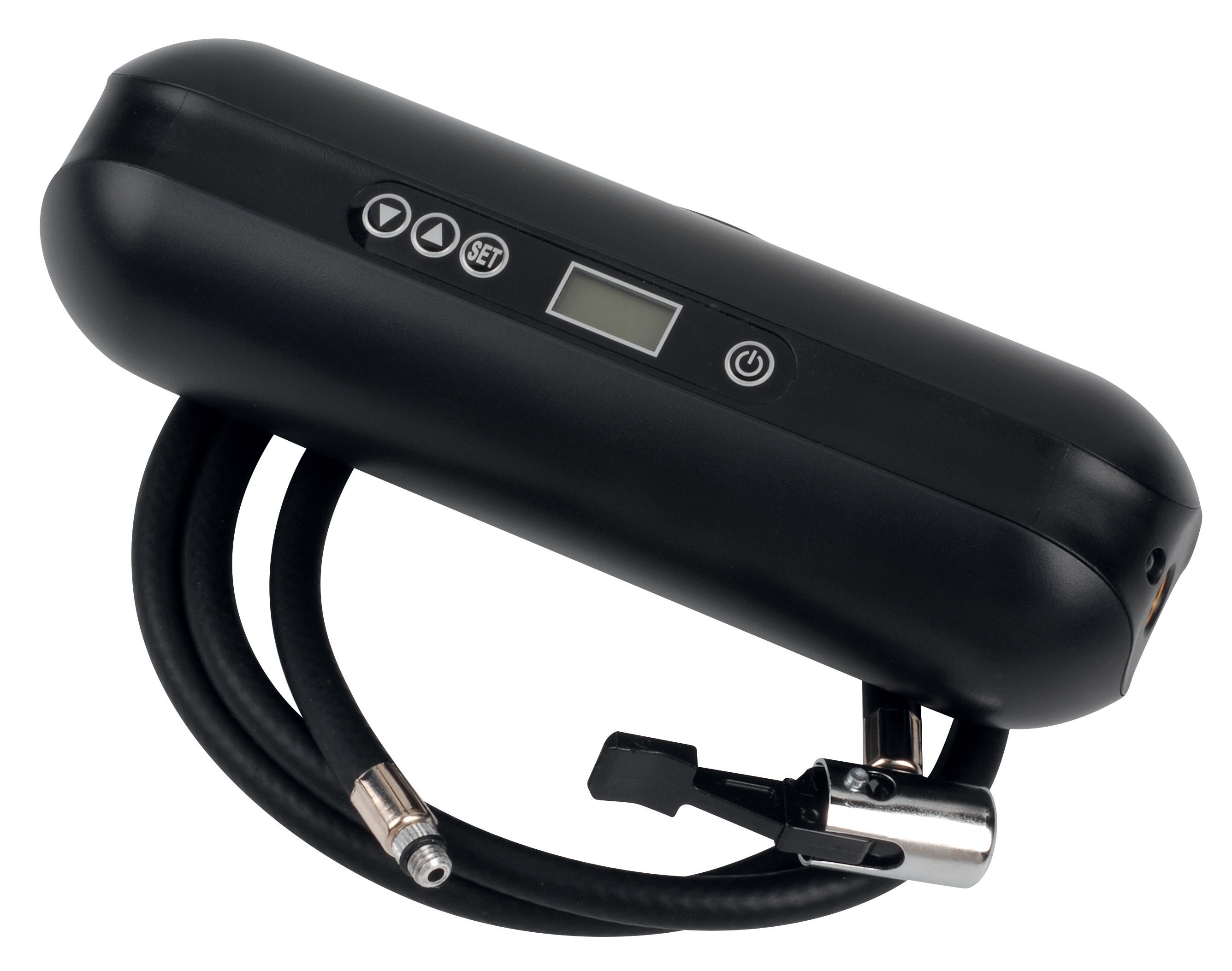
The CBM expansion tank inflator 2000 mAH battery illustrates a complementary measurement & detection tool: expansion tank systems maintain system pressure stability in closed HVAC circuits, with battery-powered inflators enabling field commissioning and emergency pressure adjustments without portable compressors.
Validation and Comparative Measurement
Commissioning best practices include comparative testing with secondary instruments—typically single-point Pitot tube measurements at multiple locations—to validate multi-point averaging probe accuracy. Procurement teams should budget for calibrated reference instruments and qualified technician time during system handover.
Temperature compensation verification using the PT100 RTD probe confirms that flow calculations correctly adjust for ambient and duct air temperature variations. Singapore's 25–32°C year-round temperatures minimize daily thermal drift, but equipment startup transients (45–55°C) remain significant for accuracy assurance.
Procurement Considerations for Singapore Industrial Markets
Beyond technical specifications, procurement engineers must address supply chain, compliance, and lifecycle support factors specific to Southeast Asian industrial operations.
Material Selection for Tropical Environments
Stainless steel and corrosion-resistant metallurgy become critical selection criteria in Singapore's high-humidity coastal environment. The Preciman gauge with stainless steel construction and metal probe construction of the Dwyer MAFS series outperform painted or plastic alternatives over 5–10 year operational lifespans. Procurement cost comparisons should include expected maintenance cycles and replacement intervals, not just initial purchase price.
Spare Parts Availability and Technical Support
With 35 years of distribution experience across Southeast Asia, 3G Electric maintains integrated supply chains for Dwyer, Preciman, and CBM products. Procurement specifications should identify local inventory availability for critical sensing elements (PT100 probes, pressure transmitter cartridges, connection fittings) to minimize downtime during maintenance cycles.
Regulatory Compliance and Performance Certification
Singapore's building codes and industrial safety standards reference international measurement methodologies (ASHRAE 111, ISO 3966). Equipment must carry appropriate calibration certifications and material certifications (e.g., NSF for potable water systems, CE/UL for electrical components). Procurement documents should explicitly require supplier documentation confirming compliance status.
Training and Knowledge Transfer
Commissioning complex multi-point measurement systems requires maintenance team training on probe installation, transmitter configuration, and diagnostic interpretation. Procurement budgets should include vendor-led training sessions and documentation packages (installation guides, calibration certificates, system schematics) supporting long-term operational competence.
Summary: Aligning Specification with Performance Outcomes
Multi-point measurement & detection systems represent a significant procurement investment, typically representing 15–25% of HVAC commissioning budgets for medium to large installations. Successful outcomes depend on procurement engineers systematically evaluating probe geometry, accuracy specifications, material durability, and integration complexity against actual facility requirements and site constraints.
By leveraging standardized selection methodologies, comparative validation protocols, and access to established regional suppliers like 3G Electric, procurement teams can specify systems delivering reliable performance across Singapore's demanding industrial and commercial environments for 10+ year operational lifespans.