Complete Guide to Measurement & Detection Instruments for Global Industrial Maintenance Operations
Measurement and detection equipment forms the backbone of effective industrial maintenance operations. Whether you're managing HVAC systems, electrical installations, or pneumatic machinery, accurate measurement and detection capabilities directly impact equipment reliability, safety compliance, and operational efficiency. At 3G Electric, an experienced global industrial equipment distributor with over 35 years of experience, we've helped thousands of maintenance teams worldwide select and deploy the right measurement and detection solutions for their specific operational challenges.
This comprehensive guide addresses the practical needs of maintenance professionals responsible for monitoring, diagnosing, and maintaining industrial systems across diverse applications and geographic markets. We'll explore how to evaluate measurement and detection requirements, select appropriate instruments, implement proper procedures, and maintain measurement accuracy throughout the equipment lifecycle.
Understanding Measurement & Detection Requirements in Industrial Environments
Industrial maintenance teams operate in complex environments where precise measurement and detection capabilities determine the difference between predictive maintenance success and costly equipment failures. Measurement and detection serves three critical functions in industrial operations: real-time system monitoring, diagnostic troubleshooting, and compliance documentation.
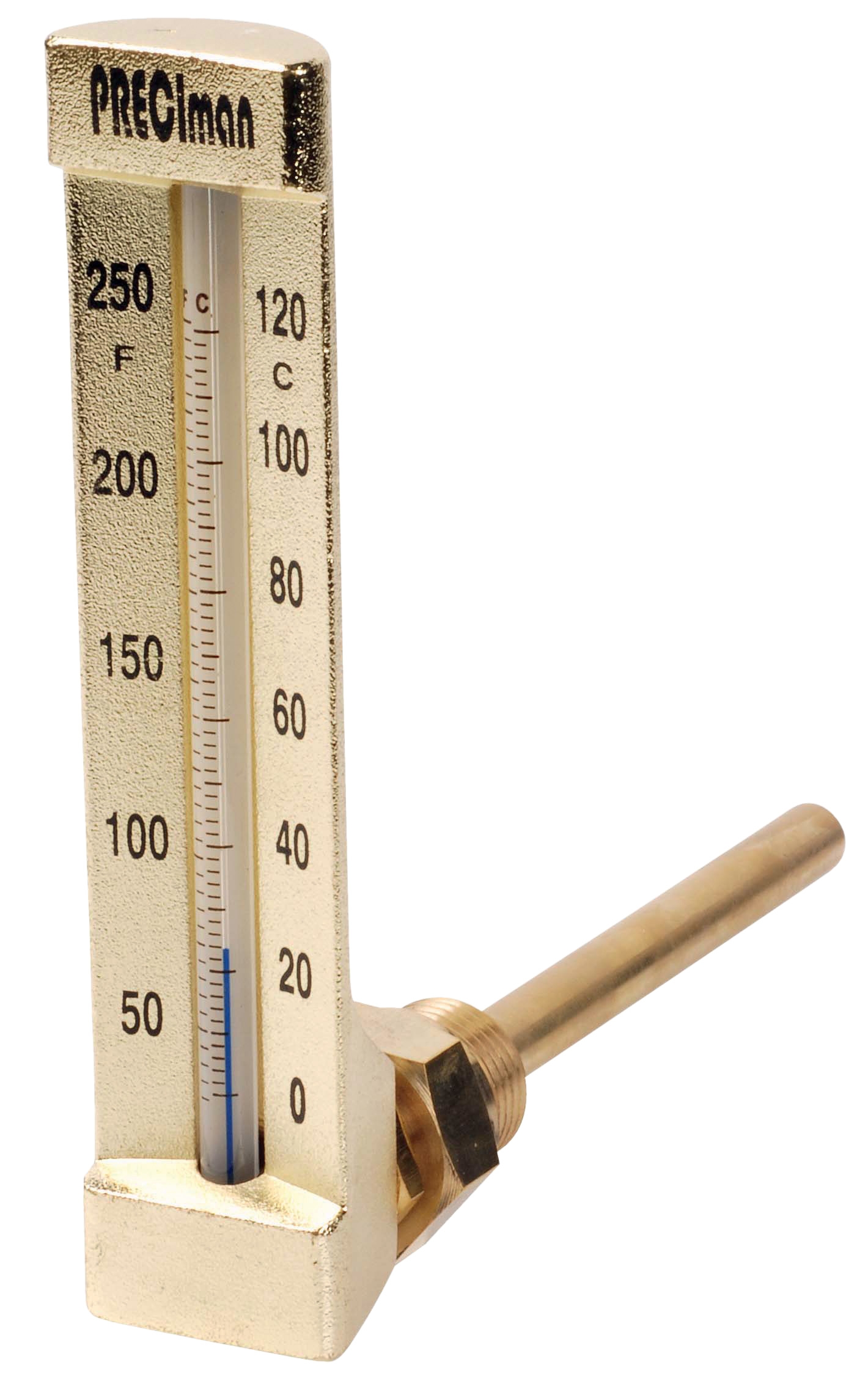
Temperature measurement stands as one of the most frequently required detection parameters across industrial sectors. HVAC systems, thermal processing equipment, refrigeration installations, and industrial ovens all demand accurate temperature monitoring at specific points. The challenge for maintenance teams lies in selecting thermometer types that match installation geometry, accuracy requirements, and response time specifications.
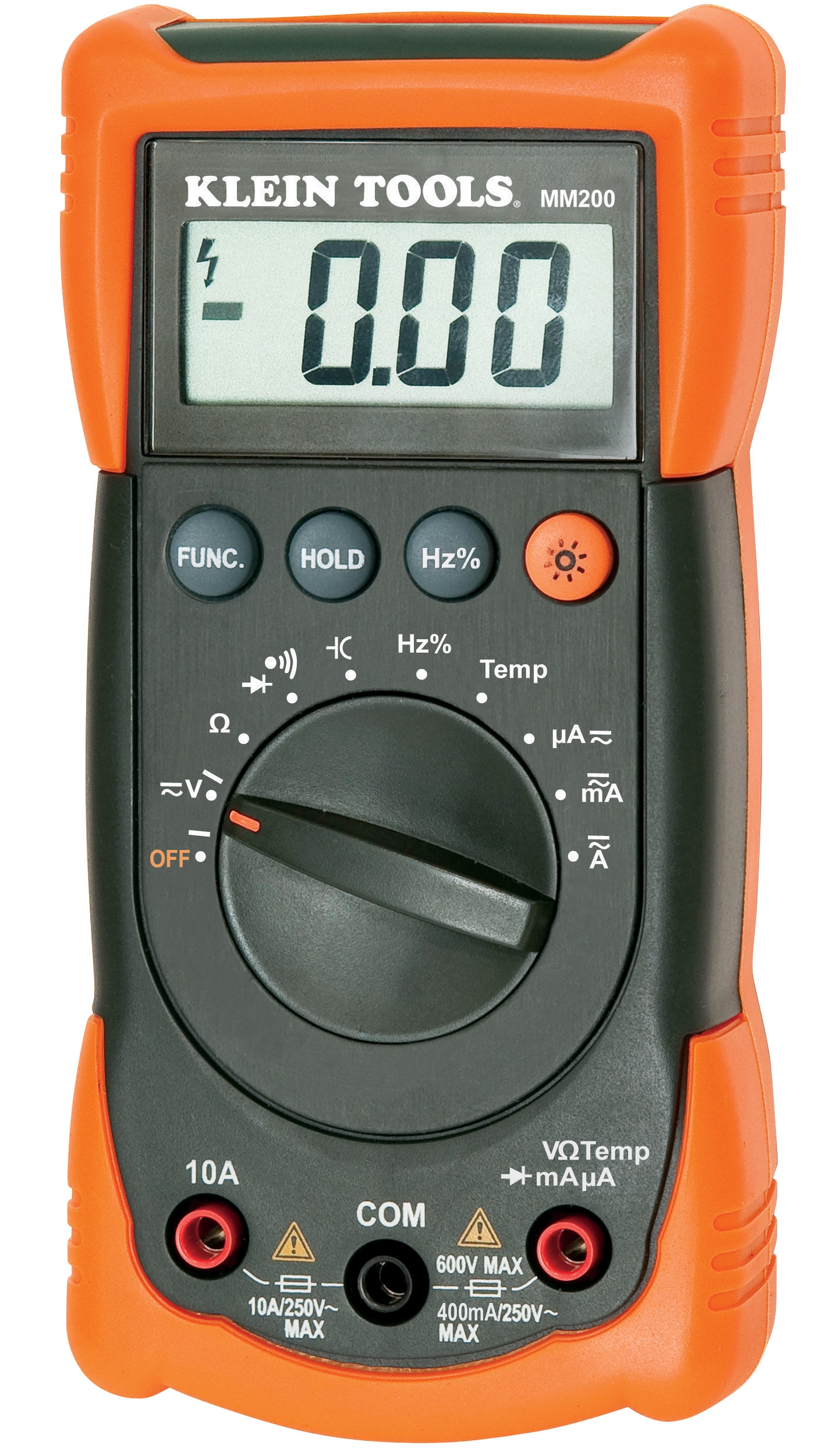
Electrical measurement and detection capabilities enable maintenance technicians to diagnose power quality issues, identify circuit faults, and validate equipment functionality before returning systems to service. Multimeter instruments that combine voltage, resistance, and current measurement in portable formats represent essential diagnostic tools for any maintenance operation. Modern automatic multimeters incorporate features that simplify measurement workflows and reduce human error in critical diagnostics.
Pressure measurement and detection systems protect industrial equipment while providing operational insights into system performance. Expansion tanks in pressurized systems require precise pressure maintenance, necessitating specialized detection and inflation equipment. Proper pressure management prevents equipment damage, extends service life, and ensures safety compliance across heating systems, cooling installations, and pressurized fluid applications.
Selecting the Right Measurement & Detection Instruments for Your Application
Successful measurement and detection implementation begins with precise requirement definition. Maintenance teams should evaluate five critical factors when selecting measurement instruments: accuracy specifications, installation constraints, operational environment, durability requirements, and calibration capabilities.
Temperature Measurement Selection Criteria
Temperature measurement instruments vary significantly in design, accuracy, and application suitability. Axial thermometers like the CBM Axial thermometer D65 -40/+40°C L5cm with thermowell provide compact temperature detection for space-constrained installations. These instruments feature a narrow diameter sensing element, making them ideal for tight equipment cavities, narrow piping installations, and equipment where standard thermometer clearances cannot be accommodated. The integrated thermowell protects the sensing element from process fluid contact, extending instrument service life and preventing contamination of sensitive measurement points.
Vertical thermometer configurations suit applications requiring side-mounted installation on equipment bodies or system piping. The CBM Green vertical thermometer D80 -30/+50°C L 10cm with thermowell delivers larger dial visibility for quick visual confirmation of temperature status during operational rounds. The 10cm immersion length accommodates deeper tank or vessel installations while the integrated thermowell ensures repeatable measurement accuracy regardless of mounting surface conditions. Green-colored instrument faces provide enhanced visibility in industrial environments where temperature indication must be quickly confirmed amid competing visual stimuli.
Industrial immersion thermometers address applications requiring direct process fluid temperature measurement with robust mechanical construction. The CBM Industrial thermometer 0/+50°C immersion 63 right angle height 150 features right-angle mounting configuration that suits equipment where vertical thermometer installation conflicts with surrounding equipment or piping. The 63mm diameter dial provides excellent readability, while the 150mm height accommodates standard mounting brackets and installation hardware common in industrial systems worldwide.
Electrical Measurement & Detection Instrument Selection
Electrical measurement capabilities enable maintenance teams to diagnose power quality issues, validate circuit integrity, and measure operational parameters across electrical systems. The CBM Automatic multimeter MM420 represents modern measurement and detection capability, combining multiple electrical measurement functions in a single portable instrument. Automatic multimeters eliminate manual range selection, reducing measurement errors and accelerating diagnostic workflows. The MM420 provides voltage measurement across AC and DC circuits, resistance testing for circuit continuity confirmation, and current measurement for load analysis and fault detection.
When selecting electrical measurement instruments, maintenance teams should verify measurement accuracy specifications match application requirements. Industrial-grade multimeters typically provide accuracy within 1-3% of measured values, sufficient for most maintenance diagnostics. Verify that the instrument provides appropriate measurement ranges for your electrical systems—most industrial installations operate at 120V, 240V, 277V, or 480V single-phase systems, or three-phase configurations requiring specialized measurement approaches.
Pressure Measurement & Detection Equipment Selection
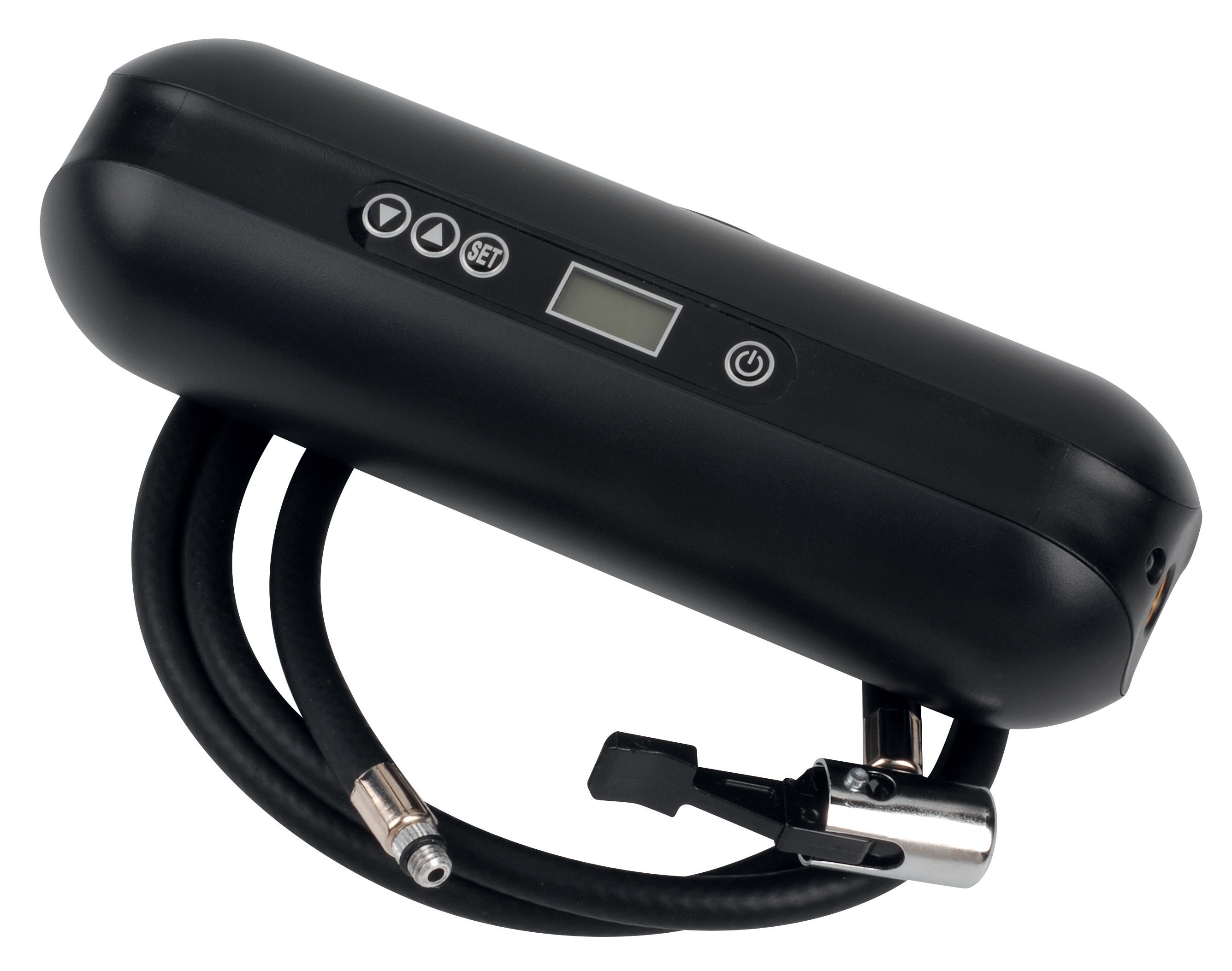
Expansion tanks in heating and cooling systems maintain system stability by accommodating fluid volume changes caused by temperature fluctuations. These pressurized components require precise pressure maintenance between manufacturer-specified limits, typically 0.5-2.5 bar depending on system size and configuration. The CBM Expansion tank inflator battery 2000 mAH provides portable pressure detection and inflation capability for expansion tank servicing. This specialized instrument combines pressure measurement (detection) with air inflation functionality, eliminating the need for separate tools during expansion tank pressure maintenance procedures.
Proper expansion tank pressure maintains system efficiency while preventing equipment damage from over-pressurization or inadequate cushioning. Maintenance teams performing expansion tank servicing must measure initial system pressure (detection function), depressurize the tank if necessary, inject appropriate air volume, and verify final pressure within manufacturer specifications. Dedicated expansion tank servicing equipment like the CBM inflator ensures accurate pressure detection and controlled inflation without introducing moisture or contaminants that could damage system components.
Installation, Calibration, and Maintenance Procedures for Measurement & Detection Equipment
Proper installation of measurement and detection instruments directly impacts measurement accuracy and equipment longevity. Temperature measurement instruments require correct immersion depth within process fluids or heat exchange media. Thermometers installed too shallowly read artificially low temperatures due to ambient air influence, while excessively deep installation encounters non-representative fluid conditions. Manufacturer specifications define appropriate immersion depths—typically 5-10cm for most industrial applications—ensuring sensing elements encounter representative process conditions.
Thermowell installations protect measurement instruments from direct process fluid contact, particularly in applications involving corrosive chemicals, high-temperature fluids, or systems requiring instrument removal without process shutdown. Stainless steel thermowells provide corrosion resistance across industrial environments, while carbon steel construction suits less-demanding applications. Verify thermowell material compatibility with process fluids and environmental exposure before installation.
Electrical measurement instrument calibration ensures continued accuracy across the instrument service life. Modern automatic multimeters like the MM420 provide excellent measurement stability, though annual calibration verification against known standards maintains measurement integrity for critical diagnostic applications. Many industrial facilities maintain calibration equipment or contract external calibration services to verify measurement instrument accuracy quarterly or annually depending on measurement criticality.
Expansion tank pressure detection and inflation procedures require specific sequence adherence to ensure accurate measurement and proper system pressurization. Proper procedures involve: (1) measuring initial system pressure at the expansion tank valve using dedicated pressure detection equipment like the CBM inflator, (2) comparing measured pressure against manufacturer specifications, (3) depressurizing the tank if pressure exceeds specifications by carefully releasing air through the tank valve, (4) injecting additional air if pressure reads below specifications using the battery-powered inflation function, and (5) verifying final pressure confirms within acceptable range. This methodical approach ensures consistent expansion tank pressure maintenance across seasonal variations and operational cycles.
Maintenance teams should establish regular calibration intervals for measurement instruments, document measurement results for trend analysis, and replace instruments showing measurement drift or physical damage. Digital calibration records enable supervisors to track instrument reliability and identify premature equipment failures requiring replacement.
Integrating Measurement & Detection into Predictive Maintenance Programs
Strategic measurement and detection implementation transforms reactive maintenance into predictive programs that identify equipment degradation before catastrophic failures occur. Temperature trend analysis from properly calibrated thermometers reveals equipment efficiency changes, bearing wear progression, and thermal system imbalances requiring corrective action. Electrical measurement data enables maintenance teams to identify power quality issues, unbalanced three-phase circuits, and motor performance degradation before equipment failure.
Maintenance teams implementing predictive programs should establish baseline measurement readings under normal operating conditions, document regular measurement intervals (typically daily, weekly, or monthly depending on equipment criticality), and establish alert thresholds triggering investigation and corrective action when measurements deviate from baseline patterns. This systematic approach converts point-in-time measurements into actionable intelligence driving maintenance resource allocation and preventing unplanned downtime.
Digital documentation systems enable maintenance teams to track measurement trends over months and years, revealing seasonal variations, equipment degradation patterns, and maintenance intervention effectiveness. Modern computerized maintenance management systems (CMMS) integrate measurement data with work order tracking, creating comprehensive historical records that inform maintenance planning and equipment replacement decisions.
Global Sourcing and Specification Considerations for Measurement & Detection Equipment
International maintenance operations require measurement and detection equipment meeting diverse regional standards and safety certifications. European industrial equipment typically carries CE marking certification, indicating compliance with European Union safety and performance standards. North American industrial installations require UL (Underwriters Laboratory) certification for electrical measurement instruments. Industrial pressure equipment across multiple markets must meet ASME (American Society of Mechanical Engineers) or equivalent regional standards.
3G Electric's authorization as a global industrial equipment distributor ensures customers access measurement and detection instruments meeting appropriate international standards regardless of installation location. We maintain certified inventory of measurement equipment compliant with regional requirements, eliminating delays and ensuring installation crews receive properly certified instruments from first shipment.
Maintenance teams sourcing measurement and detection equipment globally should verify: (1) measurement accuracy certifications meeting application requirements, (2) regional compliance certifications (CE, UL, CSA, or equivalent), (3) thermowell and immersion length specifications matching installation geometry, (4) temperature or pressure range adequacy for operational conditions, and (5) spare part availability and calibration service network accessibility in your geographic region.
Key Takeaways: Measurement & Detection Implementation Best Practices
- Precise requirement definition precedes instrument selection: Evaluate accuracy specifications, installation constraints, environmental conditions, and durability requirements before purchasing measurement and detection equipment to ensure operational performance and service life expectations.
- Calibration and maintenance procedures determine measurement reliability: Establish regular calibration intervals, document measurement results for trend analysis, and replace instruments showing drift or physical damage to maintain measurement integrity throughout operational periods.
- Proper installation technique ensures accurate measurement: Verify thermowell material compatibility, maintain appropriate immersion depths, and follow manufacturer installation procedures to ensure measurement instruments provide representative process conditions.
- Predictive maintenance integration maximizes measurement value: Establish baseline readings under normal conditions, document regular measurement intervals, and create alert thresholds enabling proactive equipment maintenance based on measurement trends rather than reactive failure response.
- Global sourcing requires regional standard verification: Confirm measurement and detection equipment meets appropriate regional certifications (CE, UL, ASME) and that calibration services remain accessible within your geographic operational area.
Effective measurement and detection implementation requires systematic approach to instrument selection, proper installation procedures, and disciplined maintenance documentation. With over 35 years as an experienced global industrial equipment distributor, 3G Electric provides measurement and detection solutions specifically designed for maintenance teams operating across diverse industrial environments and geographic markets. Our expert consultants help maintenance teams select appropriate instruments, implement consistent procedures, and establish predictive maintenance programs that reduce unplanned downtime while extending equipment service life.
Contact 3G Electric for Measurement & Detection Solutions
Your maintenance operation deserves measurement and detection equipment engineered for industrial reliability, installed by experienced professionals, and supported by responsive technical service. 3G Electric maintains certified inventory of measurement instruments, thermometers, pressure detection equipment, and electrical diagnostic tools ready for immediate shipment to maintenance operations worldwide.
Contact our measurement and detection specialists today to discuss your specific application requirements, verify equipment specifications, and establish supply relationships ensuring your maintenance teams access properly certified instruments when needed. With 3G Electric as your experienced distributor, you gain 35+ years of industrial equipment experience, international sourcing capabilities, and commitment to maintenance team success across every operational challenge.