Understanding Your Measurement & Detection Strategy
Measurement & Detection equipment forms the backbone of effective industrial maintenance programs. For procurement engineers managing budgets across multiple facilities, the challenge isn't simply selecting tools—it's aligning equipment choices with facility-specific requirements, maintenance intervals, and long-term reliability goals.
With over 35 years of experience distributing industrial equipment globally, 3G Electric has observed that most procurement decisions fail not because tools lack quality, but because teams don't adequately assess whether the selected equipment matches their operational context. Temperature monitoring in refrigeration systems differs fundamentally from electrical diagnostics in control panels, yet both fall under essential Measurement & Detection categories.
This article provides a practical framework for evaluating thermometers and electrical testing tools, helping you build a balanced measurement strategy rather than accumulating disconnected instruments.
Thermometer Solutions: Range, Accuracy, and Installation Requirements
The Three-Thermometer Approach
Most industrial facilities require multiple temperature measurement points with varying specifications. Rather than a one-size-fits-all approach, successful procurement teams deploy thermometers matched to specific applications.
The CBM Axial thermometer D65 -40/+40°C L5cm with thermowell addresses compact measurement scenarios. Its compact 5cm length and axial design suit confined spaces—panel-mounted temperature sensors, small vessel monitoring, or tight equipment installations. The -40 to +40°C range covers standard HVAC and refrigeration applications. Thermowell installation provides protection and allows hot-swapping without system shutdown.
For larger visual display requirements, the CBM Green vertical thermometer D80 -30/+50°C L 10cm with thermowell offers superior readability. The 80mm dial diameter ensures visibility from distance, critical when operators monitor temperatures during maintenance procedures. The 10cm immersion length serves medium-depth vessel applications—expansion tanks, larger circulation lines, or process containers. Its -30 to +50°C range extends into freeze-prevention monitoring, valuable for facilities in variable climates.
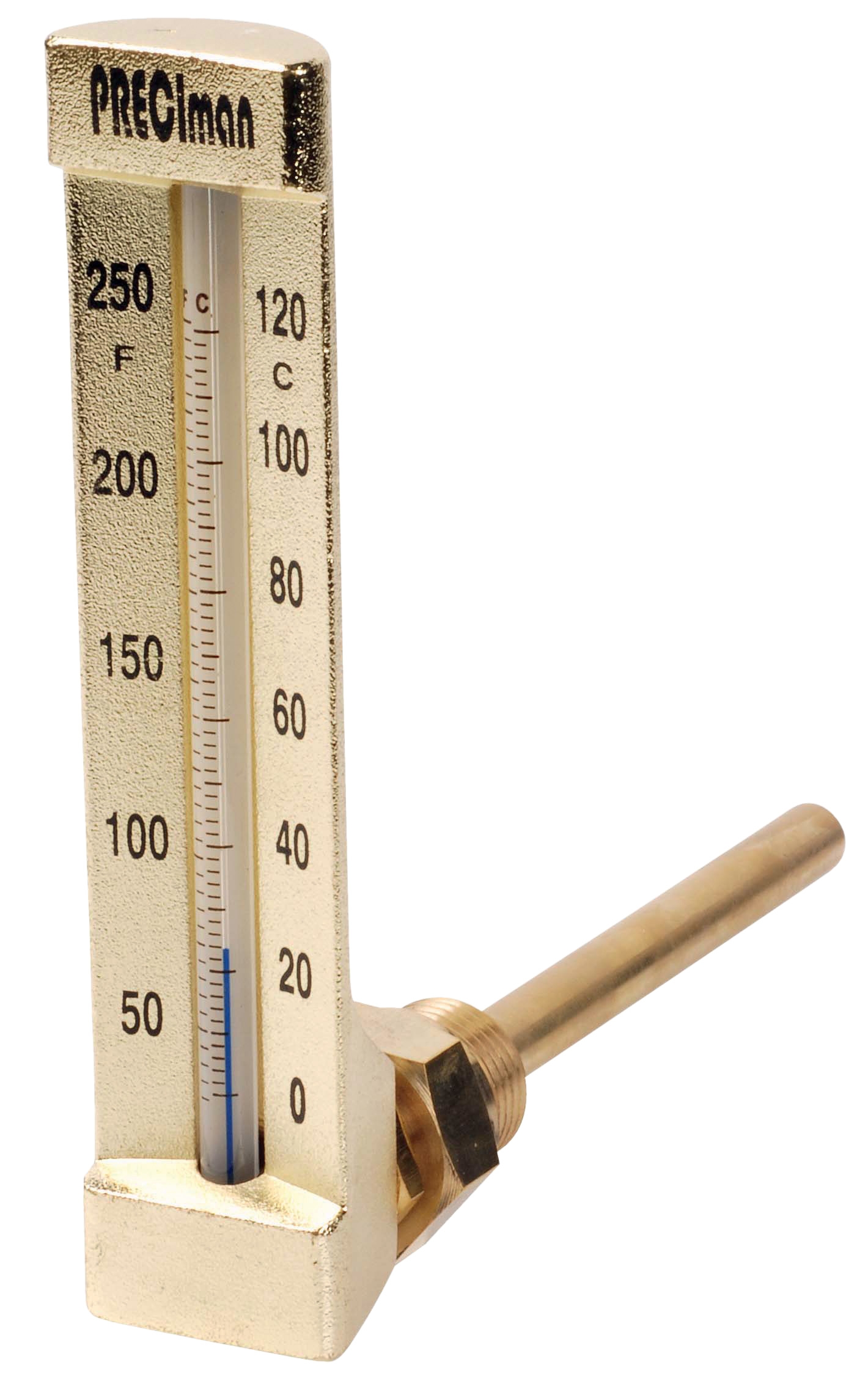
The CBM Industrial thermometer 0/+50°C immersion 63 right angle height 150 represents a specialized configuration for specific mounting scenarios. The right-angle design and 150mm height suit equipment where vertical space is constrained but horizontal accessibility exists. Its 0 to +50°C range focuses on positive-temperature applications—cooling system discharge points, heated process monitoring, or ambient facility measurements.
Procurement Consideration: Thermometer selection should match your infrastructure layout. If your facility has predominantly vertical mounting space, the axial model fits efficiently. Horizontal-limited installations benefit from the right-angle design. High-visibility requirements demand the larger dial diameter.
Electrical Testing and System Diagnostics: Multimeter Functionality
Beyond Basic Voltage Measurement
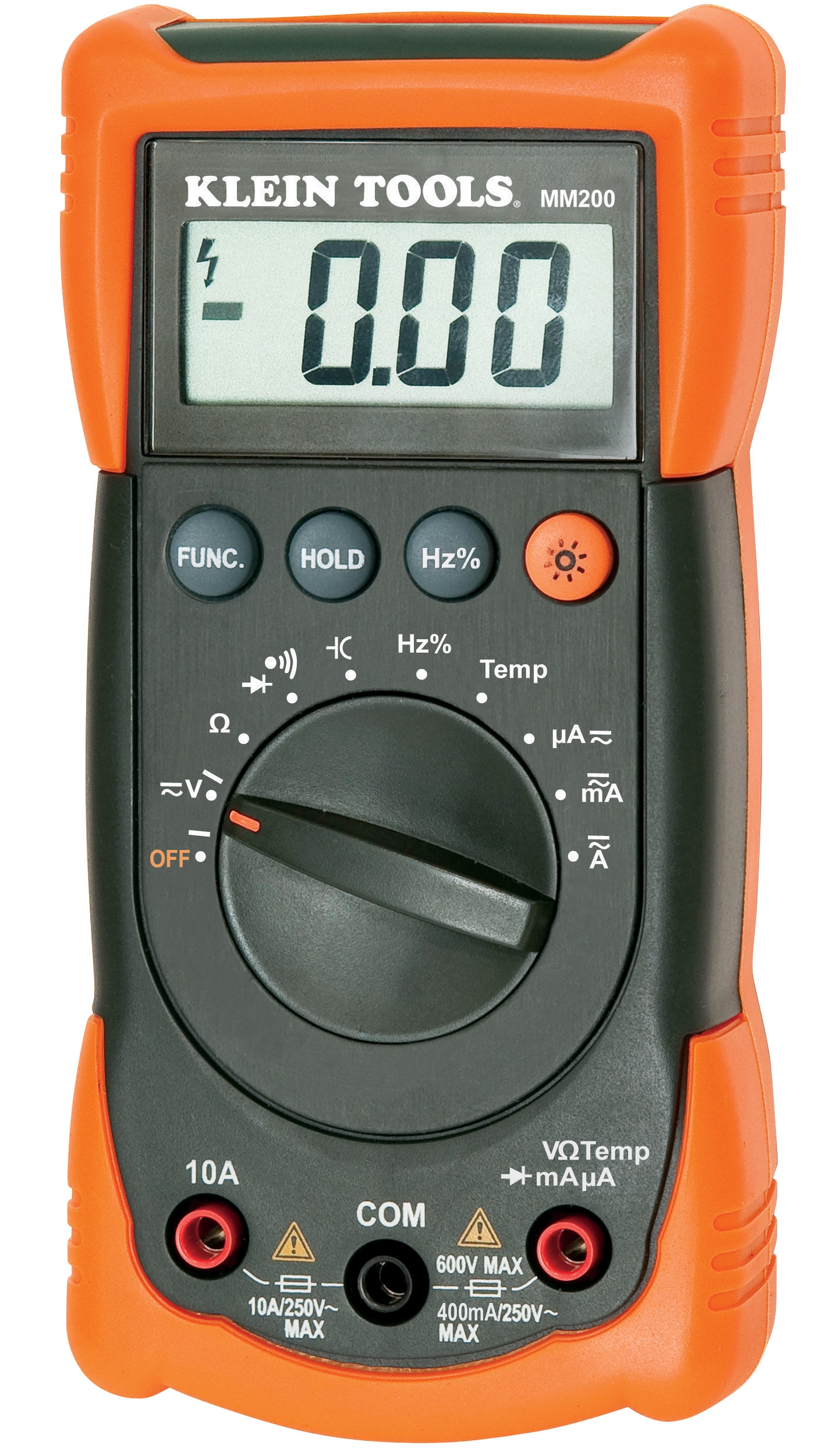
The CBM Automatic multimeter MM420 represents essential Measurement & Detection capability for electrical troubleshooting. Procurement engineers often underestimate how multimeters contribute to preventive maintenance—they're not just reactive diagnostic tools.
Automatic multimeters like the MM420 reduce measurement error compared to manual ranging. When technicians deploy equipment across multiple facility types, they encounter varying voltage, resistance, and current ranges. Manual selection mistakes lead to test failures, delayed diagnostics, and repeated site visits. The automatic function selects appropriate ranges, ensuring readings remain consistent regardless of operator experience level.
Practical applications in facility maintenance include:
- Control circuit verification: Testing 24VDC signals in building automation systems before replacing thermostats or sensors
- Equipment power-up confirmation: Measuring incoming line voltage before energizing motors or compressors
- Sensor continuity checks: Verifying temperature probe wiring integrity prior to sensor replacement
- Load testing: Confirming current draw on refrigeration compressors matches nameplate specifications
Auxiliary Equipment: Expansion Tank Support Systems
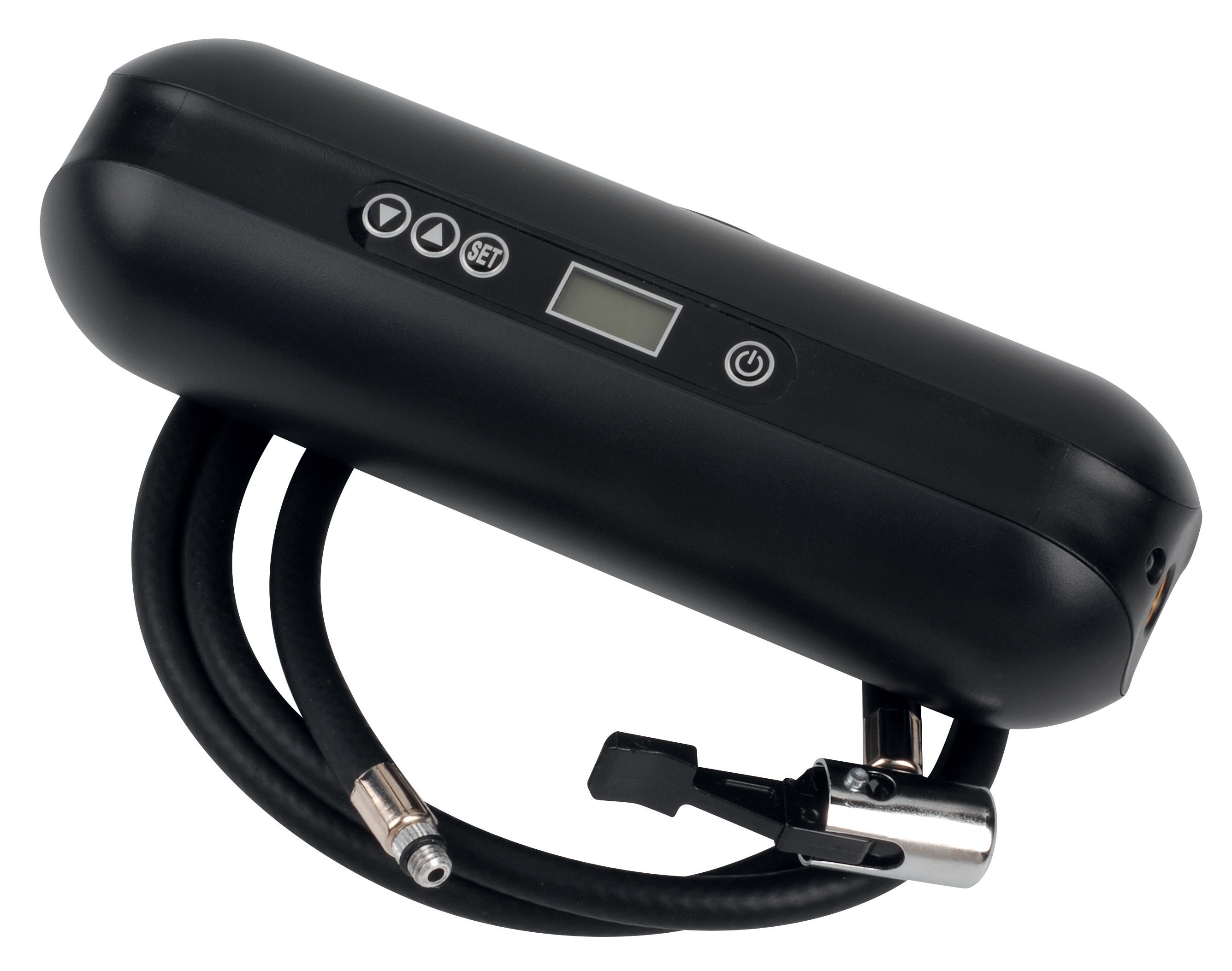
The CBM Expansion tank inflator battery 2000 mAH addresses a specialized but critical measurement requirement often overlooked during procurement planning. Expansion tank precharge pressure directly affects cooling system performance and compressor longevity. However, measuring and adjusting this pressure requires adequate power delivery.
Built-in compressor batteries often provide insufficient power for reliable gauge operation, particularly in cold environments where battery performance degrades. A dedicated 2000mAH battery ensures consistent pressure gauge functionality during expansion tank commissioning and annual verification cycles.
Procurement Insight: This tool becomes essential when you manage expansion tank maintenance at multiple facilities. Include it in your Measurement & Detection toolkit if your maintenance team performs annual system recommissioning or operates across seasonal facilities requiring precharge adjustment.
Building Your Measurement & Detection Equipment Matrix
Alignment Framework for Procurement Engineers
Effective equipment selection requires matching tools to your facility's measurement demands:
Small/Compact Facilities (Single-building operations)
- One axial thermometer (ROS11002) for panel mounting
- One multimeter (MES40008) for electrical diagnostics
- Estimated capital investment: Minimal, supports rapid troubleshooting
- One axial thermometer (ROS11002) for confined spaces
- One vertical thermometer (ROS15008) for main distribution monitoring
- One multimeter (MES40008) for control circuit verification
- Optional: Right-angle thermometer (ROS06004) for specialized mounting
- Estimated capital investment: Moderate, covers primary measurement points
- Two axial thermometers (ROS11002) for distributed locations
- One vertical thermometer (ROS15008) for main plant area
- One right-angle thermometer (ROS06004) for alternative mounting scenarios
- Two multimeters (MES40008)—one primary, one backup
- One expansion tank inflator (MES20002) if managing multiple refrigeration systems
- Estimated capital investment: Substantial, but distributed across multiple measurement points
Your existing maintenance schedule should influence Measurement & Detection equipment selection. Facilities performing quarterly system reviews need durable, long-lasting instruments that tolerate frequent deployment. Facilities with annual maintenance cycles can justify slightly more sensitive instruments requiring careful handling.
Practical Implementation: Integration with Your Maintenance Program
Documentation and Calibration
Procurement engineers should establish baseline calibration records when deploying new thermometers. Most industrial-grade thermometers maintain accuracy for 2-3 years under normal use. Schedule annual verification against certified standards, particularly for critical monitoring points.
Multimeters require less frequent calibration—typically every 2-3 years—but should undergo functional checks before each major deployment. Keep calibration certificates with your equipment inventory.
Staff Training Allocation
Include initial training investment when budgeting for new Measurement & Detection equipment. Technicians unfamiliar with thermowell installation may damage sensors during deployment. Staff trained on automatic multimeter operation avoid the common mistake of attempting manual ranging on unfamiliar circuits.
Inventory Management Strategy
Maintain equipment in designated maintenance kits rather than dispersed storage. A labeled toolkit containing thermometers, multimeter, and accessories ensures equipment stays available and prevents loss. Include spare thermowell caps and probe protection covers—inexpensive items that prevent costly sensor damage.
Long-Term Equipment Value Assessment
With 35+ years serving global industrial operations, 3G Electric recognizes that equipment value extends beyond initial purchase price. The most cost-effective Measurement & Detection tools provide consistent, reliable readings year after year with minimal maintenance.
Thermometers with thermowell protection outlast direct-immersion designs by 3-5 years. The initial thermowell installation cost—typically 15-20% above bare thermometer pricing—distributes across extended service life, reducing true per-year cost.
Automatic multimeters eliminate diagnostic errors that trigger unnecessary component replacement. A single prevented false diagnosis pays for the instrument's cost through reduced spare parts spending and reduced unnecessary technician hours.
Total Cost of Ownership Perspective: When comparing equipment options, calculate true ownership cost including:
- Initial capital investment
- Annual calibration requirements
- Expected replacement cycle (typically 3-5 years for thermometers, 5-7 years for multimeters)
- Time investment for training and deployment
- Cost of measurement errors or diagnostic failures
Equipment costing 15-20% more initially often delivers superior total cost of ownership when these factors compound across multiple years of operation.
Making Your Selection Decision
Your Measurement & Detection strategy should reflect:
1. Facility architecture - Does your infrastructure demand vertical or horizontal mounting? Confined or open spaces?
2. Measurement frequency - Do you monitor systems continuously or seasonally?
3. Accuracy requirements - Does your operation tolerate ±2°C variation or require ±0.5°C precision?
4. Staff capability - Can your technicians reliably perform manual multimeter ranging, or should you prioritize automatic selection?
5. Budget constraints - Can you justify distributed equipment across multiple locations, or must you concentrate resources?
Most procurement teams benefit from mixed approaches—combining purpose-built specialty tools with flexible general-purpose equipment. The framework provided here helps you construct that balanced portfolio rather than defaulting to either extreme of minimal capability or excessive redundancy.