Understanding the Multi-Parameter Measurement & Detection Ecosystem
Measurement & Detection systems form the foundation of safe, compliant industrial operations. For procurement engineers, the challenge lies not in selecting individual instruments, but in orchestrating an integrated ecosystem where temperature sensors, pressure gauges, gas detection probes, and analytical tools work harmoniously to deliver continuous visibility into critical operating parameters.
With over 35 years of experience distributing industrial equipment globally, 3G Electric has observed that procurement failures rarely stem from choosing inferior products—they result from inadequate system integration planning. Modern facilities require simultaneous monitoring of gas concentrations, pressure fluctuations, temperature variations, and electrical characteristics. A procurement engineer must therefore approach Measurement & Detection as an interconnected system rather than a collection of isolated instruments.
This framework addresses this integration challenge directly, offering practical methodologies for specifying measurement solutions that satisfy safety requirements, operational needs, and budgetary constraints across global industrial environments.
Designing a Comprehensive Gas Detection Architecture
Gas detection represents perhaps the most critical Measurement & Detection function in industrial facilities handling hazardous substances, compressed gases, or volatile compounds. However, many procurement engineers treat gas detection as a checkbox compliance item rather than a strategic safety infrastructure.
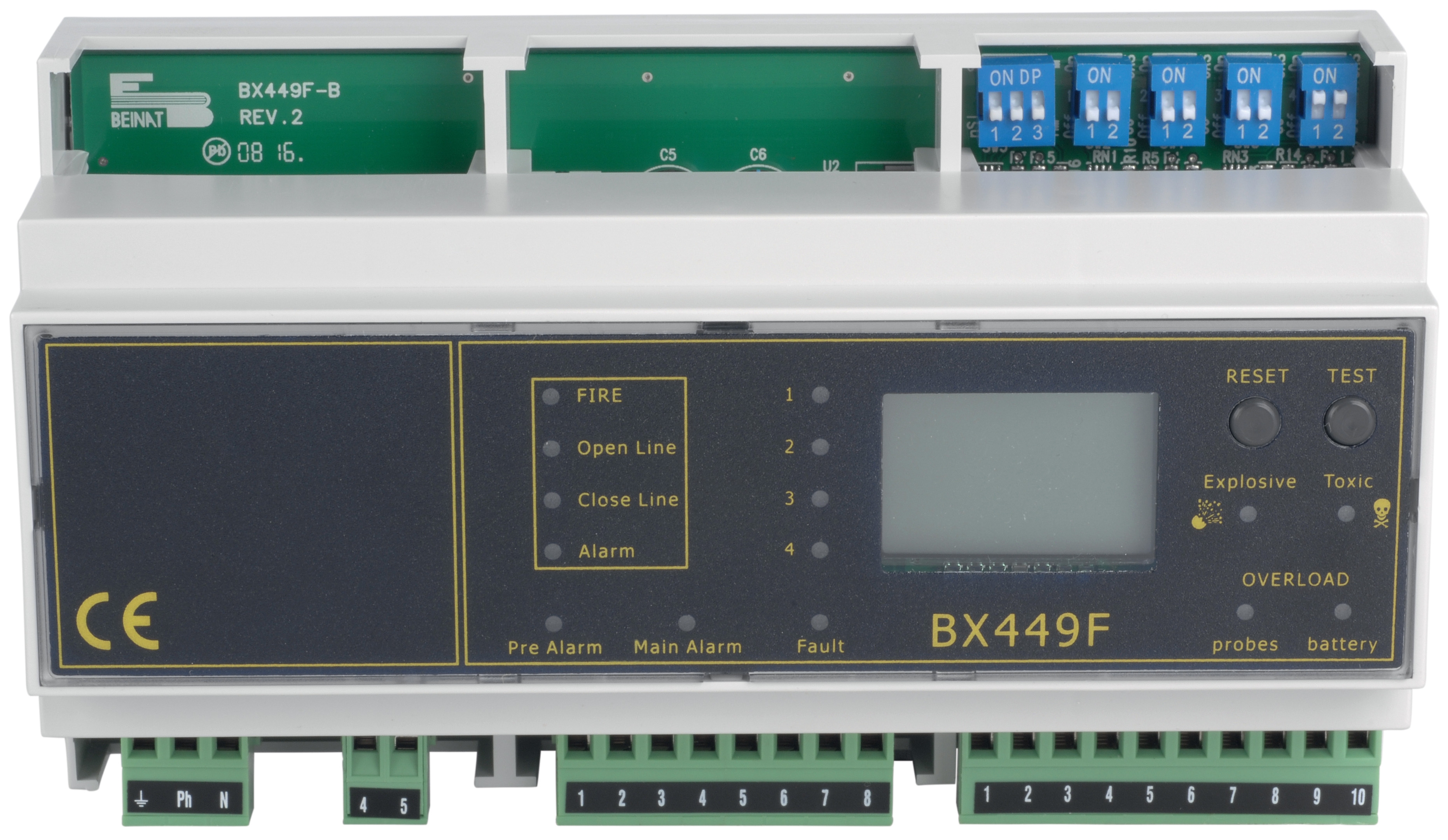
A properly architected gas detection system begins with probe placement strategy. The CBM Gas detection center Din rail 8 probes - 12V provides the central intelligence hub, but its effectiveness depends entirely on intelligent probe positioning. Procurement engineers must collaborate with operations teams to identify critical monitoring zones: equipment discharge points, storage areas, workspace perimeters, and exhaust locations.
Consider a typical chemical processing facility. Rather than installing probes randomly, experienced procurement engineers implement a tiered approach:
- Primary detection zones: High-risk areas with historical gas release incidents or continuous hazardous substance handling (typically 3-4 probes)
- Secondary detection zones: Surrounding workspace and transition areas where gas accumulation is possible (2-3 probes)
- Perimeter monitoring: External discharge points and ventilation outlets ensuring external compliance (1-2 probes)
The DTK08016 model accommodates this distributed approach with eight probe capacity, Din rail mounting for electrical integration, and 12V DC power compatibility with standard facility power infrastructure. When specifying this system, procurement engineers must verify:
1. Probe compatibility: Confirming that replacement probe availability matches projected facility lifespan
2. Signal transmission: Understanding whether hardwired connections or wireless relay options suit your facility layout
3. Alarm escalation: Documenting how detection triggers integrate with existing emergency response systems
4. Calibration requirements: Establishing periodic verification protocols and spare sensor inventories
Beyond hardware selection, a compliant gas detection strategy requires procedural integration. The measurement system must interface with maintenance scheduling, operator training, emergency response protocols, and regulatory documentation. Procurement engineers increasingly specify integrated packages that bundle instruments, calibration supplies, and procedural support rather than individual products.
Integrating Pressure and Temperature Measurement for Operational Safety
While gas detection captures specific hazards, comprehensive Measurement & Detection systems must simultaneously monitor pressure and temperature parameters that affect both equipment integrity and safety boundaries.
Pressure measurement serves dual purposes: immediate safety (preventing over-pressurization) and predictive reliability (detecting gradual system degradation). The CBM ABS green gauge D50 0/+250bar G1/4 accommodates high-pressure applications typical in compressor systems, hydraulic circuits, and pneumatic equipment, while the CBM Green ABS pressure gauge D63 0/+1bar G1/4 addresses lower-pressure monitoring in HVAC, vacuum, or process control systems.
Procurement engineers often make suboptimal pressure gauge selections by focusing solely on maximum operating pressure rather than the functional measurement range. A system operating at 180 bar should not use a 250 bar gauge because the needle will cluster in the upper range, reducing readability and accuracy. Conversely, a 1 bar gauge cannot withstand occasional pressure spikes in high-pressure circuits.
Effective pressure specification requires understanding three distinct operational states:
- Normal operating pressure: The steady-state condition during routine operation (should occupy 40-60% of gauge range)
- Peak transient pressure: Momentary spikes during startup, load changes, or system adjustments (should not exceed 80% of gauge range)
- Safety margin: The pressure differential between normal operation and system relief settings (typically 10-15% of gauge range)
Temperature monitoring integrates pressure management by revealing system stress indicators. The CBM Surface temperature sensor TE-SNW-E provides non-invasive measurement capability, critical for facilities where invasive probes compromise system integrity or create maintenance challenges. Surface temperature sensors detect equipment degradation patterns: rising outlet temperatures indicate filter blockage, bearing friction, or compressor inefficiency; rising inlet temperatures suggest inadequate cooling or environmental heat stress.
Procurement engineers implementing Measurement & Detection systems must establish baseline temperature profiles during initial commissioning, then track variance over time. A 5°C increase above baseline often signals pending maintenance needs weeks before equipment failure, enabling proactive intervention that prevents costly downtime.
Diagnostic Measurement Tools for Commissioning and Troubleshooting
While fixed monitoring systems provide continuous oversight, diagnostic measurement equipment enables procurement engineers and technicians to investigate anomalies, validate system integrity, and troubleshoot performance issues during commissioning and operational phases.
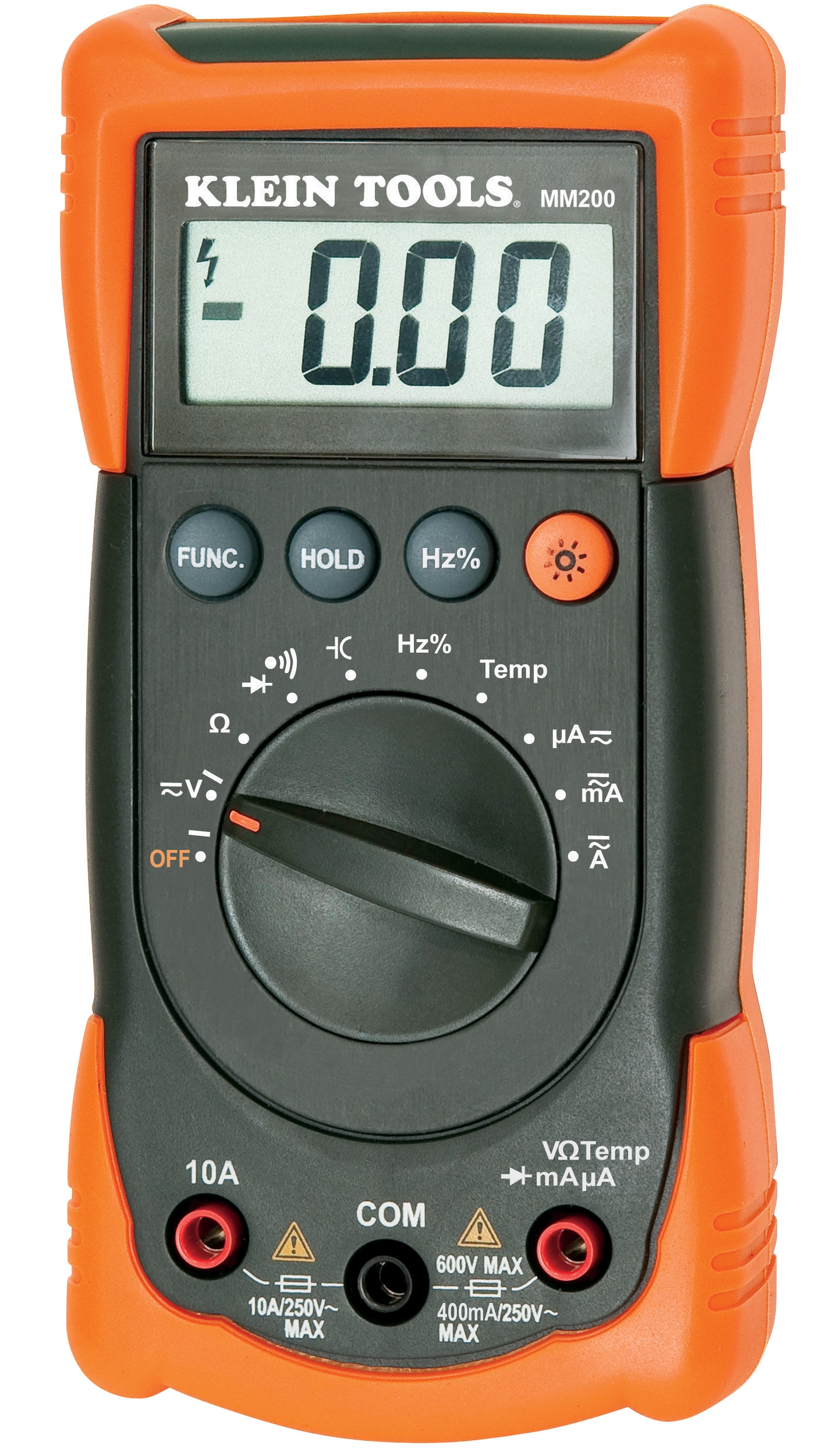
The CBM Automatic multimeter MM420 transcends traditional voltage/current measurement by providing comprehensive diagnostic capability for electrical integration verification. During commissioning, this instrument confirms proper sensor connectivity, validates signal transmission integrity, detects wiring faults, and measures backup power systems. In troubleshooting scenarios, the MM420 rapidly isolates whether measurement anomalies stem from instrument failure or system abnormality.
Procurement engineers should specify diagnostic measurement tools with the same rigor as permanent installation equipment. Consider these critical capabilities:
- Automatic range selection: Eliminates manual range switching, reducing measurement errors and accelerating diagnostic cycles
- True RMS measurement: Essential for systems with harmonic distortion, ensuring accurate readings in real-world electrical environments
- Continuity testing: Validates wiring integrity before system energization, preventing startup failures
- Data logging capability: Supports trending analysis and documentation for regulatory compliance
A practical procurement strategy bundles diagnostic tools with fixed monitoring systems. One instrument per facility typically proves insufficient; technicians require rapid access to measurement capability during emergencies. Facilities with distributed equipment (multiple compressor rooms, separate HVAC zones, remote process areas) should maintain diagnostic instruments at each critical location.
Building Your Measurement & Detection Procurement Specification
Successful procurement engineers move beyond product selection to develop comprehensive specifications that address safety requirements, regulatory standards, operational integration, and long-term reliability. This framework consolidates the multi-parameter approach into actionable procurement methodology:
Hazard and regulatory assessment: Identify all substances, pressures, and temperatures requiring monitoring. Document applicable regulations (EPA RMP, OSHA PSM, industry-specific standards) that define measurement requirements and acceptable equipment classifications.
System architecture design: Map physical facility layout and identify monitoring zones. Specify detection methodology for each parameter: continuous monitoring through fixed instruments or periodic assessment through diagnostic tools. Document alarm thresholds and response procedures.
Equipment specification: Select instruments matching identified requirements, emphasizing compatibility with existing facility infrastructure and long-term parts availability. Leverage 3G Electric's 35+ years of equipment expertise to identify optimal products from established manufacturers.
Integration documentation: Ensure measurement systems interface properly with electrical infrastructure, emergency response systems, and maintenance protocols. Specify training requirements, calibration procedures, and spare parts inventories.
Validation and commissioning: Develop comprehensive testing protocols confirming system functionality before operational deployment. Document baseline measurements establishing normal operational conditions for future comparison.
Modern procurement engineers recognize that Measurement & Detection systems represent essential safety infrastructure deserving the same rigor as equipment selection, installation engineering, and operational management. This integrated approach transforms measurement from a regulatory checkbox into a strategic capability delivering continuous insight into facility safety, equipment reliability, and operational efficiency.