Understanding Measurement & Detection in Modern Industrial Operations
Measurement & Detection systems form the backbone of modern industrial facility management. Whether you're overseeing HVAC networks, compressed air systems, or hazardous environment monitoring, accurate real-time data drives better decisions and prevents costly downtime. As an global industrial equipment distributor for over 35 years, 3G Electric has helped procurement teams across multiple continents implement robust monitoring solutions that deliver measurable ROI.
The challenge most procurement engineers face isn't finding measurement tools—it's selecting the right combination of devices that work together seamlessly while fitting budget constraints. This guide addresses that exact problem by focusing on practical implementation strategies for three critical monitoring scenarios you'll encounter regularly.
Key metrics to track include system accuracy, response time, integration capabilities, and total cost of ownership. Many procurement decisions fail because teams optimize for initial cost rather than long-term operational efficiency. We'll show you how to evaluate these factors systematically.
Section 1: Gas Detection Systems - Safety-First Implementation Strategy
Why Gas Detection Matters for Your Facility
Gas detection isn't optional in industrial environments—it's a regulatory requirement in most jurisdictions. From refrigerant leaks in HVAC systems to compressed air contamination, undetected gas issues create safety hazards and compliance violations. Your procurement strategy must prioritize detection before crisis.
A centralized gas detection approach minimizes installation complexity and reduces maintenance overhead. Rather than deploying individual detectors throughout your facility, networked systems allow you to monitor multiple zones from a single control point.
Implementation Best Practice
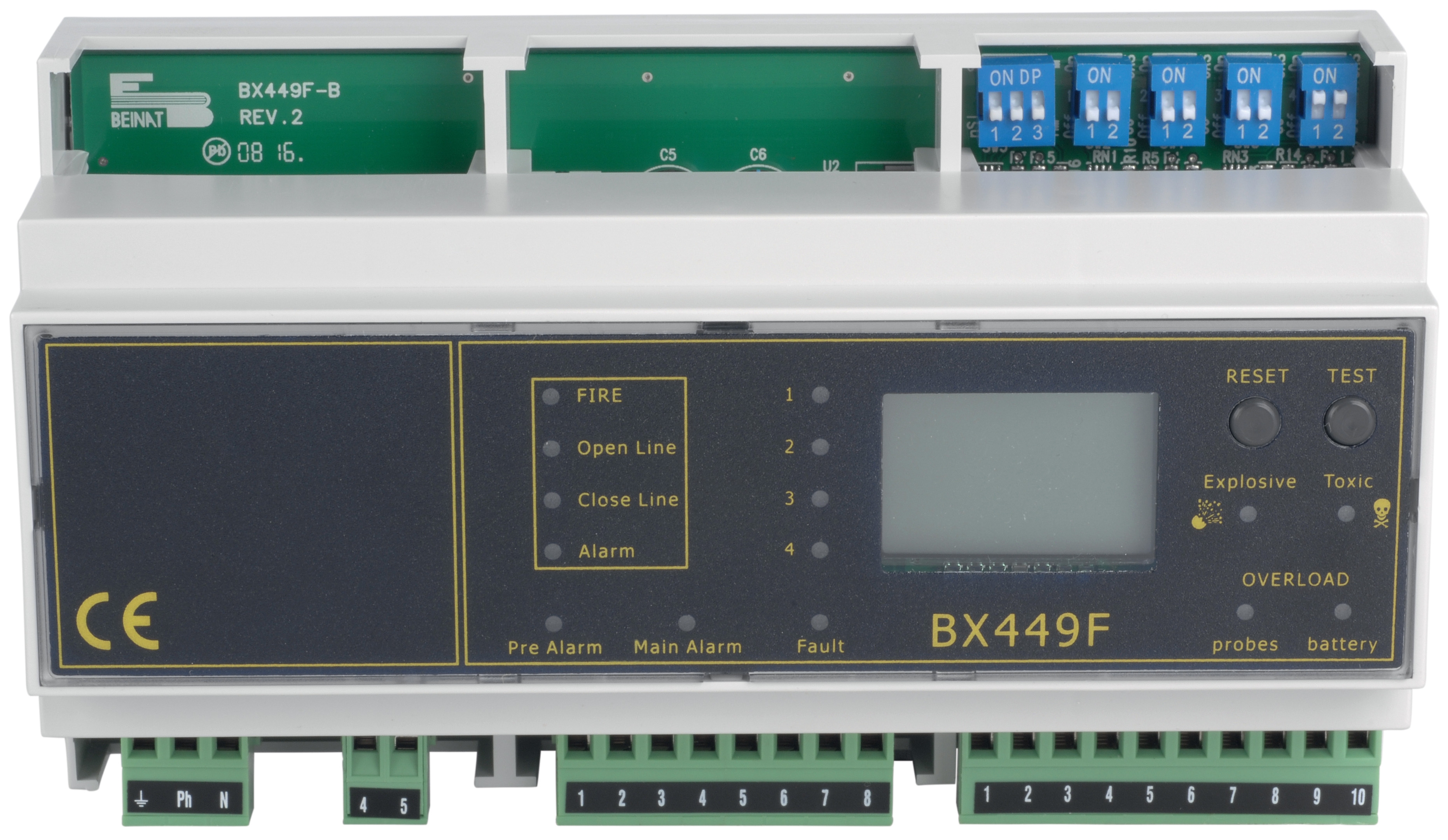
The CBM Gas detection center DIN rail 8 probes - 12V offers procurement teams a scalable solution that handles eight separate detection points simultaneously. This device mounts directly on DIN rail infrastructure—standard in most industrial control cabinets—eliminating additional installation costs.
When implementing this system, follow this procurement sequence:
- Audit your facility to identify all potential gas hazard zones (refrigerant systems, chemical storage, exhaust areas)
- Map probe locations based on gas density and airflow patterns
- Select the 8-probe unit as your baseline, then plan additional units only if you exceed eight monitoring points
- Verify 12V compatibility with your existing control infrastructure before purchasing
- Budget for annual calibration and sensor replacement (typically $200-400 per unit annually)
Procurement teams should request three quotes and compare not just unit cost, but also vendor support for troubleshooting and sensor calibration services. Many distributors bundle these services, reducing your total cost of ownership by 15-20% compared to purchasing hardware alone.
Section 2: Temperature Measurement - Critical Data for Equipment Protection
Strategic Temperature Monitoring Across Your Operations
Temperature measurement drives decisions in compressor maintenance, process control, and environmental compliance. Incorrect temperature data leads to unnecessary service calls or worse—equipment failure without warning. Surface temperature sensors provide non-invasive monitoring that protects your assets without system downtime.
Selecting the Right Temperature Sensor
The CBM Surface temperature sensor TE-SNW-E delivers reliable surface temperature readings without installation complexity. This sensor excels in three common scenarios:
1. Bearing temperature monitoring - Detect friction and misalignment before catastrophic failure
2. Refrigerant line temperature tracking - Maintain optimal HVAC system performance and prevent freeze-up
3. Transformer oil surface monitoring - Critical for electrical equipment in industrial facilities
Procurement consideration: This sensor integrates with most industrial control systems through standard analog outputs. Verify your existing data acquisition system can accept the sensor's signal range before procurement. This saves integration costs during installation.
Budget approximately 8-12 surface temperature sensors per 50,000 sq ft facility, depending on equipment density. Strategic placement on high-risk equipment yields the highest ROI through predictive maintenance insights.
Section 3: Electrical & Pressure Measurement - Comprehensive System Diagnostics
Electrical System Health Assessment
Proper electrical measurement prevents equipment damage and identifies efficiency losses. Most procurement engineers underestimate how often electrical problems cascade into mechanical failures. An automatic multimeter designed for industrial use delivers critical safety and performance data.
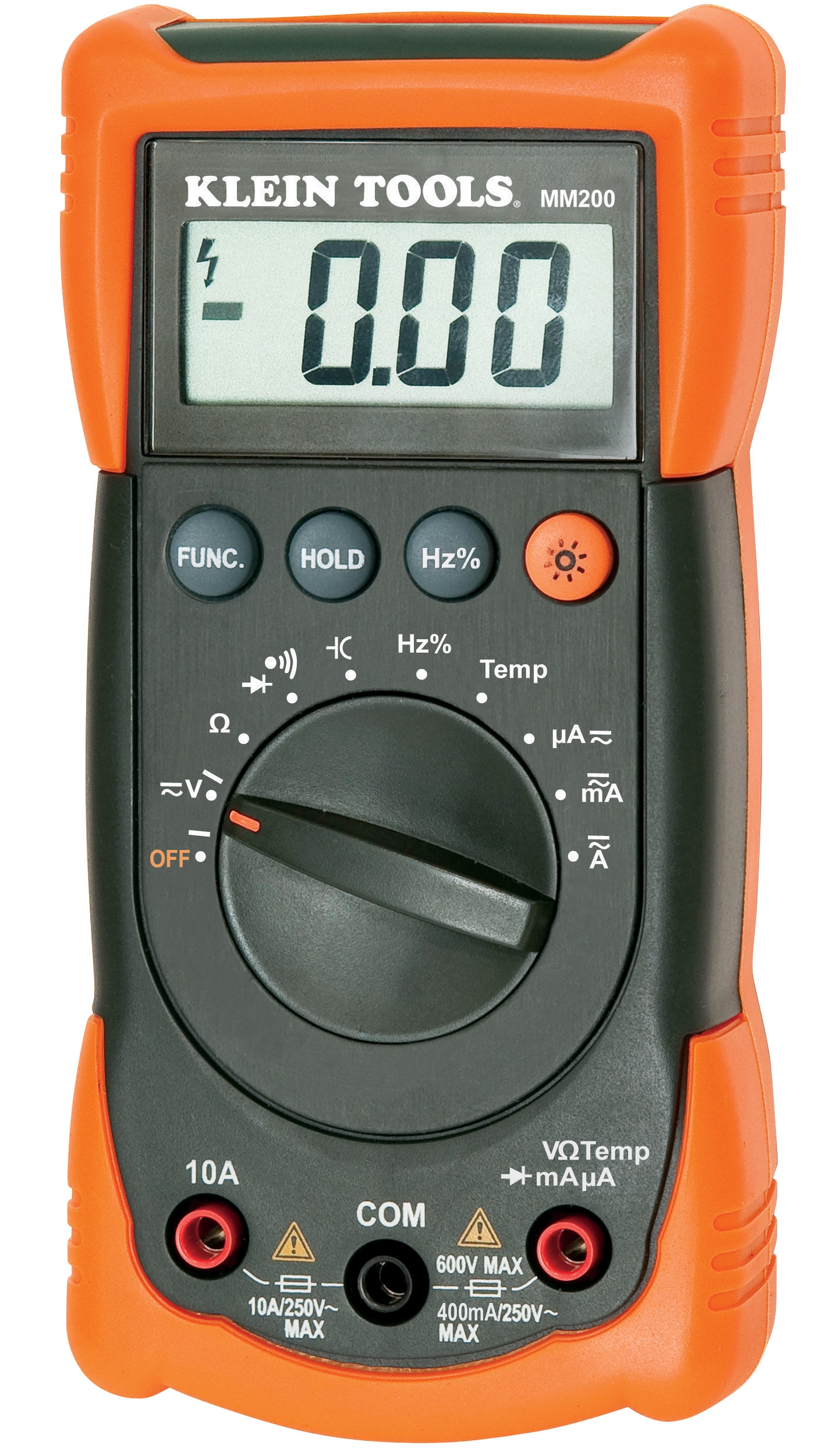
The CBM Automatic multimeter MM420 streamlines electrical diagnostics in demanding environments. This meter provides automatic ranging, reducing measurement errors from operator selection mistakes. Key procurement advantages include:
- Automatic voltage and current detection eliminates training requirements
- Data logging capabilities feed into your predictive maintenance program
- Rugged industrial design survives workshop environments
- Battery life rated for full-shift operation without recharging
Budget one automatic multimeter per technician team, plus one backup unit for maintenance continuity.
Pressure Measurement - Two-Tier Selection Strategy
Pressure monitoring serves dual purposes: safety assurance and performance optimization. Your facility likely needs both low-pressure monitoring (HVAC, compressed air) and high-pressure diagnostics (hydraulics, refrigeration).
For low-pressure applications measuring 0-1 bar:
The CBM Green ABS pressure gauge D63 0/+1bar G1/4 provides reliable monitoring for HVAC systems, air filters, and low-pressure steam applications. The 63mm face provides easy reading from distance, critical in noisy factory environments. ABS construction resists corrosion from humidity and harsh cleaning agents.
For high-pressure applications up to 250 bar:
The CBM ABS green gauge D50 0/+250bar G1/4 handles hydraulic systems, compressed air networks, and refrigeration monitoring. The compact 50mm face fits tight spaces while maintaining readability. G1/4 connection threads match most industrial equipment without adapter procurement.
Pressure Measurement Procurement Strategy
Identify all pressure monitoring points in your facility by system type:
- HVAC supply/return pressure (low-pressure gauges)
- Compressed air network (high-pressure gauges)
- Hydraulic system testing (high-pressure gauges)
- Refrigerant systems (high-pressure gauges with isolation valves)
Create a standardized gauge specification that matches your G1/4 threading infrastructure. This eliminates compatibility issues and reduces spare parts complexity. Budget for quarterly gauge verification and recalibration to maintain measurement accuracy.
Section 4: Building Your Measurement & Detection Procurement Framework
Integration and Compatibility Planning
Success with Measurement & Detection systems depends on thoughtful integration planning. Many procurement failures result from purchasing equipment that doesn't communicate with existing infrastructure. Before finalizing any purchase:
- Document your current control system architecture (PLC models, communication protocols, data acquisition platforms)
- Verify new sensors output compatible signal types (analog 4-20mA, digital pulse, Modbus, etc.)
- Confirm DIN rail availability and current load on 12V control circuits
- Test sensor accuracy specifications against your application requirements
Calculate TCO across five years to make informed procurement decisions:
- Hardware cost: Initial purchase price of all sensors and control units
- Installation labor: Professional installation saves troubleshooting costs later
- Calibration: Annual verification and recalibration requirements
- Replacement sensors: Expected lifespan of consumable elements
- System downtime: Cost of equipment unavailability during maintenance
Example: A gas detection system costing $2,400 might prevent a $50,000+ refrigerant leak loss, delivering 20:1 ROI in year one alone.
Documentation and Vendor Partnership
Maintain detailed records of all Measurement & Detection equipment:
- Installation dates and location mappings
- Calibration history and next service dates
- Alarm threshold settings and justification
- Vendor contact information for support queries
Develop a relationship with your equipment distributor. 3G Electric's 35+ years in the industry means we understand how real-world installations differ from specifications. Regular communication prevents procurement mistakes and speeds problem resolution.
Conclusion: Strategic Measurement & Detection Procurement
Measurement & Detection systems represent one of the highest-ROI investments in industrial facility management. By implementing a systematic procurement approach—prioritizing safety requirements, calculating true total cost of ownership, and ensuring proper integration—you'll create a monitoring infrastructure that prevents downtime and protects your teams.
Start with your highest-risk systems and expand strategically. Gas detection in hazardous areas, temperature monitoring on critical equipment, and pressure measurement on essential systems provide the foundation for comprehensive facility intelligence.
Contact 3G Electric for a facility assessment and customized Measurement & Detection implementation plan tailored to your specific operational needs.