Understanding Measurement & Detection Calibration Requirements
Measurement & Detection systems form the backbone of industrial safety and operational efficiency. However, equipment loses accuracy over time due to environmental factors, mechanical wear, and component drift. Procurement engineers must establish calibration protocols that maintain measurement reliability while managing costs and downtime.
At 3G Electric, we've supported industrial operations globally for over 35 years, helping procurement teams develop calibration strategies that balance compliance requirements with practical operational needs. Calibration isn't merely a regulatory checkbox—it's a critical investment in worker safety and equipment longevity.
The fundamental principle is straightforward: measurement and detection equipment must be verified against known standards at regular intervals. Without proper calibration, a pressure gauge reading "safe" might actually indicate dangerous conditions, or a gas detector might fail to trigger alarms when hazardous gases are present. This guide provides actionable procedures for procurement engineers managing multi-site operations.
Establishing Calibration Schedules and Documentation Systems
Creating a Master Calibration Calendar
The first step in any calibration program involves mapping your equipment inventory against manufacturer recommendations and regulatory requirements. Different equipment types require different intervals:
- Pressure gauges (like CBM green ABS pressure gauge D63 0/+1bar and CBM ABS green gauge D50 0/+250bar) typically require annual calibration, more frequently in harsh environments
- Temperature sensors (such as CBM surface temperature sensor TE-SNW-E) should be verified every 12-24 months depending on application criticality
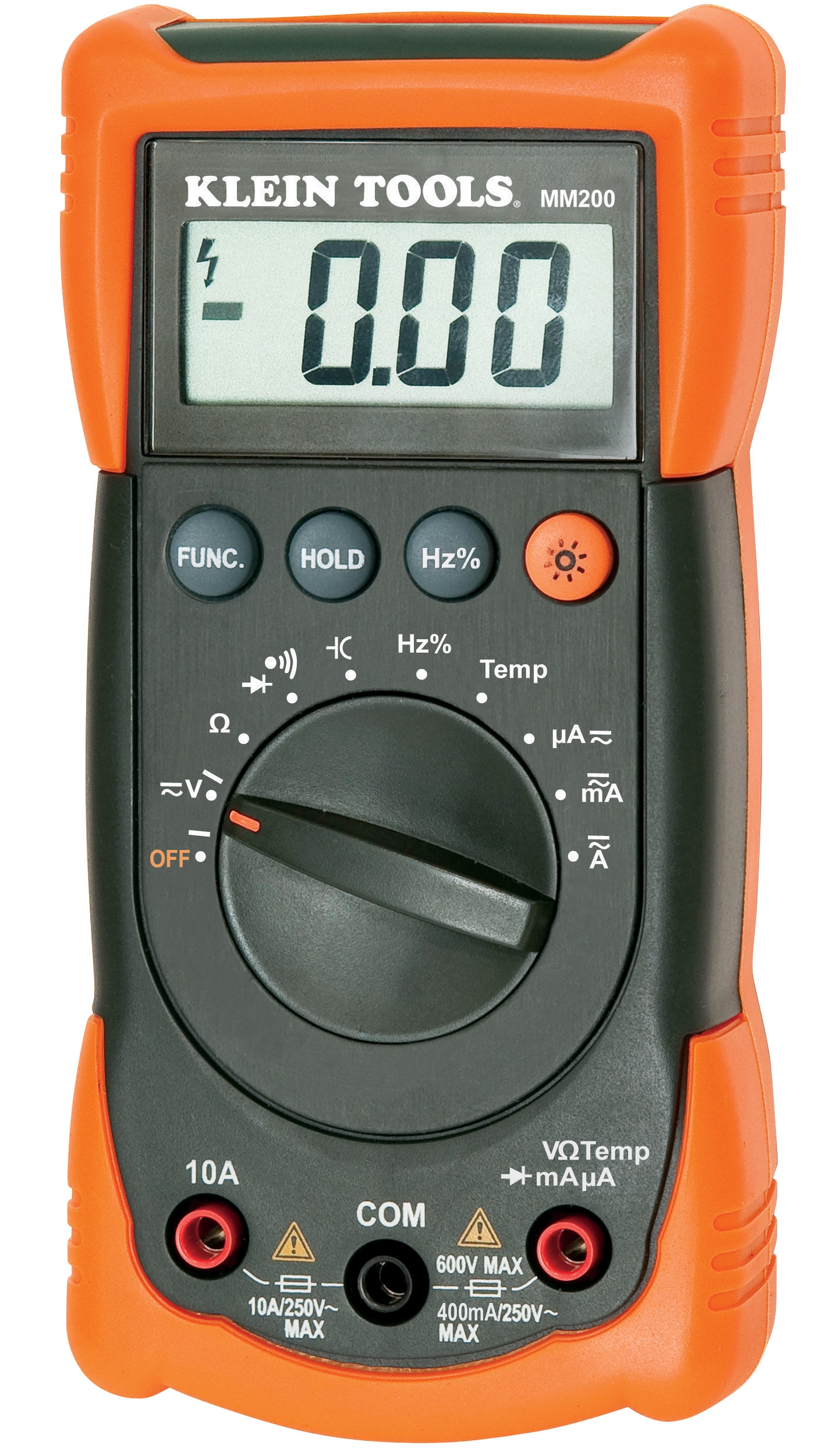
- Multimeters like the CBM automatic multimeter MM420 need calibration every 12-24 months for standard use
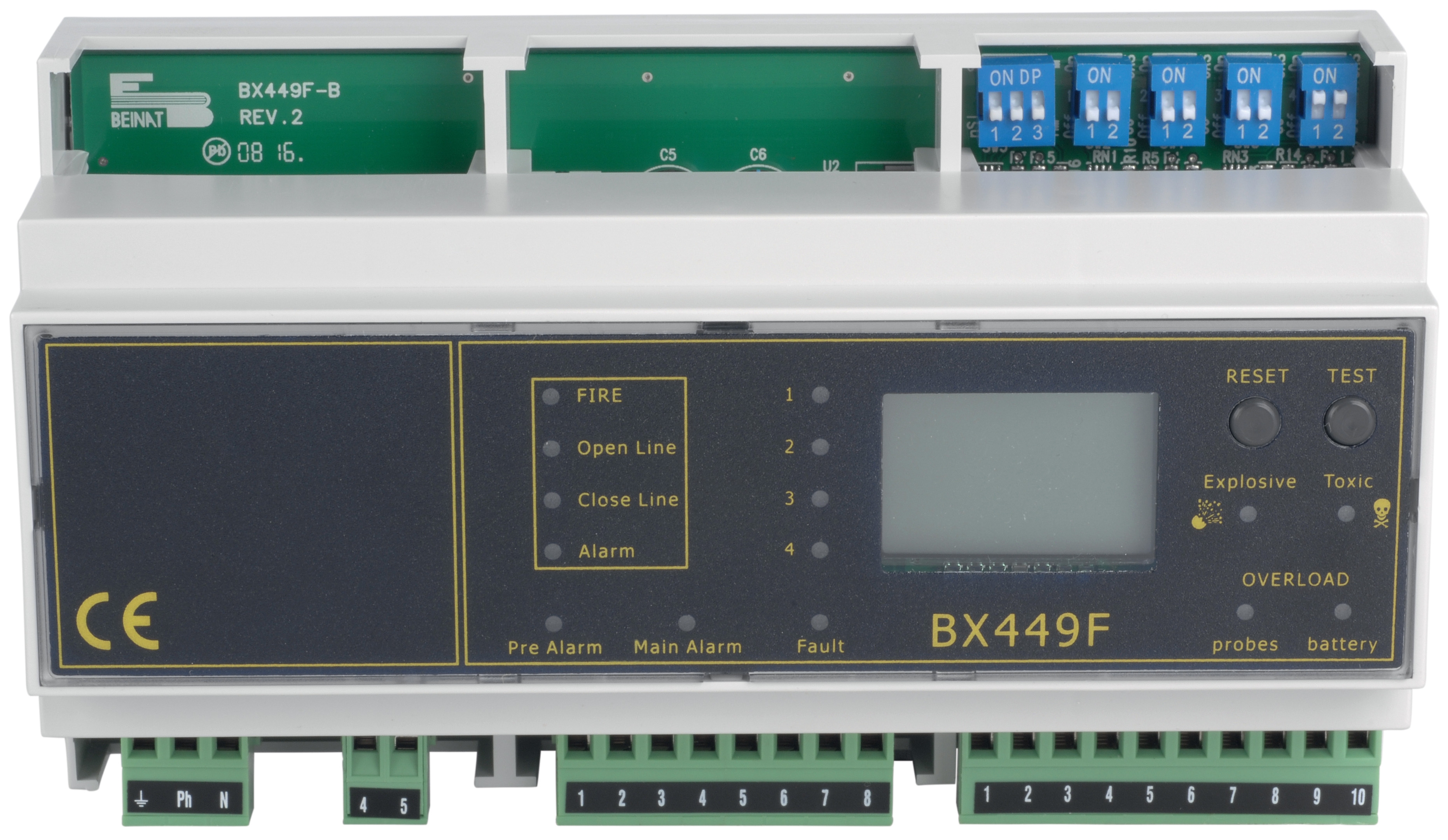
- Gas detection systems including CBM gas detection center with Din rail 8 probes require monthly bump tests and annual full calibration
Procurement engineers should develop a spreadsheet-based tracking system or integrate calibration schedules into existing CMMS (Computerized Maintenance Management Systems). For global operations, consider time-zone implications and regional regulatory differences. In Singapore and other Asia-Pacific regions, certain safety standards may mandate more frequent calibration.
Documentation and Compliance Records
Create calibration records that include:
- Equipment serial number and asset tag
- Calibration date and next due date
- Calibration results (as-found and as-left values)
- Technician identification and certification level
- Any repairs or adjustments made
- Environmental conditions during calibration (temperature, humidity)
- Reference standards used
Maintain both digital and physical copies. Digital records enable quick compliance audits, while physical certificates satisfy regulatory inspections. When managing global sites, ensure records comply with local regulations—EU sites require different documentation than North American facilities.
Practical Calibration Procedures for Common Equipment
Pressure Gauge Calibration
Pressure gauges form the core of many industrial safety systems. Here's how to verify their accuracy:
Equipment needed:
- Calibrated pressure pump or dead-weight tester
- Reference pressure gauge (calibrated within 12 months)
- Documentation forms
1. Record the gauge's initial reading at zero pressure (as-found value)
2. Apply pressure in increments: 0%, 25%, 50%, 75%, and 100% of the gauge's full scale
3. At each increment, compare the gauge reading to the calibrated reference
4. Note any deviation (typically acceptable range is ±2% of full scale)
5. If deviations exceed acceptable limits, the gauge requires adjustment or replacement
6. Record all readings and perform the test again to verify corrections
For the D63 0/+1bar gauge, you're working with low-pressure applications—verify your calibration equipment can measure accurately in this range. Many standard pressure pumps lack resolution for pressures below 1 bar; you may need specialized equipment.
Temperature Sensor Verification
Temperature sensors like the CBM surface temperature sensor TE-SNW-E require different verification approaches:
Simple verification method:
1. Use a calibrated thermocouple or infrared thermometer as reference
2. Place both sensors in a stable temperature environment (room temperature, heated water bath, or controlled chamber)
3. Allow 5-10 minutes for thermal stabilization
4. Record readings from both sensors
5. Compare results—acceptable variance is typically ±1-2°C depending on sensor type
For critical applications:
- Use a temperature calibration block or dry-block calibrator
- Test at three points: low range, mid-range, and high range of the sensor's operating specifications
- Document environmental conditions and reference equipment certificates
Multimeter Calibration
The CBM automatic multimeter MM420 measures voltage, current, and resistance. Calibration requires:
Test points:
- DC voltage: test at 10V and 100V with a certified voltage standard
- AC voltage: test at 50V and 250V
- DC current: test at 100mA and 1A (if current measurement is used)
- Resistance: test at 100Ω and 1kΩ
1. Connect the multimeter to a precision calibration source
2. Select the appropriate range on the multimeter
3. Record the displayed value
4. Compare to the known standard—acceptable accuracy is typically ±1-2% of reading
5. Document results for each measurement type
Gas Detection System Testing
The CBM gas detection center with Din rail 8 probes requires both routine bump tests and formal calibration:
Monthly bump test (quick safety check):
1. Introduce a small amount of test gas to each probe
2. Verify the system triggers an alarm
3. Document that alarm activated
4. No adjustment is needed if the system responds
Annual full calibration:
1. Test each of the 8 probes individually
2. Use calibrated gas concentrations (typically 20%, 40%, 60%, 80%, and 100% of alarm setpoint)
3. Measure the system's response time to each concentration
4. Verify alarm thresholds match design specifications
5. Check for sensor drift (compare to previous year's results)
6. Replace sensors if response time exceeds 30 seconds or if drift exceeds ±10% of span
Managing Calibration Across Multi-Site Global Operations
Selecting Calibration Service Providers
Procurement engineers managing global operations face a critical decision: in-house calibration capability versus external service providers.
Internal calibration advantages:
- Faster turnaround (critical for high-availability facilities)
- Lower per-unit costs at high-volume sites
- Better knowledge retention and customization
- Reduced transportation risks
- Access to sophisticated calibration equipment
- Recognized certifications (ISO/IEC 17025)
- Reduced training and certification costs
- Geographic coverage without major capital investment
For international operations, consider regional providers. Singapore and other major industrial hubs have ISO-certified calibration labs that understand local regulatory requirements. 3G Electric's 35-year distribution experience includes relationships with certified service providers across multiple regions.
Cost Optimization Strategies
1. Bundle calibrations: Schedule multiple equipment types for simultaneous calibration to reduce service fees
2. Extend intervals where appropriate: If equipment shows consistent accuracy, request longer intervals from regulators (documentation required)
3. Maintain spare equipment: Keep calibrated backup devices so production continues during calibration periods
4. Invest in trending analysis: Compare historical calibration data to identify patterns—this helps predict failures before they occur
5. Negotiate service agreements: Multi-year contracts with calibration providers typically offer 10-20% cost savings
Managing Global Regulatory Compliance
Calibration requirements vary significantly by region:
- European Union: Pressure Equipment Directive (PED) requires documented calibration for safety-critical equipment
- Singapore and Asia-Pacific: Different standards apply; consult local regulatory bodies
- North America: NIST traceability required for most industrial applications
- Pharmaceutical/Food: FDA and similar bodies require more rigorous documentation
Develop a compliance matrix showing which standards apply to each facility. When procuring new equipment—such as pressure gauges for a new Singapore facility—ensure the supplier can provide calibration support meeting local requirements.
Troubleshooting and Corrective Actions
Common Calibration Issues
Pressure gauges reading high:
- Usually indicates mechanical friction or seal damage
- Often requires replacement rather than adjustment
- Check if gauge was exposed to overrange conditions
- Exposure to temperature extremes accelerates aging
- Consider more frequent calibration in harsh environments
- Verify the sensor hasn't physically moved (installation changes affect readings)
- Typically indicates sensor contamination or aging
- Check probe vent for blockages (dust, insects, condensation)
- If response exceeds 30 seconds, plan sensor replacement
- Check battery voltage (weak batteries cause measurement errors)
- Verify probe quality and connections
- Ensure proper contact with measurement surfaces
When Equipment Fails Calibration
If equipment exceeds acceptable tolerance:
1. Determine the failure date: When did the equipment actually lose calibration? This helps assess whether measurements taken during the drift period are reliable
2. Evaluate risk: Did the failed equipment control critical processes? If yes, implement immediate corrective actions
3. Review process impact: Were there any safety incidents or product quality issues during the out-of-calibration period?
4. Plan corrective actions: Repair, adjust, or replace the equipment
5. Document findings: Create a corrective action report for regulatory files
For high-risk applications (like the gas detection center), consider implementing a "hold and quarantine" procedure where out-of-calibration equipment is physically removed from service immediately.
Implementation Timeline
Procurement engineers implementing a new calibration program should follow this phased approach:
Month 1: Inventory all measurement and detection equipment, research regulatory requirements, develop tracking system
Month 2: Establish calibration schedules, select service providers, create documentation templates
Month 3: Conduct initial calibration of all equipment, baseline historical data
Month 4+: Execute ongoing calibration per schedule, analyze trends, optimize processes
For global operations, stagger implementation by region. Begin with high-risk or heavily-regulated sites first.
Conclusion
Measurement & Detection calibration represents a critical intersection of safety, compliance, and operational efficiency. By establishing structured calibration programs, maintaining thorough documentation, and leveraging both internal and external resources appropriately, procurement engineers can ensure their facilities operate with confidence.
3G Electric's three and a half decades of industrial equipment distribution has taught us that proactive calibration prevents failures far more cost-effectively than reactive repairs. Whether you're managing a single facility or coordinating global operations, the principles outlined here apply universally—from pressure gauges and temperature sensors to gas detection systems and electrical measurement tools.