Understanding Storage Tank Maintenance & Service Requirements
Maintenance & Service of industrial storage tank systems represents one of the most overlooked yet critical aspects of facility management. With 35+ years of experience as a global industrial equipment distributor, 3G Electric has observed that most equipment failures stem from inadequate tank monitoring and expansion system care rather than component defects. Storage tanks containing fuel, water, or thermal transfer fluids experience pressure fluctuations, temperature variations, and sediment accumulation that demand systematic inspection protocols.
The complexity increases when facilities operate across multiple geographic regions with varying climate conditions, fuel specifications, and regulatory requirements. Procurement engineers must understand that proper Maintenance & Service begins with recognizing the interconnected nature of tank systems—expansion equipment, monitoring devices, and safety shutoff mechanisms function as an integrated whole. A failure in any single component cascades through the system, potentially causing environmental contamination, safety hazards, or production shutdowns.
Effective tank Maintenance & Service programs typically reduce unplanned downtime by 40-60% while extending component lifespan by 3-5 years. The investment in preventive monitoring and scheduled maintenance directly impacts operational costs, regulatory compliance, and equipment reliability.
Expansion Tank System Diagnostics & Preventive Maintenance
Expansion tanks absorb volumetric changes in thermal systems, preventing excessive pressure buildup and equipment damage. Common failure modes include:
Expansion Tank Pressure Loss
When expansion tanks lose pre-charge pressure, they lose capacity to accommodate fluid expansion. Diagnostic steps include:
- Measure current pressure using a tire-type gauge while the system is at ambient temperature
- Compare to manufacturer specifications (typically 0.7-0.9 bar for most systems)
- If pressure reads below specification, the bladder or diaphragm has likely ruptured
- Document baseline readings monthly to identify slow leaks versus catastrophic failures
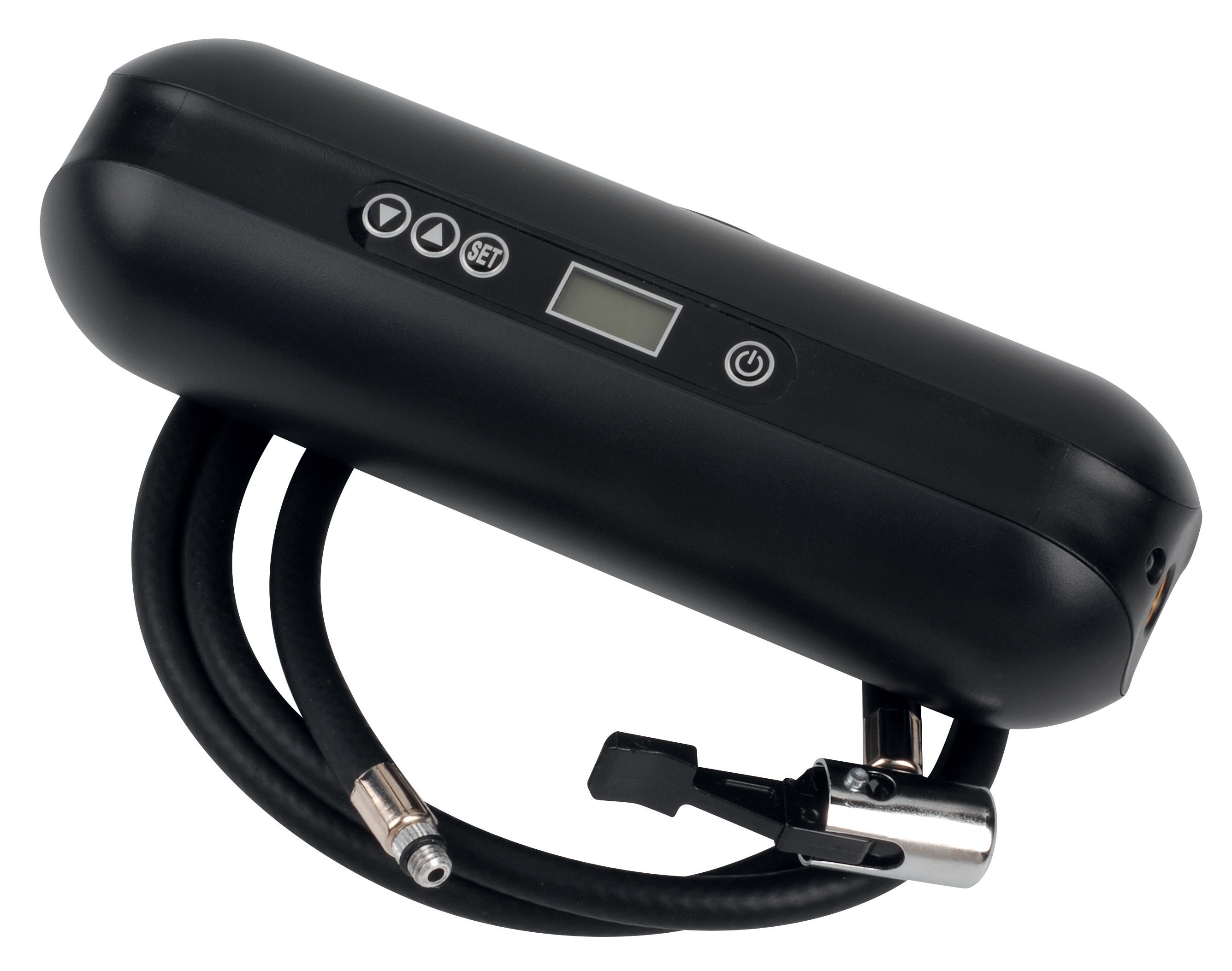
The CBM Expansion tank inflator battery 2000 mAH provides portable inflation capability for re-pressurization in field conditions. Procurement engineers should maintain one inflator per 3-5 tank installations to minimize response time during pressure emergencies.
Maintenance Protocol for Expansion Equipment:
- Schedule quarterly pressure checks during normal operation cycles
- Re-pressurize tanks only when system is at ambient temperature (within 5°C of surrounding air)
- Never exceed 10% of tank volume as pre-charge pressure—over-pressurization damages internal components
- Document all inflation events with date, pressure reading before/after, and technician name
- Replace expansion tanks if pressure cannot be maintained above 80% of specification after re-pressurization
Temperature fluctuations significantly affect expansion tank performance. In climates experiencing 20°C+ daily temperature swings, expansion tanks experience 5-8% pressure variation from thermal effects alone. This natural variation can mask slow leaks, requiring careful trend analysis over 4-week periods rather than single-point measurements.
Tank Monitoring, Alarm Systems & Safety Shutoff Procedures
Modern industrial storage tanks must integrate three monitoring functions: level detection, alarm notification, and automatic shutoff capability. These systems protect against overfill conditions, prevent fuel starvation during equipment operation, and maintain compliance with environmental regulations.
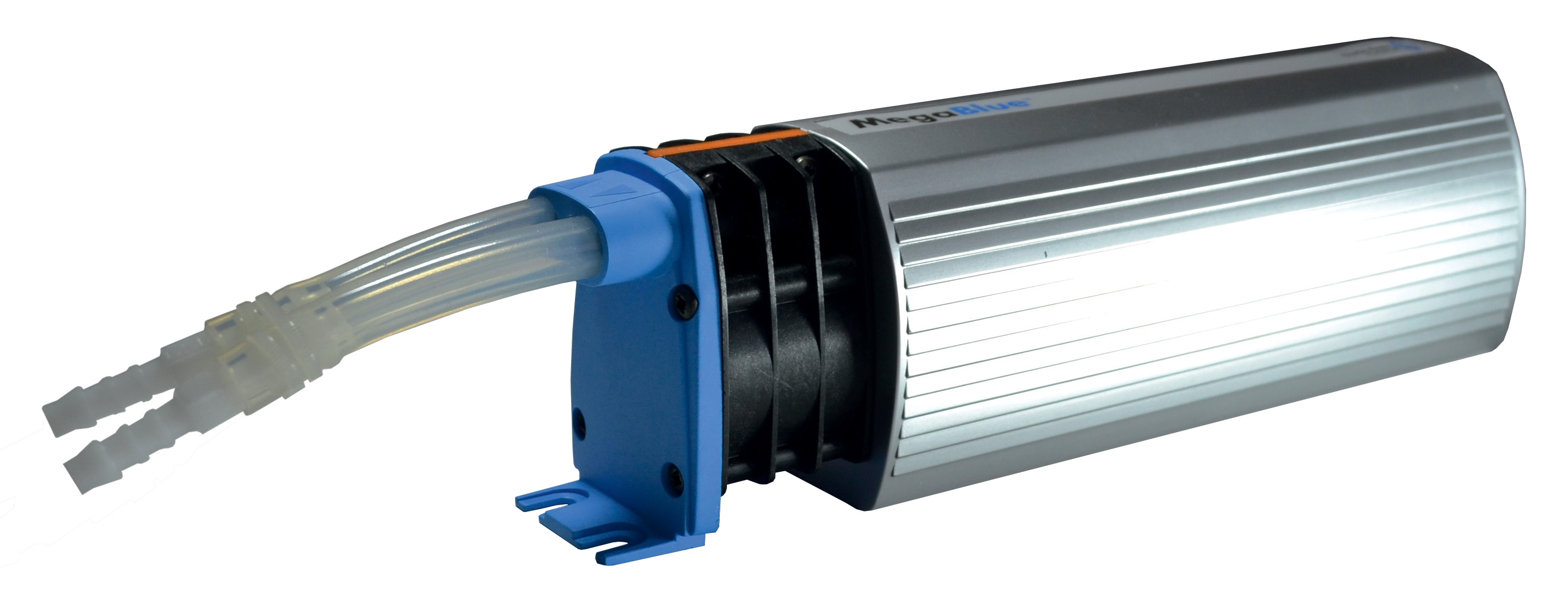
Megablue Reservoir Alarm & Shutoff System Operation
The CBM Megablue reservoir alarm + shut-off X87-813 combines level sensing with solenoid valve control in a single device. Proper Maintenance & Service requires understanding three operational states:
- Normal Operation (50-85% tank level): Sensor provides continuous level feedback; equipment operates normally
- High-Level Alarm (85-95%): Audible and visual alarms activate; fuel supply remains available but operators receive warning
- Critical Shutoff (95%+ level): Solenoid valve de-energizes automatically; fuel supply ceases regardless of demand signal
Common failure modes and diagnostic procedures:
False Alarm Activation: If alarms trigger at normal operating levels, the sensor probe may be contaminated with sediment or fuel gum deposits. Cleaning procedures:
- Shut down all equipment and isolate the tank from burner systems
- Remove the sensor assembly carefully to prevent probe damage
- Clean the probe using diesel fuel or equivalent solvent (never use water-based cleaners)
- Inspect the probe for mechanical damage, corrosion, or buildup
- Verify the electronics housing shows no moisture ingress or corrosion
- Reinstall and test against known reference levels
- Verify 24V DC power supply voltage at solenoid terminals (should read 23.5-24.5V)
- Confirm continuity in wiring from control panel to solenoid coil
- Test solenoid mechanical response by applying voltage manually—listen for audible "click" from coil engagement
- If solenoid fails to click, coil is burned out and requires replacement
- If solenoid clicks but valve doesn't close, mechanical linkage may be stuck due to varnish deposits
- Fill tank to precisely 75% capacity using calibrated measure
- Verify sensor reads 75% on display panel
- If reading differs by more than ±5%, recalibrate per manufacturer instructions
- Document all calibration events in maintenance records
Combustion Equipment & Accessory Maintenance Integration
Storage tank Maintenance & Service cannot be isolated from combustion system care. Burner performance depends directly on fuel quality, consistent supply pressure, and uncontaminated fluid delivery.
Fuel Quality & Nozzle Maintenance
Flat jet nozzles represent the interface between fuel storage and combustion chambers. Particulates or varnish deposits accumulate from tank sediment, water contamination, or fuel oxidation. The CBM Flat jet nozzle HP 1/4"M BSPT index 25 angle 15° and CBM Flat jet nozzle HP 1/4"M BSPT index 055 angle 15° require different maintenance approaches based on spray angle and application.
Maintenance procedures for fuel nozzles:
- Remove nozzles quarterly and inspect spray patterns using compressed air against a white surface
- Distorted or asymmetrical spray patterns indicate internal deposits
- Clean nozzles using ultrasonic cleaners with diesel fuel solvent (never use corrosive chemicals)
- Replace nozzles if spray pattern cannot be restored after cleaning
- Match nozzle index specifications precisely—mismatched nozzles cause incomplete combustion
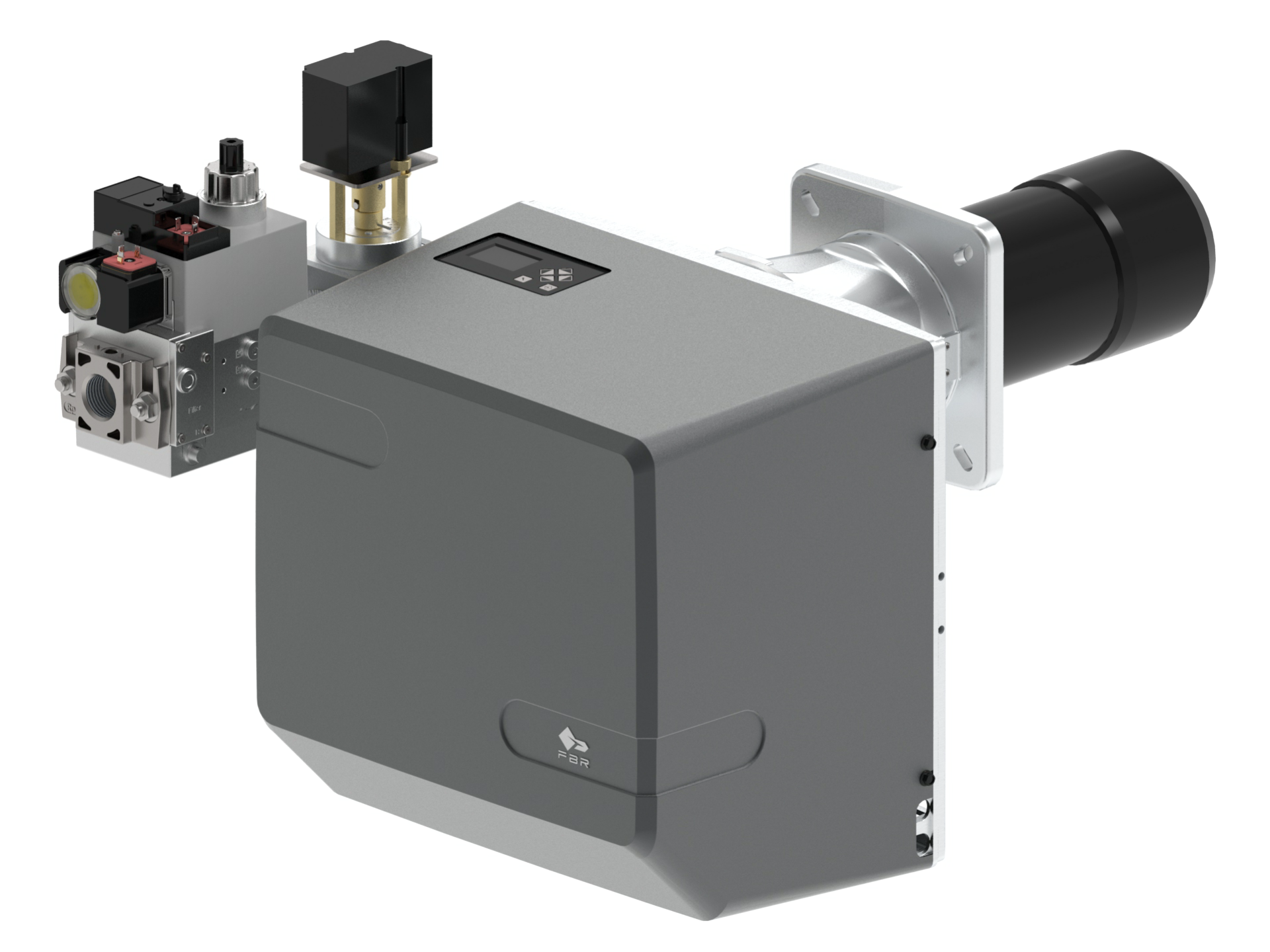
The FBR BURNER GAS X5/MF TL EL VC LPG operates with modulating capability when equipped with optional control kits. These systems require specialized Maintenance & Service:
- Inspect combustion air intake filters monthly; replace if airflow reduction exceeds 20%
- Verify flame rod cleanliness—carbon deposits on sensing electrodes cause flame loss
- Test modulation response with pressure transducers to confirm proportional fuel adjustment
- Confirm fan bearing lubrication per manufacturer intervals (typically 6-month cycles)
- Monitor burner flue gas temperatures—excessive temperatures indicate nozzle clogging or improper air-fuel ratio
Integration between tank systems and burner equipment requires coordinated maintenance scheduling. If burner flame loss occurs during peak demand, the root cause may originate in tank pressure drop, alarm system malfunction, or nozzle degradation rather than burner failure.
Maintenance Documentation & Procurement Strategies
Systematic documentation enables predictive maintenance planning and cost optimization. Procurement engineers should implement standardized recording for:
- Tank pressure readings with date, time, and pressure values
- Alarm system test results and sensor calibrations
- Nozzle cleaning or replacement events
- Parts inventory levels and supplier lead times
- Equipment failure analysis and root cause documentation
With 35+ years of global distribution experience, 3G Electric recommends maintaining spare inventory of critical monitoring components—expansion tank inflators, sensor probes, and solenoid valves. Equipment failures rarely occur during business hours; having field-replacement components available reduces emergency response time from days to hours.
Geographic considerations affect Maintenance & Service planning significantly. Facilities in coastal regions experience accelerated corrosion of metal tank components and electronic connectors. Desert operations encounter rapid temperature swings and dust contamination of air intake systems. Tropical climates promote microbial growth in fuel tanks and moisture accumulation in expansion equipment. Customize maintenance intervals and component specifications based on local environmental conditions rather than applying uniform global standards.
Training procurement teams on basic diagnostic procedures enables faster issue identification and more effective vendor communication. When calling service providers, detailed descriptions of observed symptoms, recent maintenance history, and baseline readings expedite troubleshooting and reduce unnecessary site visits.