Introduction: From Reactive to Proactive Maintenance & Service Management
Maintenance & Service excellence separates high-performing industrial operations from those struggling with unplanned downtime and rising costs. For plant managers overseeing fluid systems, compressors, and high-pressure equipment across Singapore's manufacturing, HVAC, and industrial sectors, the transition from reactive repair to predictive maintenance represents a critical operational imperative.
3G Electric's 35+ years as a distributor of industrial equipment across Southeast Asia have revealed a consistent pattern: facilities that implement structured Maintenance & Service scheduling and monitoring protocols reduce unplanned equipment failures by 40-60% compared to ad-hoc approaches. This guide provides plant managers with actionable frameworks to establish systematic Maintenance & Service programs that drive measurable improvements in reliability and cost efficiency.
Section 1: Establishing Baseline Performance Metrics and Service Intervals
Understanding Equipment-Specific Service Requirements
Every industrial fluid system component—whether a compact gear pump, condensate unit, or vacuum system—operates within specific performance envelopes defined by manufacturer specifications. Plant managers must first establish baseline metrics that reflect actual operating conditions in their facility.
For high-pressure applications, establish baseline documentation including:
- Operating pressure profiles: Record actual vs. rated pressure during normal operation. The Interpump E3B2513 pump rated for 250 bar at 13 L/min requires monitoring at its actual duty cycle, not nameplate ratings alone.
- Flow rate consistency: Deviation from specified flow indicates internal wear, seal degradation, or cavitation initiation
- Temperature stability: Track inlet and outlet temperatures; rising trends indicate friction losses and impending seal failure
- Vibration baseline: Establish normal operational vibration signatures using portable measurement devices before issues develop
- Acoustic baseline: Unusual noise patterns often precede mechanical failures by weeks
Singapore's tropical climate—with high humidity, salt air in coastal areas, and consistent 28-32°C ambient temperatures—accelerates corrosion and thermal stress. Service intervals must be more aggressive than temperate climate recommendations. A pump specified for 2,000-hour intervals in European conditions may require 1,500-hour intervals in Singapore operations.
Developing Risk-Based Service Schedules
Not all components require identical Maintenance & Service frequency. Implement risk-based scheduling that prioritizes critical equipment:
Critical Systems (failures cause production shutdown):
- Main circulation pumps: Service every 1,000-1,200 operating hours
- High-pressure supply systems: Every 800-1,000 hours
- Condensate removal (HVAC): Every 6 months regardless of hours
- Auxiliary pumps: Every 1,500-2,000 hours
- Support fluid systems: Every 2,000-2,500 hours
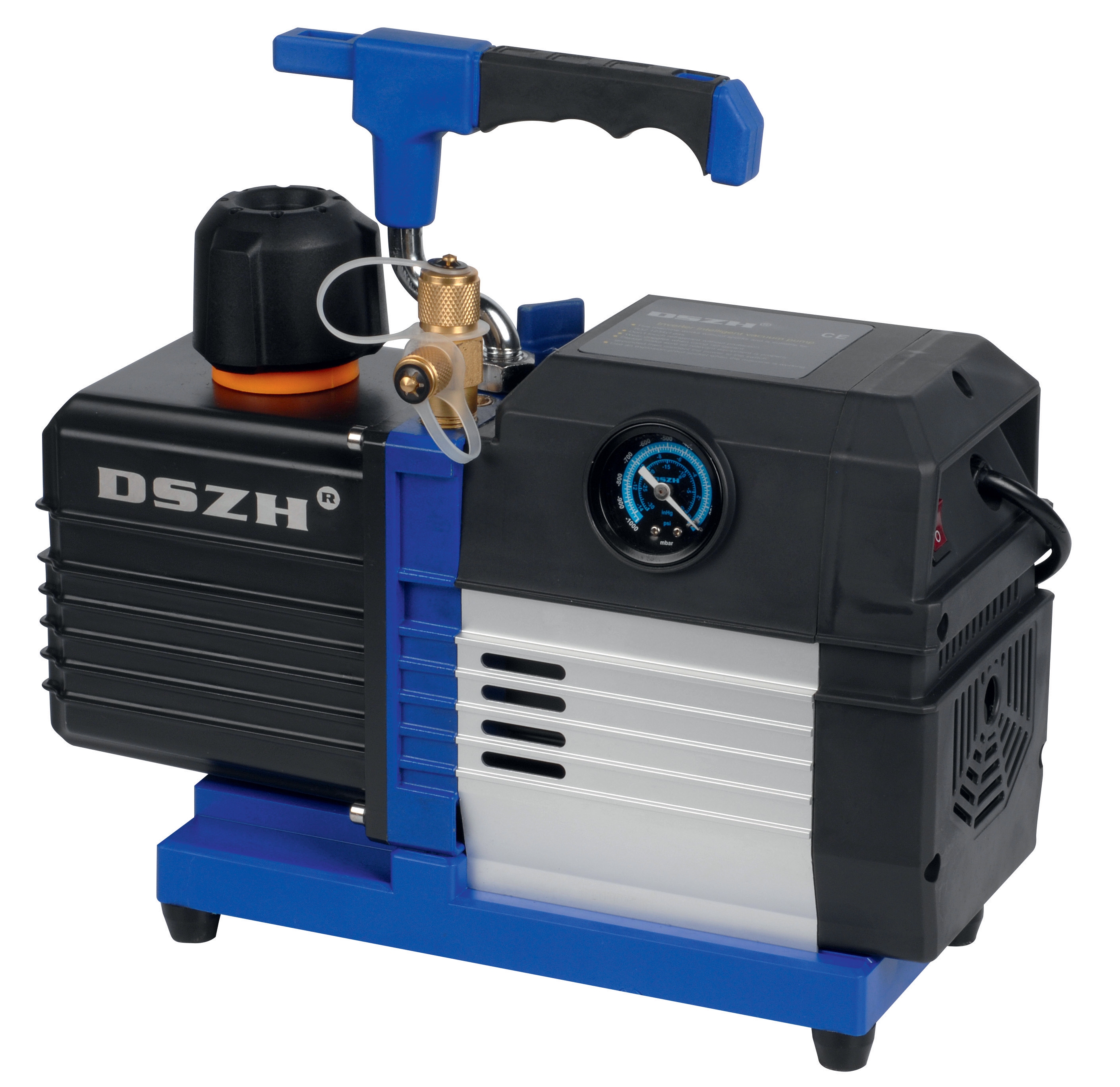
- Vacuum pumps in standard HVAC: Annually with condition monitoring
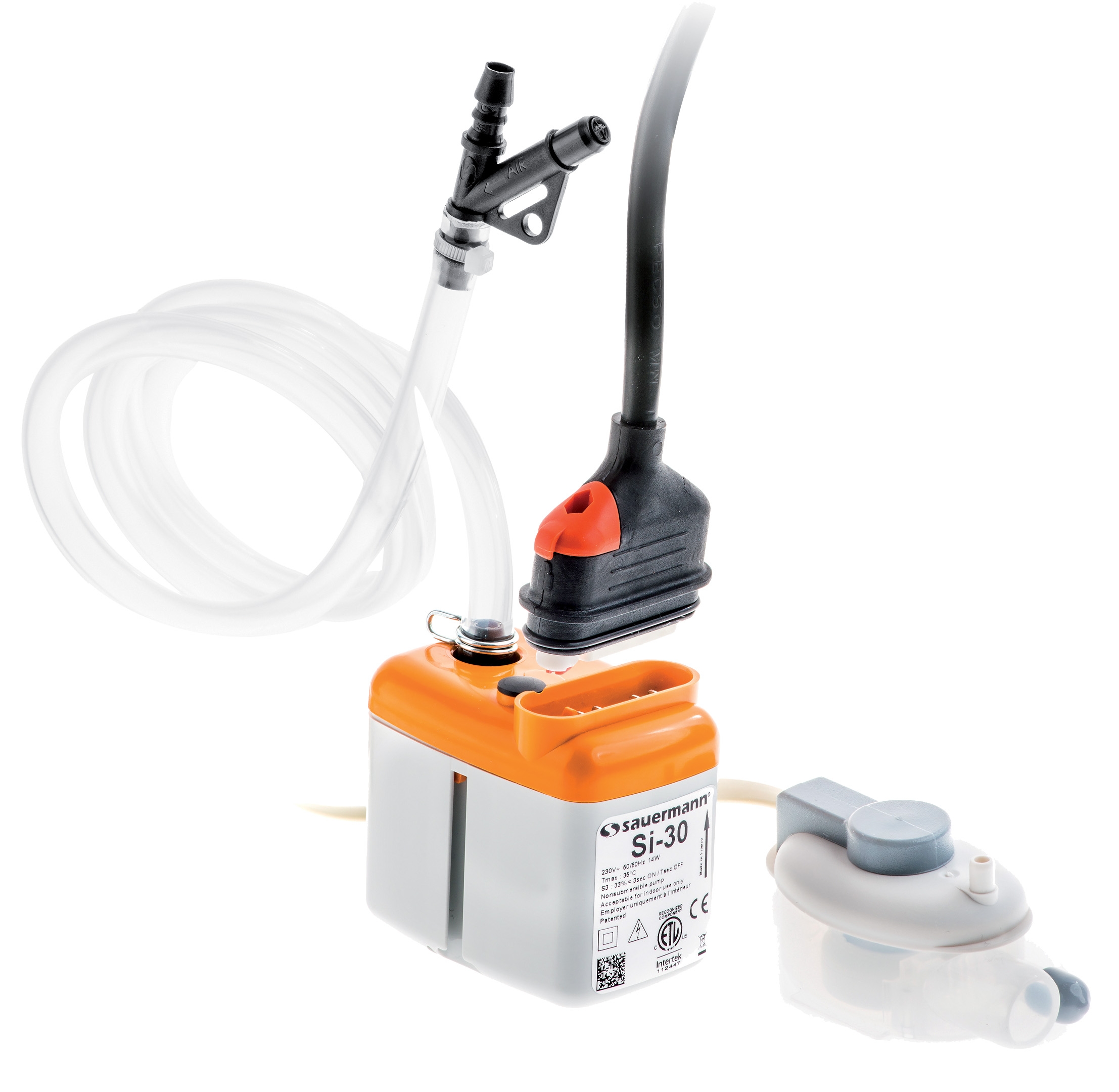
For example, the Grundfos SI-30 condensate pump in air conditioning systems should be serviced every 6 months in Singapore's humid climate, even if running hours suggest longer intervals. Condensate buildup and mineral deposits accelerate seal wear far more rapidly than dry-climate applications.
Section 2: Condition-Based Monitoring and Predictive Indicators
Implementing Oil and Fluid Analysis Programs
Fluid condition directly reflects internal component health. Establish quarterly oil analysis programs for all high-pressure systems:
Key Analysis Parameters:
- Viscosity stability: Oil viscosity change >10% indicates thermal stress or contamination (critical for Pratissoli KF30 pumps operating at 40 kW continuous duty)
- Particle count: ISO 4406 particle counts trending upward indicate wear progression. Maintain target ISO 18/16/13 for high-pressure systems
- Water content: Tropical humidity drives water absorption; maintain <200 ppm for hydraulic systems
- Acid number (TAN): Oxidation indicated by rising TAN suggests coolant/filtration system failure
- Ferrous content: Iron particles increase 50-100 ppm when bearing/gear wear accelerates
Partnering with Singapore-based fluid testing laboratories enables 48-72 hour turnaround, allowing rapid response to trending issues.
Vibration Analysis and Thermal Monitoring
Modern predictive maintenance relies on continuous or periodic vibration and temperature monitoring:
Vibration Signature Development:
1. Baseline establishment: Capture 30-second vibration signatures at multiple points (pump inlet, discharge, motor base) using portable FFT analyzers when equipment is new or recently serviced
2. Frequency domain analysis: Identify characteristic frequencies:
- Bearing defect frequencies (typically 2-5 kHz)
- Pump shaft harmonics (fundamental running speed × number of pump elements)
- Cavitation signatures (broadband noise >8 kHz)
3. Trending: Establish alert thresholds at 1.5× baseline amplitude and alarm at 2.0× baseline
Thermal Monitoring:
For compact gear pumps and high-pressure units, temperature rise directly correlates with remaining service life:
- Normal operation: Discharge temperature 5-8°C above inlet
- Caution: 10-12°C rise (check suction pressure, filter loading)
- Alert: 15°C+ rise (schedule service within 100 hours)
- Alarm: >20°C rise (shut down; internal damage likely)
Install thermocouples at pump discharge and return lines. Log data hourly via Building Management Systems (BMS) or simple dataloggers.
Acoustic Monitoring and Cavitation Detection
Plant managers often overlook acoustic changes as early warning indicators. Cavitation in centrifugal systems or gear pump wear generates characteristic high-frequency noise (typically 20-40 kHz) audible as grinding or crackling sounds.
Establish acoustic baselines using smartphone sound measurement apps (calibrated apps achieve ±2 dB accuracy) at fixed distances from pump housings. Increases >5 dB at pump location warrant investigation.
Section 3: Maintenance & Service Documentation, Planning, and Spare Parts Strategy
Structured Service Documentation and Work Order Management
Effective Maintenance & Service requires disciplined documentation:
Pre-Service Documentation:
- Equipment nameplate data (model, serial number, rated capacity)
- Operating history (cumulative hours, duty cycle, failure history)
- Fluid specifications (type, grade, ISO cleanliness target)
- Environmental conditions (ambient temperature, humidity, contamination exposure)
- Pre-service measurements (discharge pressure, flow rate, temperature, vibration)
- Visual inspection findings (seal condition, corrosion, debris)
- Fluid samples taken and analysis results (when applicable)
- Parts replaced with part numbers and quantities
- Post-service measurements (pressure, flow, temperature, vibration)
- Technician certification level and hours logged
- Next service interval calculation based on actual hours and condition findings
- Photographs of any anomalies discovered
Maintain digital records in cloud-based CMMS (Computerized Maintenance Management System) platforms accessible to plant managers, allowing real-time visibility into equipment status across all facilities.
Strategic Spare Parts Inventory for High-Pressure Systems
Singapore's geographic position creates supply chain advantages but also demands intelligent parts planning. Import lead times for specialized European pumps (Interpump, Pratissoli) range 4-8 weeks; spare parts must be strategically stocked.
Critical Spare Parts for High-Pressure Pump Systems:
Maintain minimum inventory coverage:
- Seal kits (hydraulic and mechanical seals): 2 complete sets per pump model
- Bearing assemblies: 1 set per critical equipment unit
- Shaft sleeves and bushings: 1 set per high-pressure pump
- Filter elements: Minimum 3-month supply based on consumption rates
- Fluid reserves: 50% of system capacity in sealed, controlled storage
For HVAC systems, vacuum pump components and condensate pump seals should be stocked with 6-month coverage given rapid wear in tropical conditions.
Vendor Relationship Management and Service Provider Selection
3G Electric's 35+ years in industrial distribution demonstrate that equipment reliability depends not just on initial component selection but on the competence of service providers performing Maintenance & Service work.
Service Provider Qualification Requirements:
- Technical certifications: Technicians should hold relevant manufacturer training certificates
- Equipment: Proper diagnostic tools (pressure gauges calibrated annually, FFT analyzers, oil testing capabilities)
- Documentation standards: Providers must deliver comprehensive service reports within 24 hours
- Spare parts access: Ability to source OEM components or approved equivalents within Singapore or regional networks
- Response capability: Critical equipment warrants 24/7 service availability
Establish Service Level Agreements (SLAs) specifying response times, work quality standards, and performance warranties on service work.
Section 4: Advanced Maintenance & Service Planning for Mixed Equipment Environments
Coordinating Maintenance & Service Across Diverse Pump and Fluid Systems
Most industrial plants operate heterogeneous equipment portfolios—combining high-pressure gear pumps (Interpump E1D1808-000), industrial centrifugals (Pratissoli KF30), and HVAC subsystems (Grundfos SI-30). Coordinated Maintenance & Service planning prevents cascading failures and optimizes technician efficiency.
Integrated Scheduling Framework:
1. System mapping: Document all fluid systems and their interdependencies. Identify common return manifolds, shared reservoirs, or cascaded pressure stages.
2. Synchronized intervals: Align Maintenance & Service windows where systems share fluid to maximize technician efficiency and minimize total system downtime.
3. Contamination isolation: If one system exhibits elevated wear debris, isolate fluid analysis to prevent cross-contamination assumptions and unnecessary system shutdowns.
4. Seasonal optimization: Schedule major overhauls during low-production periods (common in Singapore's December-January slowdown).
Energy Efficiency and Maintenance & Service Integration
As Singapore implements increasingly stringent energy efficiency standards, Maintenance & Service directly impacts energy consumption:
- Worn pump clearances increase internal leakage, reducing volumetric efficiency by 10-15%
- Degraded motor bearings increase friction losses by 5-8%
- Blocked filters create pressure drops consuming 20-30% additional energy
Monitor energy consumption (kW or amp draw) as part of routine Maintenance & Service documentation. Upward trending in power consumption—even without corresponding flow/pressure increases—signals internal wear requiring urgent service.
Compliance and Regulatory Considerations for Singapore Operations
Singapore's Ministry of Manpower (MOM) and Workplace Safety and Health (WSH) regulations require:
- Documentation of all pressure equipment servicing and inspections
- Certified personnel performing work on equipment >1.0 MPa·L capacity
- Annual inspections for equipment operating continuously >10 MPa
- Environmental reporting for fluid disposal and recycling
Structured Maintenance & Service programs ensure compliance while reducing environmental liability. Maintain records for minimum 5 years; verify compliance annually with MOM-recognized inspection bodies.
Conclusion: Building Sustainable Maintenance & Service Excellence
Transforming Maintenance & Service from a cost center into a competitive advantage requires systematic implementation of baseline metrics, condition monitoring, disciplined documentation, and strategic parts planning. Plant managers who invest in these frameworks consistently achieve:
- 35-50% reduction in unplanned equipment downtime
- 15-25% extension of component service life
- 20-30% reduction in energy consumption per unit output
- Improved regulatory compliance and reduced environmental risk
3G Electric's experience supporting Southeast Asian industrial operations confirms that disciplined Maintenance & Service management delivers measurable ROI. Start with your most critical equipment, establish baseline metrics within 30 days, and progressively expand systematic monitoring across your facility. The technical frameworks outlined here are proven, practical, and essential for modern plant management in Singapore's competitive industrial environment.