Understanding Maintenance & Service Requirements for High-Pressure Spray Systems
Maintenance & Service excellence for industrial spray equipment extends beyond routine maintenance schedules—it requires comprehensive understanding of component interactions, pressure dynamics, and Singapore's specific regulatory environment. As a distributor serving the industrial equipment sector for 35+ years, 3G Electric has supported procurement teams across manufacturing, surface treatment, and precision coating applications where spray system reliability directly impacts production output and safety compliance.
High-pressure spray systems operate at pressures ranging from 200 bar to over 600 bar, demanding rigorous attention to hydraulic fluid condition, pump performance, and accessory integrity. Unlike lower-pressure systems, high-pressure equipment experiences accelerated wear on internal components, seals, and control mechanisms. Procurement engineers must balance capital expenditure on quality components against operational costs associated with premature failure, unplanned downtime, and safety incidents.
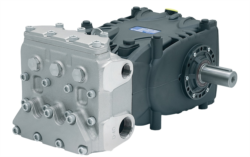
The Pratissoli KF30 high-performance pump exemplifies industrial-grade equipment requiring systematic maintenance protocols. With its 106 L/min flow capacity and 200 bar rating, this Italian-engineered pump demands precise fluid management and predictable service intervals. Coupling this with complementary components like the Interpump GEARBOX RS500 transmission accessory ensures optimal power transmission while maintaining mechanical efficiency across operational cycles.
Component-Specific Maintenance Protocols and Service Intervals
Pump and Drive System Maintenance
Industrial pumps represent the capital-intensive core of spray systems. The KF30 pump's 40 kW power rating and 72 kg integrated design requires established maintenance disciplines:
Hydraulic Fluid Management:
- Implement ISO 4406 contamination coding protocols; maintain ISO 16/14/11 cleanliness standards minimum
- Conduct quarterly fluid sampling for viscosity, total acid number (TAN), and particle count analysis
- Replace hydraulic fluid at 2,000-hour intervals or when TAN exceeds 0.5 mg KOH/g
- Maintain fluid temperature between 40–50°C during operation to preserve lubricant film strength
- Use only mineral-based or synthetic hydraulic fluids meeting ISO 11158 specifications
- Monitor discharge pressure and flow rate weekly using calibrated instrumentation
- Implement pressure monitoring systems with alarm thresholds at 90% maximum rated pressure
- Record baseline noise signatures during commissioning; investigate anomalies exceeding 5 dB variation
- Inspect pump inlet for cavitation indicators (erosion, surface pitting) during scheduled shutdowns
- Schedule bearing replacement at 8,000-hour intervals or when vibration analysis indicates degradation
Spray Accessory and Nozzle Service
The Pratissoli PISTOLA P560*LANCIA 1000 ATEX spray gun presents unique maintenance demands given ATEX compliance requirements and 600 bar operational rating:
Nozzle and Orifice Maintenance:
- Establish daily cleaning protocols using appropriate solvents (avoid acetone with elastomer seals)
- Inspect spray patterns for deviation; asymmetrical spray indicates orifice erosion requiring replacement
- Store nozzles in sealed containers to prevent dust contamination between operational cycles
- Implement nozzle rotation schedules for multi-nozzle arrays to distribute wear uniformly
- Replace ceramic inserts every 500 operating hours or when flow reduction exceeds 10%
- Document fluid type and compatibility; elastomer degradation accelerates with incompatible hydraulic fluids
- Inspect seals quarterly for swelling, hardening, or surface cracking
- Maintain seal kit inventory aligned with equipment specifications (NBR, FKM, or PTFE variants)
- Perform complete seal replacement during pump overhauls regardless of visual condition
- Establish preventive seal replacement schedule at 4,000 operating hours
Control Valve and Solenoid Maintenance
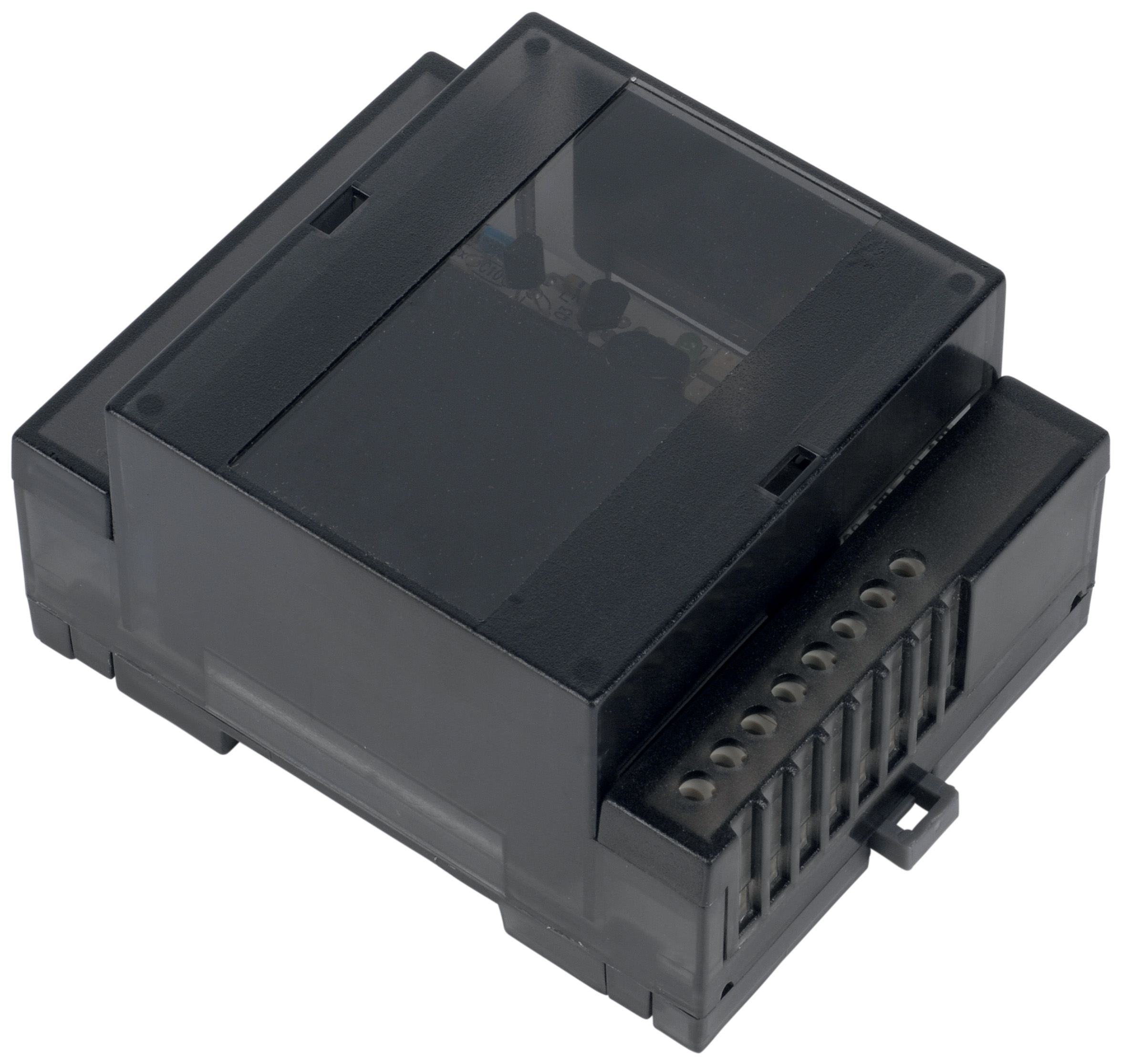
The Elektrogas EVRM NA 7 solenoid valve exemplifies critical control components requiring specialized service:
Solenoid Valve Diagnostics:
- Test solenoid coil resistance monthly; acceptable range typically 150–300 ohms (verify against equipment specifications)
- Confirm 24VDC or 110VAC power supply stability; voltage fluctuations >10% cause intermittent operation
- Inspect connector pins for corrosion; clean with fine abrasive material and apply dielectric grease
- Perform functional testing (opening/closing cycle) daily with pressure gauge confirmation
- Monitor power consumption; elevated consumption indicates coil insulation degradation
- Implement inline filtration upstream of solenoid valves (10 micron absolute rating minimum)
- Document fluid pressure at valve inlet and outlet; excessive pressure drop indicates internal blockage
- Replace solenoid valve cartridges every 10,000 operational hours or when pilot pressure loss exceeds 5 bar
- Inspect valve body ports for erosion or thread damage during overhaul cycles
- Establish annual pressure testing to confirm seat integrity and pilot function
Pressure Monitoring Systems and Diagnostic Instrumentation
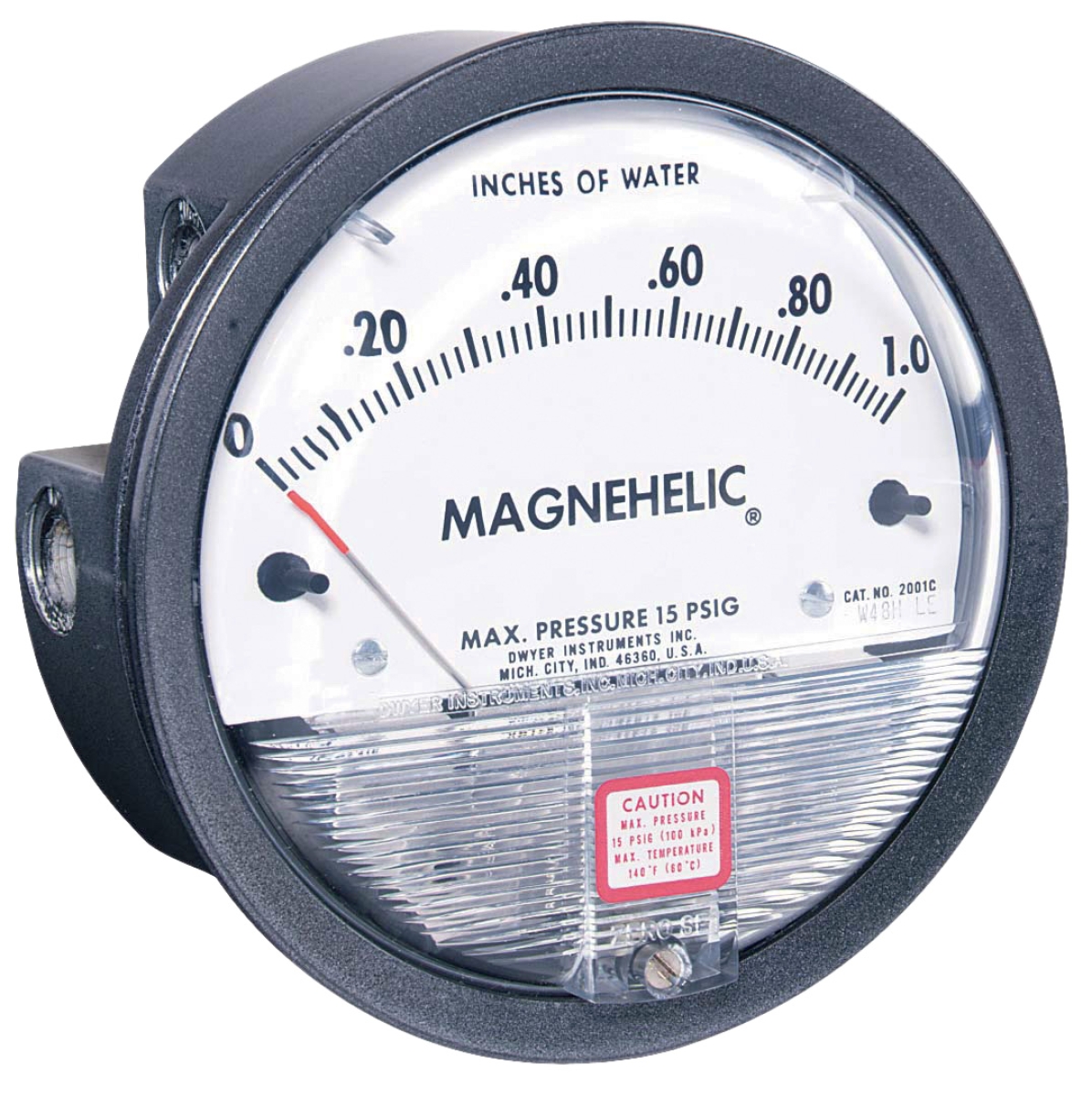
Accurate pressure measurement directly impacts diagnostic reliability and safety compliance. The Dwyer Magnehelic differential pressure gauge provides essential monitoring capability for system health assessment:
Pressure Gauge Selection and Installation:
- Install permanent differential pressure gauges on pump discharge and return lines
- Position gauges in protected locations with snubbers to dampen pressure pulsation
- Implement dial gauges with accuracy of ±2% full-scale deflection for diagnostic reliability
- Maintain calibration certificates; verify gauge accuracy annually against master pressure standards
- Install isolation ball valves downstream of gauges enabling maintenance without system depressurization
- Establish baseline pressure readings during commissioning under standardized load conditions
- Document pressure rise during idle periods; rates exceeding 10 bar/minute indicate internal leakage
- Monitor pressure response to load changes; sluggish response suggests pump wear or valve restriction
- Track pump discharge pressure against flow rate; pressure increase without load indicates pump degradation
- Implement quarterly pressure log reviews to identify progressive degradation patterns
When utilizing the Interpump GEARBOX RS500 transmission accessory, monitor output pressure maintaining accurate power transmission assessment:
- Confirm transmission ratio accuracy (2.2:1 specification) through simultaneous input/output pressure measurement
- Verify output pressure equals input pressure multiplied by transmission ratio within ±5% tolerance
- Monitor gear efficiency by comparing theoretical versus actual output flow
- Inspect transmission output shaft alignment quarterly to prevent bearing wear
Service Documentation, Spare Parts Management, and Compliance Framework
Maintenance Record Systems
Systematic documentation enables data-driven maintenance optimization and compliance verification:
Essential Documentation Elements:
- Establish equipment serial number registries linked to commissioning dates and original specifications
- Maintain service logs recording date, technician identity, work performed, parts replaced, and operational hours
- Document fluid sampling results with analysis dates and recommended actions
- Record pressure readings, flow measurements, and temperature data at established intervals
- Create photographic records of component conditions during overhauls
- Implement digital asset management systems providing historical trend analysis and predictive alerts
Spare Parts Strategy for Singapore Operations
Spare parts availability directly impacts downtime duration and repair costs:
Critical Spare Parts Inventory:
Maintain minimum stock levels for components with extended lead times:
- Pump seal kits (NBR and FKM variants aligned with fluid specifications)
- Spray nozzle assemblies with ceramic inserts (3–5 units per nozzle size)
- Solenoid valve cartridges and replacement coils
- Hydraulic hoses with fittings (pressure-rated to 250% of system maximum)
- Transmission gearbox fluid and filter elements
- System filters (suction, pressure, and return line configurations)
Partner with qualified distributors maintaining Singapore warehouse inventory. 3G Electric's 35+ years as an industrial equipment distributor positions our organization to support rapid component availability, technical specification verification, and compatibility assessment across Pratissoli, Elektrogas, Interpump, and Dwyer product families.
Regulatory Compliance Framework
Singapore's Workplace Safety and Health (WSH) Act establishes mandatory maintenance requirements:
Compliance Requirements:
- Conduct equipment inspections before initial operation and annually thereafter
- Maintain statutory maintenance records for minimum 5-year retention period
- Implement competency-based technician certification for high-pressure system service
- Document ATEX compliance verification for equipment operating in hazardous locations (validate PISTOLA P560*LANCIA 1000 ATEX certification status)
- Engage Singapore-qualified pressure equipment inspectors for hydrostatic testing at 5-year intervals
- Establish emergency response protocols for pressure relief valve failures or hose ruptures
Procurement Strategy and Long-Term Cost Optimization
Procurement engineers should structure component selection and service contracts balancing capital expenditure with total cost of ownership:
Component Selection Criteria:
1. Match pressure ratings with actual system requirements; over-specification increases costs without performance benefits
2. Evaluate fluid compatibility across all components; mixing elastomer types creates seal degradation risks
3. Assess spare parts availability through established distributor relationships
4. Confirm technical support capacity; 3G Electric's technical team provides application engineering and specification guidance
5. Validate warranty terms and conditions; extended warranties justify premium component selection
Service Contract Optimization:
- Negotiate fixed-price maintenance plans covering fluid sampling, seal replacement, and pressure testing
- Implement condition-based maintenance reducing frequency-based service costs by 20–30%
- Establish technician training programs reducing field service labor costs
- Coordinate purchasing of consumables (fluids, filters, seals) achieving volume discounts through centralized procurement
Through systematic application of these Maintenance & Service protocols, procurement engineers optimize industrial spray system reliability while achieving measurable reductions in unplanned downtime and repair expenditure across Singapore operations.