Understanding Maintenance & Service Fundamentals for High-Pressure Systems
Maintenance & service in high-pressure industrial equipment requires more than routine oil changes and filter replacements. It demands a systematic approach to identifying problems before they cause catastrophic failures. With over 35 years of experience serving industrial operations across Southeast Asia, 3G Electric has helped thousands of professionals understand that effective maintenance & service combines preventive inspections, real-time monitoring, and swift corrective action.
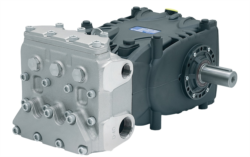
High-pressure systems—including pumps, solenoid valves, and spray equipment—operate at extreme conditions. The Pratissoli KF30 high-performance pump operates at 200 bar with flows up to 106 L/min, making proper maintenance & service essential for reliability. Systems operating in Southeast Asia's humid, corrosive coastal environments face accelerated wear. Your maintenance & service program must account for salt spray exposure, temperature fluctuations, and the demands of continuous-duty industrial applications.
The cost of poor maintenance & service is significant. Unplanned downtime in food processing, chemical manufacturing, or industrial cleaning operations can result in lost production valued at thousands of dollars per hour. A structured maintenance & service approach reduces emergency repairs by 60-70% and extends equipment lifespan by 3-5 years, making it a direct investment in operational profitability.
Practical Troubleshooting: Diagnosing Common High-Pressure System Failures
When high-pressure equipment fails, industrial professionals need fast, accurate diagnostics. Effective maintenance & service troubleshooting follows a logical sequence: pressure measurement, flow verification, component isolation, and root cause analysis.
Pressure Loss Diagnosis
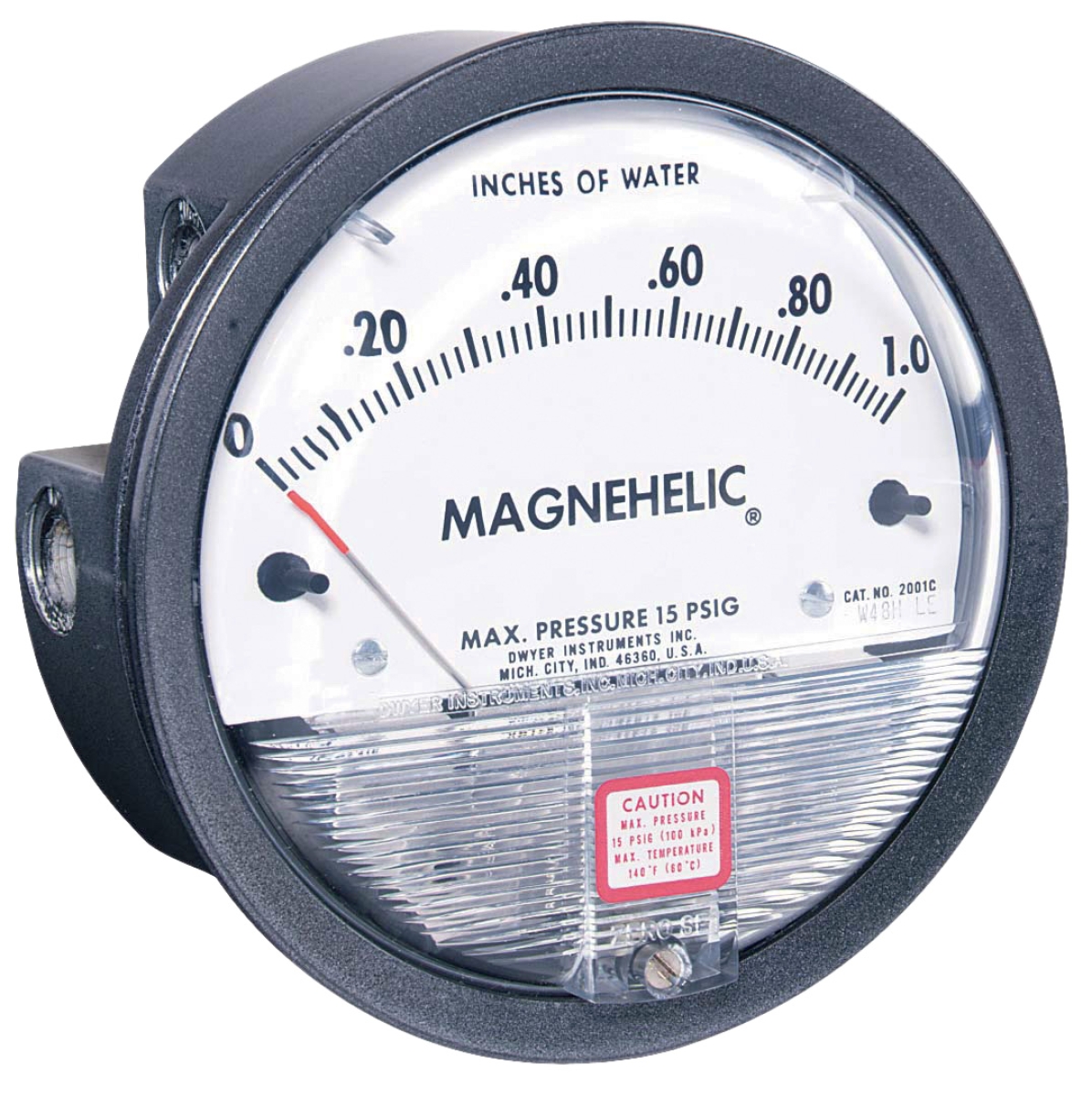
Pressure drops are the most common complaint. Begin maintenance & service diagnosis by measuring actual system pressure at multiple points using a reliable pressure gauge. The Dwyer Magnehelic differential pressure gauge provides precise 0–8 kPa readings, helping you identify whether pressure loss occurs at the pump outlet, in distribution lines, or at the point of use.
When pressure is low at the pump outlet:
- Check pump inlet for cavitation (air in the line)
- Verify suction strainer condition (should show minimal differential pressure)
- Test pump displacement by measuring flow rate
- Inspect pump seals for external leakage
When pressure is normal at the pump but low at equipment:
- Inspect all hose connections for weeping leaks
- Check solenoid valve operation—the Elektrogas solenoid valve EVRM NA 7 may require cleaning of internal passages
- Verify control system signals are reaching valve coils
- Test quick-disconnect couplings for internal leakage
Insufficient flow often indicates pump wear or improper driver speed. Maintenance & service protocols should include baseline flow measurements during commissioning. If current flow drops below 90% of baseline:
1. Verify driver speed matches pump nameplate requirements
2. Check transmission ratio—if using a gearbox like the Interpump RS500, confirm coupling alignment and oil level
3. Measure pump case pressure (return line pressure) to identify internal leakage
4. Inspect pump inlet conditions for restrictions
Solenoid Valve Problems
Solenoid valve failures account for 15-20% of system downtime in Southeast Asian industrial operations. Maintenance & service for valves includes:
- Coil diagnostics: Verify 24V or 110V power at the solenoid coil terminals using a multimeter. No voltage indicates control system failure; proper voltage but no valve movement suggests coil burnout.
- Spool stiction: Valves may hold pressure but respond slowly to commands. Clean the spool cavity using clean hydraulic fluid and manual actuation.
- Contamination: Even small particulates jam solenoid valve spools. Install or clean 10-micron return-line filters and consider offline fluid conditioning during maintenance & service intervals.
Maintenance & Service Inspection Routines and Component Monitoring
Systematic inspection prevents the small issues that become big problems. Establish a maintenance & service calendar based on equipment hours, not just calendar days. High-utilization equipment in food processing or chemical applications may require maintenance & service checks every 500-1000 hours; moderate-use equipment in packaging or material handling can extend to 2000-3000 hours.
Weekly Visual Inspections (Maintenance & Service Checklist)
- Pump and motor mounting bolts (vibration loosens fasteners)
- Hose routing near heat sources or sharp edges
- Fluid level in reservoir (low fluid indicates leaks)
- External leakage at pump seals, solenoid connections, and quick couplings
- Audible noise changes (grinding indicates bearing wear)
- Temperature rise during operation (indicates internal friction or blockage)
- Pressure gauge readings under typical load conditions
- Solenoid valve response time (should be <500 milliseconds)
- Spray pattern quality if using Pratissoli PISTOLA P560*LANCIA 1000 ATEX spray equipment
- Return-line filter differential pressure (replace if exceeds 3.5 bar)
- Fluid temperature stability (should not exceed +60°C during operation)
- Send fluid samples for laboratory analysis (particle count, water content, viscosity)
- Measure actual pump case pressure to quantify internal leakage
- Inspect all quick couplings for wear and internal damage
- Test emergency shutoff systems and safety interlocks
- Record baseline vibration readings using a portable vibration meter
These maintenance & service data points establish trends. A 5-bar monthly increase in pump case pressure suggests progressive seal wear. A 10% monthly flow decrease indicates pump degradation. Trending allows you to schedule maintenance & service during planned downtime rather than responding to emergencies.
Component Replacement Strategy and Lifecycle Management
Proper maintenance & service includes knowing which components to replace before failure and which components to monitor. 3G Electric's 35-year history in industrial distribution shows that planned component replacement is 70% less expensive than emergency repairs.
High-Priority Maintenance & Service Replacements
Certain components should be replaced on fixed intervals regardless of condition:
- Pump seals: Replace every 3 years or 5000 operating hours (whichever comes first). Seal failure can damage the pump barrel.
- Return-line filters: Replace every 500-1000 hours. Clogged filters reduce system cooling and increase pressure.
- Solenoid valve coils: If you observe slow response or erratic operation during maintenance & service checks, replace coils before complete valve failure occurs.
- Hoses and fittings: Inspect annually; replace if external wear, bulging, or corrosion is visible. In coastal Southeast Asian environments, replace hoses every 18-24 months due to salt spray exposure.
Other components should be replaced based on performance data:
- Pump drive shafts and couplings: Monitor vibration trends. If vibration increases consistently month-over-month, replace during the next planned shutdown.
- Pressure relief valves: Test annually using a certified test gauge. If relief pressure drifts more than ±5 bar, replace the valve.
- Quick couplings: Replace when leakage appears during maintenance & service inspection or when pressure drop across the coupling exceeds 2 bar.
Maintain detailed maintenance & service logs including:
- Date, time, and technician name
- Equipment model, serial number, and operating hours
- Measured parameters (pressure, flow, temperature)
- Components inspected, cleaned, or replaced
- Parts source and serial numbers (for traceability)
- Cost of parts and labor
- Next scheduled maintenance & service date
These records support warranty claims, prove compliance with safety standards, and provide data for lifecycle cost analysis. When disputes arise regarding equipment reliability, maintenance & service documentation is your primary defense.
Optimizing Maintenance & Service for Tropical Southeast Asian Conditions
Southeast Asian industrial environments present unique maintenance & service challenges. High humidity, salt spray in coastal regions, and temperature swings from 15°C at night to 40°C+ during the day create accelerated corrosion and fluid degradation.
Fluid Management Maintenance & Service Strategies
- Use ISO VG 46 hydraulic fluid rated for tropical environments (higher oxidation stability)
- Change fluid every 2000 hours or annually, whichever comes first (tropical conditions accelerate oil breakdown)
- Store spare fluid in sealed, temperature-controlled areas
- Perform quarterly water analysis; if water content exceeds 500 ppm, implement offline dehydration
- Apply thin-film rust preventative to exposed pump and motor shafts during maintenance & service intervals
- Use stainless steel fittings in coastal installations instead of zinc-plated steel
- Install desiccant breathers on reservoir fill ports to prevent moisture ingress
- Drain moisture traps weekly in operations running 24/7
Tropical heat accelerates fluid degradation. During maintenance & service planning:
- Verify cooler capacity matches actual heat generation (many systems run 10-15°C hotter than design specifications)
- Clean cooler fins monthly; use compressed air or soft brushes (water damage to cooler cores is permanent)
- Monitor discharge temperature; if cooling capacity declines, suspect internal fouling
With 3G Electric's established supply chain across Southeast Asia, maintain critical spare parts inventory:
- Pump seals and shaft sleeves (3 sets minimum)
- Return-line filter elements (6-month supply)
- Solenoid valve coils for critical control valves (2 units each)
- Quick-coupling repair kits
- High-pressure hose assemblies (pre-made to your system specifications)
- Pressure relief valve cartridges
Stocking these items locally eliminates multi-week import delays during equipment failures, converting potential weeks of downtime into hours.
Summary: Implementing an Effective Maintenance & Service Program
Industrial professionals in Southeast Asia operate in competitive markets where equipment reliability directly impacts profitability. A structured maintenance & service program—combining preventive inspections, systematic troubleshooting, component monitoring, and planned replacements—reduces emergency repairs by 60-70% and extends equipment lifespan significantly.
The investment in maintenance & service discipline pays dividends: lower total cost of ownership, improved safety, reduced environmental risk, and predictable production schedules. Start by establishing baseline measurements of your critical equipment using precision instruments, create a maintenance & service calendar aligned with equipment hours, and commit to consistent data collection.
3G Electric supplies the components and instruments you need to execute effective maintenance & service—from precision pressure gauges to solenoid valve replacements to complete pump and gearbox assemblies. Our experience across 35+ years of industrial distribution in Southeast Asia means we understand the specific challenges your operations face and can support your maintenance & service objectives with reliable supply and technical guidance.