Why Maintenance & Service Planning Matters: The Business Case
Plant managers across Singapore face increasing pressure to maintain production schedules while managing tighter budgets. Unplanned equipment failures don't just halt operations—they cascade through supply chains, damage customer relationships, and inflate repair costs by 300-400% compared to scheduled maintenance.
Maintenance & Service isn't optional overhead; it's a strategic investment. After 35+ years supplying industrial equipment to manufacturing facilities across Asia-Pacific, 3G Electric has documented the clear pattern: facilities with structured maintenance programs report 40% fewer emergency repairs and 25% longer equipment lifespan.
This guide addresses the practical realities plant managers face when scheduling maintenance & Service for high-pressure systems, gear pumps, pressure regulators, and spray components that form the backbone of industrial operations.
Developing Your Maintenance & Service Timeline: Component-Specific Intervals
High-Pressure Pump Systems
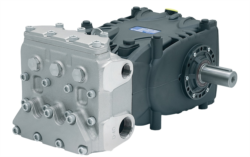
Industrial pumps like the Pratissoli KF30 (106 L/min, 200 bar) represent significant capital investment. Your maintenance & Service schedule must account for operating hours, not just calendar time.
Critical inspection points:
- 500 operating hours: Visual inspection of pump body for seal weeping, coupling alignment verification, baseline vibration reading (establish your normal baseline here)
- 1,000 operating hours: Oil analysis sample collection (send to certified lab; this catches internal wear before catastrophic failure), seal inspection, pressure gauge calibration check
- 2,000 operating hours: Full seal replacement (preventive), bearing pack inspection, coupling replacement if any measurable runout detected
For higher-capacity units like the Pratissoli MW40 (211 L/min, 210 bar), increase interval tracking precision because downtime costs multiply with system size. Create a digital maintenance log—spreadsheets work, but computerized systems eliminate scheduling errors.
Practical tip: Schedule oil analysis before oil change intervals. Lab results guide whether you're changing oil on schedule or allowing extended intervals, directly impacting maintenance & Service costs.
Pressure Regulator Maintenance & Service
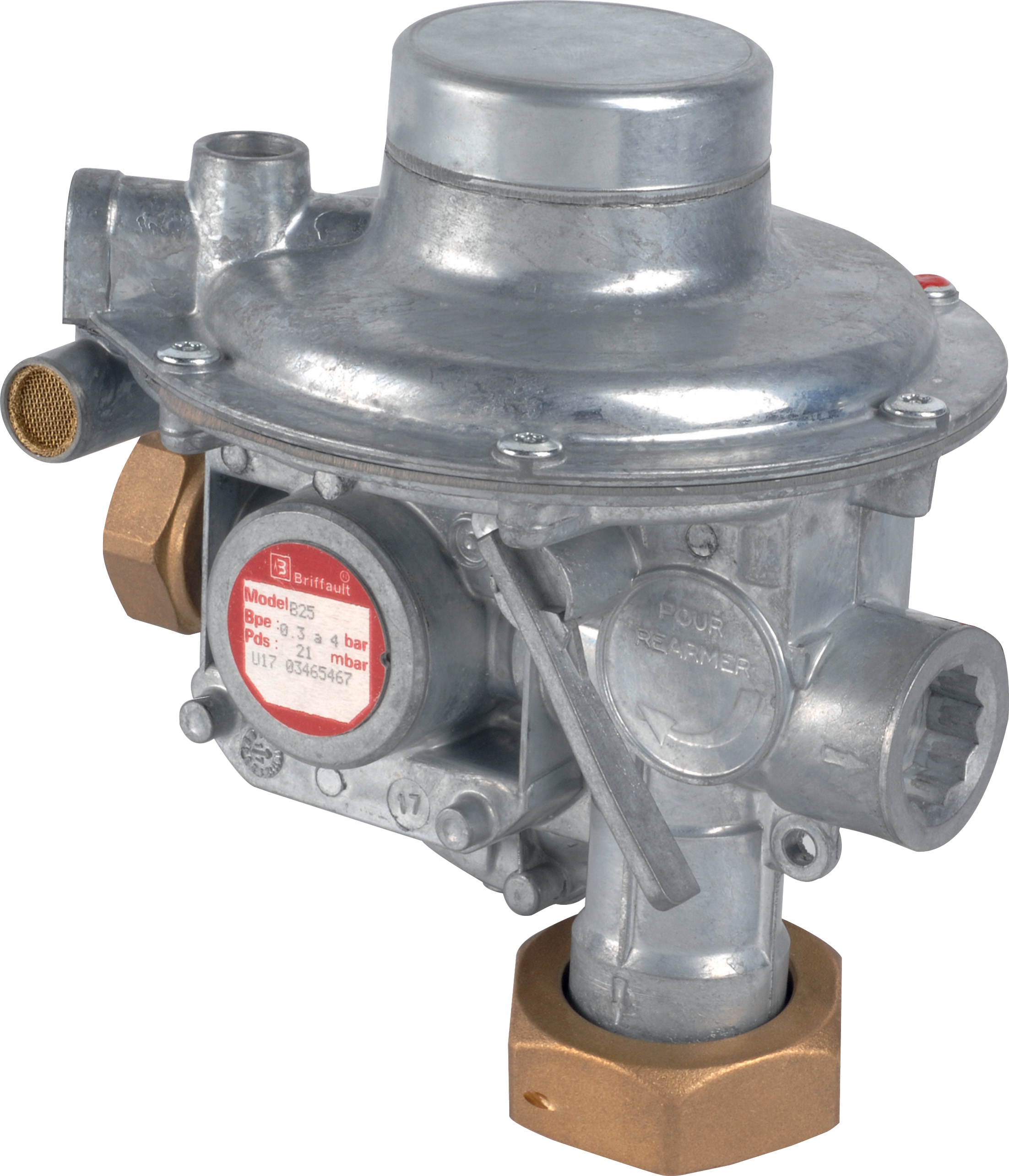
The Francel B25/37mb pressure regulator with integrated safety relief requires different care than pumps. Regulators fail unpredictably unless maintained systematically.
Your maintenance & Service checklist:
- Monthly: Outlet pressure verification (compare gauge reading to design spec of 37 mbar; any deviation signals internal degradation)
- Quarterly: Vent port inspection (ensure 10 mm vent remains unobstructed; dirt buildup prevents proper relief function)
- Semi-annually: Seat and spring integrity testing (bench test: gradually increase input pressure, confirm relief valve pops at specified setpoint ±3%)
- Annually: Seal replacement (preventive; regulators experience micro-leaks invisible during normal operation)
Regulators are often overlooked in maintenance & Service plans because they fail silently until system pressure destabilizes. Document your testing procedures and thresholds so all technicians follow identical standards.
Spray System Components
Nozzles like the Euspray flat jet nozzle HP 1/4" M BSPT wear predictably. Spray pattern degradation directly impacts product quality, making maintenance & Service essential for quality control, not just uptime.
Maintenance & Service intervals:
- Weekly: Visual spray pattern check against baseline (photograph the pattern when new for comparison)
- Monthly: Nozzle cap removal and internal bore inspection using bore light (deposits form quickly in high-pressure applications)
- Quarterly: Ultrasonic cleaning of nozzle internals or replacement if cleaning doesn't restore pattern
- As-needed: Index position verification (the 25° spray angle must stay consistent; any deviation signals wear)
Keep spare nozzles in stock. The cost of holding $200 in spare components is negligible versus the cost of emergency downtime waiting for replacements.
Compact Gear Pump Maintenance & Service
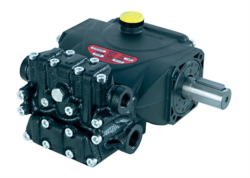
Compact units like the Interpump PUMP E1D1808 (8 L/min, 180 bar, 2.72 kW) are often overlooked because their small size suggests simplicity. This leads to catastrophic failures.
Maintenance & Service protocol:
- Every 300 operating hours: Input/output port pressure differential measurement (rising differential indicates internal wear)
- Every 600 operating hours: Vibration signature capture and trending (early degradation shows up in 10-15 kHz frequency band before audible noise appears)
- Annually: Bearing pack replacement, seal refresh, and gear tolerance verification
Small pumps are typically cheaper to replace than repair, but planned replacement costs 70% less than emergency replacement during production.
Creating Your Maintenance & Service Documentation System
Digital Records That Actually Work
Plant managers who succeed with maintenance & Service use documentation systems that inform scheduling decisions, not just record what was done.
Essential data to track:
- Operating hours (not calendar days—a pump running 2 hours daily needs different schedules than one running 10 hours daily)
- Measured parameters at each service point (pressures, temperatures, vibration readings, oil analysis results)
- Environmental conditions (ambient temperature, humidity, contamination exposure—these accelerate wear independently of usage)
- Component serial numbers and purchase dates (enables warranty claim processing and supplier communication)
- Technician name and notes (accountability and knowledge retention)
When you capture actual measured data rather than just checkbox completion, you gain predictive power. Patterns emerge—for instance, you might discover that one pump consistently shows high inlet pressure differentials, signaling a filter clogging issue rather than internal pump wear.
Planning for Supply Chain Realities in Singapore
While 3G Electric maintains local stock of premium components, maintenance & Service planning must account for replacement lead times. If a regulator or nozzle requires 5-7 business days to ship from distributor stock, you cannot afford to wait until failure to order replacements.
Best practice: Establish minimum stock levels for critical wear items:
- Seals and gaskets: 2x expected annual consumption
- Nozzles: 1 spare per operating nozzle
- Pressure gauges: 1 spare per system
- Coupling spares: Plan replacement every 3-4 years
Share your maintenance & Service schedule with your 3G Electric account manager. Proactive distributors help you anticipate needs and optimize delivery timing.
Troubleshooting Common Maintenance & Service Failures
When Scheduled Maintenance & Service Doesn't Prevent Failures
If you're maintaining equipment on schedule but still experiencing failures, investigate systematically:
Pump failures during scheduled intervals:
Often caused by contaminated oil bypassing filters or cavitation from low inlet pressure. Request oil analysis at failure; results reveal whether internal wear accelerated due to particulate contamination or water contamination (suggests inlet flooding or seal failure).
Regulator drift between service intervals:
Typically indicates seat erosion progressing faster than expected. This happens when input pressure spikes exceed relief valve design range. Check upstream pressure control—your regulator may be fighting system instability.
Nozzle pattern degradation:
Often misdiagnosed as nozzle wear when root cause is pump cavitation or supply pressure instability. Before replacing nozzles, verify inlet conditions.
Gear pump noise and vibration emerging suddenly:
Rare bearing or gear failure. These components have no graceful degradation—they fail suddenly. If vibration signatures were being trended, the failure pattern would have appeared 2-3 weeks earlier in spectral data, enabling planned replacement.
Maintenance & Service Planning Tools and Resources
Plant managers don't need complex software. A structured spreadsheet tracking equipment ID, next service date, service type, responsible technician, and measured parameters creates accountability and enables pattern recognition.
Your maintenance & Service program should evolve based on actual experience. After 12 months of documented service history, analyze your data:
- Which components are meeting expected intervals?
- Which are failing early, requiring interval tightening?
- What environmental or operational factors correlate with accelerated wear?
Share this analysis with 3G Electric during annual reviews. Experienced distributors can recommend component upgrades or alternative specifications that better suit your operational environment.
Key Takeaways for Plant Managers
Maintenance & Service excellence follows from three practices:
1. Establish intervals based on operating hours and measured data, not calendar time
2. Document systematically so patterns emerge and inform decision-making
3. Stock critical spares to ensure planned maintenance never creates emergency situations
With 35+ years supporting industrial operations across Singapore and the region, 3G Electric understands the specific challenges plant managers face. Our technical teams can help you develop maintenance & Service schedules tailored to your equipment mix, operating patterns, and production constraints.