Understanding Maintenance & Service Strategy for Procurement Decisions
Maintenance & Service excellence begins at the procurement stage, not in the workshop. As a procurement engineer operating in Southeast Asia's demanding industrial environment, your component selections directly impact maintenance costs, downtime frequency, and equipment lifecycle value. Over 35 years, 3G Electric has supported procurement teams across the region by helping them understand how component specifications, build quality, and supplier reliability translate into operational performance.
The challenge is clear: you cannot optimize maintenance scheduling for equipment you don't fully understand. Many procurement teams select components based solely on capital cost, then face unexpected service requirements that compound over time. This approach creates reactive maintenance cycles—expensive technician callouts, emergency spare parts orders, and production interruptions that dwarf the initial savings.
Modern Maintenance & Service planning requires three interconnected decisions: selecting equipment built for your operating environment, establishing preventive schedules matched to component design specifications, and maintaining strategic relationships with distributors who understand both your equipment and regional logistics.
Component Selection: Building Maintenance Efficiency Into Procurement
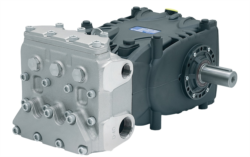
The first pillar of sustainable Maintenance & Service is choosing equipment engineered for high-reliability operation. Industrial pumps like the Pratissoli KF30 and Pratissoli MW40 exemplify this principle. Both deliver consistent performance under sustained high-pressure operation—the KF30 at 200 bar with 106 L/min flow, the MW40 at 210 bar with 211 L/min flow. Italian-engineered platforms like these reduce unpredictable failures because their designs account for thermal stability, wear patterns, and component stress distributions that experience has proven in thousands of installations.
When evaluating pumps, regulators, or nozzles for your procurement specifications, examine three maintenance-critical factors:
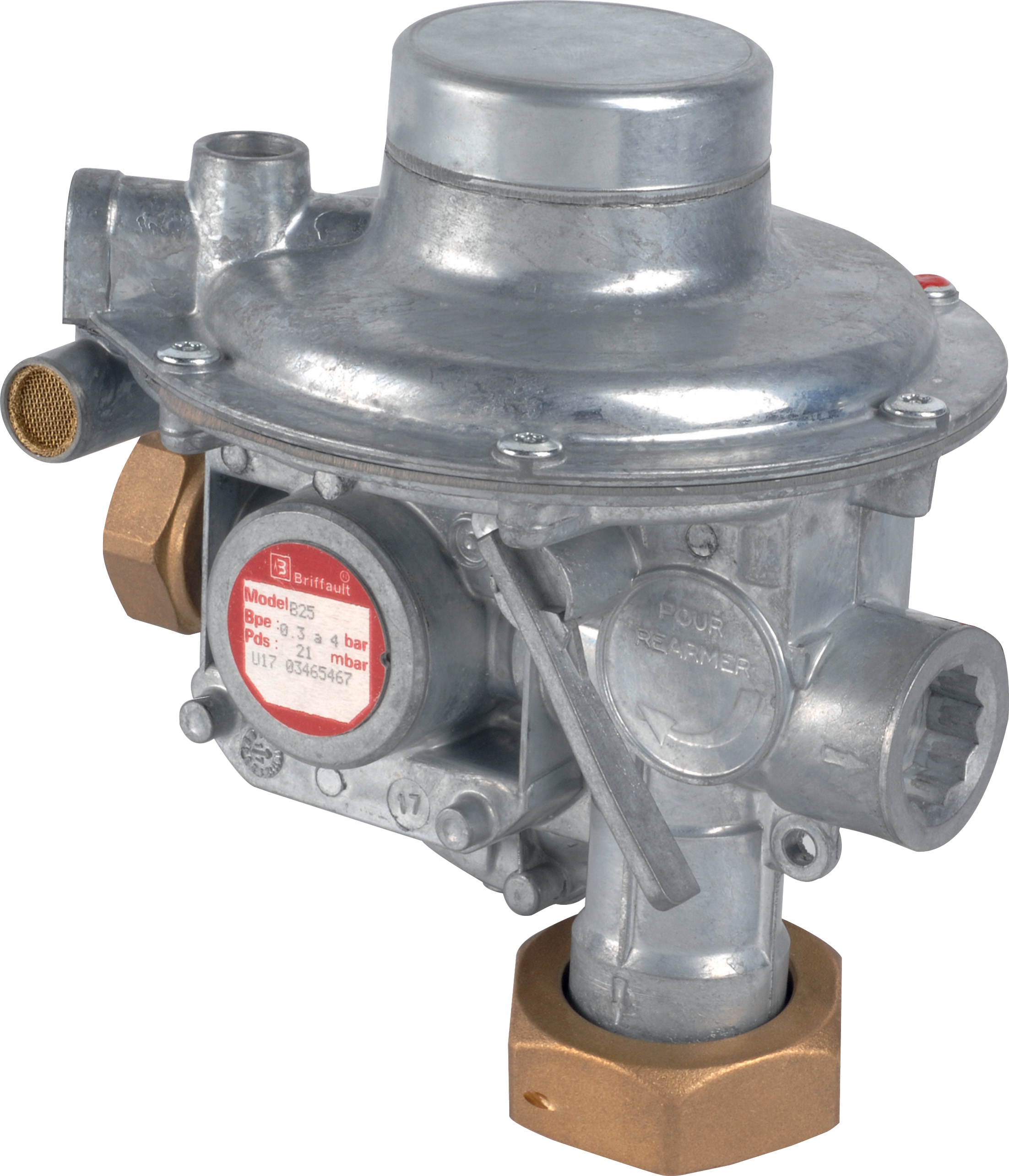
Build Redundancy and Safety Integration: Components like the Francel B25/37mb pressure regulator incorporate integrated safety relief functionality. This design eliminates a separate failure point and simplifies system diagnostics. Your maintenance team faces fewer variables to troubleshoot, and spare parts inventory becomes more predictable.
Material Specifications for Regional Conditions: Southeast Asia's humid, salt-air, and temperature-variable environment accelerates corrosion in standard steel components. Specify stainless steel or epoxy-coated variants where available, even at higher procurement cost. The maintenance savings from reduced corrosion-related service calls typically justify this upfront investment within 18-24 months.
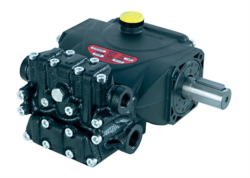
Flow and Pressure Margins: Oversizing components by 10-15% above your minimum operating requirement reduces component stress and extends service intervals. A compact Interpump E1D1808 pump delivering 8 L/min at 180 bar may cost less than a KF30, but if your process demands reliability over cost minimization, the higher-capacity unit operates further from its maximum, running cooler and experiencing less wear.
Establishing Maintenance Intervals Aligned to Component Specifications
After selecting appropriate equipment, procurement engineers must partner with operations and maintenance teams to establish realistic service schedules. This is where distributor relationships matter significantly. 3G Electric's 35 years serving industrial sectors across Southeast Asia has demonstrated that maintenance intervals are not universal—they depend on application intensity, environmental exposure, and manufacturer recommendations combined with your site conditions.
Pressure Equipment Maintenance Windows: High-pressure components like industrial pumps require baseline service at 2,000 operating hours or annually, whichever comes first. For the KF30 or MW40 pumps, this means:
- Oil analysis sampling at 1,000-hour intervals to detect wear metals, water contamination, or viscosity degradation
- Seal inspection and replacement at 3,000-4,000 operating hours (or sooner if contamination is detected)
- Bearing inspection and lubrication verification every 6 months
- Pressure relief valve testing annually to confirm setpoint accuracy
Spray nozzles like the Euspray flat jet nozzle present a different maintenance challenge. These components clog from mineral deposits, paint residue, or process material buildup. Establish cleaning cycles every 500 operating hours or monthly, whichever is shorter. Procurement teams should budget for nozzle replacement every 12-18 months in continuous-duty applications, treating them as consumables rather than permanent assets.
Documenting Service History: Implement a simple but systematic approach—a spreadsheet or equipment management system recording component operating hours, service dates, technician findings, and parts replaced. This history becomes invaluable for detecting patterns ("our regulators fail every 18 months in the wet season") and justifying budget allocations for preventive replacements.
Sourcing Spare Parts and Service Support in Southeast Asia
Maintenance & Service effectiveness depends as much on spare parts availability as on equipment quality. Southeast Asia presents unique supply chain challenges—geographic distribution across multiple countries, varying import regulations, and limited local inventory of specialized industrial components. Your procurement strategy must address this reality.
Establish Distributor Partnerships Early: Before equipment failures occur, develop relationships with experienced industrial distributors in your region. 3G Electric's presence across Southeast Asia, built over decades, exemplifies the kind of partnership that reduces emergency downtime. A distributor familiar with your equipment specification can advise on local stock availability, import lead times, and cost-effective alternatives when preferred components are unavailable.
Build Strategic Spare Parts Inventory: For critical equipment like Pratissoli KF30 or MW40 pumps, maintain on-site spare seal kits, filter elements, and oil samples. The capital tied up in preventive spare parts is typically 2-3% of equipment cost annually—a bargain compared to emergency shipping costs and production losses from unexpected downtime.
Define Spare Parts Lead Times in Procurement Contracts: When specifying equipment suppliers or distributors, explicitly require stated lead times for common wear items. If a regulator requires 6 weeks for seal kit delivery from Europe, you need to know this when planning maintenance windows.
Regional Variation Management: Humidity in coastal Thailand differs dramatically from inland Vietnam or Singapore's air-conditioned facilities. Discuss environmental factors with your distributor to ensure specifications account for your site. A component rated for 45°C operation in temperate climates may require protective measures in Southeast Asian heat.
Integrating Maintenance Efficiency Into Procurement Decisions
The final principle connects all previous sections: every procurement decision should consider total cost of ownership, not just purchase price. A pump costing 15% more but requiring service intervals 50% longer, operating with 30% less energy consumption, and carrying better local spare parts support may deliver 40-50% lower lifetime cost despite higher initial procurement.
Develop a simple scorcard for procurement evaluation:
- Capital Cost: Purchase price and shipping
- Service Interval Cost: Labor and parts required per operating year
- Spare Parts Availability: Local stock lead time and cost premium
- Expected Life: Hours to first major service, then replacement
- Energy Efficiency: Running costs in your duty cycle
- Downtime Risk: How quickly can failures be addressed with available support
When comparing KF30 and Interpump E1D1808 pumps, the KF30 may cost 2× more, but if your application requires 6,000 annual operating hours, the KF30's superior thermal stability and proven reliability might justify the premium through reduced maintenance labor and fewer emergency parts orders.
Practical Implementation: Monthly Checklist for Procurement Teams
Translate maintenance strategy into operational discipline:
- Month 1: Audit current equipment and document actual service intervals from maintenance records
- Month 2: Contact distributor partners for spare parts availability and lead time confirmation
- Month 3: Review procurement specifications for next equipment cycle, incorporating maintenance-driven requirements
- Every Quarter: Review service cost trends and compare against projections; adjust spare parts inventory based on actual failure patterns
- Annually: Conduct total cost of ownership analysis for critical equipment to inform replacement decisions
This approach transforms Maintenance & Service from a cost center into a strategic function that procurement engineers actively manage, not simply fund after failures occur.