Understanding Seal & Bearing Failure Mechanisms in Industrial Pump Systems
Maintenance & Service protocols for industrial pumps must prioritize seal integrity and bearing performance, as these components directly impact system reliability and operational costs. Drawing from 3G Electric's 35+ years of experience distributing industrial equipment across Asia-Pacific markets, we've identified that seal degradation and bearing wear account for approximately 40% of unscheduled pump maintenance in Singapore's manufacturing and processing sectors.
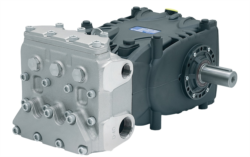
Seals operate under extreme conditions—managing pressure differentials, temperature fluctuations, and fluid contamination simultaneously. In high-performance systems like the Pratissoli KF30 industrial pump operating at 200 bar and 106 L/min flow rate, mechanical seals experience continuous stress from axial and radial loads. Bearing failures typically cascade from inadequate lubrication, contaminated oil, or misalignment—issues that compound rapidly in demanding applications.
Understanding failure mechanisms allows procurement engineers to specify appropriate replacement intervals, implement condition monitoring strategies, and budget for preventive maintenance rather than reactive repairs.
Diagnostic Procedures: Identifying Seal & Bearing Degradation
Visual & Auditory Inspection Protocols
Begin diagnostics with systematic visual inspection before symptoms escalate to operational failures. Look for these critical indicators:
- Fluid leakage around pump shaft: Indicates primary or secondary seal failure; may appear as fine mist or visible dripping depending on pressure and seal type
- Discoloration of housing exterior: Brown or black staining suggests internal fluid degradation and potential seal compromise
- Unusual noise patterns: Grinding, squealing, or knocking sounds indicate bearing distress; grinding typically signals advanced wear with metal-to-metal contact
- Vibration amplitude changes: Elevated vibration levels measured at pump mounting points suggest bearing radial clearance loss
Temperature monitoring is equally critical. Use non-contact infrared thermometers to measure pump housing temperature at baseline conditions and during operation. Temperature increases exceeding 15°C above baseline indicate friction escalation from bearing wear or seal rubbing.
Oil Analysis for Bearing & Seal Assessment
Hydraulic fluid analysis provides quantifiable data on system health. Collect oil samples from the pump discharge port using sterile sampling bottles, maintaining samples at room temperature during transport to analysis facilities.
Key parameters indicating seal and bearing problems:
- Wear metal concentration: Iron >200 ppm, copper >50 ppm, chromium >30 ppm suggest accelerated bearing wear
- Particle count (ISO 4406): Levels exceeding 19/17/14 indicate contamination reaching bearing surfaces, causing accelerated degradation
- Water content: >500 ppm causes corrosion of bearing raceways and loss of seal lubrication film
- Viscosity index shift: 5+ point viscosity index change from baseline indicates thermal degradation and reduced bearing protection
Establish baseline oil analysis within the first 50 operating hours of new equipment installation. This baseline becomes your reference for detecting degradation trends. Monthly sampling during high-utilization periods and quarterly sampling during normal operation provides early warning of emerging issues.
Preventive Maintenance Protocols for Extended Component Life
Seal Maintenance Strategy
Mechanical seals require specific environmental conditions to function reliably. The Pratissoli MW40 pump, operating at 210 bar with 85 kW power input, demands robust seal protection strategies:
Seal Cooling Systems: Monitor coolant supply temperature continuously. Mechanical seals generate frictional heat; inadequate cooling causes secondary seal elastomer degradation. Maintain coolant temperature between 15–40°C. If coolant supply is unavailable, install a recirculation loop with auxiliary cooling to prevent seal temperatures exceeding 60°C.
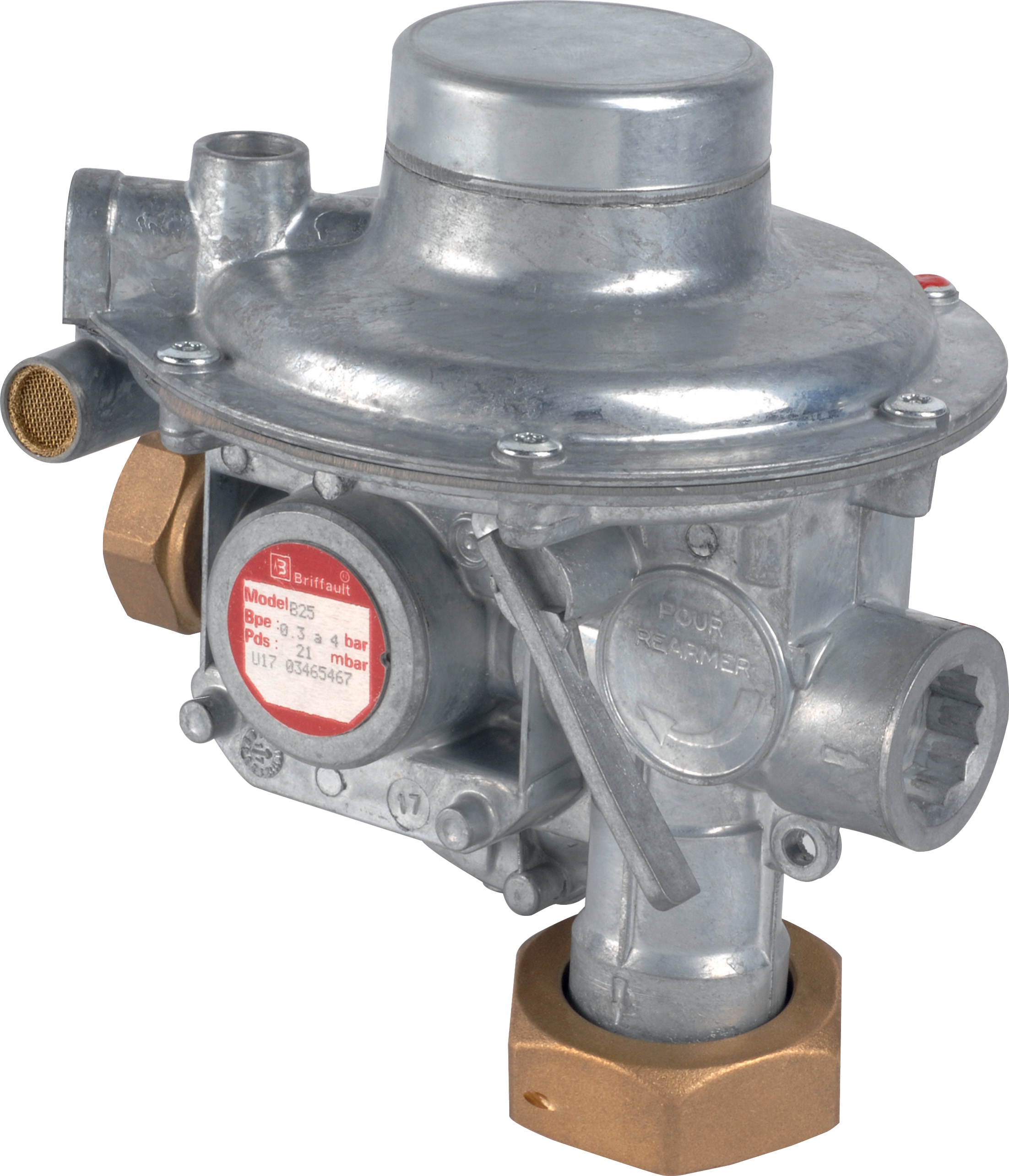
Lubrication Film Maintenance: Ensure pump discharge fluid reaches seal chambers with proper viscosity. High-pressure regulator systems like the Francel B25/37mb pressure regulator should maintain downstream pressure between 2–5 bar above seal chamber backpressure to sustain protective fluid films. Use pressure gauges to verify this differential at least weekly.
Contamination Control: Install high-efficiency suction strainers (25–50 micron) upstream of the pump intake. Seals are particularly sensitive to particle contamination; particles >10 microns accelerate wear. Filter return lines with 3–5 micron absolute filtration to prevent recirculation of wear debris.
Shaft Runout Monitoring: Seal failure often results from excessive shaft runout caused by bearing wear. Check shaft runout monthly using a dial indicator mounted perpendicular to the pump shaft. Maximum allowable runout for industrial applications is typically 0.05 mm TIR (Total Indicated Runout). Runout exceeding this threshold requires bearing replacement before seal failure occurs.
Bearing Maintenance & Replacement Intervals
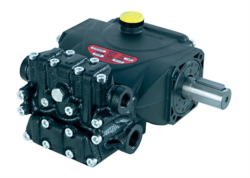
Bearing life correlates directly with operating conditions—load, speed, temperature, and lubrication quality. High-performance pumps like the Interpump E1D1808 operating at 180 bar and 2800 rpm experience bearing stress that requires disciplined maintenance.
Bearing Selection for Replacement: Specify roller bearings for radial load applications and tapered roller bearings for combined axial-radial loads. Match bearing preload specifications exactly; over-preloading generates excessive friction and heat, while under-preloading causes lateral movement and secondary damage.
Lubrication Protocol for Bearing Grease: If bearings are grease-lubricated, establish a regreasing schedule based on bearing bore size and operating speed. For high-speed applications (>3000 rpm), regreasing intervals may be as short as 250–500 operating hours. Use only bearing manufacturer-approved grease; incompatible grease types cause separation and bearing starvation. Document each regreasing event with date, time, grease type, and technician identification.
Bearing Removal & Installation: Plan bearing replacements during scheduled maintenance windows. Poor installation practices—including impact loading, contamination ingress, or improper preload—compromise bearing life immediately. Use bearing pullers for removal; never strike bearing races directly. Heat bearings to approximately 60–80°C before installation to expand bore for easier seating. Install immediately after heating to prevent cooling shrinkage around the shaft.
Expected Life Intervals: Under optimal conditions with proper lubrication and alignment, rolling element bearings typically deliver 3,000–5,000 operating hours. Monitor bearing condition monthly; extend intervals only after achieving consistent low wear metal concentrations in oil analysis.
System Integration & Maintenance Coordination
Pressure Regulator Impact on Seal & Bearing Life
Pressure regulation directly affects seal and bearing loading. Excessive system pressure accelerates wear; inadequate pressure compromises seal lubrication. The Francel B25/37mb regulator maintains stable outlet pressure of 37 mbar, protecting downstream components from shock loads. Coordinate regulator maintenance with seal inspections—verify regulator cracking pressure monthly and replace internal valve elements annually in high-utilization systems.
Spray Pattern Maintenance & System Cleanliness
For applications incorporating spray systems like the Euspray flat jet nozzle, maintain pump discharge quality by monitoring nozzle clogging patterns. Nozzle blockage increases system back-pressure, forcing the pump into higher-pressure operation and increasing bearing and seal stress. Clean nozzles bi-weekly during active spraying operations; replace whenever spray pattern shows degradation.
Integrated Maintenance Documentation
Maintain centralized maintenance records linking seal replacements, bearing replacements, oil analysis results, and pressure regulator adjustments. Use this historical data to identify failure patterns and refine maintenance intervals specifically for your operating environment. Procurement engineers should specify equipment with maintenance data access—request service logs when evaluating supplier performance and establish contractual requirements for maintenance record provision.
Practical Maintenance Schedule Template for Singapore Operations
Weekly: Temperature monitoring via infrared, visual fluid leakage inspection, noise assessment
Monthly: Pressure differential verification across seals, bearing wear metal trend analysis (establish after 3 months baseline data), shaft runout inspection, regulator pressure verification
Quarterly: Oil analysis samples (full suite), bearing grease repletion, seal assembly inspection via borescope if accessible, vibration amplitude measurement
Semi-Annually: Bearing replacement evaluation based on accumulated data, seal kit procurement and staging, pressure regulator internal valve inspection
Annually: Complete pump overhaul assessment, bearing and seal replacement execution, seal cooling system performance verification
This schedule represents best practice; adjust intervals based on your specific system conditions, manufacturer recommendations, and historical performance data. 3G Electric's technical team can assist with equipment-specific maintenance guidelines and component sourcing for replacement parts.