Introduction: Maintenance & Service as a Strategic Operational Pillar
Maintenance & Service excellence directly impacts your facility's profitability, safety record, and equipment longevity. With over 35 years of experience as a global industrial equipment distributor, 3G Electric understands that Southeast Asian industrial operations face unique environmental challenges—high humidity, tropical temperatures, extended operating cycles, and supply chain constraints—that demand rigorous, region-specific maintenance protocols.
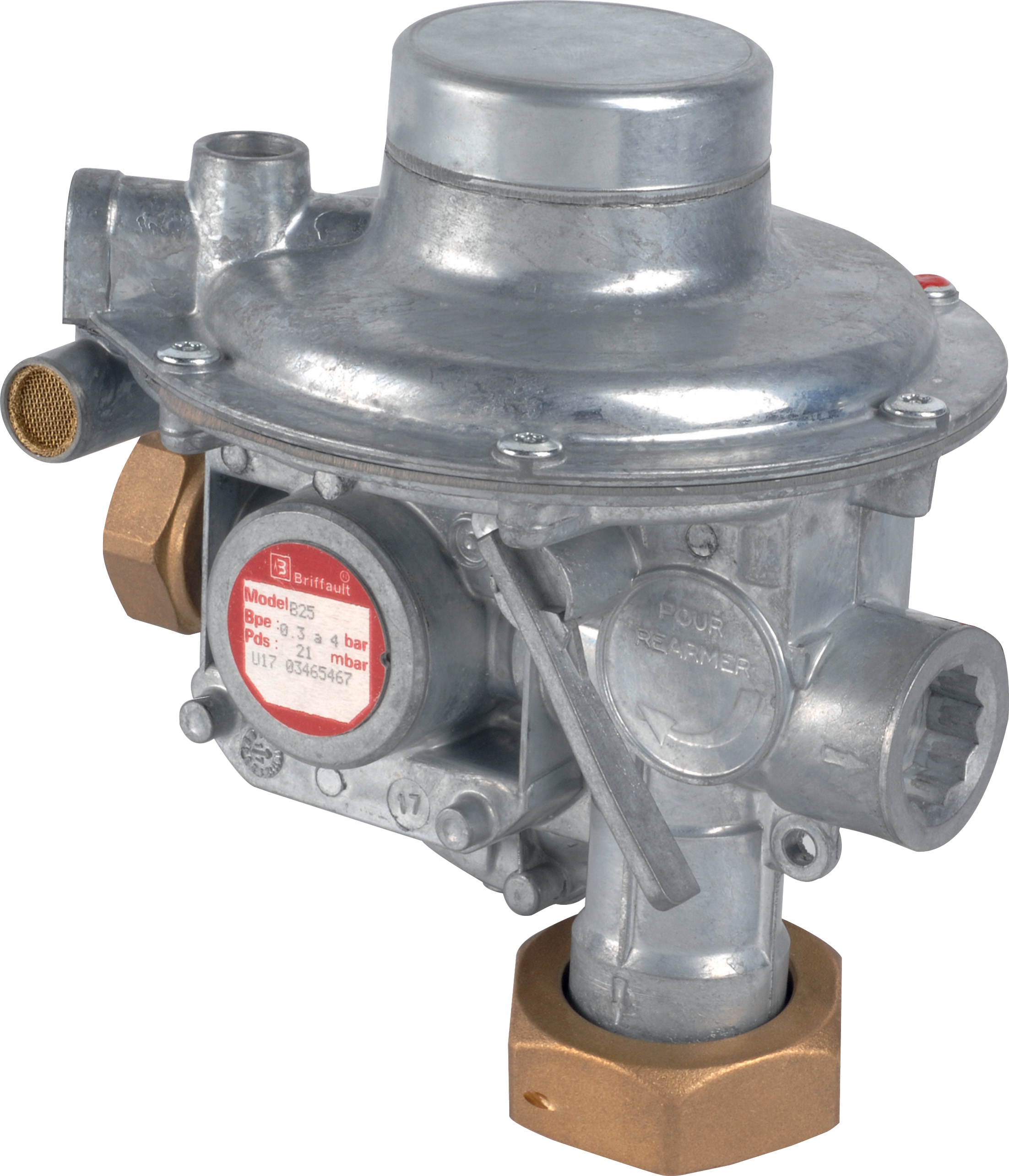
This guide focuses on the practical Maintenance & Service strategies plant managers must implement for pump systems and pressure regulation components that form the backbone of industrial operations across the region. Whether you operate Pratissoli KF30 high-performance pumps, MW40 series units, or Francel pressure regulators with integrated safety, understanding correct maintenance and service procedures directly reduces unplanned downtime, extends asset lifespan, and protects operator safety.
Section 1: Establishing a Preventive Maintenance & Service Schedule for Industrial Pumps
Understanding Your Equipment Baseline
Every industrial pump installation requires a documented baseline maintenance schedule tied to manufacturer specifications, operating conditions, and regional environmental factors. The KF30 and MW40 series pumps are engineered for continuous high-pressure operations delivering 106-211 L/min at 200-210 bar respectively, but their performance and lifespan depend entirely on consistent Maintenance & Service protocols.
Plant managers should establish maintenance intervals based on:
- Manufacturer specifications: Pratissoli and Interpump documentation provides OEM-recommended service intervals, typically between 500-2000 operating hours depending on duty cycle
- Actual operating hours: Track cumulative runtime separately from calendar time; tropical Southeast Asia's 24/7 operations accelerate component wear
- Environmental exposure: High humidity, salt spray (coastal facilities), dust, and temperature fluctuations require more frequent seal inspections and fluid analysis
- Application severity: Continuous high-pressure applications demand more intensive Maintenance & Service than intermittent duty cycles
Critical Pre-Operational Inspections
Before each shift or weekly, conduct these Maintenance & Service checks:
- Fluid condition assessment: Visual inspection for discoloration, cloudiness, or emulsification indicating water contamination or thermal degradation. Implement fluid sampling every 250 operating hours
- Pump noise and vibration baseline: Establish normal acoustic and vibration signatures; deviations signal bearing wear, cavitation, or internal component degradation
- Temperature monitoring: Record inlet and outlet temperatures; excessive heat indicates internal friction, incorrect viscosity, or seal leakage requiring immediate service
- Pressure gauge accuracy: Verify pressure regulators maintain set pressures; drift indicates valve seat degradation or diaphragm failure
- Coupling alignment: Check pump-to-motor coupling concentricity; misalignment accelerates seal wear and bearing fatigue
Scheduled Maintenance & Service Intervals
Implement this tiered Maintenance & Service schedule:
Every 250 Operating Hours (Monthly for 24/7 Operations)
- Drain and replace filter elements in inlet strainers
- Conduct oil sampling for particle count, viscosity, and water content analysis
- Inspect pump casing and mounting bolts for external leakage
- Document pressure, temperature, and flow rate trends
- Perform seal inspection on pump shafts; replace if leakage exceeds acceptable limits
- Test Francel pressure regulator relief valve functionality with calibrated test gauge
- Inspect hose connections and quick couplings for degradation or internal erosion
- Review vibration analysis data; perform bearing health assessment
- Schedule complete pump disassembly and internal component inspection with certified technician
- Replace pump seals, gaskets, and wear rings regardless of visible condition
- Recalibrate pressure regulators and relief valves to manufacturer specifications
- Perform complete fluid system flush and refill with correctly specified ISO-rated hydraulic oil
- Inspect and service motor bearings; replace if noise or excessive play detected
- Conduct thermal imaging survey of entire pump system to identify hot spots and potential seal failures
- Verify all safety relief systems on pressure regulators respond within tolerance bands
- Perform complete electrical testing of motor insulation and grounding
- Update maintenance records and create upcoming service schedule
Section 2: Fluid Management and Contamination Control in Tropical Environments
Selecting and Managing Hydraulic Fluids
The tropical Southeast Asian environment demands exceptional attention to Maintenance & Service fluid management. High ambient temperatures (35-42°C) and humidity levels (70-95%) accelerate hydraulic fluid degradation and promote water absorption.
Fluid selection directly impacts pump longevity:
- ISO VG 46 hydraulic oil is standard for KF30 and MW40 series pumps; never substitute with lower-viscosity alternatives in high-temperature environments
- Anti-wear (AW) additives protect pump components during high-pressure operation; confirm ISO VG 46 mineral oil contains EP (extreme pressure) additives
- Water separation capability: In humid environments, select fluids with superior water-shedding properties; conduct fluid sampling minimum every 250 hours to verify water content remains below 500 ppm
- Temperature stability: Use synthetic hydraulic oils (PAO or ester-based) for operations exceeding 60°C consistently; synthetic fluids maintain viscosity and oxidation stability better than mineral oils
Contamination Control Protocol
Contamination remains the primary cause of premature pump failure. Establish a Maintenance & Service contamination control hierarchy:
1. Prevent entry: Use breather filters on all reservoir openings; replace every 500 hours. Inspect regularly for moisture buildup in breather cartridges
2. Filter at source: Install offline kidney-loop filtration systems circulating reservoir fluid through 3-micron filters continuously during standby periods
3. Monitor particle load: Conduct ISO 4406 particle counting every 500 operating hours; maintain target cleanliness ISO 17/15/12 or better
4. Manage water ingress: Install water-absorbing cartridges in breather filters; use desiccant breathers in humid facilities near coastal areas
5. Fluid sampling discipline: Establish quarterly fluid analysis protocol including viscosity, TAN (Total Acid Number), particle count, and ferrous content trending
Practical Maintenance & Service Fluid Replacement Protocol
When draining and refilling pump systems:
- Plan during production downtime: Complete fluid changes require 8-12 hours including system flushing
- Flush completely: Circulate new fluid through offline flushing cart with 1-micron filters until return stream achieves ISO 16/14/11 cleanliness
- Temperature conditioning: Bring new fluid to operating temperature (50-55°C) before commissioning to remove air and condition seals
- Document thoroughly: Record fluid batch number, fill date, initial viscosity, and baseline particle count for future trending
Section 3: Pressure Regulator Maintenance & Service and Safety System Verification
Understanding the Francel Pressure Regulator B25/37mb in Industrial Applications
The Francel B25/37mb pressure regulator with integrated safety relief is engineered to maintain 37 mbar outlet pressure with the 10 mm vent providing adequate relief capacity for industrial gas distribution systems. Proper Maintenance & Service of pressure regulation systems is non-negotiable for safety and efficiency.
Critical Pressure Regulator Maintenance & Service Tasks
Monthly Maintenance & Service Checks
- Verify outlet pressure reading against calibrated test gauge; acceptable tolerance ±3% of set pressure (35.9-38.1 mbar for 37 mbar setting)
- Listen for audible relief venting or chattering indicating diaphragm degradation or excessive inlet pressure
- Inspect vent port for blockage; clear any debris or moisture accumulation
- Check inlet and outlet connection tightness using calibrated torque wrench
- Remove inlet filter element (if equipped) and inspect for particulate; replace if 50% blocked
- Test regulator response to pressure transients by recording outlet pressure during rapid inlet pressure changes
- Verify safety relief cracking pressure using calibrated relief valve tester; acceptable range typically 110-130% of nominal set pressure
- Document all readings for trending analysis
- Disassemble regulator body and inspect diaphragm for tears, cracks, or material degradation
- Clean all internal passages with approved solvent; remove any calcium deposits or mineral accumulation
- Replace diaphragm seal kit regardless of apparent condition
- Inspect poppet seat for scoring or erosion; machine smooth if light surface damage present; replace cartridge if deep scoring exists
- Reassemble with clean, dry components; test outlet pressure and relief function before returning to service
Safety System Verification
Integrated safety relief on Francel pressure regulators requires documented verification:
- Establish relief set point: Confirm with end-user requirements; typical industrial applications set relief at 110-120% of normal operating pressure
- Create test procedure: Develop written Maintenance & Service protocol for quarterly relief testing using calibrated pressure source
- Document performance: Maintain logbook recording relief cracking pressures, dates, and technician identification
- Replace failed components: Any regulator failing relief test must be removed from service immediately and forwarded for factory overhaul
Section 4: Nozzle Systems and Application-Specific Maintenance & Service
Spray Pattern Maintenance for Euspray Flat Jet Nozzles
Industrial nozzles like the Euspray flat jet nozzle with 1/4" M BSPT connection and 25° spray angle require precise Maintenance & Service to maintain spray pattern consistency and coverage uniformity.
Weekly Maintenance & Service Inspection
- Visually assess spray pattern from consistent distance; compare against baseline photographic documentation
- Listen for changes in spray sound; high-pitched hissing indicates internal erosion or particulate obstruction
- Check mounting bracket security; vibration can degrade pattern uniformity
- Verify nozzle temperature remains within operating range (typically 80-120°C maximum for industrial applications)
- Remove nozzle from operating system and inspect orifice opening under magnification (10-20x); look for erosion, corrosion, or clogging
- Flush nozzle with reverse-flow pressure (2/3 normal operating pressure) to clear internal deposits
- Soak in approved solvent for 30 minutes if stubborn deposits present
- Test on calibrated test stand to verify spray angle remains 25° ±2° and flow rate matches OEM specification
- Document pattern photographs for comparative trending
- Replace nozzle orifice inserts after 2000 operating hours in abrasive fluid applications
- In mild applications with clean fluids, extend replacement interval to 4000 hours
- Always maintain spare nozzles in inventory to minimize production downtime
Preventing Nozzle System Degradation
- Filtration priority: Maintain 100-micron minimum inlet filtration; use 50-micron for critical spray applications
- Pressure management: Operate nozzles at manufacturer-rated pressure ±5%; excessive pressure accelerates internal erosion
- Fluid compatibility: Verify spray fluid (cleaning agents, coolants, lubricants) is chemically compatible with nozzle materials (typically stainless steel or hardened steel)
- Storage protection: When offline, cap nozzle outlets to prevent dust accumulation in orifices
Practical Maintenance & Service Documentation and Trending
Building a Maintenance & Service Logbook System
Establish digital or physical logbooks for each major equipment piece:
- Equipment identification: Serial number, installation date, nameplate specifications
- Baseline performance: Initial pressure, temperature, flow rate, vibration signature, acoustic baseline
- Service history: Comprehensive Maintenance & Service records including date, technician, tasks completed, parts replaced, test results
- Trend analysis: Monthly charts plotting pressure stability, temperature trends, vibration progression, and fluid condition
- Spare parts tracking: Inventory of seals, gaskets, filters, and critical components maintained on-site
- Certification documentation: Calibration certificates for test gauges and measurement instruments
Using Maintenance & Service Data for Predictive Decision-Making
Analyze Maintenance & Service trends quarterly to identify degradation patterns:
- Temperature creep: Gradual temperature increases signal bearing wear, seal friction, or fluid oxidation; schedule major service before critical threshold
- Pressure drift: Declining outlet pressure on regulators indicates diaphragm hardening or poppet seat leakage; plan replacement within 30 days
- Vibration escalation: Rising vibration levels precede catastrophic bearing or coupling failure by 4-8 weeks; use this window for planned replacement
- Fluid degradation rates: Compare particle count and viscosity trends against baseline; accelerating degradation indicates internal component wear requiring investigation
Conclusion: Maintenance & Service as Competitive Advantage
With 35+ years as a global industrial equipment distributor, 3G Electric recognizes that Southeast Asian plant managers gain competitive advantage through disciplined Maintenance & Service protocols. Equipment failures in tropical climates are predictable and preventable when you implement the systematic maintenance and service approach outlined here.
The investment in structured Maintenance & Service documentation, fluid management discipline, and scheduled component replacement delivers measurable returns: equipment availability exceeding 98%, extended asset lifespan, reduced catastrophic failure costs, and safer working environments.
Contact 3G Electric's technical team for region-specific Maintenance & Service guidance, spare parts inventory planning, or on-site technician training for your pump systems, pressure regulators, and application-specific components. Our distributors throughout Southeast Asia maintain comprehensive stock of replacement seals, gaskets, filter elements, and complete service kits for rapid emergency response when Maintenance & Service issues arise.