Understanding Maintenance & Service Planning in Singapore Operations
Maintenance & Service planning is the backbone of industrial reliability. For plant managers in Singapore, where production schedules are tight and equipment failures carry significant financial penalties, the difference between preventive and reactive maintenance & service strategies can mean hundreds of thousands of dollars in operational losses.
With over 35 years of experience distributing industrial equipment across Southeast Asia, 3G Electric has observed a clear pattern: plants that implement structured maintenance & service planning reduce unplanned downtime by 40-60% compared to reactive-only approaches. This article breaks down the practical differences and shows you how to apply them to your facility's core systems—pressure regulation, pump performance, and combustion control.
Preventive Maintenance & Service: The Scheduled Approach
Preventive maintenance & service means you control when equipment stops, rather than letting failure dictate the timeline. This approach requires:
Planned Component Inspection Intervals
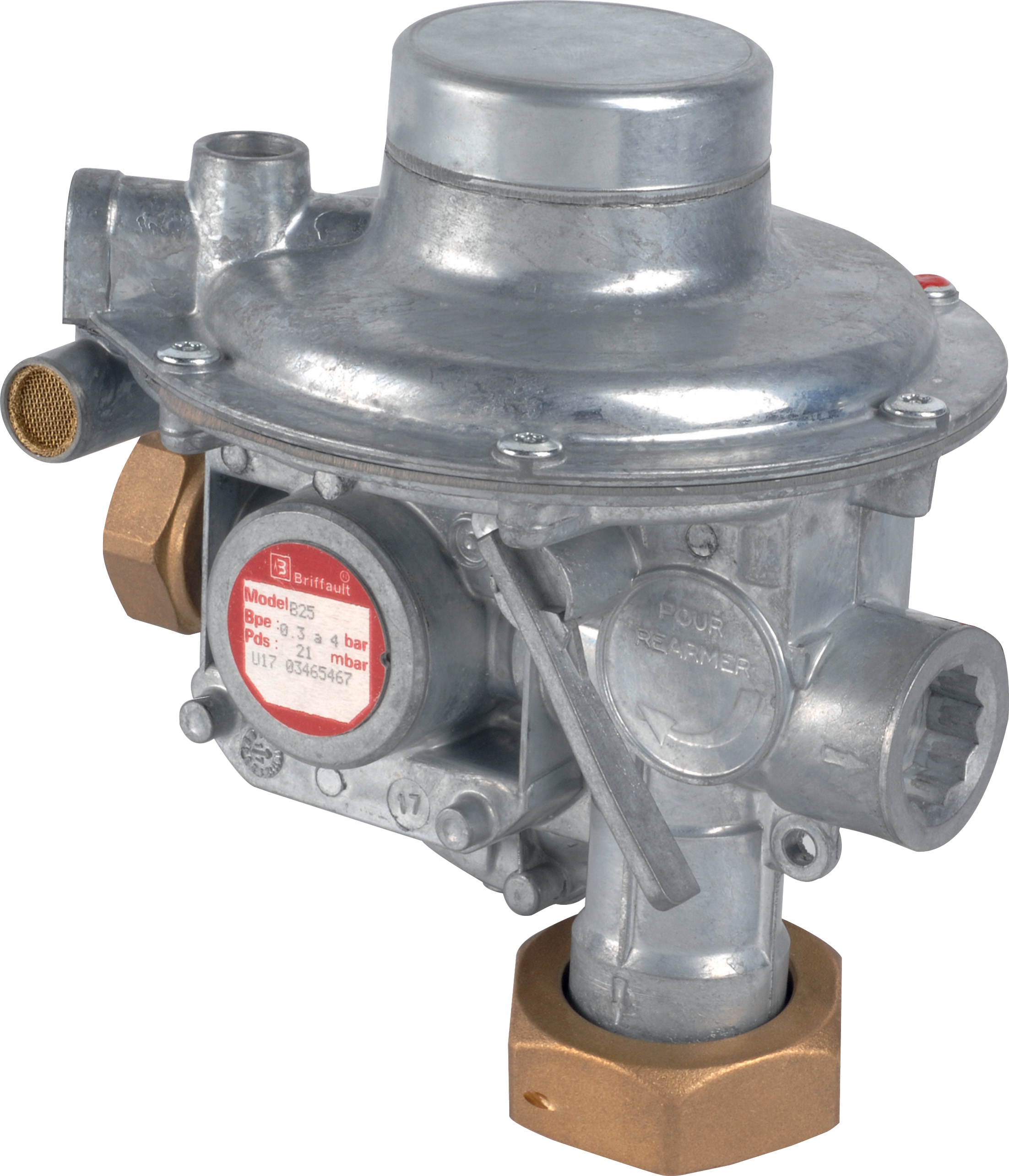
- Pressure regulators like the Francel B25/37mb should be inspected every 6-12 months for safety relief function and outlet pressure calibration. The integrated safety feature makes this critical—a faulty relief mechanism could damage downstream equipment or create safety hazards.
- High-performance pumps such as the Pratissoli KF30 (106 L/min, 200 bar) require bearing and seal checks every 500-1,000 operating hours. Early detection of wear patterns prevents catastrophic failure and extends service life by 2-3 years.
- Regulating valves like the Pratissoli R1/400 need pressure baseline testing quarterly to confirm accuracy. Valve drift (even 5-10 bar) reduces system efficiency and can damage sensitive downstream equipment.
With preventive maintenance & service, you stock critical wear items—seals, gaskets, springs—and schedule replacements before failure. For pumps operating at 200 bar, this is essential. A pump seal failure that you discover during routine inspection costs a planned 4-hour maintenance window. The same failure discovered during production creates a 16-hour emergency response with premium service charges.
Documentation and Trending
Record pressure readings, flow rates, and operating temperatures over time. When the KF30 pump shows a 5% pressure drop over three months, you schedule service before it becomes a production emergency. This data becomes your early warning system.
Reactive Maintenance & Service: The Crisis Response Approach
Reactive maintenance & service means you only act when equipment fails. While this saves upfront planning costs, the hidden expenses are substantial:
Unplanned Downtime Costs
- Production halts immediately. For a food processing or chemical plant running 24/7, each hour of downtime costs $5,000–$50,000+ depending on product value and penalty clauses.
- Emergency service calls are expensive. Technicians charge overtime rates, often 2–3x standard labor costs.
- Parts sourcing becomes urgent. You pay premium shipping, accept longer lead times, or buy substandard alternatives.
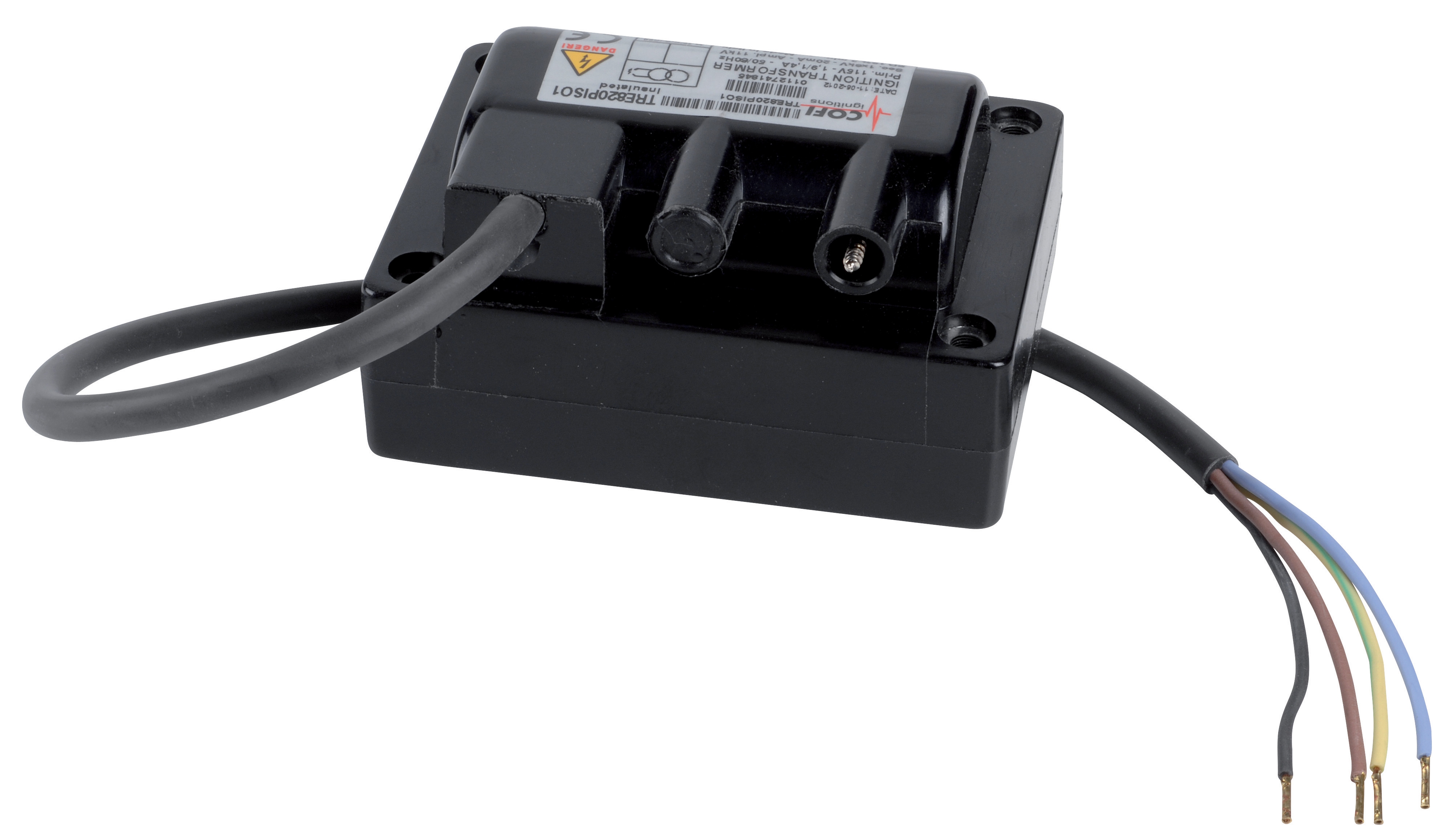
When a Cofi TRE 820 ignition transformer fails unexpectedly during burner operation, the resulting thermal shock often damages associated components. A $2,000 transformer failure cascades into $15,000 in secondary damage. Preventive inspection (checking insulation resistance, cable integrity) catches degradation before failure.
Cascading Failures
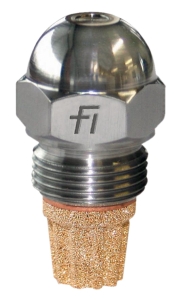
The CBM Fluidics 1.35 nozzle that continues operating with partial blockage doesn't just lose efficiency—it creates uneven spray patterns that damage the combustion chamber. Reactive discovery of this problem means addressing the nozzle, the chamber, and potentially the entire burner system simultaneously.
Practical Comparison: Maintenance & Service Costs Over 3 Years
Consider a typical mid-sized Singapore plant running the equipment described above:
Preventive Maintenance & Service Program
- Quarterly pressure checks: $1,200/year
- Semi-annual pump inspections: $2,400/year
- Annual ignition transformer testing: $800/year
- Planned seal replacement (pump): $3,600/year
- Preventive parts inventory: $4,000/year
- Total annual cost: $12,000 | 3-year cost: $36,000
- Estimated unplanned downtime: 8 hours/year
- No scheduled inspections
- Emergency service calls (3–4 per year): $15,000–$20,000/year
- Emergency parts premium + expedited shipping: $8,000–$12,000/year
- Production downtime (average 40 hours/year): $200,000–$400,000 lost value
- Secondary damage from cascading failures: $25,000–$50,000/year
- Total annual cost: $248,000–$482,000 | 3-year cost: $744,000–$1,446,000
- Estimated unplanned downtime: 120+ hours/year
The math is clear: preventive maintenance & service costs $12,000 to prevent $250,000–$400,000 in losses. This 20–40x return on investment is typical for industrial operations in Singapore.
Building Your Maintenance & Service Plan: Actionable Steps
Step 1: Inventory Critical Components
Map every pressure regulator (Francel B25/37mb), pump (Pratissoli KF30), valve (R1/400), transformer (Cofi TRE 820), and nozzle (CBM Fluidics 1.35) in your facility. Assign criticality levels: equipment that shuts down production (critical) vs. equipment that degrades performance gradually (important).
Step 2: Establish Baseline Performance
With 3G Electric's help, take baseline readings for each critical component:
- Pressure regulator outlet pressure and relief setting
- Pump flow rate and discharge pressure
- Valve opening/closing response time
- Transformer output voltage and insulation resistance
- Nozzle flow rate and spray pattern
These baselines become your reference for detecting drift.
Step 3: Schedule Inspections by Criticality
- Critical equipment (production-stopping): Monthly or quarterly checks
- Important equipment (performance-affecting): Semi-annual or annual checks
- Supporting equipment (convenience-affecting): Annual checks
Work with 3G Electric to identify high-wear items for each component type. Stock 2–3 critical seals for your KF30 pump, replacement relief springs for your Francel regulator, and backup nozzles for your CBM Fluidics system. These items represent 5% of maintenance costs but prevent 50% of emergency situations.
Step 5: Train Your Team
Your maintenance staff must understand what "normal" looks like. Simple skills—reading pressure gauges correctly, identifying unusual noise or vibration, checking cable integrity on the Cofi transformer—catch problems early.
Maintenance & Service: Integration with 3G Electric's Support
3G Electric's 35+ years serving Southeast Asia means we understand Singapore's specific operational environment. High humidity accelerates corrosion on pressure regulator relief mechanisms. Heavy dust in certain industries clogs nozzles faster. Our relationship with equipment manufacturers—Francel, Pratissoli, Cofi, CBM Fluidics—ensures you get authentic components and current technical guidance.
When you source critical maintenance & service parts through 3G Electric, you're not just buying components. You're gaining access to:
- Technical datasheets specific to Singapore operating conditions
- Recommended maintenance intervals validated across hundreds of installations
- Emergency parts availability for rapid turnaround when unexpected failures occur
- Engineering support to diagnose whether a failure was premature (indicating design mismatch) or normal wear
Making the Transition: From Reactive to Preventive
If your plant currently operates on reactive maintenance & service, the shift to preventive doesn't require stopping production or massive upfront investment. Start with your three most critical systems. Implement monthly checks on your Pratissoli pump and Francel regulator. Track the data for three months. When you see your first prevented failure—a pressure regulator relief that opens early, caught during inspection before it could damage the system—your team will understand the value.
Then expand: add your regulating valve and ignition transformer to the schedule. Within 12 months, you'll have transformed your maintenance & service culture from crisis-driven to control-driven.
Summary: Maintenance & Service Planning Delivers Measurable Results
For Singapore plant managers, the maintenance & service decision is straightforward: preventive planning costs discipline and organization, but reactive maintenance costs money and production. With proper planning, component selection (using reliable brands like Pratissoli, Francel, and CBM Fluidics), and spare parts strategy, you cut downtime by 80–90% and extend equipment life by 30–50%.
3G Electric is ready to help you build and execute that plan. Our equipment sourcing, technical guidance, and regional expertise ensure that your maintenance & service program is both practical and cost-effective.