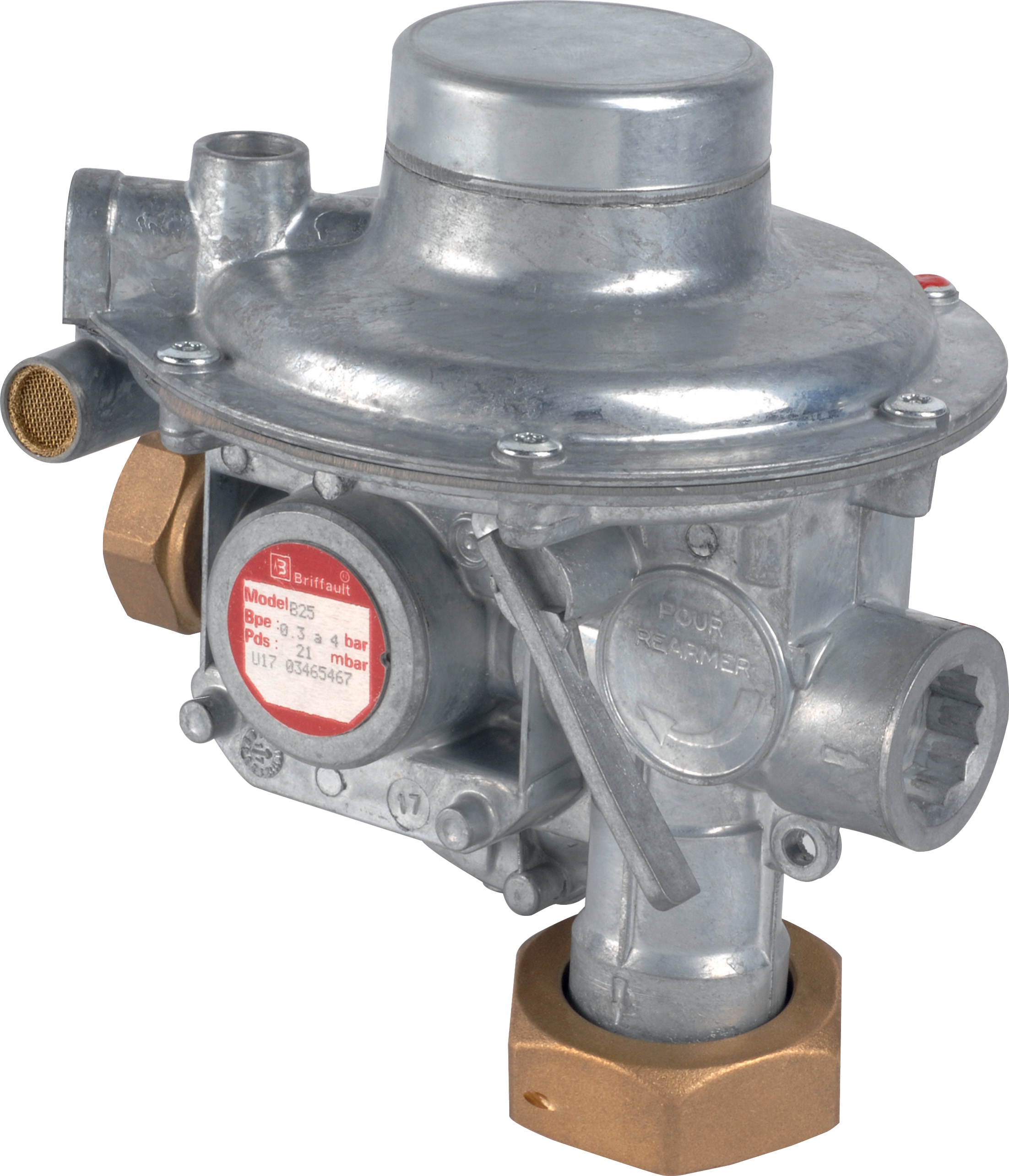
Understanding Gas Pressure Regulator Maintenance & Service Fundamentals
Gas pressure regulators are the backbone of safe, efficient HVAC combustion systems. Whether you're working in Malaysia's humid climate, Thailand's intense heat, or Singapore's compact commercial spaces, proper maintenance & service of your pressure regulation equipment directly impacts system safety, efficiency, and longevity.
At 3G Electric, we've been supplying industrial equipment to Southeast Asian contractors for over 35 years. We've seen firsthand how maintenance gaps in pressure regulation systems lead to costly downtime, unsafe operating conditions, and premature equipment failure. The good news: with systematic maintenance & service practices, you can extend regulator lifespan, maintain optimal combustion performance, and protect your HVAC installations from catastrophic failure.
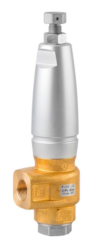
Gas pressure regulators like the Francel B25/37mb with integrated safety relief maintain consistent outlet pressure despite inlet pressure fluctuations. In Southeast Asia's challenging conditions—high humidity, temperature swings, and coastal salt spray in some areas—these components face real stress. Your maintenance & service routine must account for these environmental factors.
Essential Inspection and Diagnostic Procedures
Monthly Visual Inspection Protocol
Start every month with a comprehensive visual inspection. Look for these specific indicators:
- Corrosion on external surfaces: Southeast Asia's humidity accelerates rust formation. Inspect the regulator body, bonnet, and mounting brackets for any orange, brown, or white deposits indicating corrosion initiation.
- Vent port blockages: Dust, debris, and insect nests are common in Southeast Asian installations. Check that the vent opening (10 mm on the Francel B25/37mb) flows freely. A blocked vent prevents the safety relief from functioning.
- Outlet pressure gauge accuracy: Use a calibrated test gauge to verify the regulator maintains your specified outlet pressure (37 mbar for the Francel B25/37mb). Drift of more than 1-2 mbar indicates internal wear.
- Gas leaks at connection points: Apply soapy water solution to all threaded connections. Any bubbling means immediate service is required—gas leaks compromise system safety.
- Vibration or noise changes: Unusual buzzing, chattering, or vibration from the regulator suggests internal valve wear or external mounting degradation.
Every quarter, perform formal pressure testing using calibrated instrumentation:
1. Isolate the regulator from both inlet and outlet sides
2. Apply test pressure to the inlet side (typically 2-3 bar above normal operating pressure)
3. Measure outlet pressure with a calibrated gauge—it should remain stable within ±1 mbar over 10 minutes
4. Document all readings in a maintenance log with date, inlet pressure, outlet pressure, ambient temperature, and humidity
5. Compare results to baseline readings established during initial installation
This documentation is essential in Southeast Asia where seasonal humidity variations (40-95% RH across the region) significantly affect regulator performance. If outlet pressure drifts more than 3 mbar from previous tests, schedule service immediately.
Service Intervals and Preventive Maintenance Schedule
Climate-Adjusted Service Intervals for Southeast Asia
Standard industrial guidelines suggest annual regulator service. In Southeast Asia, we recommend adjusting this schedule based on your specific location:
- Coastal areas (near salt water): Service every 6 months. Salt spray accelerates corrosion of internal seals and springs.
- High-humidity inland areas: Service every 8-9 months. Moisture ingress affects diaphragm flexibility and seal integrity.
- Air-conditioned commercial spaces: Service annually. Controlled environments experience less environmental stress.
- Industrial/manufacturing zones: Service every 6-8 months. Higher dust and particulate loads increase wear rates.
When performing maintenance & service on a gas pressure regulator:
1. Isolation and depressurization: Close isolation valves on both inlet and outlet sides. Open the vent port to release residual pressure. Wait 5 minutes before disassembly.
2. Component inspection: Once open, examine internal components for:
- Diaphragm condition (should show no cracks, brittleness, or discoloration)
- Spring tension (should be smooth with no binding)
- Seat and poppet wear (look for pitting, scratches, or debris)
- Seal degradation (elastomer components should be flexible, not hardened)
3. Cleaning: Use only compressed air or light solvent appropriate for the gas type. Never use harsh chemicals that damage elastomer seals. In Southeast Asia's dusty environments, pay extra attention to removing particulate from all internal passages.
4. Seal replacement: If seals show any hardening, cracking, or swelling, replace the complete seal kit. Southeast Asia's heat (26-35°C average) accelerates elastomer aging. Don't reuse old seals.
5. Pressure adjustment verification: After reassembly, verify outlet pressure matches specification before returning to service.
6. Documentation: Record service date, technician name, components replaced, pressure readings post-service, and next scheduled service date.
Troubleshooting Common Pressure Regulator Issues in Tropical Environments
Fluctuating Outlet Pressure
Symptom: Outlet pressure drifts 3+ mbar within minutes of stabilization.
Causes in Southeast Asia:
- Humidity-induced diaphragm swelling or stiffening
- Salt spray corrosion on internal poppet
- Particulate contamination from monsoon dust
Loss of Outlet Pressure Under Load
Symptom: Pressure drops when fuel demand increases.
Causes:
- Worn internal seat allowing gas bypass
- Weak spring from corrosion or fatigue
- Partial vent port blockage creating back-pressure
Inability to Maintain Pressure with Frequent Vent Port Flow
Symptom: Gas constantly vents from the vent port; outlet pressure cannot be set.
Causes:
- Diaphragm ruptured or severely degraded
- Inlet pressure excessive (check upstream pressure reducing stage)
- Safety relief valve stuck open from corrosion
Corrosion Visible on External Housing
Symptom: Orange/brown rust spots or white salt deposits on regulator exterior.
Solution in coastal areas: Apply corrosion-inhibiting coating annually. Consider upgrading to stainless steel regulator models for critical applications. At minimum, install protective weather shield and improve ventilation around the regulator.
Replacement Decisions and Supply Coordination
After 8-10 years of service in Southeast Asia's climate, or if maintenance & service costs exceed 40% of replacement cost annually, consider full regulator replacement. The Francel B25/37mb represents good value for systems requiring 37 mbar precision delivery with integrated safety features.
When ordering replacement units through 3G Electric, provide:
- Current inlet pressure range
- Required outlet pressure
- Flow rate requirements
- Gas type (natural gas, propane, LPG)
- Environmental exposure (indoor/outdoor, coastal/inland)
- Any special safety certifications required in your market
Our 35+ years supplying Southeast Asia means we maintain consistent inventory of pressure regulation components and can provide same-week delivery to major HVAC centers across the region.
Integration with Pressure Control Systems
In complex HVAC installations using pressure regulation systems like the Pratissoli R1/400 regulating valve downstream of main pressure reduction, coordinate service schedules. Service the primary gas pressure regulator first, then verify downstream system performance. Pressure regulators at different stages interact—problems in primary regulation cascade to secondary systems.
Maintenance & Service Record Keeping and Compliance
Maintain detailed maintenance & service logs for every gas pressure regulator installation. At minimum, document:
- Installation date and baseline pressure readings
- Monthly inspection findings (yes/no for each check item)
- Quarterly pressure test results
- Annual service work performed (what was replaced, cleaned, adjusted)
- Any unusual conditions or environmental factors
- Technician identification and signature
Southeast Asian markets increasingly require this documentation for warranty claims, insurance purposes, and regulatory compliance. Many commercial building codes now mandate proof of HVAC component maintenance. Your records become critical evidence of due diligence.
Consider digital record keeping through maintenance management apps, which timestamp entries and create automated service reminders. This becomes especially valuable when managing multiple contractor locations across several Southeast Asian countries with varying environmental conditions.