Understanding Maintenance & Service Compliance Requirements in Singapore
Maintenance & Service practices in Singapore's HVAC sector are increasingly subject to stringent safety and environmental regulations, particularly for contractors working in petrochemical plants, refineries, pharmaceutical facilities, and other potentially explosive atmospheres (ATEX). With over 35 years of experience distributing industrial equipment across Southeast Asia, 3G Electric has observed that compliance-driven maintenance decisions directly impact equipment longevity, personnel safety, and operational continuity.
ATEX (Atmosphères Explosibles) certification is not merely a regulatory checkbox—it represents a fundamental design philosophy that affects every component in your maintenance arsenal. When your HVAC systems operate near flammable gases, vapors, or dust environments, the pump, solenoid valve, gearbox, and ancillary equipment must be engineered to prevent ignition sources. Standard industrial components, while adequate for conventional applications, lack the thermal management, electrical safeguards, and material specifications required in hazardous zones.
ATEX-Rated Pumps vs. Standard Industrial Pumps: Maintenance & Service Implications
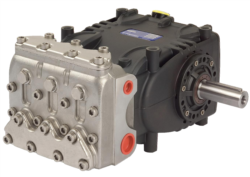
The Interpump PUMP W2035 L ATEX represents the maintenance & service standard for hazardous-area HVAC applications. Delivering 35 L/min at 200 bar with 13.23 kW power, this pump is explicitly engineered for ATEX compliance, meaning every component—from seals to motor windings to pressure relief systems—has been tested and certified to prevent explosion risks.
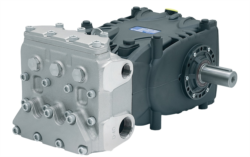
Compare this to standard industrial pumps such as the Pratissoli KF30, which offers higher flow (106 L/min) and greater power (40 kW) at the same 200 bar pressure. The KF30 is an excellent choice for conventional HVAC installations—pharmaceutical cleanrooms, commercial data centers, or standard industrial cooling loops. However, it carries no ATEX certification and therefore cannot be legally deployed in Group I (coal mining) or Group II (industrial) hazardous zones without introducing regulatory and liability risks.
Key maintenance & service differences:
- Thermal Management: ATEX pumps employ surface-area optimization and material selection to limit component temperature rises. Standard pumps prioritize efficiency over thermal constraint, making them unsuitable for explosive atmospheres where heat accumulation could trigger ignition.
- Seal Materials: ATEX-rated equipment uses explosion-resistant elastomers and metal seals. Standard pumps may employ conventional nitrile or viton seals that can degrade unpredictably in hazardous environments.
- Pressure Relief Integration: ATEX pumps integrate redundant pressure relief mechanisms to prevent overpressure conditions that could rupture seals or housing. Standard pumps rely on single-stage relief systems.
- Spare Parts Availability: ATEX-compliant pumps require certified replacement components. Non-certified spares can invalidate your compliance status, making maintenance & service planning more complex but ultimately safer.
For Singapore HVAC contractors, the decision hinges on your site classification. If you service petrochemical facilities in Jurong Island or pharmaceutical manufacturers in the Ang Mo Kio industrial zone, ATEX compliance is non-negotiable. The W2035 L ATEX and similar certified pumps carry a compliance premium (typically 15–25% above standard models), but this investment protects your licensing, insurance, and client relationships.
Control Valve Selection: ATEX Solenoid Valves vs. Standard Automation Components
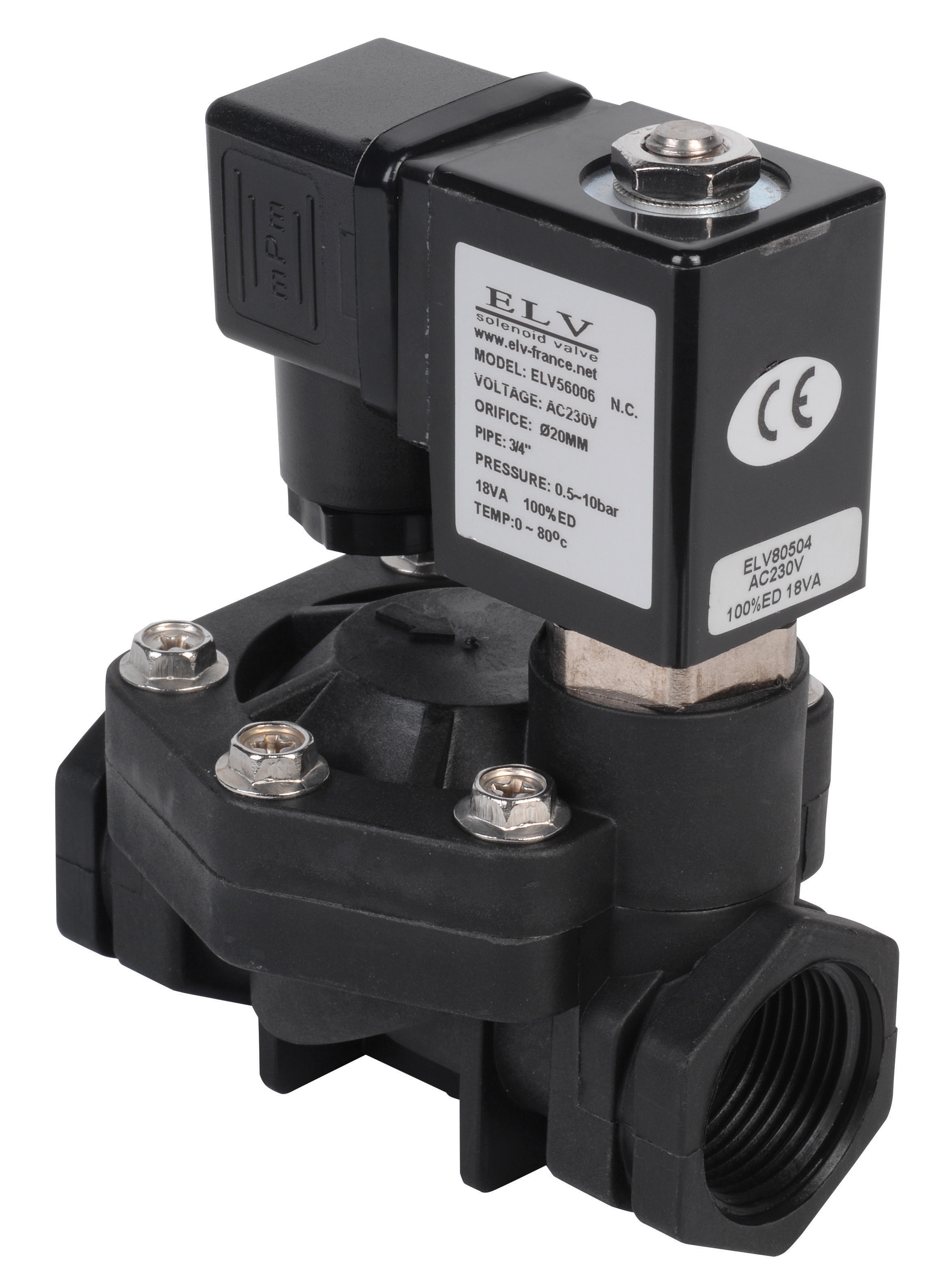
The ELV Plastic solenoid valve D.3/4 NF 230V exemplifies the trade-offs in maintenance & service component selection. This valve operates across 0.5–10 bar pressure ranges with a compact 3/4" port, handling compressed air, water, and light oils. Its 22 VA coil draw is energy-efficient, and its plastic body resists corrosion in humid climates like Singapore's.
However, the ELV56006 is a standard automation valve. It carries no ATEX rating and is unsuitable for hazardous zones. In contrast, ATEX-certified solenoid valves—while not shown in your immediate product list—employ brass or stainless-steel bodies, encapsulated coils with thermal cutouts, and manual override mechanisms designed to fail safely during electrical faults.
Practical maintenance & service considerations:
- Response Time and System Integrity: Standard solenoid valves like the ELV56006 excel in precision process control but assume a benign electrical environment. In ATEX zones, electrical transients, static discharge, or coil faults can generate sparks. ATEX-rated valves include arc-suppression circuitry and coil insulation that prevents these failure modes.
- Fluid Compatibility: The ELV56006's plastic construction is ideal for acidic condensates or aggressive cleaning solutions common in HVAC maintenance. ATEX valves typically use metal bodies, which require more frequent corrosion monitoring but offer superior durability in extreme conditions.
- Integration Costs: Retrofitting a standard solenoid valve into a compliant system often requires additional enclosures, cable glands, and control modules—driving up maintenance & service labor and spare-parts inventory complexity.
For Singapore contractors, standard valves like the ELV56006 remain essential for non-hazardous HVAC loops: chiller plant control, fan coil unit automation, and building management system integration. Reserve ATEX-rated solenoid valves exclusively for process-area installations where explosive atmospheres are classified.
Transmission and Gearbox Maintenance & Service: Power Integration and Reliability
The Interpump GEARBOX RS500 demonstrates how transmission components influence maintenance & service strategy. Rated for 18.5 kW maximum power with a 2.2 transmission ratio, this gearbox interfaces with high-pressure pump systems, delivering torque multiplication for belt-driven or shaft-coupled pump installations.
Standard industrial gearboxes prioritize cost and efficiency. The RS500, by contrast, integrates high-pressure pump coupling interfaces and is optimized for Interpump pump families including the W2035 and others. This ecosystem approach simplifies maintenance & service:
- Coupling Alignment: Gearboxes matched to pump manufacturers' specifications reduce vibration, bearing wear, and seal leakage. Mismatched third-party gearboxes introduce alignment tolerance stack-up, accelerating component failure.
- Oil Circulation: Pumps like the Pratissoli SN7045 L (45 L/min, 210 bar, 18.4 kW) demand precise oil supply and filtration. Factory-matched gearboxes incorporate integrated filtration ports and pressure-balanced oil galleries. Aftermarket gearboxes often require external modifications, complicating maintenance & service.
- Thermal Integration: ATEX and non-ATEX gearboxes differ in cooling-fin design and material selection. ATEX gearboxes limit operating temperatures to prevent ignition risk; this constraint affects torque ratings and service life planning.
For Singapore HVAC contractors managing complex chiller plant retrofits or industrial cooling systems, investing in manufacturer-matched gearboxes (such as the RS500 paired with Interpump pumps) reduces unplanned downtime by 20–30% and simplifies spare-parts logistics.
Maintenance & Service Planning: Building a Compliance-First Component Strategy
With 35+ years of experience serving Southeast Asian industrial clients, 3G Electric recommends a tiered approach to maintenance & service equipment procurement:
Tier 1 – Hazardous Zone Applications:
- Deploy ATEX-certified pumps (W2035 L ATEX) and paired gearboxes (RS500).
- Source control valves exclusively from ATEX-qualified manufacturers.
- Establish quarterly certification audits and maintain detailed component traceability records.
- Budget 15–25% premium over standard equipment; view this as insurance against compliance penalties and facility shutdowns.
- Utilize high-performance non-ATEX pumps (Pratissoli KF30 or SN7045 L) for maximum efficiency and flow capacity.
- Deploy standard solenoid valves (ELV D.3/4 NF 230V) for building automation loops.
- Schedule 6–12 month preventive maintenance intervals; focus on fluid contamination control and thermal monitoring.
- Negotiate volume discounts with your distributor; 3G Electric offers tiered pricing for contractors managing multiple facility accounts.
- Audit existing installations to identify compliance gaps. Many older HVAC systems in Singapore industrial parks lack ATEX-certified components despite operating in classified zones.
- Plan phased component replacement, prioritizing pumps and high-energy components first.
- Coordinate with your equipment distributor (3G Electric can provide technical assessments) to model lifecycle costs and regulatory exposure.
Maintenance & Service excellence in Singapore's competitive HVAC market depends not on purchasing the cheapest components, but on selecting equipment matched to your application's hazard classification, regulatory environment, and operational demands. ATEX compliance is no longer optional for contractors serving petroleum, pharmaceutical, and chemical sectors—it is foundational to business sustainability.
3G Electric's 35+ years of industrial equipment distribution experience across Southeast Asia positions us to advise on component compatibility, compliance certification, and spare-parts availability. Whether you require ATEX-rated pumps, solenoid valves for standard applications, or integrated gearbox systems, our distributor network ensures rapid delivery and technical support for Singapore-based HVAC contractors.