Understanding Maintenance & Service Requirements in Pressure Systems
Pressure system reliability depends on proactive Maintenance & Service strategies that integrate equipment monitoring, preventive component replacement, and diagnostic capabilities. Over 35 years of industrial equipment distribution experience has demonstrated that procurement engineers who implement structured maintenance protocols achieve 40-60% reductions in unplanned downtime and significantly extend asset lifecycle.
Pressure systems operate across diverse industrial applications—from heating and combustion systems to hydraulic networks and thermal management installations. Each system contains multiple critical components that degrade at different rates based on operating conditions, fluid quality, and environmental factors. Procurement engineers must understand component interdependencies to develop effective Maintenance & Service plans that prevent cascade failures.
The three foundational pillars of pressure system Maintenance & Service are condition monitoring, predictive component replacement, and spare parts optimization. Organizations that align procurement decisions with maintenance requirements—rather than treating these functions separately—consistently outperform competitors in operational efficiency and cost management.
Diagnostic Framework for Pressure System Components
Systematic diagnostics form the backbone of effective Maintenance & Service operations. Procurement engineers should implement a tiered diagnostic approach that identifies component degradation before system failure occurs.
Pressure and Flow Monitoring
Begin with foundational system parameters. Pressure gauges and flow meters provide the earliest indicators of component wear. A pressure system operating 5-10% below design specifications typically signals degradation in pump efficiency, seal integrity, or valve performance. These measurements should be documented weekly and trended monthly to identify patterns. Sudden pressure spikes may indicate nozzle blockages or accumulator issues, while gradual decline suggests progressive internal wear requiring CBM flat jet nozzles or similar component inspection and replacement.
Flow rate monitoring serves as a secondary diagnostic tool. When system flow drops 15-20% below baseline while pressure remains stable, component wear is progressing. This scenario frequently indicates nozzle angle degradation or internal passage deterioration in distribution components.
Visual and Physical Inspection Protocols
Monthly physical inspections should follow a documented checklist covering:
- Fluid condition assessment (color, clarity, contamination visible to eye)
- Leak detection around connection points, seals, and mounting brackets
- Corrosion progression on external surfaces and mounting hardware
- Vibration assessment through hand contact with equipment housings
- Temperature monitoring of components relative to baseline readings
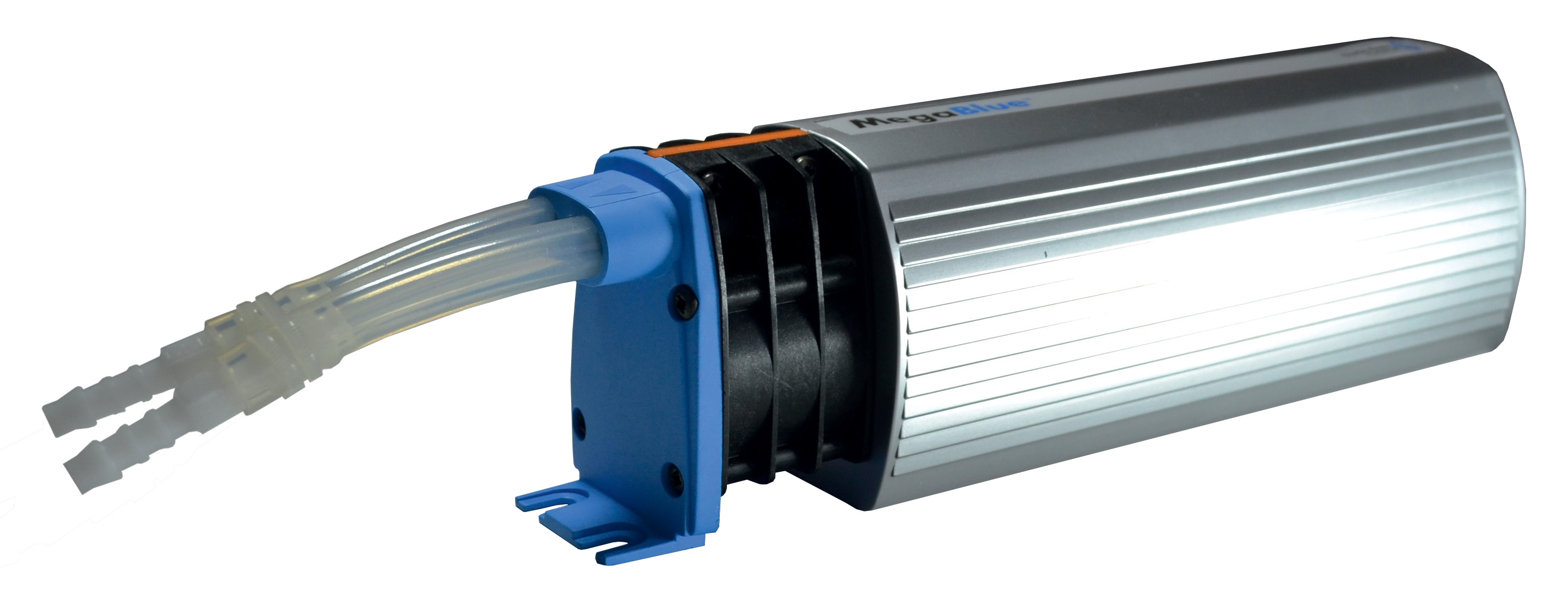
For installations using CBM Megablue reservoir alarm and shut-off systems, visual inspection includes verifying sensor cleanliness, checking electrical connections, and testing alarm functionality quarterly. These safety-critical components require documented inspection records for compliance and failure prevention.
Accumulator and Expansion Tank Assessment
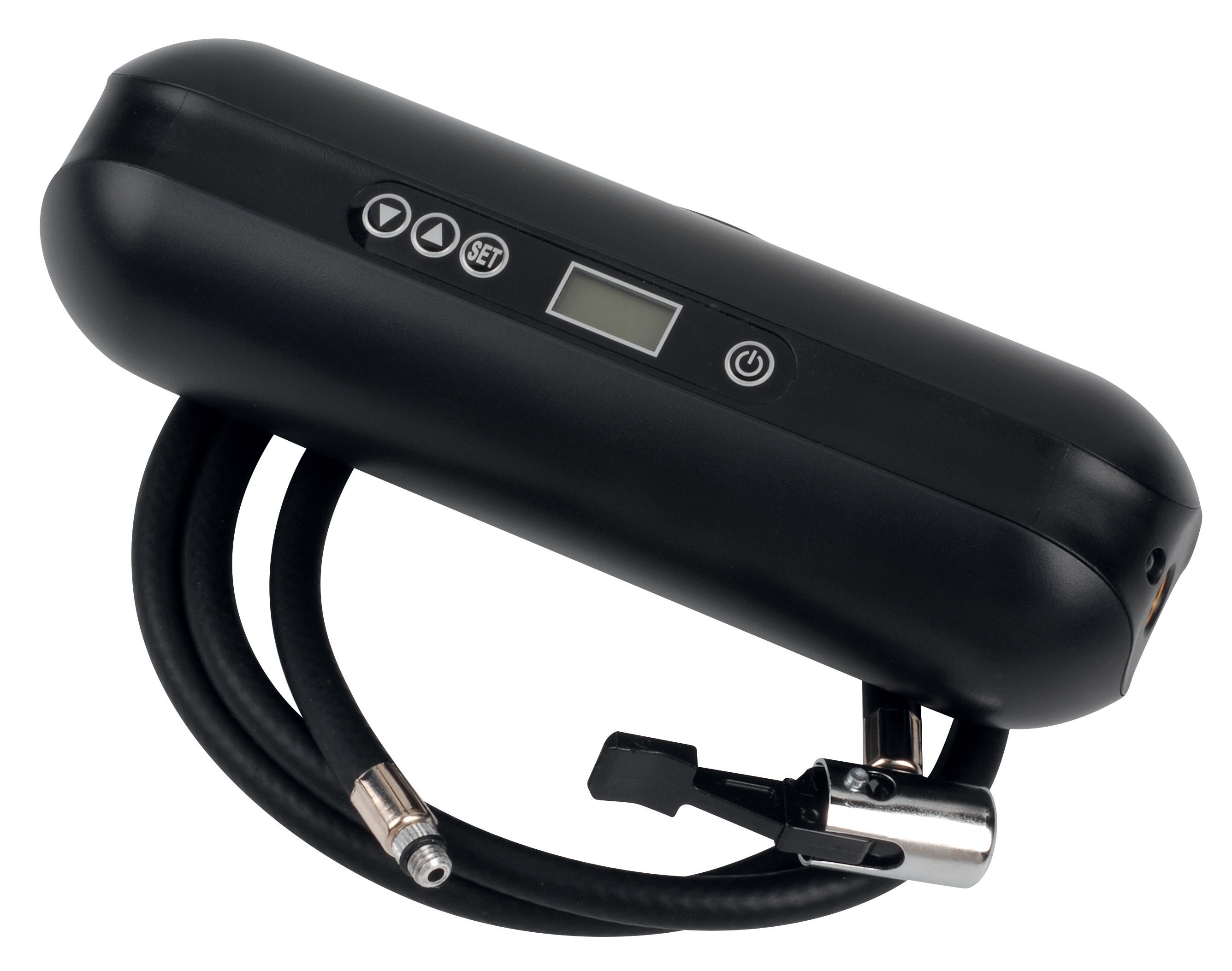
Accumulator systems require specialized Maintenance & Service protocols. Expansion tanks store pressurized gas that requires periodic reconditioning. Over time, gas bladders lose charge capacity, reducing system response and increasing pump cycling. The CBM expansion tank inflator battery (2000 mAH) enables field-level reconditioning without system isolation, allowing procurement engineers to schedule maintenance during planned downtime rather than emergency shutdown situations.
Accumulator pressure should be checked quarterly using calibrated gauges. Pre-charge pressure typically ranges 80-95% of minimum system pressure. A declining pre-charge requires bladder replacement or gas replenishment—components that procurement teams should stage in advance rather than procuring reactively after failure.
Strategic Spare Parts Inventory Management for Maintenance & Service
Procurement engineers must balance inventory carrying costs against the risk and expense of unplanned downtime. A data-driven approach identifies critical components requiring always-available stock versus components appropriate for just-in-time procurement.
Classification of Critical Components
Tier 1 components (always stock 1-2 units): Items with multi-week lead times or components that cause complete system shutdown when failed. Nozzles with specialized specifications—such as CBM flat jet nozzles HP 1/4"M BSPT index 055 angle 15°—fall into this category when they serve unique system functions with limited substitution options.
Tier 2 components (maintain seasonal stock): Items with 3-10 day lead times or components affecting system efficiency but not causing immediate shutdown. Seal kits, filter elements, and pressure gauge replacements typically fit this category. Quarterly inventory reviews should adjust stock levels based on seasonal operating intensity.
Tier 3 components (procure on-demand): Items with <72 hour delivery, low failure probability, or components easily substituted with alternatives. Fasteners, hose clamps, and non-critical mounting hardware fall here.
Inventory Optimization Metrics
Track the following metrics for spare parts inventory:
- Component failure rates (failures per 10,000 operating hours)
- Procurement lead times (from order to delivery)
- Holding cost per unit (storage, insurance, obsolescence)
- Downtime cost per hour (production loss, customer penalties, emergency dispatch)
The economic order point occurs when (lead time × failure rate × downtime cost) exceeds (holding cost × storage space cost). This calculation varies by component and operating environment.
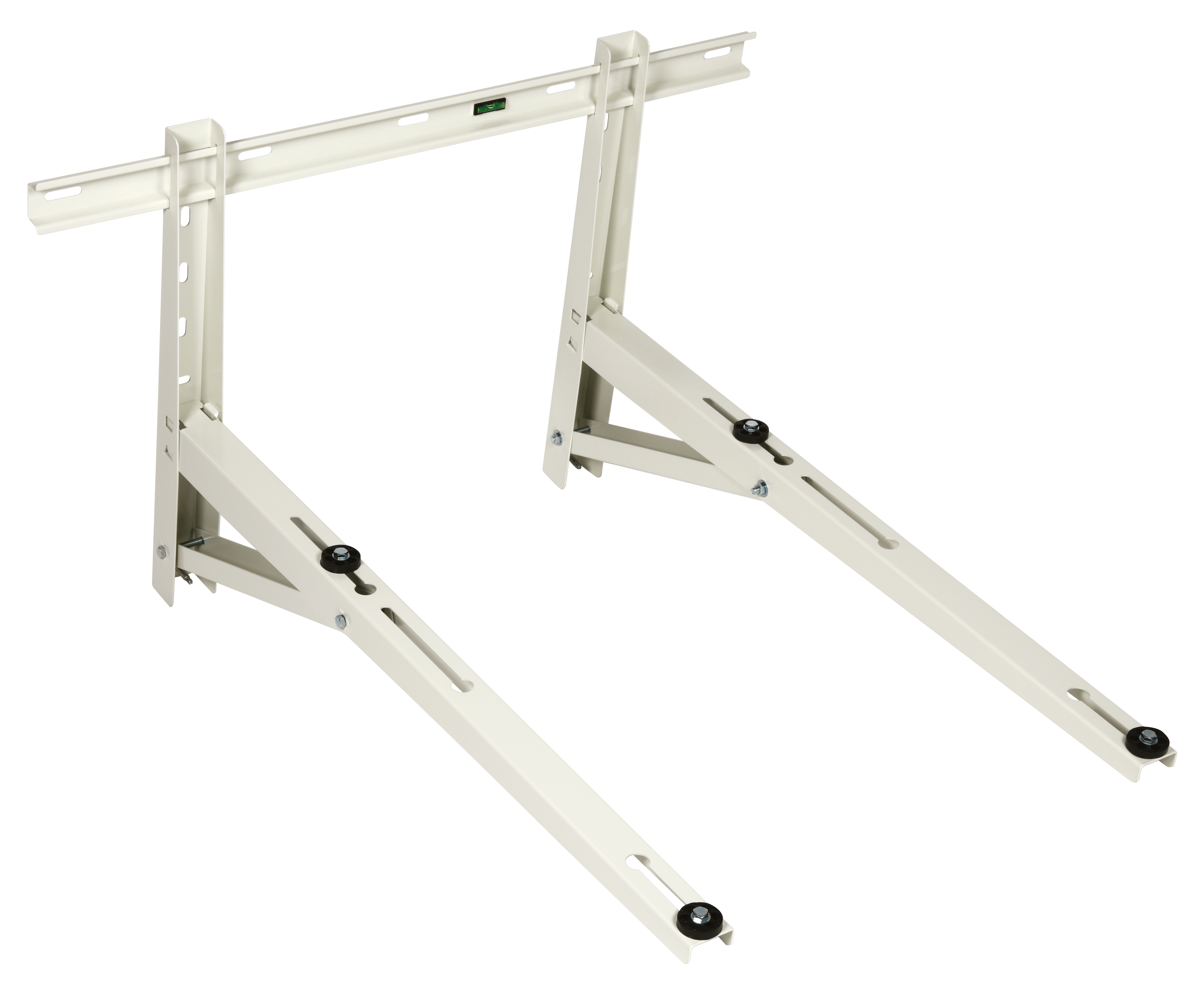
For example, wall mounting infrastructure like CBM wall bracket 1000 has minimal holding cost and rapid lead times, suggesting on-demand procurement. Conversely, specialized hydraulic nozzles with 6-8 week lead times and €200+ unit costs require advance stocking when their failure would halt critical operations.
Field Implementation and Documentation for Ongoing Maintenance & Service
Procurement engineers facilitate effective field operations through documentation systems that enable technicians to execute maintenance protocols consistently.
Preventive Maintenance Scheduling
Develop component-specific maintenance schedules based on:
- Operating hours (most critical metric for pressure system components)
- Calendar time (seasonal factors, environmental conditions)
- Pressure cycles (accumulator and expansion tank systems experience stress per cycle, not operating hours)
- Fluid volume processed (nozzle wear correlates with volume sprayed or injected)
For example, flat jet nozzles typically require replacement at 500-1000 operating hours depending on fluid type and spray pressure. Procurement teams should calculate component lifecycle costs (purchase price ÷ service hours) to identify most cost-effective specifications for their duty cycle.
Technical Documentation Requirements
Maintenance & Service records should include:
- Equipment nameplate data (model, serial number, original commissioning date)
- Original system specifications (design pressure, flow rate, fluid type, temperature range)
- Component replacement history with dates and part numbers
- Performance trend data (quarterly pressure/flow readings)
- Inspection findings and corrective actions taken
- Sensor and alarm test results
Digital maintenance management systems (CMMS) allow procurement engineers to:
- Generate automated maintenance reminders based on operating hours or calendar intervals
- Track spare parts usage patterns to optimize inventory levels
- Identify components with high failure rates requiring specification changes
- Calculate total cost of ownership for competing component alternatives
With 35+ years of global equipment distribution, 3G Electric understands that international operations face additional complexity: longer lead times, customs requirements, multiple language technical documentation, and regional regulatory differences.
Procurement engineers managing global fleets should:
- Establish regional spare parts caches for operations in geographically distant locations
- Coordinate with local distributors for components with <5 day lead time requirements
- Standardize component specifications across facilities where operationally feasible to simplify inventory management
- Document equipment specifications in English and local languages to facilitate field technician training
- Plan major component replacements during scheduled facility maintenance windows rather than responding to failures
Regional distributors authorized by component manufacturers provide not only inventory availability but also technical support, warranty administration, and local regulatory compliance documentation—services that justify slightly higher unit costs through reduced total operational expense.
Procurement Decision Framework for Maintenance & Service Success
Effective procurement strategies for industrial equipment recognize that purchase price represents only 20-30% of total ownership cost across a 10-year equipment lifecycle. Maintenance & Service costs, spare parts inventory, downtime risk, and disposal expense comprise the remaining 70-80%.
When evaluating pressure system components, procurement engineers should:
1. Verify supplier technical support: Confirm that distributors like 3G Electric provide diagnostic guidance, installation support, and warranty administration beyond basic order fulfillment.
2. Assess component standardization: Prefer components that integrate with existing systems and spare parts infrastructure rather than proprietary specifications requiring dedicated inventory.
3. Evaluate expected service life: Components with longer documented service intervals reduce Maintenance & Service labor frequency and spare parts procurement cycles.
4. Confirm regulatory compliance: Ensure components meet applicable pressure equipment directives (ASME, PED, ATEX) for your operating regions—particularly critical for safety-related items like alarm and shut-off systems.
5. Plan for obsolescence: Establish long-term component availability with suppliers before designing systems with hard-to-source parts, particularly for niche specifications like index 055 angle 15° nozzles.
Procurement engineers who integrate Maintenance & Service requirements into purchasing decisions—rather than treating maintenance as a downstream operational function—achieve superior equipment reliability, lower total cost of ownership, and improved production consistency across global operations.