Understanding the True Cost of Maintenance & Service Planning
Plant managers face a fundamental challenge: balancing operational budget constraints against equipment reliability. Maintenance & Service isn't simply about fixing things when they break—it's a strategic approach to asset management that directly impacts profitability.
With over 35 years of experience distributing industrial equipment globally, 3G Electric has observed that facilities implementing structured Maintenance & Service programs experience 30-40% fewer unexpected failures and substantially lower total cost of ownership. The difference lies not in spending more, but in spending smarter.
Consider this reality: an unplanned pump failure can halt production, requiring emergency repairs at premium costs, expedited parts shipping, and lost revenue. A systematic Maintenance & Service approach identifies wear patterns before catastrophic failure, allowing planned downtime during maintenance windows. This shift from reactive to predictive maintenance transforms how plants operate.
Building Your Maintenance & Service Documentation System
Create Equipment Baseline Records
Every industrial system begins life with specific performance parameters. Your first Maintenance & Service step is documenting these baselines:
- Pressure specifications and safety limits
- Flow rates under standard operating conditions
- Temperature ranges during normal operation
- Noise and vibration characteristics when new
- Power consumption at rated capacity
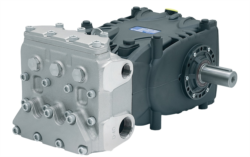
For high-pressure systems like the Pratissoli KF30 industrial pump (106 L/min flow, 200 bar pressure), baseline data becomes your diagnostic reference point. When actual performance deviates from documented baselines, you have quantified evidence requiring investigation.
Establish Maintenance & Service Schedules
Effective Maintenance & Service programs follow equipment manufacturer recommendations but adapt to your facility's specific operating conditions:
- Daily checks: Visual inspection for leaks, unusual noise, temperature deviations, pressure gauge readings
- Monthly inspections: Filter condition assessment, fastener tightness, seal integrity, fluid level verification
- Quarterly service intervals: Filter replacement, fluid analysis, component cleaning, performance testing
- Annual overhauls: Seal replacement, bearing inspection, calibration verification, complete system testing
Operating equipment continuously at maximum rated capacity accelerates wear, requiring more frequent Maintenance & Service intervals. Equipment operated at 60-70% capacity typically requires less intensive servicing.
Track Historical Performance
Maintain detailed records of every Maintenance & Service action: what was serviced, when, what was found, what was replaced, performance results afterward. Over time, this data reveals patterns. Perhaps a specific pump seal consistently needs replacement every 18 months under your operating conditions, or a pressure regulator drifts from calibration after 10 months. This historical knowledge transforms your Maintenance & Service program from guesswork to evidence-based planning.
Digital maintenance management systems offer significant advantages for plant managers managing multiple pieces of equipment. Even basic spreadsheet tracking provides better visibility than memory-dependent maintenance.
Critical Maintenance & Service Procedures for Core Industrial Components
Pressure Regulation Systems
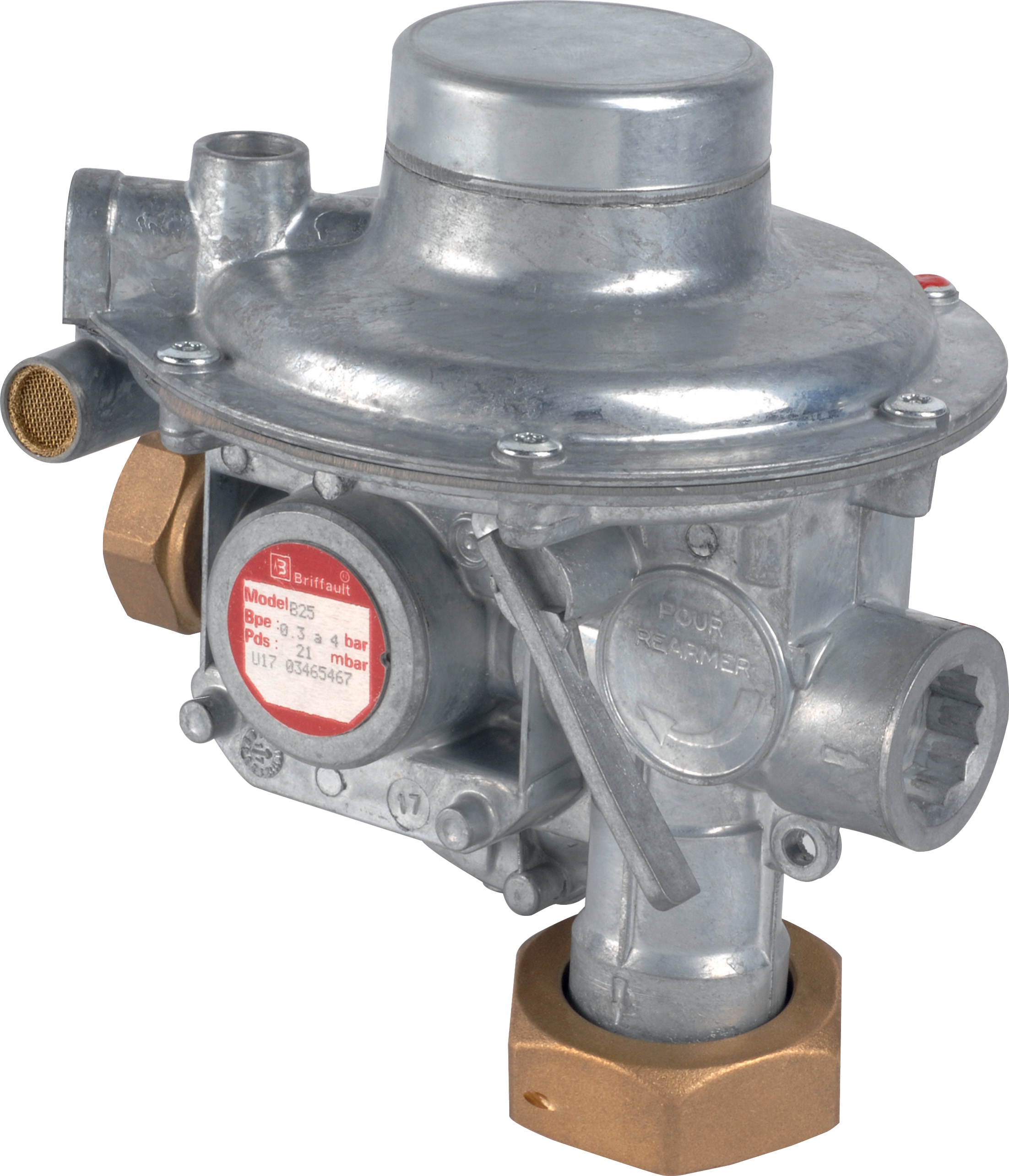
Pressure regulators like the Francel B25/37mb pressure regulator with safety maintain precise outlet pressure essential for equipment protection and process consistency. Proper Maintenance & Service of pressure regulators prevents:
- Pressure creep (gradual outlet pressure increase)
- Safety relief valve sticking or leaking
- Vent line blockages reducing emergency pressure relief
- Diaphragm wear reducing regulation accuracy
Regulator Maintenance & Service requires:
1. Monthly outlet pressure verification using calibrated gauges (not the regulator's integral gauge)
2. Quarterly inspection of vent lines for blockages—even small debris can prevent proper relief
3. Biannual safety relief testing to confirm proper opening pressure
4. Annual internal inspection by qualified technicians, including diaphragm and seat assessment
5. Replacement of sealing components during annual service intervals
Important: Never adjust regulator springs yourself unless trained and equipped with proper testing instruments. Improper adjustment creates safety hazards and process instability.
High-Pressure Pump Maintenance & Service
Industrial pumps represent critical infrastructure. The Pratissoli MW40 pump (211 L/min flow, 210 bar pressure) and Interpump E1D1808 gear pump (8 L/min at 180 bar) demand systematic Maintenance & Service:
1. Fluid condition monitoring: High-pressure systems circulate hydraulic or processing fluids. Contamination—particles, water, air—causes accelerated wear. Implement fluid sampling every 250 operating hours, analyzing for:
- Particulate contamination (ISO particle count)
- Water content (Karl Fischer analysis)
- Viscosity stability
- Acid number (oxidation indication)
2. Inlet and outlet filtration: Dirty inlet filters reduce pump suction, causing cavitation and internal damage. Outlet filters protect downstream components and the pump itself from circulating contamination. Replace filters based on pressure differential indicators, not calendar dates.
3. Noise and vibration assessment: Changing pump noise indicates developing problems. Increased pitched whining suggests cavitation (inlet starvation). Grinding or squealing indicates bearing wear. Rhythmic knocking suggests impeller damage. These diagnostic cues guide your Maintenance & Service decisions.
4. Seal and bearing inspection: High-pressure pumps rely on precision seals. Evidence of external leaking warrants immediate seal replacement before internal damage occurs. Bearing noise (rumbling, grinding) requires bearing replacement.
5. Performance curve testing: Periodically verify pump flow and pressure output. Declining flow at constant pressure indicates internal wear and efficiency loss, justifying rebuilding or replacement.
Spray Nozzle Maintenance & Service
The Euspray flat jet nozzle (25° spray angle, 1/4" M BSPT connection) requires different Maintenance & Service approaches than pumps. Nozzles are wear components with finite service life:
1. Weekly spray pattern inspection: Spray pattern degradation indicates internal wear or orifice blockage. Compare actual pattern against baseline.
2. Pressure validation: Nozzle performance depends on inlet pressure matching design specifications. Reduced inlet pressure produces poor spray pattern even with new nozzles.
3. Orifice cleaning: Mineral deposits and process fluid residue accumulate in nozzle orifices. Soak in appropriate solvents (never use metal tools forcing deposits out—this damages precision orifices).
4. Seal inspection: If nozzle leaks from the connection rather than the orifice, internal seals are failing. Plan replacement.
5. Inventory management: Maintain spare nozzles matching your operating pressure and spray angle requirements. Nozzle replacement during routine maintenance prevents emergency production stops.
Implementing Preventive Maintenance & Service in Your Facility
Assign Clear Responsibility
Effective Maintenance & Service requires designated personnel with clear authority and accountability. Assign one individual ownership of your maintenance program. This person oversees scheduling, tracks historical data, coordinates technician activities, and reports equipment status to management.
Invest in Operator Training
Your equipment operators represent your first line of defense for Maintenance & Service. Train them to:
- Recognize normal versus abnormal operation
- Perform basic daily checks without requiring technician involvement
- Document anomalies immediately
- Understand the consequences of deferred maintenance
Operators spending 8 hours daily with equipment detect subtle changes that others miss. Leverage this advantage through proper training.
Schedule Maintenance & Service During Planned Downtime
Identify production windows allowing equipment maintenance without emergency interruptions. Perhaps your facility operates continuously, but scheduled maintenance during lowest-demand periods reduces impact. Budget seasonal variations into your planning.
Partner with Qualified Equipment Suppliers
When replacement components become necessary, source from distributors like 3G Electric with deep expertise in industrial equipment reliability. Technical support during troubleshooting, access to genuine replacement components, and application knowledge prevent costly mistakes.
Budget Strategically for Maintenance & Service
Estimate annual maintenance costs as a percentage of equipment capital cost—typically 10-15% annually for active industrial systems. This budget encompasses:
- Replacement components (filters, seals, bearings)
- Preventive service intervals
- Calibration and testing
- Operator training
- Documentation systems
This planned investment prevents much larger emergency repair expenses.
Monitoring Maintenance & Service Effectiveness
Track key performance indicators demonstrating your Maintenance & Service program's value:
- Mean time between failures (MTBF): Increasing MTBF indicates improving reliability
- Equipment availability percentage: Higher availability means less unplanned downtime
- Maintenance cost per operating hour: Optimized programs reduce this ratio over time
- Safety incidents: Proper Maintenance & Service prevents dangerous failures
- Energy efficiency: Well-maintained equipment operates more efficiently
Review these metrics quarterly. Trends showing improvement validate your Maintenance & Service investment. Declining metrics signal program gaps requiring adjustment.
Maintenance & Service Knowledge Resources
Stay current with equipment-specific Maintenance & Service best practices:
- Manufacturer technical documentation and service bulletins
- Industry standards for equipment operation and maintenance
- Training certifications for technicians and supervisors
- Equipment supplier technical support and guidance
- Peer networks sharing Maintenance & Service lessons learned
Your investment in systematic Maintenance & Service ultimately protects your most valuable assets—your equipment and your facility's operational reliability. By following these principles, plant managers establish programs that reduce costs, improve safety, and enable consistent production performance.