Understanding High-Pressure Pump Maintenance & Service in Singapore's Climate
Maintenance & Service for industrial high-pressure pumps requires a fundamentally different approach than standard HVAC equipment. Unlike circulation pumps that operate at modest pressures, high-performance systems delivering 200+ bar demand rigorous attention to fluid condition, seal integrity, and thermal management. Singapore's tropical climate—with high ambient temperatures, humidity, and salt-laden air near coastal zones—accelerates degradation of pump internals and fluid properties.
3G Electric has supplied industrial equipment across Southeast Asia for over 35 years, and our experience shows that contractors who implement systematic maintenance & service protocols reduce unplanned downtime by 60-70%. The difference lies not in reactive repair, but in understanding how pressure, temperature, and contamination interact within pump systems.
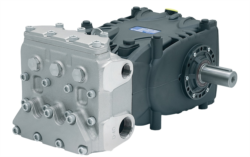
High-pressure pumps like the Pratissoli KF30 (delivering 106 L/min at 200 bar) and Pratissoli MW40 (211 L/min at 210 bar) operate in harsh conditions where even minor fluid degradation cascades into component failure. This article provides actionable maintenance & service strategies tailored to Singapore's industrial environment.
Fluid Management: The Foundation of Pump Maintenance & Service
Fluid degradation is the silent killer of high-pressure pump systems. In Singapore's climate, hydraulic and pressurized fluid systems face three primary challenges: thermal breakdown, water absorption, and oxidation. Unlike temperate regions where fluid life expectancy matches manufacturer datasheets, tropical conditions reduce effective fluid life by 30-40%.
Fluid Analysis and Sampling Protocol
Implement a structured fluid sampling program every 250 operating hours for systems running 24/7, or quarterly for seasonal operations. Take samples from the pump discharge line (not the reservoir) using sterile sampling bottles with proper labeling of date, time, and operating hours. Send samples to an accredited laboratory for ISO 4406 particle count analysis, water content (Karl Fischer titration), viscosity index, and acid number.
Key fluid condition thresholds for high-pressure systems:
- Particle contamination: ISO 18/16/13 or cleaner required for 200+ bar systems. If particle count exceeds 19/17/14, perform fluid replacement and system flushing
- Water content: Must remain below 500 ppm. Tropical humidity and condensation in cooler storage areas rapidly elevate water content, causing rust in pump internals and valve spool stiction
- Acid number (TAN): Rising acid number indicates oxidation. Replace fluid when TAN exceeds 1.0 mg KOH/g
- Viscosity: Maintain within ±10% of specification. High ambient temperatures thin fluid; verify with viscosity testing at 40°C
Manufacturer recommendations typically assume temperate climates. In Singapore operations:
- Premium synthetic fluids: Replace every 1,500 operating hours or 18 months, whichever comes first
- Mineral oil hydraulics: Replace every 1,000 operating hours or 12 months
- Emergency replacement triggers: Any fluid exceeding ISO 21/19/16 cleanliness, water content >500 ppm, or acid number >1.0 mg KOH/g
When replacing fluid in systems using KF30 or MW40 pumps, perform complete system flush using new fluid at idle speed. Run the system at 30% load for 2 hours before bringing online—this removes residual contamination from circuit components.
Seal and Bearing Inspection: Predictive Maintenance & Service Techniques
Pump seals fail due to three primary mechanisms: mechanical wear, thermal degradation, and fluid contamination. High-pressure systems amplify seal stress; a 200 bar pump operating 8,000 hours annually generates 40-50 times the seal shear stress of a standard circulation pump.
Establishing Baseline Operating Signatures
When commissioning new pumps, document three baseline measurements:
1. Pump case drain temperature: Record temperature at the case drain line (where internal leakage exits). For KF30 systems, acceptable case drain temperatures are 45-55°C at rated flow. Temperatures exceeding 65°C indicate seal degradation or internal bypass opening.
2. Case drain flow rate: Measure volumetric flow returning through the case drain at idle and at rated pressure. Document in mL/min. Gradual increases (5-10% annually) are normal; jumps >20% signal seal wear.
3. Pump vibration and noise: Use a simple smartphone-based vibration app (or calibrated accelerometer) to document baseline vibration at pump mounting feet. High-pressure pumps produce characteristic acoustic frequencies; changes indicate bearing wear or internal cavitation.
Monthly Inspection Protocol
- Check case drain hose for fluid leakage or crystalline buildup (indicates fluid breakdown)
- Verify pump inlet strainer condition; document differential pressure across strainer
- Listen for cavitation noise (distinctive crackling sound at pump inlet)—indicates suction line obstruction or low fluid level
- Measure pump mounting bolts torque; vibration from worn bearings loosens fasteners over 200-300 operating hours
- Inspect fluid cooler or heat exchanger for scale buildup (common in coastal areas where cooling water has high mineral content)
These warning signs suggest imminent seal or bearing failure:
- Case drain flow increases >30% above baseline
- Case drain temperature rises 10°C above normal operating range
- New vibration frequencies appear (high-frequency whine indicates bearing damage)
- Fluid analysis shows ferrous metal content >100 ppm (bearing wear particles)
- System pressure drops 10+ bar at constant throttle setting (internal leakage through degraded seals)
When two or more indicators appear, schedule seal replacement within 48 hours. Delay increases risk of catastrophic failure and contamination spread to downstream components like the Francel B25/37mb pressure regulator.
Pressure Regulation and Safety Component Maintenance & Service
High-pressure pump systems rely on regulators and relief valves to maintain system safety and prevent component damage. Singapore's industrial safety regulations (under the Workplace Safety and Health Act) require documented maintenance & service for all pressure relief equipment.
Pressure Regulator Maintenance & Service
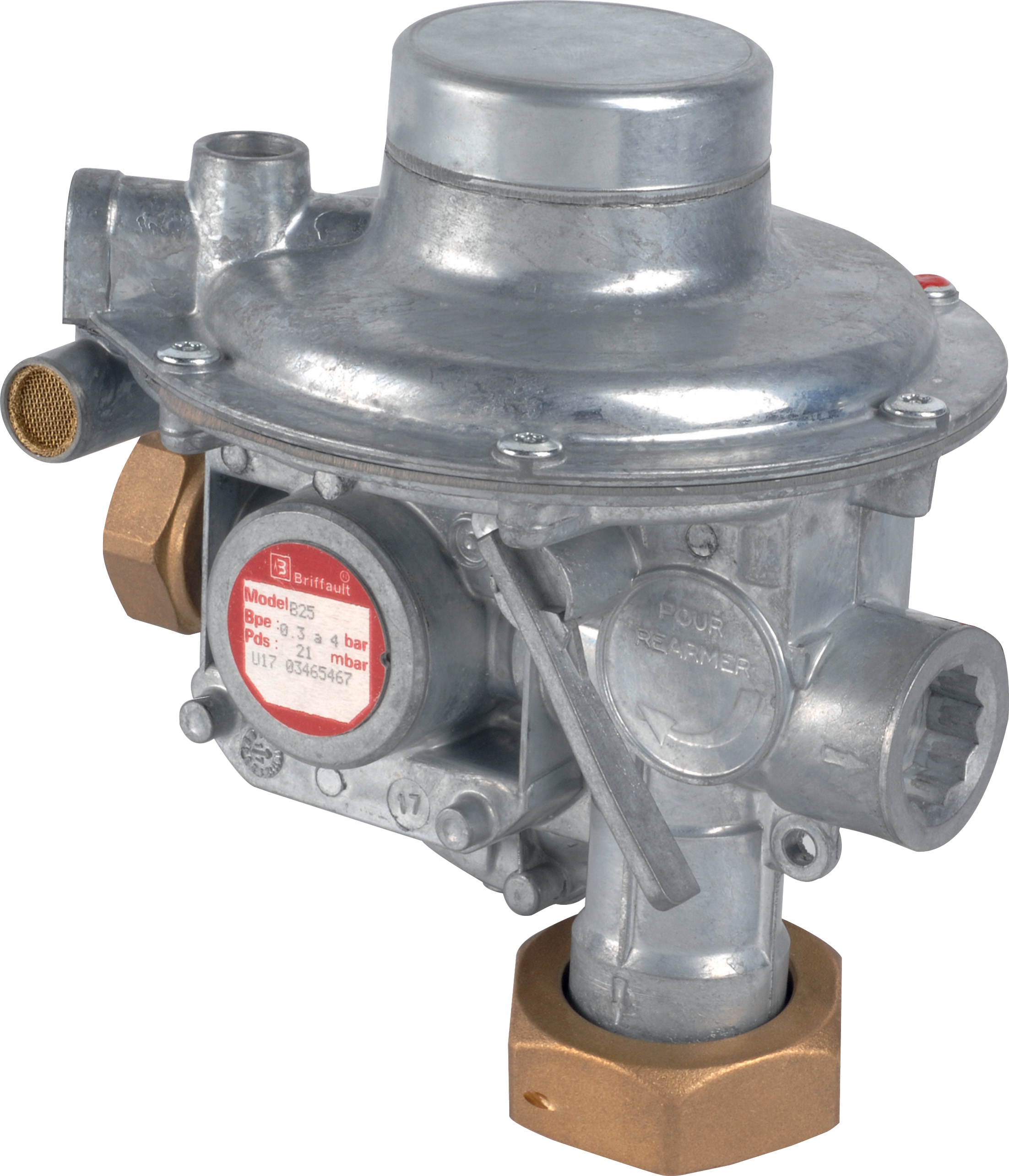
The Francel B25/37mb precision pressure regulator requires specific maintenance protocols:
- Quarterly inspection: Visual examination for corrosion, mechanical damage, or seal weeping. The B25/37mb's 10 mm vent must be clear and unobstructed
- Annual function test: Slowly increase system pressure to the regulator's set point (37 mbar outlet pressure). The regulator must begin venting within 5% of set pressure. If venting occurs outside ±5%, the internal spool or poppet requires professional cleaning or replacement
- Vent line maintenance: The 10 mm vent must discharge to atmosphere or a clean reservoir. Clogged vents cause pressure creep and potential overpressure conditions
- Fluid condition verification: Contaminated fluid causes spool stiction, preventing smooth regulation. If fluid analysis shows ISO 19/17/14 or dirtier, flush regulator and replace internal filter element
System relief valves must be tested annually by a qualified technician using a calibrated pressure gauge. For systems exceeding 150 bar, hire external calibration services—internal testing risks overpressure exposure to personnel. Document all relief valve tests with:
- Cracking pressure (pressure at which relief valve begins opening)
- Full-flow pressure (pressure when relief fully opened)
- Hysteresis (difference between cracking and closing pressure—should be 3-8 bar)
If cracking pressure drifts >±10 bar from set point, the valve requires professional overhaul. Do not attempt field adjustment on safety-critical components.
Spray System Nozzle and Coupling Maintenance & Service
When high-pressure pumps power spray systems using Euspray flat jet nozzles, maintenance & service extends beyond the pump to distribution components.
Nozzle Service Intervals
- Weekly visual inspection: Check for debris accumulation, corrosion, or spray pattern degradation. The Euspray 25° spray angle should form a clean, symmetrical fan pattern
- Monthly flow testing: Measure actual spray flow and compare to specification (documented at commissioning). Flow reduction >10% indicates internal erosion or mineral buildup
- Quarterly deep cleaning: Remove nozzles and soak in compatible solvent for 30 minutes. Use compressed air (maximum 3 bar) to clear internal passages—never use wire brushes or picks that damage the orifice
- Annual replacement: After 2,000 operating hours, replace nozzles. Erosion becomes significant beyond this threshold, affecting spray uniformity and system efficiency
High-pressure couplings on KF30 and MW40 systems require:
- Monthly visual inspection for external corrosion or witness marks indicating micro-movement
- Quarterly re-torque of coupling fasteners (vibration loosens fittings)
- Annual replacement of coupling O-rings and seals if fluid analysis shows water content >300 ppm (water promotes seal degradation)
Documentation and Compliance: Maintenance & Service Records
Singapore's health and safety regulations require documented maintenance & service procedures for industrial equipment. Maintain records including:
- Pump operating hours and run-time logs
- Fluid analysis results and replacement dates
- Seal and bearing inspection findings
- Pressure regulator and relief valve test certificates
- Nozzle replacement and cleaning logs
- Component failure analysis (if failures occur)
3G Electric recommends a simple spreadsheet or maintenance management system tracking these items by equipment serial number. Retain records for minimum 3 years. This documentation protects your operations during regulatory audits and provides critical data when diagnosing recurring issues.
Equipment Selection for Reliability
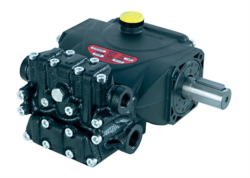
Choosing robust equipment reduces maintenance burden. The Pratissoli KF30 and MW40 pumps, manufactured by Italy's Interpump Group, feature sealed bearing housings and integral case drain ports designed for tropical environments. Similarly, the compact Interpump E1D1808 gear pump (8 L/min at 180 bar) suits smaller systems where space constraints apply.
When selecting new equipment or replacements, specify sealed bearing designs, integrated drain systems, and materials compatible with high-salt-content environments. Consult 3G Electric's technical team to identify components optimized for Singapore's operating conditions.