Understanding Maintenance & Service Component Strategy
Maintenance & Service excellence depends on selecting components that prevent failures before they occur. At 3G Electric, our 35+ years of experience in industrial equipment distribution shows that plant managers who invest in quality service components reduce unplanned downtime by 40-60%. The components you choose for nozzles, pressure systems, and safety monitoring directly impact your facility's productivity and safety record.
When evaluating Maintenance & Service options, plant managers must consider three critical factors: component compatibility with existing systems, reliability under operational stress, and long-term cost of ownership. Many facilities make the mistake of selecting the lowest-cost option without understanding how component performance affects overall system efficiency. This article compares five essential industrial service components to help you make informed purchasing decisions.
High-Pressure Nozzle Comparison: Index 25 vs. Index 055
Understanding Nozzle Specifications
High-pressure nozzles are critical Maintenance & Service components that directly influence spray patterns, energy efficiency, and system performance. The CBM Flat jet nozzle HP 1/4"M BSPT index 25 angle 15° and CBM Flat jet nozzle HP 1/4"M BSPT index 055 angle 15° represent two distinct approaches to high-pressure spray applications.
The index designation indicates flow capacity at rated pressure. Index 25 nozzles deliver 2.5 GPM at 100 bar, making them ideal for precision cleaning, degreasing, and surface preparation tasks where controlled spray patterns matter. Index 055 nozzles provide 5.5 GPM at the same pressure, delivering nearly double the flow rate for applications requiring faster material removal or larger surface coverage.
Application Matching and ROI
Plant managers must match nozzle specifications to actual operational requirements. Oversizing nozzles increases pressure drop, reduces system efficiency, and wastes energy. Undersizing creates bottlenecks and reduces productivity. The 1/4" BSPT connection on both models ensures compatibility with standard industrial quick-disconnect systems, simplifying maintenance procedures.
For precision work—such as fuel injector cleaning, bearing surface preparation, or sensitive equipment maintenance—the index 25 nozzle provides optimal control. For high-volume applications like floor cleaning, machinery cooling, or industrial washdown operations, the index 055 nozzle delivers better productivity metrics. Select based on your facility's actual pressure requirements and flow rates, not just price point.
Pressure System Inflation: Battery-Powered Reliability
The Role of Expansion Tank Inflation in Maintenance & Service
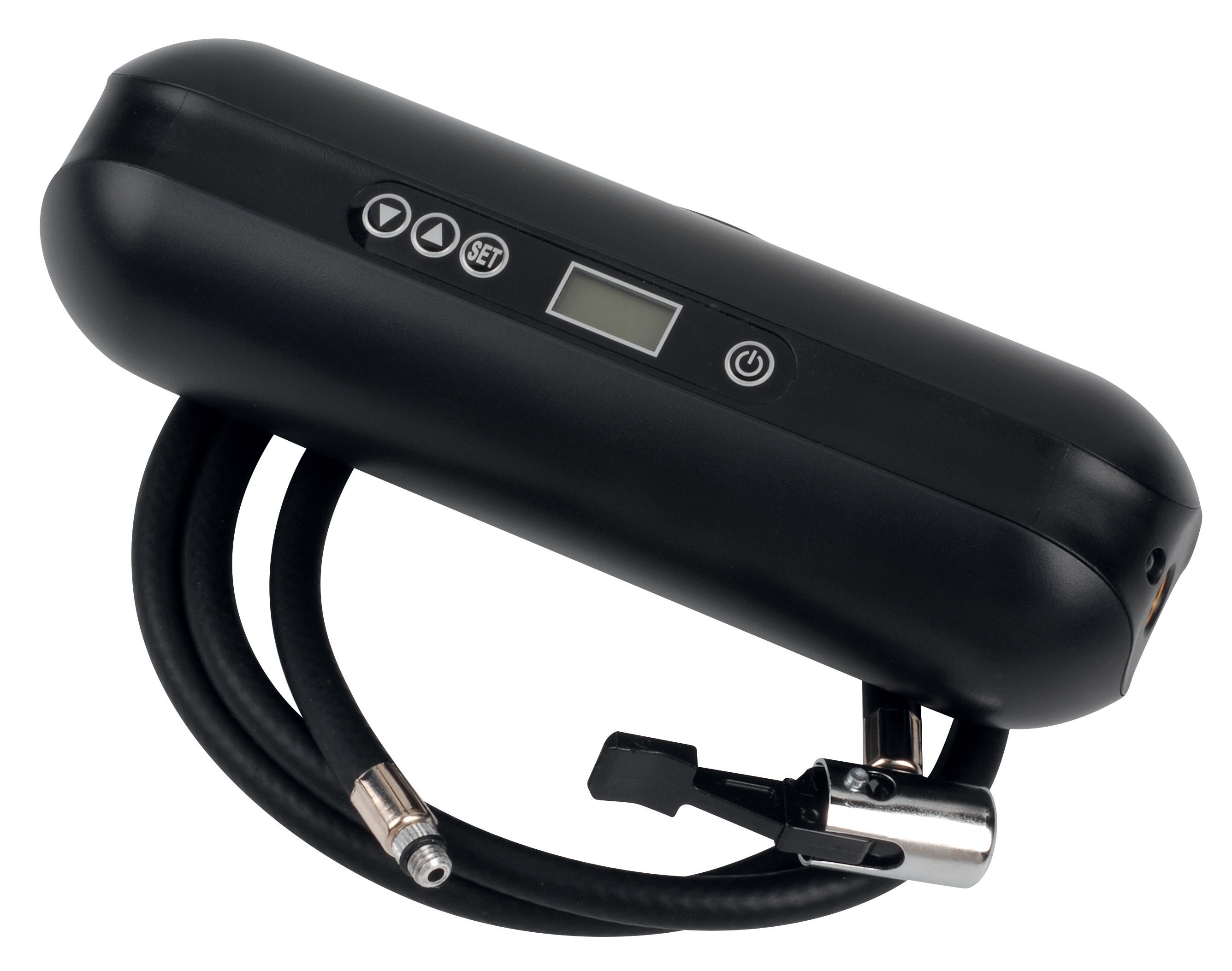
Expansion tanks maintain system pressure stability and protect against cavitation and water hammer damage. The CBM Expansion tank inflator battery 2000 mAH represents a modern approach to Maintenance & Service efficiency by eliminating dependence on manual inflation procedures or external compressor access.
Traditional expansion tank maintenance required technicians to locate external air sources, shut down systems for pressure adjustment, and perform manual inflation—a time-consuming process that often resulted in incorrect pressure settings. The 2000 mAH battery-powered inflator addresses these inefficiencies by enabling technicians to maintain proper tank pre-charge pressure during routine maintenance windows.
Operational Benefits and Reliability Metrics
Proper expansion tank pressure directly correlates with system longevity. Under-pressurized tanks allow excessive water expansion, leading to pressure spikes that damage seals and components. Over-pressurized tanks reduce effective water volume capacity, compromising system response capability. The battery-powered inflator ensures accurate pressure settings every time, reducing component failures attributed to pressure irregularities.
At 2000 mAH capacity, this inflator provides sufficient power for multiple tank inflation cycles between battery charges. Plant managers benefit from reduced service call duration, faster maintenance completion, and improved system reliability. When calculating ROI, consider that preventing a single high-pressure system failure typically costs $5,000-$15,000 in parts, labor, and lost production—making preventive inflation maintenance extraordinarily cost-effective.
Safety and Monitoring: Integrated Reservoir Intelligence
Megablue Reservoir Alarm and Shut-Off Integration
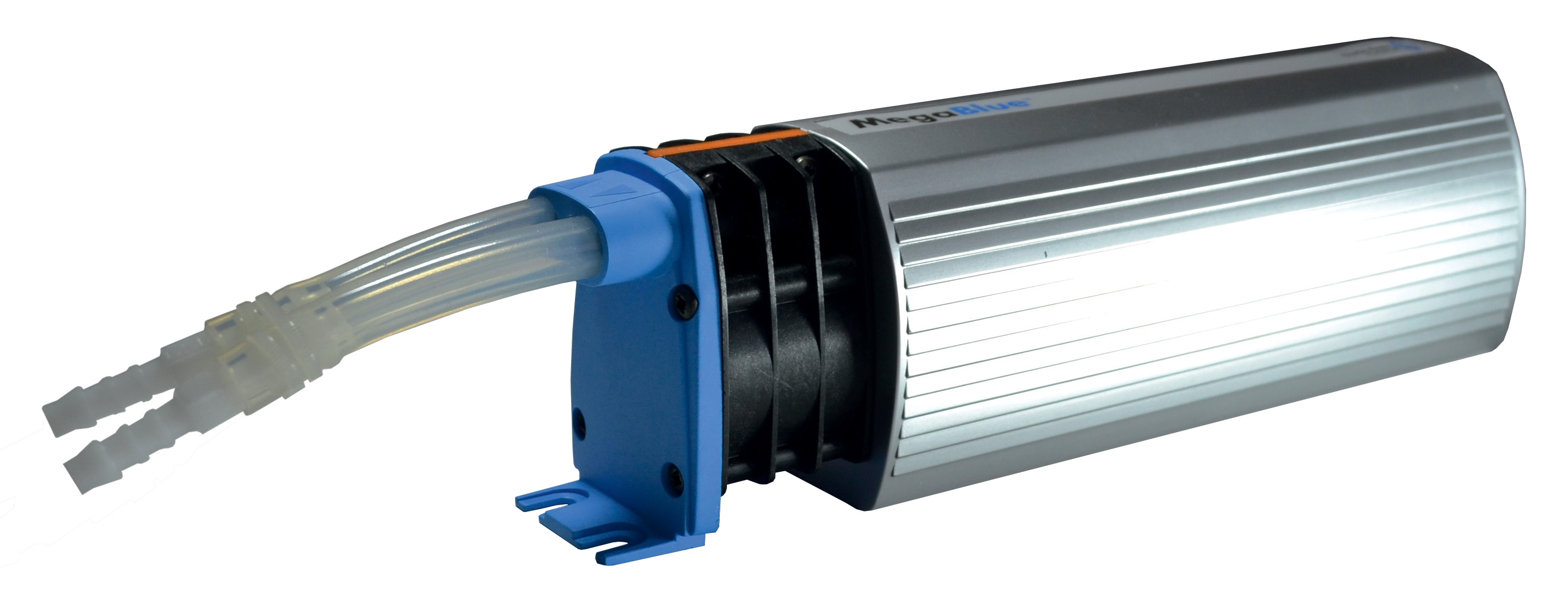
The CBM Megablue reservoir alarm + shut-off X87-813 demonstrates how modern Maintenance & Service components integrate safety with operational efficiency. This component provides dual functionality: it alerts operators to unsafe conditions while automatically protecting equipment from catastrophic failure.
Reservoir monitoring prevents multiple classes of failures. Low fluid levels cause cavitation and component damage. High temperatures indicate cooling system problems or excessive load conditions. Contaminated fluid accelerates wear rates exponentially. The Megablue system monitors these critical parameters and provides immediate operator notification, enabling proactive intervention before failure cascades through your system.
Implementation Strategy for Plant Managers
Integrating the Megablue reservoir control into your Maintenance & Service protocol requires minimal installation effort but delivers substantial risk reduction. The X87-813 model interfaces with standard control systems, enabling seamless integration into existing facility automation. When a fault condition develops, the system can trigger automatic shutdown, preventing damage to expensive downstream components.
Plant managers should view this component not as an added cost but as insurance against catastrophic failure. Consider that an undetected low-fluid condition can progress from cavitation damage to complete pump failure in hours, potentially costing $20,000-$50,000 in emergency repairs. The Megablue system typically costs less than $2,000 and prevents failures of this magnitude within its first operational year.
Installation Infrastructure: Wall-Mounted Support Systems
Organizing Maintenance & Service Equipment
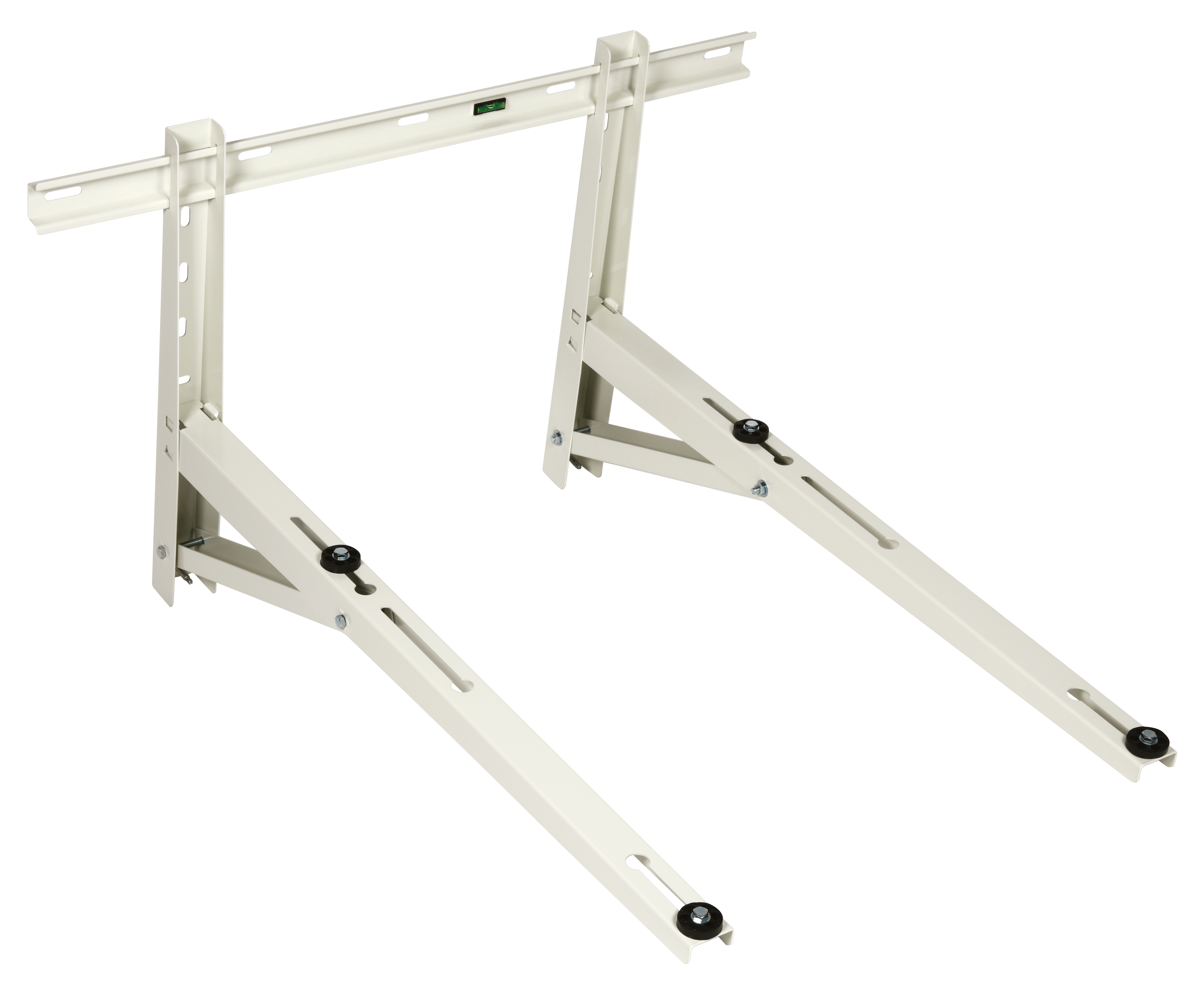
The CBM Wall bracket 1000 represents an often-overlooked element of effective Maintenance & Service operations: organized equipment placement. Proper mounting of components, nozzles, and tools ensures technicians locate service equipment quickly during maintenance procedures, reducing service call duration and improving safety compliance.
Wall-mounted storage for pressure nozzles, inflation equipment, and monitoring devices creates a centralized Maintenance & Service station. This organization strategy yields multiple operational benefits:
- Rapid Component Access: Technicians spend less time locating equipment, reducing billable service hours
- Inventory Control: Mounted systems make it obvious when components require replacement or reordering
- Safety Compliance: Proper equipment storage meets OSHA requirements for facility organization and hazard management
- Training Efficiency: Standardized equipment placement simplifies technician training and reduces procedural errors
The 1000-series wall bracket accommodates multiple component configurations, adapting to various facility layouts and growth scenarios. When implementing your Maintenance & Service infrastructure upgrade, allocate budget for proper mounting solutions alongside component purchases. The modest investment in infrastructure improvements typically reduces maintenance labor costs by 15-25% through improved efficiency.
Integrated System Approach: Maximizing Maintenance & Service ROI
Component Selection as Strategic Planning
Plant managers achieve optimal results when treating Maintenance & Service component selection as a coordinated system rather than isolated purchasing decisions. Pairing the correct high-pressure nozzle with proper inflation systems, safety monitoring, and organized equipment storage creates a maintenance environment that prevents failures and extends component life.
The relationship between these components amplifies their individual benefits. A precision index 25 nozzle performs optimally only when supported by accurate expansion tank pressure management. The Megablue reservoir control prevents conditions that would damage nozzles and inflators. Organized wall-mounted infrastructure ensures technicians maintain all components to specification during service procedures.
Developing Your Maintenance & Service Budget
Effective budgeting requires understanding that maintenance & Service spending prevents far larger capital expenditures. A $15,000 investment in proper service components, monitoring systems, and infrastructure typically prevents $100,000-$300,000 in emergency repairs and unplanned downtime annually. This relationship explains why world-class manufacturers prioritize Maintenance & Service investment.
As a global industrial equipment distributor with 35+ years experience, 3G Electric recommends allocating 5-8% of your operating equipment budget to Maintenance & Service components and systems. This investment rate aligns with industry best practices and statistically maximizes your facility's overall equipment effectiveness (OEE) and profitability.
Selection Criteria and Decision Matrix
Creating Your Component Specification Framework
When evaluating Maintenance & Service components, plant managers should assess:
- Pressure Compatibility: All components must function safely at your system's maximum operating pressure
- Flow Rate Requirements: Match nozzle indices to actual operational needs, avoiding oversizing that reduces efficiency
- Connectivity Standards: Ensure 1/4" BSPT connections align with your facility's quick-disconnect infrastructure
- Monitoring Integration: Select components that provide data visibility into system health and performance
- Supply Chain Reliability: Partner with distributors like 3G Electric who maintain consistent inventory and support long-term availability
- Training and Support: Prioritize components with clear documentation and accessible technical support
Plant managers who apply these criteria systematically eliminate purchasing mistakes that lead to component incompatibility, efficiency losses, and increased maintenance complexity. Taking time during the selection phase prevents far larger problems during operation.