Understanding Industry Applications: The Foundation of Equipment Selection
Industry applications span diverse operational environments—from commercial HVAC systems to industrial combustion processes. At 3G Electric, our 35+ years of experience distributing industrial equipment has taught us that successful maintenance operations depend on understanding how individual components serve specific applications. Maintenance teams face a critical challenge: selecting components that not only meet current operational demands but also integrate seamlessly with existing systems.
When evaluating industry applications, you're essentially answering three essential questions: What does your system need to accomplish? What environmental conditions will components face? How do individual parts work together to ensure reliability? This article guides maintenance teams through practical comparisons of precision nozzles, modulating gas burners, and tank protection systems—three component categories essential to industrial operations worldwide.
Precision Nozzles for Industry Applications: Comparing Spray Patterns and Pressure Ratings
Flat jet nozzles represent critical precision components in industry applications ranging from combustion systems to specialized spray processes. The difference between nozzle selections often determines system efficiency, fuel consumption, and operational consistency.
Understanding Nozzle Specifications
When evaluating nozzles for your industry applications, three factors dominate decision-making:
Pressure Rating and Index Numbers: The CBM Flat jet nozzle HP 1/4"M BSPT index 25 angle 15° and CBM Flat jet nozzle HP 1/4"M BSPT index 055 angle 15° represent different pressure classifications. The index number directly correlates to spray pattern characteristics and fuel flow rates. Index 25 nozzles handle higher pressure applications where atomization precision matters critically, while index 055 nozzles suit systems requiring different flow dynamics.
Connection Standards: Both models feature 1/4" Male BSPT (British Standard Pipe Taper) connections, ensuring compatibility with standard industrial manifold systems. This standardization simplifies replacement procedures and reduces inventory complexity across multi-site facilities.
Spray Geometry: The 15-degree angle specification provides a narrow, focused spray pattern ideal for combustion chambers where fuel must reach specific ignition zones without excessive wall impingement. This geometry directly impacts burner efficiency and emissions characteristics.
Practical Selection Criteria for Your Facility
Maintenance teams should select between these nozzle models based on system pressure requirements and fuel consumption targets. Higher index numbers (25) support applications requiring precise atomization at elevated pressures, common in industrial boiler systems and commercial HVAC heating equipment. Lower index numbers (055) accommodate systems with different pressure profiles or applications requiring higher fuel throughput at moderate pressures.
For facilities operating mixed equipment portfolios, maintaining both nozzle types in inventory prevents costly downtime. The modular design of these CBM nozzles enables rapid field replacement—a critical advantage when system failures demand immediate attention.
Modulating Gas Burner Systems: Matching Combustion Control to Industry Applications
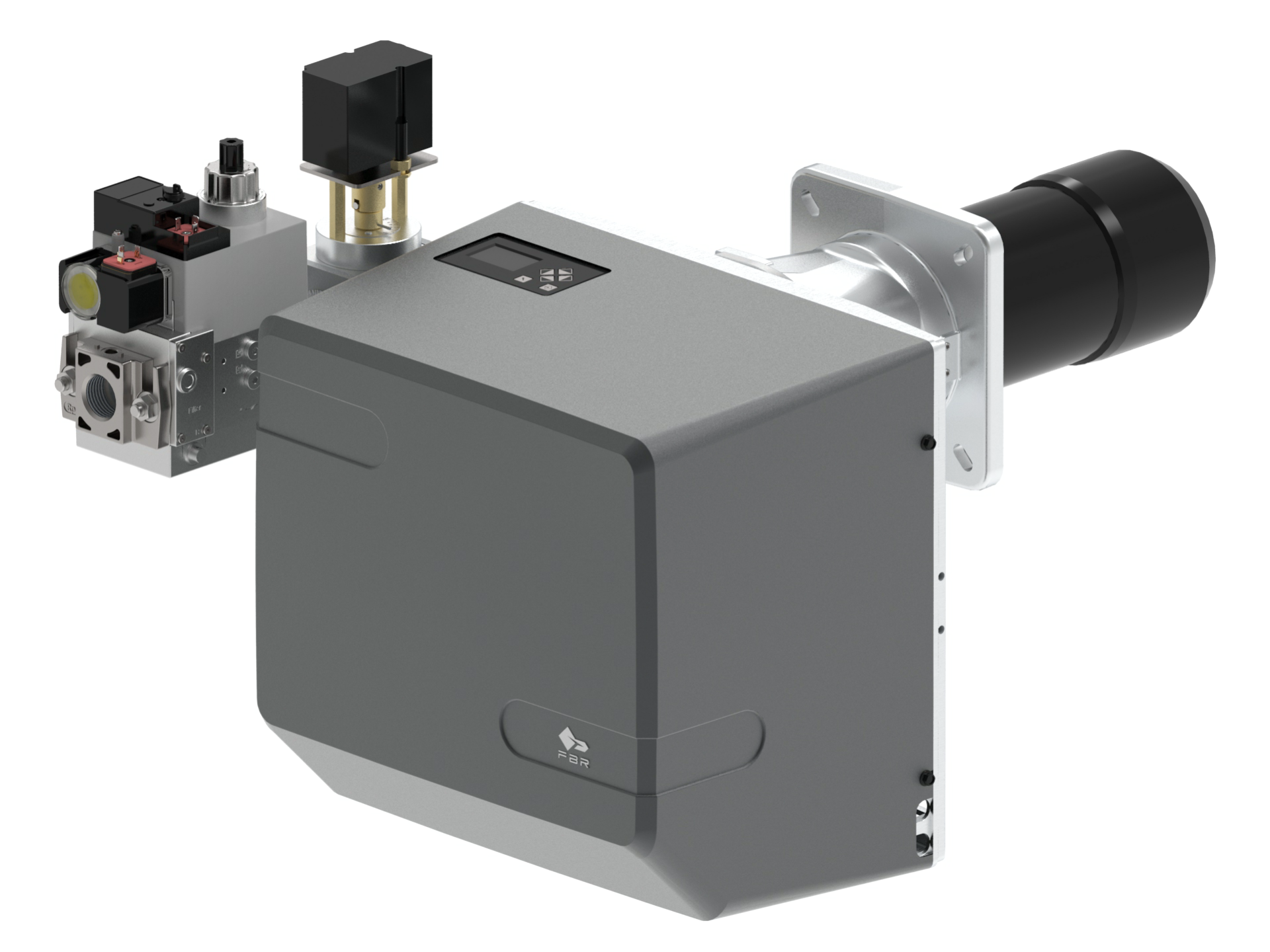
Modern industry applications increasingly demand sophisticated combustion control. The FBR BURNER GAS X5/MF TL EL VC LPG represents advanced burner technology designed specifically for facilities requiring PID (Proportional-Integral-Derivative) fully modulating control—a capability that distinguishes it from fixed-output alternatives.
Why Modulation Matters for Industry Applications
Modulating burners continuously adjust fuel and air mixture based on system demand, delivering three measurable advantages:
- Energy Efficiency: Rather than cycling on/off repeatedly, modulating systems adjust output smoothly from minimum to maximum capacity. This reduces energy consumption by 15-30% compared to conventional on/off burners in typical applications.
- Thermal Stability: Industry applications sensitive to temperature fluctuations—pharmaceutical processing, food production, climate-controlled facilities—benefit significantly from modulation. Consistent heating output prevents overshoot and undershoot conditions.
- Reduced Component Wear: Fewer on/off cycles extend equipment lifespan. Burner igniters, pilot lights, and valve mechanisms experience substantially less stress in modulating versus fixed-output configurations.
Technical Specifications Supporting Industry Applications
The FBR X5/MF burner features die-cast aluminum construction—a material selection reflecting industrial application demands. Aluminum bodies provide thermal efficiency while remaining lightweight for installation flexibility. The high-pressure fan ensures complete combustion even with varying fuel quality or supply pressure fluctuations common in global industry applications.
The optional modulation kit transforms this burner into a fully controllable system when paired with appropriate probes. Maintenance teams should note that modulation capability requires proper probe installation and calibration—a procedure 3G Electric's technical specialists can guide you through during commissioning.
LPG compatibility extends this burner's applicability to regions where natural gas infrastructure remains limited. Facilities in developing markets or rural industrial zones benefit from fuel flexibility that many competitors cannot match.
System Protection and Reliability: Tank Monitoring for Uninterrupted Operations
Even the most precisely specified nozzles and advanced burners cannot deliver reliable performance without proper fuel system protection. Industry applications worldwide depend on equipment that prevents catastrophic failures before they impact operations.
The Role of Tank Monitoring in Industry Applications
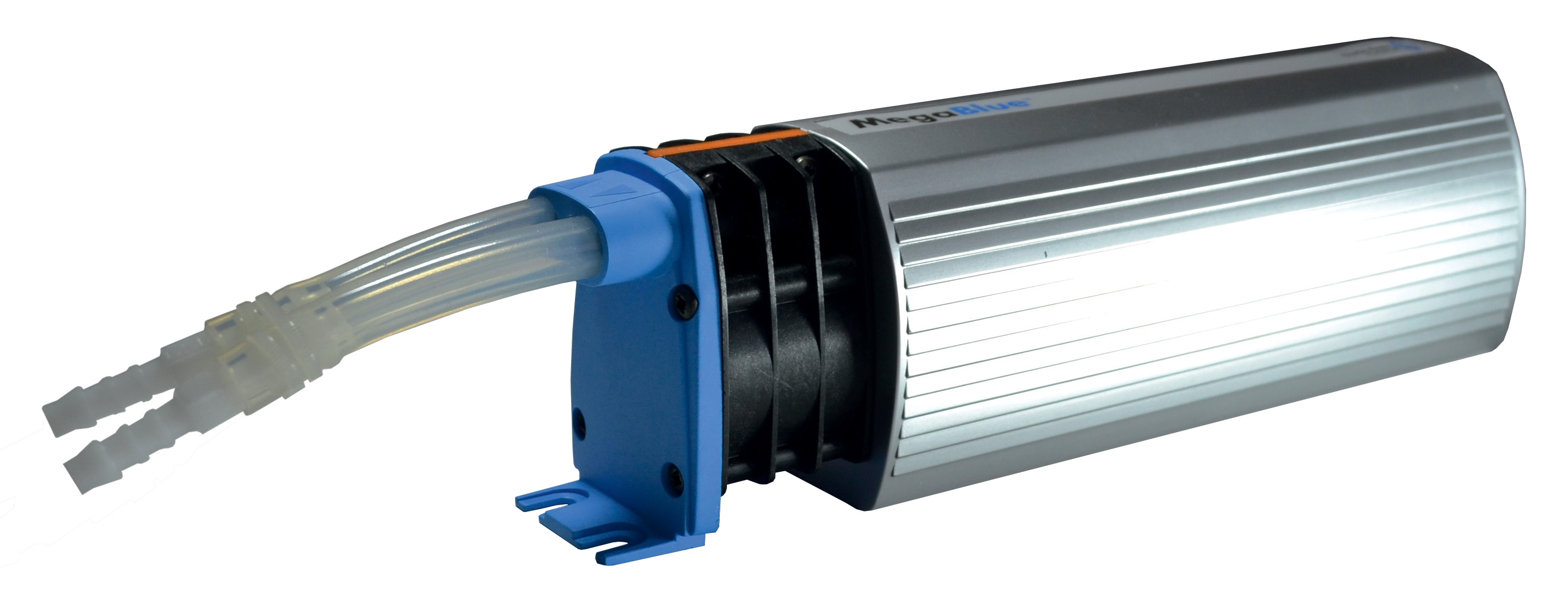
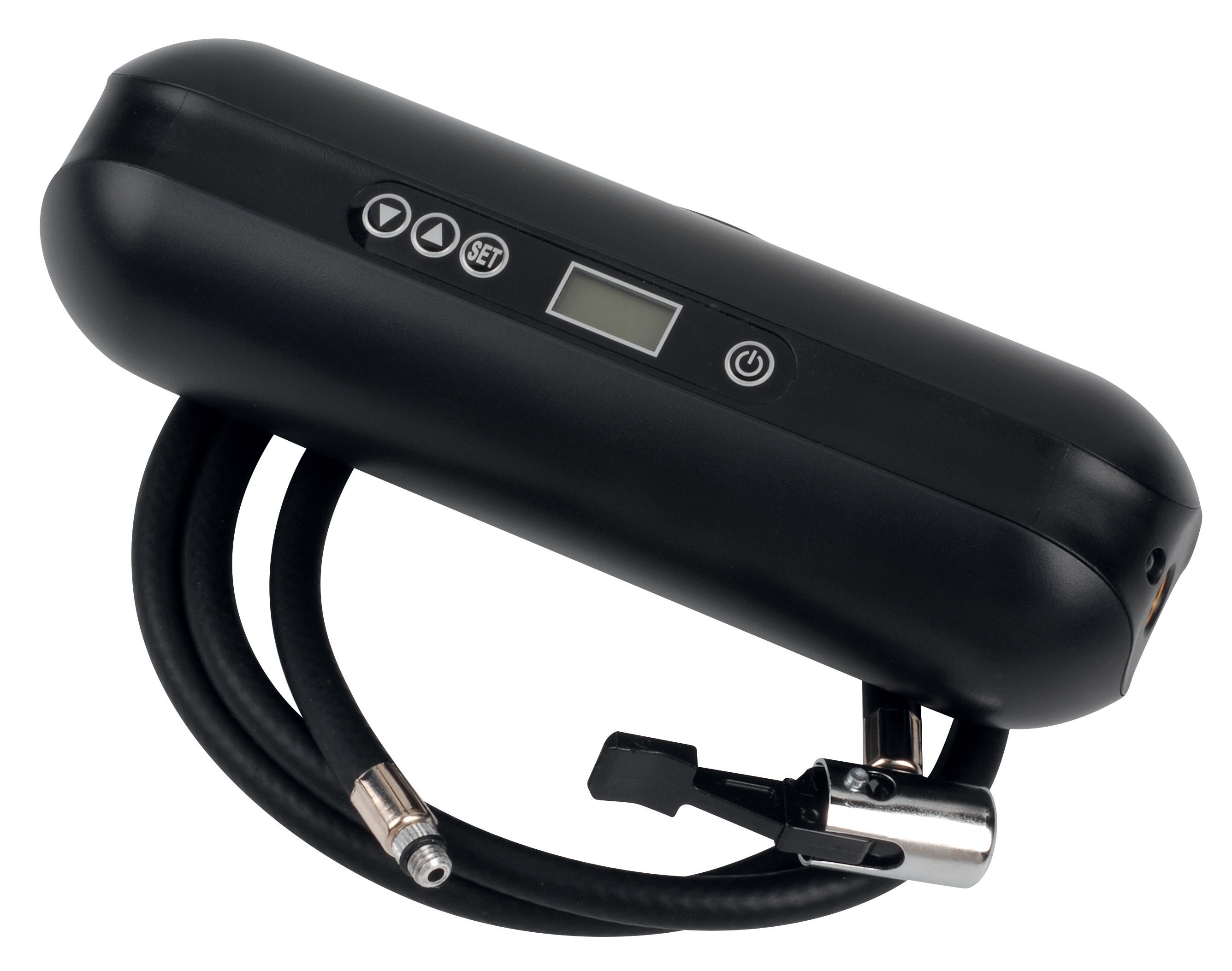
The CBM Expansion tank inflator battery 2000 mAH and CBM Megablue reservoir alarm + shut-off X87-813 address complementary protection requirements:
Pressure Maintenance: Expansion tanks in hydronic systems maintain appropriate pressure throughout operational cycles. The battery-powered inflator ensures maintenance teams can quickly restore proper tank charge without waiting for external power sources. This capability proves invaluable in remote facilities or during emergency restoration scenarios.
System Monitoring and Safety Shutdown: The Megablue reservoir alarm system provides dual functionality essential for industry applications. Continuous monitoring detects abnormal conditions—pressure anomalies, temperature deviations, fuel level drops—while automatic shut-off mechanisms prevent dangerous cascading failures. This redundant safety approach aligns with industrial reliability standards.
Integration with Overall Maintenance Strategy
These protection components represent preventive maintenance investments rather than reactive repair purchases. For facilities operating 24/7, the cost of preventing a single catastrophic failure typically exceeds the annual expense of all monitoring and protection equipment combined.
Maintenance teams implementing comprehensive monitoring gain actionable data informing spare parts inventory decisions. When the Megablue system detects recurring pressure anomalies, maintenance personnel can schedule nozzle or burner inspection before failure occurs—transforming reactive emergency responses into planned maintenance windows.
Integrated Component Strategy for Global Industry Applications
Building a Complete System
Successful industry applications result from components working in coordinated systems rather than isolated optimization. The nozzles, burners, and protection equipment discussed here represent interconnected elements:
1. Primary Function: Precision nozzles (TEC02060 or TEC02021) atomize fuel for combustion
2. Control Layer: The FBR X5/MF burner modulates combustion intensity based on system demand
3. Safety Foundation: Tank monitoring (MES20002 and CLI52402) ensures uninterrupted operation and prevents failures
This three-layer approach addresses performance, efficiency, and reliability—the complete maintenance triangle.
Inventory Management for Multi-Location Facilities
Organizations operating multiple sites benefit from standardized component specifications. By specifying identical nozzle types, burner models, and monitoring equipment across facilities, maintenance teams reduce training complexity and simplify spare parts inventory management. This standardization approach has proven invaluable for our 35+ years of industrial equipment distribution experience.
Regional Adaptation Within Industry Applications
Global industry applications require flexibility. The FBR X5/MF burner's LPG compatibility, combined with standard BSPT connections on nozzles and universal tank monitoring specifications, enables consistent equipment selection across diverse geographic markets. Whether operating in regions with natural gas infrastructure or areas dependent on LPG, these components provide familiar performance standards.
Practical Implementation: Transitioning Your Facility
Assessment Phase
Maintenance teams beginning equipment evaluation should document current system configurations: existing nozzle types and pressure ratings, burner control capabilities, and any existing monitoring infrastructure. This baseline assessment reveals opportunities for standardization and identifies components requiring immediate attention.
Phased Replacement Strategy
Implementing new components across existing industry applications need not occur simultaneously. A phased approach—beginning with critical systems or locations with highest failure rates—allows maintenance teams to validate performance and build operational confidence before facility-wide rollout.
Training and Competency Building
Introducing modulating burner technology or enhanced monitoring systems requires updated maintenance procedures. 3G Electric's technical support team can provide training resources ensuring your staff understands modulation principles, proper probe installation, and monitoring system diagnostics.
The Long-Term Value Proposition
Investment in precision components and protective systems delivers measurable returns across your operational timeline. Energy savings from burner modulation, extended equipment lifespan from reduced on/off cycling, and prevented catastrophic failures through proactive monitoring combine to create compelling financial justification for component upgrades.
For maintenance teams managing industrial operations across multiple sites, standardizing on reliable component specifications—like the precision nozzles, modulating burners, and protection systems discussed here—establishes operational consistency that compounds reliability improvements year after year.
At 3G Electric, our 35+ years distributing industrial equipment reflects our commitment to helping maintenance teams make informed decisions. Whether you're optimizing a single facility or managing global operations, we're here to guide component selection that matches your specific industry applications and operational requirements.