Understanding Industry Applications for Southeast Asia Maintenance Operations
Industry Applications extend far beyond equipment selection—they represent strategic approaches to maintaining operational continuity in Southeast Asia's fast-paced industrial environment. With 35+ years of experience distributing industrial equipment across diverse sectors, 3G Electric understands the specific maintenance challenges facing teams in this region.
Southeast Asian manufacturing facilities operate in demanding conditions: high humidity, temperature fluctuations, dust-heavy environments, and often 24/7 production schedules. Maintenance teams must balance uptime requirements with budget constraints, making equipment reliability and proper maintenance protocols essential. This guide equips your team with actionable strategies to maximize equipment performance and minimize catastrophic failures.
Whether you manage a textile processing facility in Vietnam, a food processing plant in Thailand, or a precision manufacturing operation in Malaysia, the principles of predictive maintenance and strategic equipment selection remain consistent. The difference lies in understanding specific industry applications and tailoring your approach accordingly.
Implementing Predictive Maintenance Programs for High-Pressure Systems
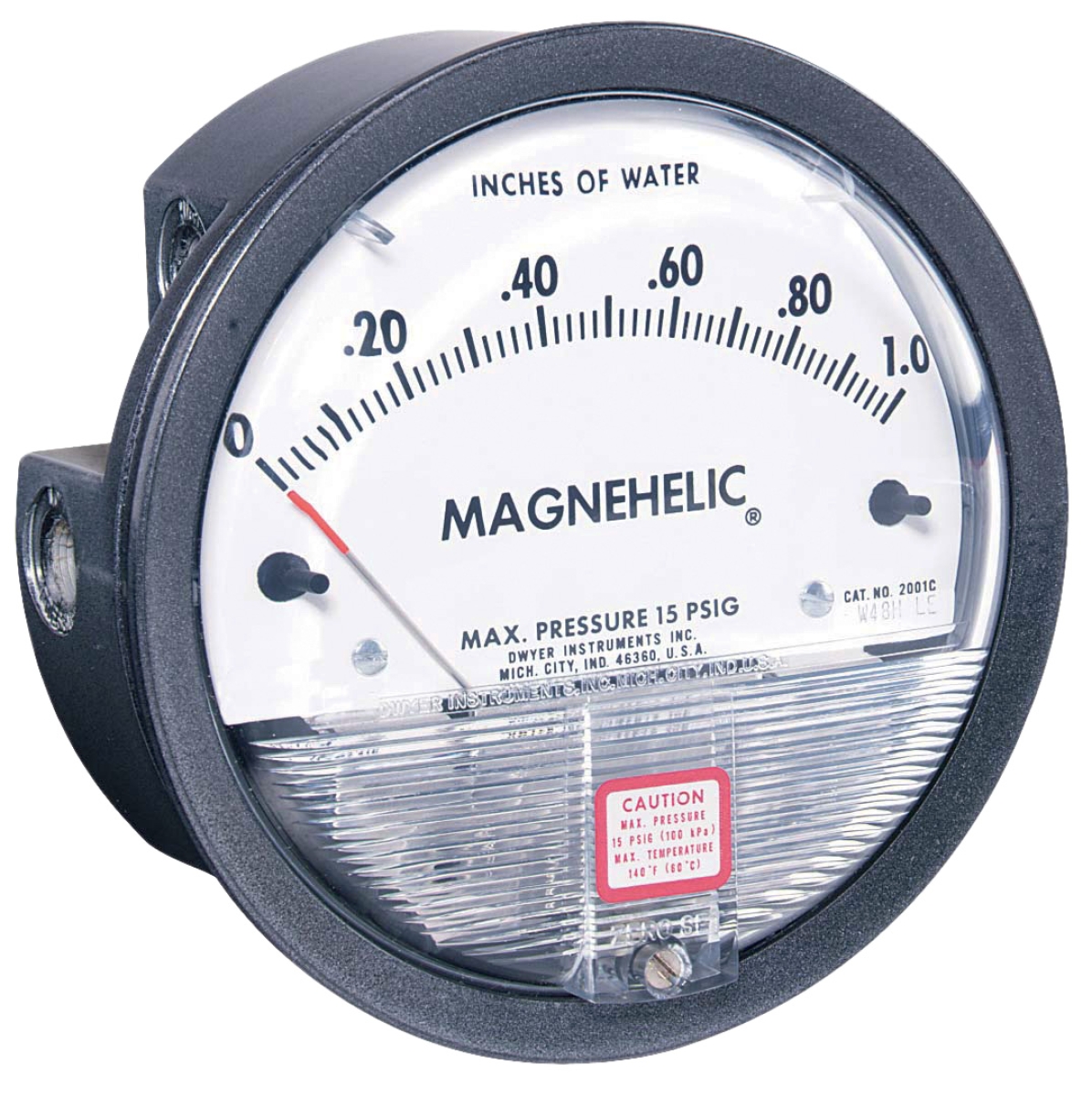
Pressure Regulation and Safety Monitoring
High-pressure systems are critical in numerous Southeast Asian industries—from beverage bottling to pharmaceutical manufacturing. Maintaining proper pressure regulation prevents equipment damage, product spoilage, and workplace accidents.
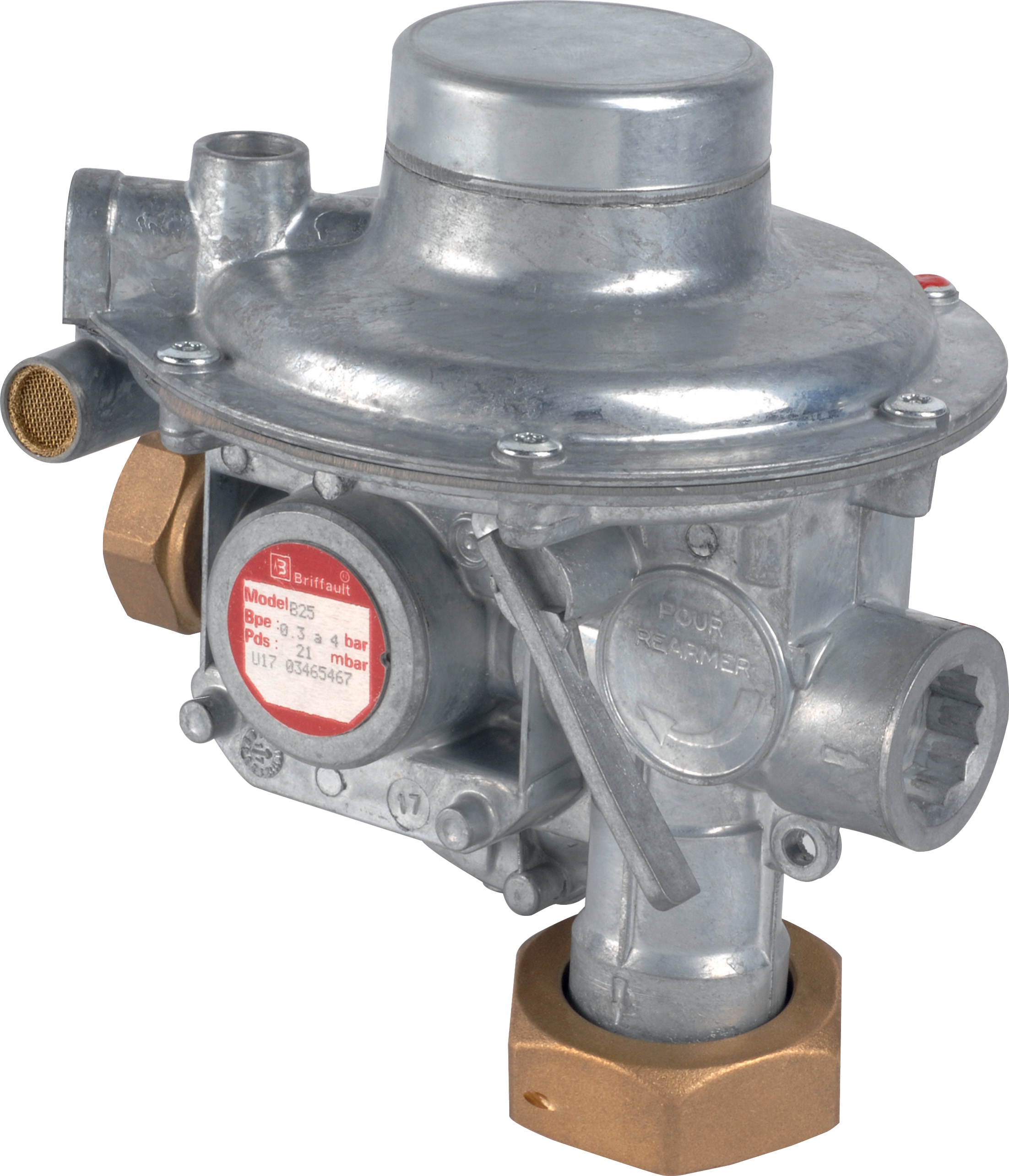
The Francel B25/37mb pressure regulator with integrated safety relief represents the type of equipment that requires consistent monitoring in your maintenance program. This device delivers precise 37 mbar outlet pressure with integrated safety mechanisms, making it essential for laboratory and industrial gas distribution systems.
Your maintenance team should establish:
- Weekly pressure readings: Document actual vs. target pressures to identify drift patterns before failures occur
- Monthly vent inspection: Clean the 10 mm vent to prevent blockages that compromise safety relief functionality
- Quarterly calibration verification: Use calibrated gauges to confirm output pressure accuracy
- Immediate response protocols: Define who responds when pressure drifts beyond acceptable ranges
In humid Southeast Asian environments, moisture ingress represents a common failure mode for pressure regulators. Implement desiccant cartridge replacements at 6-month intervals and store spare regulators in sealed, climate-controlled conditions.
Pump Maintenance Scheduling
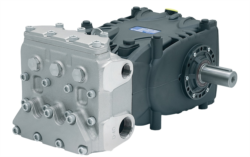
Industrial pumps form the backbone of countless Southeast Asian operations. The Pratissoli KF30 high-performance pump (106 L/min at 200 bar) and the MW40 pump (211 L/min at 210 bar) represent the types of critical equipment requiring systematic maintenance attention.
For these high-powered systems, establish a maintenance hierarchy:
Daily Tasks (Maintenance Technician):
- Visual inspection for leaks
- Monitor operating temperature via infrared thermometer
- Check suction line filter condition
- Listen for unusual vibrations or noise
- Record flow rate and pressure readings
- Inspect pump inlet for cavitation indicators
- Check coupling alignment using dial indicators
- Verify oil quality if system includes lubrication
- Full system pressure test
- Vibration analysis using portable equipment
- Thermal imaging inspection of motor and pump body
- Review maintenance logs for trend analysis
- Oil sample analysis (send for lab testing)
- Bearing temperature assessment
- Seal condition evaluation
- Seal replacement if wear indicators present
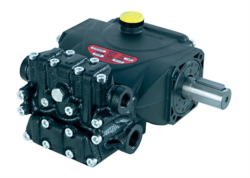
For compact gear pumps like the Interpump E1D1808 L (8 L/min at 180 bar), the maintenance approach differs slightly due to smaller scale but remains equally important. These 2.72 kW units operating at 2800 rpm require:
- Tighter oil change intervals (every 500-750 operating hours in tropical climates)
- More frequent bearing inspections due to higher rotational speeds
- Quarterly flushing of inlet strainers to prevent debris accumulation
- Immediate investigation of any noise changes, as gear pumps telegraph wear through acoustic signature
Environmental Considerations for Southeast Asian Facilities
Tropical climates create unique maintenance challenges. Establish protocols for:
- Corrosion prevention: Apply protective coatings to exposed metal parts quarterly; store unused equipment in climate-controlled environments
- Moisture management: Change desiccant cartridges in regulators and accumulators more frequently than temperate-zone facilities
- Dust management: Implement sealed inlet filters on pump suction lines; inspect and clean more frequently than standard recommendations
- Thermal stress reduction: Install cooling systems for pump operations in ambient temperatures above 35°C; increase oil cooling intervals
Optimizing Spray System Maintenance and Nozzle Performance
Industrial spray systems require different maintenance strategies than pressure-only equipment. The Euspray flat jet nozzle HP 1/4"M BSPT with 25° spray angle and similar precision spray components demand attention to pattern consistency and blockage prevention.
Spray Nozzle Inspection Protocol
Maintenance teams should establish weekly inspection routines:
Visual Assessment:
- Compare current spray pattern against baseline photographs
- Check for asymmetrical spray cones indicating partial blockage
- Inspect nozzle body for cracks or erosion damage
- Verify that spray angle remains at specified 25° (or your system's target)
- Install secondary filtration (100-mesh screens) immediately upstream of nozzles
- Implement daily flushing protocols if your application involves particulate-laden fluids
- Maintain spare nozzles so blocked units can be removed and cleaned offline without production interruption
- Document blockage frequency—increasing instances signal filtration system failure
- Use white test boards or cardboard to capture spray patterns
- Document patterns monthly for comparison
- When drift exceeds ±5° from specification, schedule nozzle replacement
- Preserve reference patterns for new maintenance personnel training
Coordinated Pump and Nozzle Maintenance
The most common mistake Southeast Asian maintenance teams make is maintaining pumps and spray systems independently. Pressure fluctuations from pump degradation directly impact spray pattern quality.
Implement integrated testing:
1. Baseline establishment: When new systems commission, document pump pressure, flow rate, and resulting spray pattern simultaneously
2. Trend monitoring: Every two weeks, record pressure/flow while observing spray pattern visually
3. Correlation analysis: When spray quality degrades, cross-reference pump pressure readings to determine if pump degradation or nozzle wear caused the issue
4. Root cause response: Address actual failure mode (replace nozzle if worn, service pump if pressure drifting)
Creating Maintenance Documentation and Training Programs
Equipment-Specific Maintenance Records
Effective maintenance requires organized documentation. For each critical equipment item, maintain:
Equipment Card (physical or digital):
- Model and SKU reference (e.g., DTG06002, KF30, TEC02064)
- Installation date and initial commissioning pressure/flow readings
- Maintenance schedule with specific task descriptions
- Contact information for supplier technical support
- Date and time of each maintenance activity
- Technician name and experience level
- Specific measurements recorded (pressures, temperatures, flow rates)
- Parts replaced with date code and supplier information
- Issues identified and resolution methods
- Next scheduled maintenance date
- When equipment fails, document complete failure circumstances
- Include operating conditions immediately before failure
- Document failure mode (leak, pressure loss, flow reduction, etc.)
- Record root cause analysis and corrective actions
- Use failure data to adjust maintenance intervals
Training Programs for Southeast Asian Teams
Maintenance team capabilities vary significantly across Southeast Asia. Implement structured training:
Entry-Level Technician Training (40 hours):
- Basic pressure system operation and safety
- Equipment identification by SKU and model number
- Daily visual inspection procedures
- Basic measurement techniques (pressure gauges, visual inspection)
- Safe equipment shutdown procedures
- When to alert senior technicians about abnormalities
- Pressure regulator calibration and adjustment
- Pump performance troubleshooting
- Vibration and thermal analysis interpretation
- Oil sample analysis basics
- Seal and bearing replacement procedures
- Predictive maintenance decision-making
- Maintenance strategy development
- Failure analysis and root cause investigation
- Vendor relationship management
- Budget planning for predictive maintenance programs
- Safety compliance and documentation
- Training others on equipment-specific procedures
Creating Language-Specific Documentation
Many Southeast Asian maintenance teams include non-English speakers. Ensure all critical documentation exists in local languages:
- Translate maintenance checklists into Vietnamese, Thai, and Bahasa Indonesia
- Create pictorial work instructions (photos showing proper measurement techniques, safe work practices)
- Develop quick-reference cards showing normal operating ranges for key parameters
- Include supplier contact information with translation services available
Maximizing Equipment Reliability and Reducing Unplanned Downtime
Spare Parts Strategy for Southeast Asia
Maintenance teams in remote Southeast Asian locations cannot always wait for next-day parts delivery. Develop strategic spare parts inventory:
Critical Components (maintain 2-3 units):
- Pressure regulators (DTG06002 equivalent for your system)
- Spray nozzles (TEC02064 and commonly used alternatives)
- Seals and gasket kits for your primary pump models
- Filter elements and strainers
- Motor coupling elements
- Complete pump units if financially feasible (for KF30, MW40, or E1D1808S-000 equivalents)
- Accumulator bladders and shells
- Control valve cartridges
- Hose assemblies with quick-disconnect couplers
- Hydraulic and lubricating oils
- Desiccant cartridges
- Filter paper and screen elements
- Gaskets and O-rings in common sizes
Performance Baselines and Trending
Predictive maintenance succeeds when you understand what "normal" means for your equipment. Establish baselines:
During Commissioning:
- Record pressure at full load and no-load conditions
- Document flow rates under standard operating conditions
- Note operating temperature in ambient conditions typical for your facility
- Photograph pump vibration using smartphone slow-motion video
- Record baseline acoustic signature
- Compare current readings to commissioning baselines
- Calculate percentage change from baseline
- Plot trends on simple graphs (pressure vs. time, temperature vs. time)
- Investigate any measurement that deviates >10% from baseline
- Pressure trending downward consistently (suggests pump wear)
- Temperature trending upward consistently (suggests friction increase)
- Flow rate declining while pressure stable (suggests seal leakage)
- Acoustic signature changing (suggests bearing or gear wear)
- Vibration amplitude increasing (suggests mechanical looseness or bearing wear)
With 35+ years in industrial equipment distribution, 3G Electric has observed that maintenance teams implementing these simple trending procedures reduce emergency downtime by 40-60% compared to teams relying on run-to-failure approaches.
Partnering with Equipment Suppliers
Effective maintenance isn't performed in isolation. Maintain active relationships with equipment suppliers:
- Request technical documentation in local languages
- Ask for recommended maintenance intervals specific to tropical climates
- Schedule quarterly technical calls to discuss equipment performance trends
- Inquire about upcoming service campaigns or known issues
- Build supplier contacts into your emergency response protocols
3G Electric's regional presence across Southeast Asia means technical support is available when you need it, whether for Francel regulators, Pratissoli pumps, or precision spray nozzles.
Conclusion: Building Sustainable Maintenance Excellence
Industry Applications for maintenance teams extend beyond following manufacturer recommendations. Successful maintenance requires understanding your specific facility environment, implementing documented procedures, training personnel consistently, and maintaining strategic partnerships with reliable suppliers.
Southeast Asian maintenance teams face distinctive challenges—tropical climates, sometimes limited access to specialized parts, and the need to maintain facilities operating at maximum capacity. By implementing the predictive maintenance strategies outlined in this guide and using quality equipment from trusted suppliers, you can transform maintenance from a reactive cost center into a strategic advantage.
Start small: select your three most critical equipment items, implement baseline measurements and monthly trending, and expand from there. Within 90 days, you'll identify patterns that reveal upcoming failures before they interrupt production. Within six months, your team will have dramatically reduced emergency downtime and extended equipment lifecycles.
The investment in predictive maintenance training and documentation pays for itself many times over through reduced emergency repair costs, eliminated production interruptions, and extended equipment life. Your Southeast Asian facility deserves maintenance excellence—and your team has the capability to deliver it.