Industry Applications of High-Pressure Nozzles, Gas Burners, and Fluid Control Systems: Global Procurement Guide for Engineers
Industry applications for specialized equipment like high-pressure nozzles, modulating gas burners, and fluid control systems have become critical to operational efficiency across global manufacturing sectors. As a procurement engineer, understanding where and how to deploy these technologies—from food processing facilities in Southeast Asia to pharmaceutical manufacturing plants in Europe—directly impacts production uptime, cost management, and regulatory compliance. Since 1990, 3G Electric has served as an global industrial equipment distributor, helping procurement teams select and implement the right solutions for their unique operational demands.
Understanding High-Pressure Nozzle Applications Across Industries
High-pressure flat jet nozzles are fundamental components in numerous industrial processes, yet many procurement engineers underestimate their role in overall system performance. These precision-engineered devices atomize, spray, or deliver fluids at controlled angles and pressures, making them indispensable in applications ranging from cooling systems to precision cleaning and coating operations.
The CBM Flat jet nozzle HP 1/4"M BSPT index 25 angle 15° and CBM Flat jet nozzle HP 1/4"M BSPT index 055 angle 15° exemplify the precision required in modern industrial operations. These nozzles are engineered with specific flow indices and spray angles to match exact application requirements:
Food and Beverage Processing: High-pressure nozzles maintain critical spray patterns for cleaning, sanitization, and cooling conveyor systems. The index 25 variant delivers optimal coverage for high-speed production lines, while the index 055 provides concentrated spray patterns for precision cooling applications in freezing tunnels and blast chillers. Compliance with food safety standards (HACCP, FDA) requires nozzles that deliver consistent spray geometry without introducing contaminants.
Automotive and Metal Manufacturing: Cooling and lubrication systems in machining operations depend on precise nozzle performance. High-pressure flat jet nozzles deliver cutting fluids at controlled angles to prevent tool overheating and ensure dimensional accuracy. The 15° spray angle optimizes fluid delivery to tool-workpiece interfaces while minimizing splatter and environmental contamination.
Chemical and Petrochemical Industries: Process cooling, reaction vessel circulation, and separator tank maintenance require nozzles that withstand corrosive environments and deliver fluids without degradation. Both index variants provide the flow control needed for precise chemical processing and heat exchange applications, with BSPT threading accommodating standard industrial connections.
Textile and Paper Manufacturing: Humidification, cooling, and washing processes in textile mills and paper production facilities rely on consistent spray patterns. The flat jet geometry prevents fiber clogging and ensures even fluid distribution across wide production widths—critical for maintaining product quality and minimizing material waste.
Gas Burner Technology: Modulating Systems for Energy-Intensive Industries
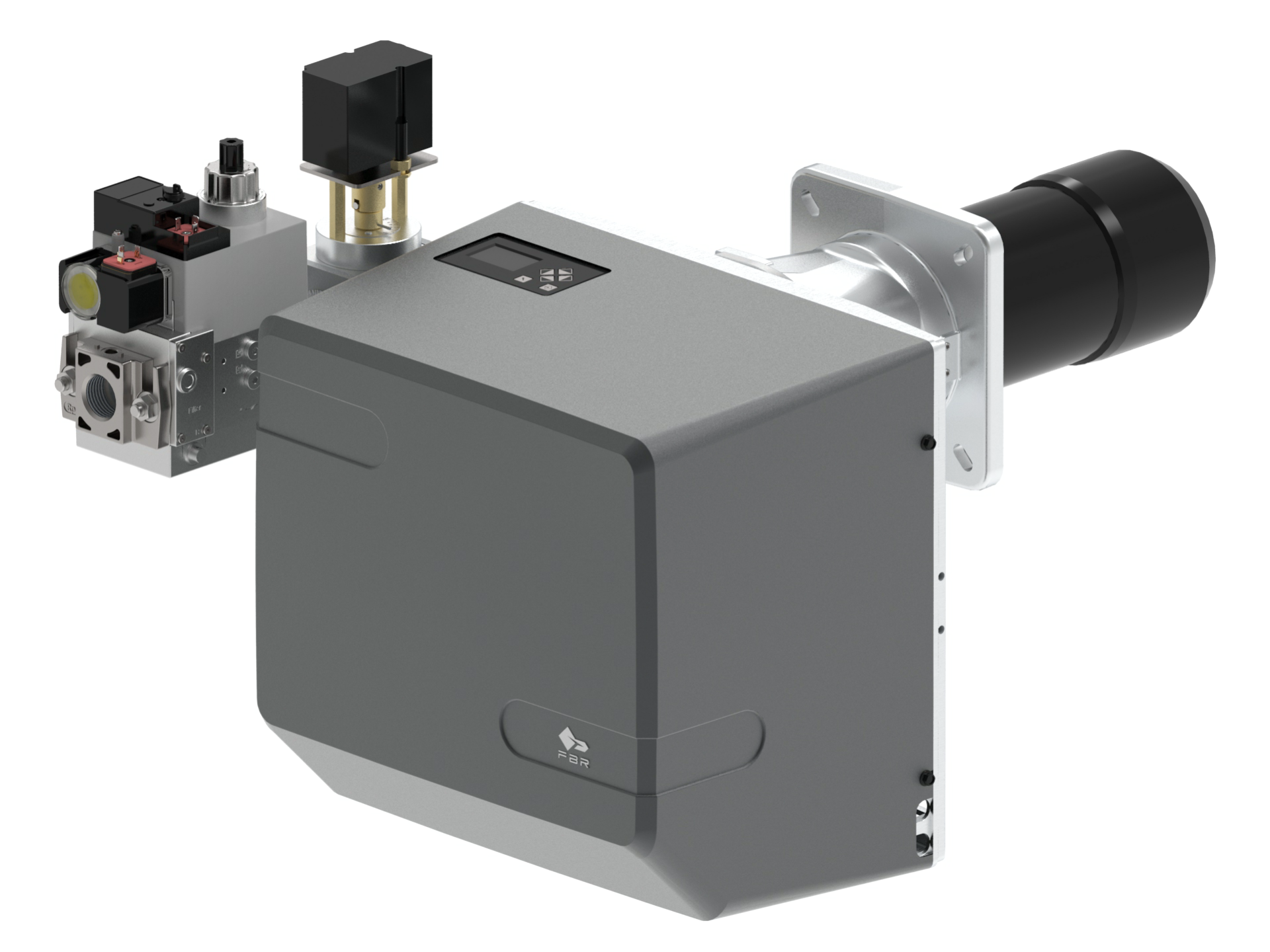
The FBR BURNER GAS X5/MF TL EL VC LPG represents a significant advancement in combustion control technology, particularly for procurement engineers managing energy-intensive operations requiring precise thermal management. Modulating gas burners with fully proportional control (PID modulation) have become essential in multiple industrial sectors.
Industrial Heating and Steam Generation: Boiler systems across pharmaceutical, food processing, and chemical industries require burners that respond dynamically to fluctuating thermal demands. The FBR X5/MF burner's modulating capability—adjustable from low-fire to high-fire through PID control—delivers 15-30% fuel savings compared to on-off burner systems. This technology is particularly valuable in facilities with variable production schedules where demand cycles throughout operating hours.
Thermal Processing Applications: Drying, roasting, curing, and heat treatment operations demand precise temperature control. Modulating burners prevent overshoot conditions that compromise product quality or damage sensitive materials. The die-cast aluminum construction provides durability in high-temperature environments while the integrated high-pressure fan ensures complete combustion efficiency. These systems comply with ISO 12922 (fuel quality) and meet CE safety directives for gas-fired equipment.
Combined Heat and Power (CHP) Systems: Industrial facilities implementing energy recovery and distributed generation benefit from modulating burners that synchronize with electrical load demands. The PID control architecture allows integration with building management systems (BMS) and energy monitoring platforms, enabling real-time optimization of fuel consumption based on actual operational needs.
LPG and Natural Gas Flexibility: The X5/MF burner's VC (vapor control) configuration accommodates both LPG and natural gas fuels, providing procurement flexibility in regions with variable fuel availability. This dual-fuel capability is particularly valuable in emerging markets where fuel supply infrastructure transitions between sources, allowing facilities to maintain operations without equipment replacement.
Optional Modulation Kit Integration: For existing installations or retrofit applications, the modulating capability can be added through optional control kits and integrated probe sensors. This retrofit-friendly design reduces capital expenditure for facilities upgrading from fixed-output burners to fully modulating systems, extending equipment lifecycle while improving energy performance.
Fluid Pressure Management: Expansion Tanks, Alarms, and System Protection
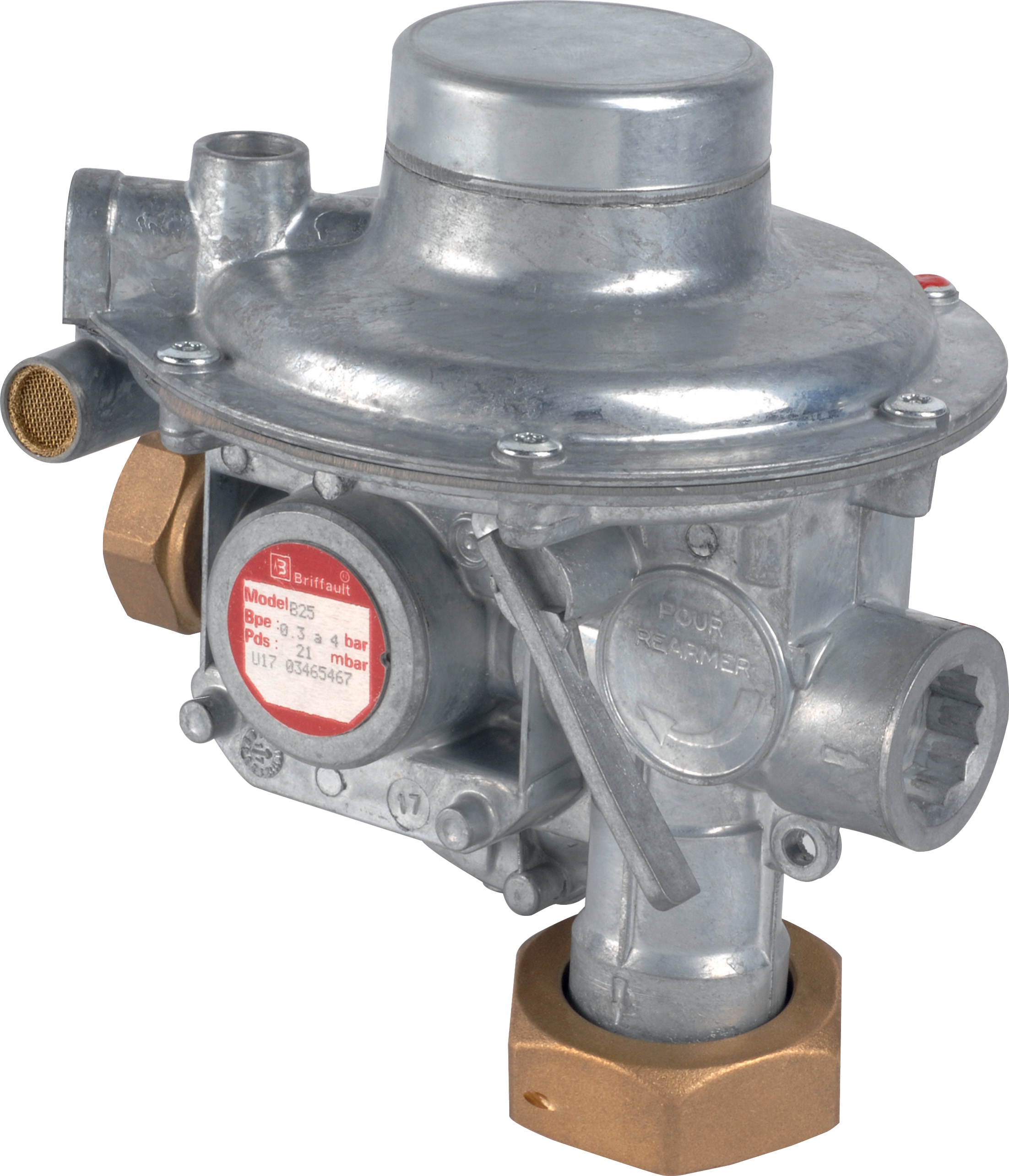
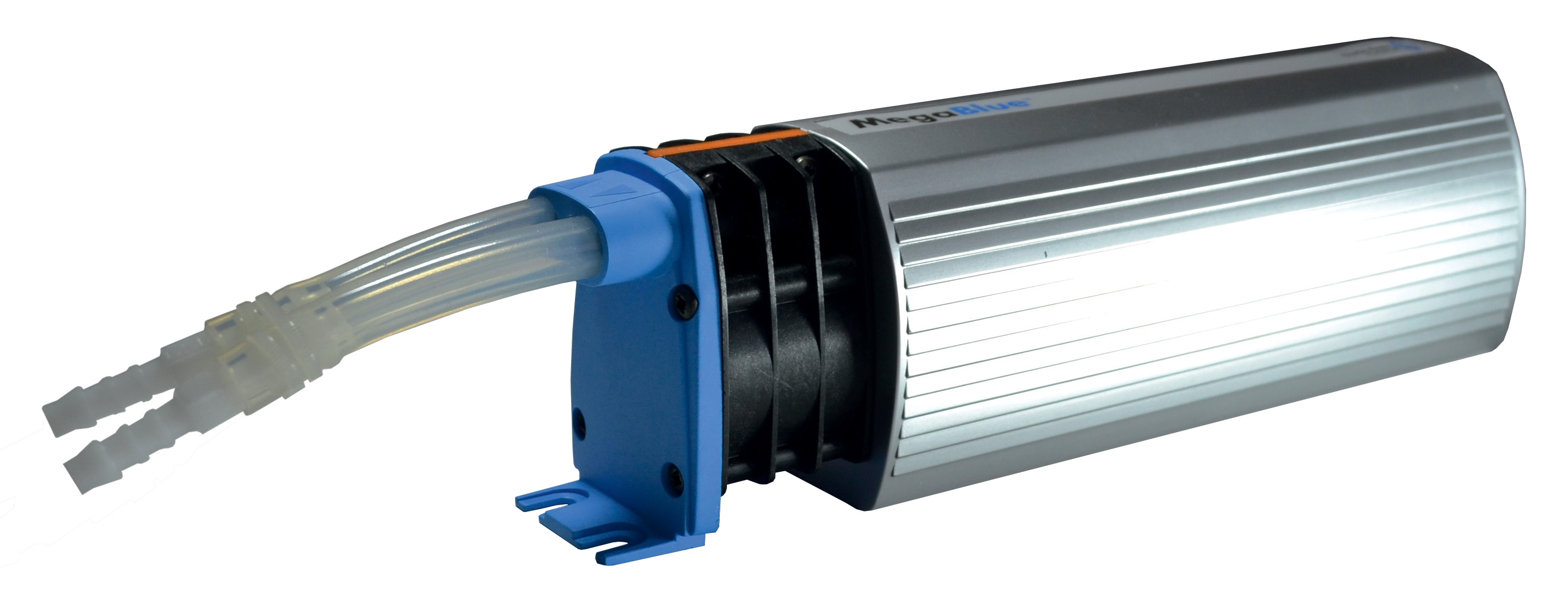
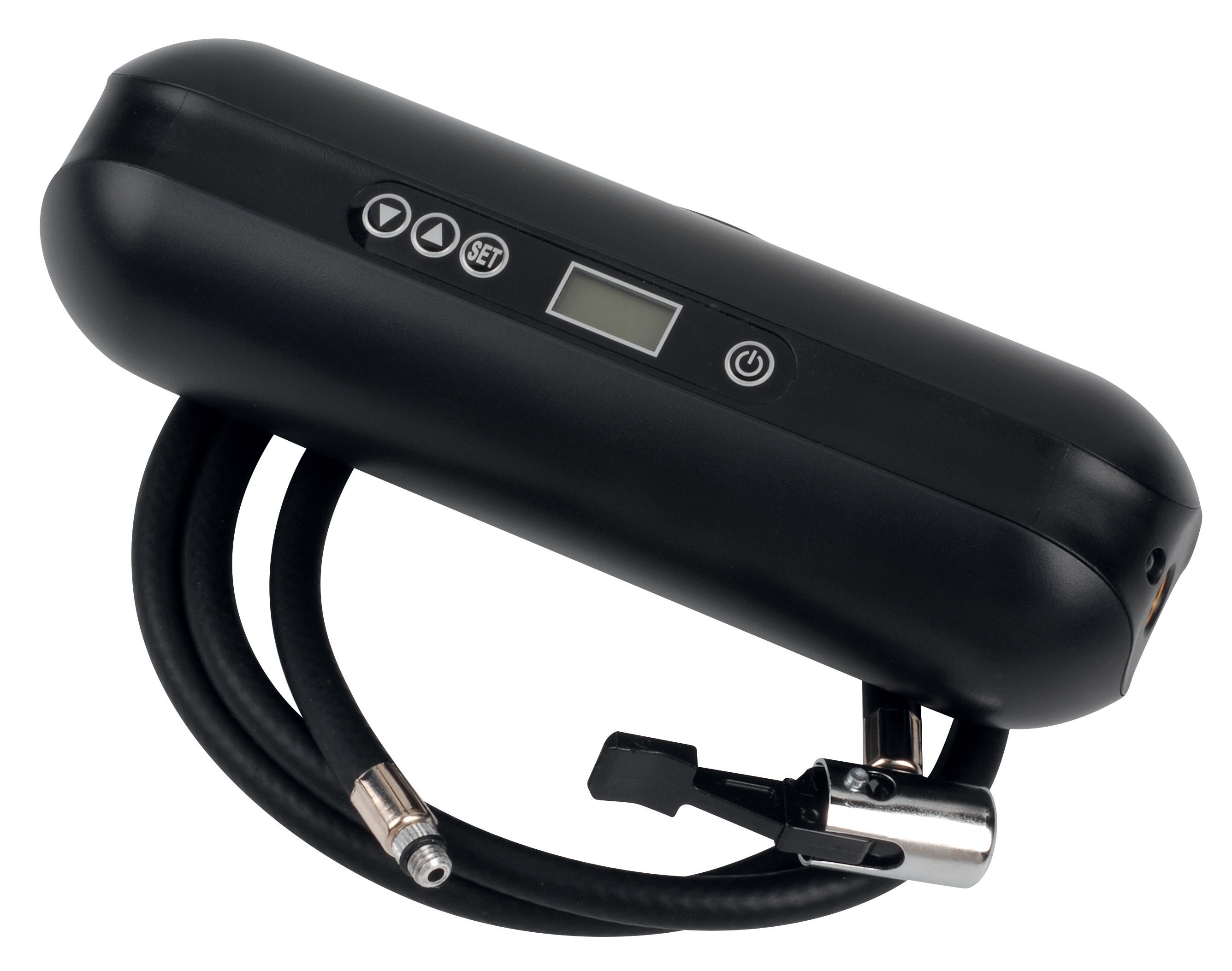
Effective industry applications extend beyond primary equipment to include comprehensive pressure management and safety systems. The CBM Expansion tank inflator battery 2000 mAH and CBM Megablue reservoir alarm + shut-off X87-813 address critical infrastructure needs often overlooked in initial procurement planning.
Thermal Expansion Control: Closed-loop fluid systems—whether water-based cooling circuits, thermal oil systems, or glycol mixtures—experience volume expansion with temperature increases. Without proper expansion tank management, system pressure can exceed equipment ratings (typically 10-16 bar in industrial applications), leading to seal failures, pump cavitation, and costly downtime. The CBM expansion tank inflator with 2000 mAH battery capacity maintains precise pre-charge pressure, accommodating thermal cycles in:
- HVAC chiller systems serving office towers and industrial facilities
- Process cooling circuits in injection molding and extrusion facilities
- Heat recovery systems in combined cycle power generation
- Thermal energy storage systems in district heating networks
Reservoir Monitoring and Protection: The Megablue alarm and shut-off system provides intelligent fluid level monitoring and automatic equipment protection. This technology prevents two critical failure modes:
Low-Fluid Shutdown: Prevents pump cavitation and damage when fluid levels drop below operational thresholds—a particular concern in systems with slow leaks or evaporation losses in high-temperature applications. Automatic shut-off within 3-5 seconds of low-level detection prevents secondary damage.
High-Fluid Alarm and Shutdown: Detects overflow conditions indicating failed expansion tanks, corroded tank internals, or membrane rupture. The dual-function design (alarm notification + automatic shutdown) protects expensive pumps and heat exchangers worth €5,000-50,000+ from destructive pressure spikes.
Global Regulatory Compliance: Industrial fluid systems must comply with PED (Pressure Equipment Directive) in EU markets, ASME Section VIII in North American markets, and equivalent standards (GB standards in China, AS standards in Australia). The CBM systems incorporate safety margins exceeding these requirements, reducing compliance risk for procurement teams managing multinational operations.
Integrated System Design: Connecting Components for Operational Excellence
Industry applications succeed when individual components function as integrated systems rather than standalone equipment. A comprehensive approach addresses:
System Interdependence: High-pressure nozzle performance depends on stable fluid supply pressure maintained by expansion tanks and pressure sensors. Burner efficiency requires precise fuel/air ratios controlled by pressure regulators integrated with nozzle systems. Fluid quality and contamination control—managed through reservoir monitoring—directly impacts nozzle spray pattern consistency and burner combustion stability.
Procurement Engineering Implications: Specify equipment based on complete system requirements, not individual component ratings. A 25 kW burner paired with undersized expansion tank capacity results in pressure cycling that reduces burner modulation efficiency and increases maintenance frequency. Conversely, oversized nozzles create excessive flow that strains pump capacity and increases energy consumption.
Lifecycle Cost Management: Initial capital equipment cost represents only 20-30% of total system cost over 10-year lifespan. Energy consumption (45-50%), maintenance (15-20%), and unplanned downtime (10-15%) dominate long-term expenditure. Selecting modulating burners, precision nozzles, and preventive monitoring systems reduces lifecycle costs despite higher initial investment. A facility operating 8,000 hours annually achieves 3-4 year payback on modulation system upgrades through fuel savings alone.
Vendor Selection and Support: With 35+ years of global distribution experience and established partnerships with leading manufacturers, 3G Electric provides procurement teams with technical specification support, application-specific product selection, and post-sale technical assistance. This vendor partnership approach reduces integration risk and accelerates equipment commissioning.
Geographic and Sectoral Application Patterns
Industry applications vary significantly by geography, reflecting regional manufacturing specialization, climate conditions, and regulatory frameworks:
Southeast Asia (Food Processing, Electronics): High-pressure cooling nozzles dominate applications in food processing and semiconductor manufacturing where precise temperature control prevents product degradation. Modulating burners support steam generation for food sterilization and beverage production, where energy costs represent 12-18% of production expense.
Europe (Automotive, Pharmaceuticals, Chemicals): Stringent environmental regulations drive adoption of modulating burners with integrated emissions monitoring. Pharmaceutical and chemical industries require expansion tank monitoring systems meeting strict GMP and safety requirements. Precision nozzles support precision cleaning and coating applications with minimal environmental impact.
North America (Heavy Manufacturing, Energy): Large-scale thermal processing, petrochemical cracking, and refining operations deploy high-capacity burner systems with sophisticated control integration. Expansion tank and monitoring systems support complex thermal networks where single-point failures cascade through interconnected production lines.
Emerging Markets (India, Vietnam, Indonesia): Dual-fuel capability of modulating burners accommodates transitions between LPG, natural gas, and industrial fuels as infrastructure develops. Initial capital cost sensitivity drives interest in retrofit modulation kits that upgrade existing fixed-output burner installations without complete replacement.
Key Takeaways for Procurement Engineers
- Precision Nozzle Selection: Specify high-pressure flat jet nozzles based on required spray angle (15°), flow index (25 vs. 055), and connection type (BSPT). Match nozzle selection to specific cooling, cleaning, or coating application requirements to optimize equipment lifecycle and minimize contamination.
- Modulating Burner ROI: Implement PID-controlled modulating gas burners in energy-intensive facilities operating 6,000+ hours annually. Expect 15-30% fuel savings with 3-4 year payback, plus reduced emissions compliance risk and improved equipment longevity through stable combustion parameters.
- Pressure Management Investment: Expansion tank and reservoir monitoring systems prevent catastrophic failures (pump damage €10,000-50,000+) with equipment cost typically under €2,000. Include these components in all closed-loop fluid system specifications to reduce unplanned downtime and protect expensive primary equipment.
- System Integration Planning: Design procurement specifications around integrated system performance, not individual component selection. Coordinate nozzle, burner, pressure management, and monitoring system selection to ensure compatible pressure ranges, connection standards, and control signal compatibility.
- Vendor Partnership Value: Select distributors (like 3G Electric) offering 35+ years of application expertise, technical specification support, and post-sale commissioning assistance. This approach reduces integration risk and accelerates time-to-production for complex thermal systems.
Selecting the Right Distributor for Your Industry Applications
Industry applications success depends on equipment selection aligned with your specific operational context, combined with vendor support throughout equipment lifecycle. 3G Electric's 35-year history as an experienced global distributor ensures access to certified equipment meeting international standards (CE, UL, ASME, ISO) while providing application-specific technical guidance.
Whether implementing high-pressure nozzle systems for precision cooling, modulating burner technology for energy optimization, or comprehensive fluid management systems for safety and reliability, our procurement engineering specialists help you evaluate trade-offs between capital cost, energy consumption, maintenance requirements, and regulatory compliance.
Contact 3G Electric today for industry application assessment and equipment specification support tailored to your global operations.