Understanding Industry Applications in Singapore's Hazardous Environments
Singapore's industrial landscape includes significant petrochemical clusters, chemical processing plants, pharmaceutical manufacturing facilities, and oil & gas operations. Many of these environments classify as hazardous areas where flammable gases, vapors, or dusts may be present under normal or abnormal conditions. Maintenance teams operating in these sectors must understand Industry Applications requirements—specifically how ATEX (Atmosphères Explosibles) certification ensures equipment safety in these high-risk environments.
With over 35 years of experience distributing industrial equipment across Asia-Pacific, 3G Electric supports maintenance teams managing complex fluid systems, pressure control equipment, and spray technologies in hazardous zones. This guide addresses practical considerations for maintaining ATEX-compliant equipment and selecting appropriate components for your facility's specific hazard classifications.
ATEX Compliance and Equipment Classification for Maintenance Operations
Understanding ATEX Zone Classifications
Before selecting or maintaining equipment, maintenance teams must understand Singapore's adoption of international ATEX directives. Equipment is rated for specific zones:
- Zone 0/20: Explosive atmosphere present continuously or for long periods
- Zone 1/21: Explosive atmosphere likely during normal operation
- Zone 2/22: Explosive atmosphere unlikely, and if present, only occasionally and for short periods
Your facility's classification determines equipment requirements. A petrochemical plant's pump room might be Zone 1, while storage areas are Zone 2, and office spaces are non-hazardous.
Spray Gun Systems in Hazardous Areas
The Pratissoli PISTOLA P560*LANCIA 1000 ATEX represents the specialized equipment maintenance teams encounter in coating and cleaning applications within hazardous zones. This ATEX-compliant spray gun accessory operates at 600 bar pressure with 60 L/min flow capacity, specifically engineered for environments where static electricity or spark generation poses explosion risks.
Maintenance considerations include:
- Regular nozzle inspection: ATEX spray guns require more frequent nozzle checks because pressure buildup can create static discharge
- Grounding verification: Ensure conductive hoses and proper grounding paths are maintained—a disconnected ground cable compromises ATEX compliance
- Pressure relief testing: Monthly pressure relief valve testing prevents over-pressurization that could trigger spark generation
- Seal integrity checks: Degraded seals in ATEX equipment can create micro-fractures where flammable vapors accumulate
When servicing these systems, maintenance teams must follow lock-out/tag-out (LOTO) protocols more strictly than standard equipment, as residual pressure combined with hazardous atmospheres creates compounded risks.
Integrated Gas Control and High-Pressure Systems for Safe Operations
Gas Valve Selection and Maintenance in Hazardous Zones
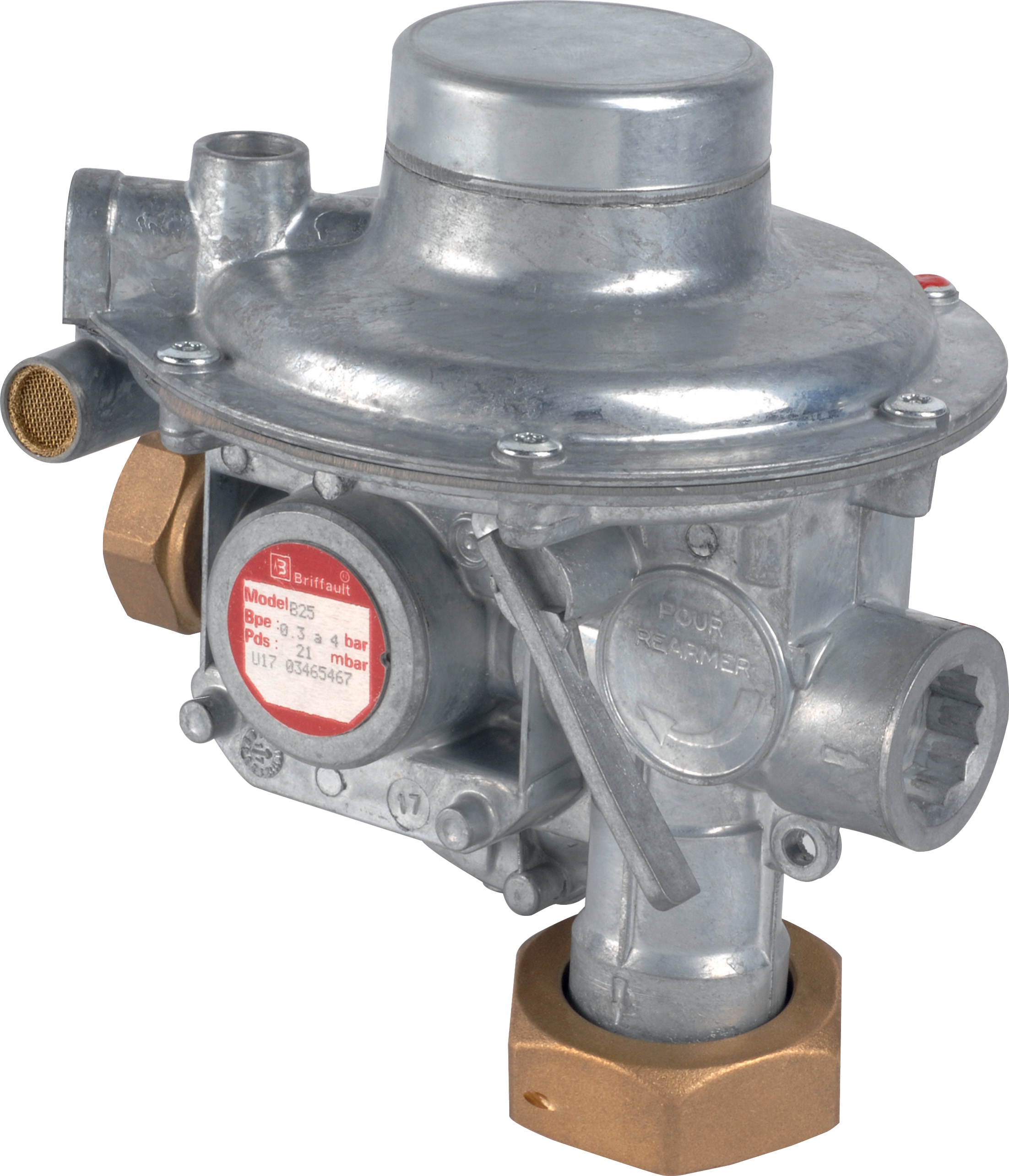
The Elektrogas Solenoid valve EVRM NA 7 flanges DN65 600 Mbar exemplifies the precision gas control equipment critical to maintaining safe operations in petrochemical and chemical processing facilities. This flanged solenoid valve, rated for DN65 ports and 600 Mbar maximum pressure, serves as a critical shutoff point in gas distribution systems.
Maintenance teams must establish regular protocols:
- Coil testing: IP 54-rated solenoids draw 19 W of power; verify electrical continuity and insulation resistance quarterly using calibrated megohmeters
- Vent port inspection: The solenoid's vent ports prevent pressure drift; ensure these remain unobstructed and clean
- Response time verification: Gas solenoid valves must close within specified timeframes during emergency shutdowns—test response using calibrated pressure gauges
- Manual override checks: ATEX-rated solenoid valves must have functional manual overrides for emergency situations; verify these operate smoothly without binding
In Singapore's humid tropical climate, corrosion accelerates valve degradation. Establish more frequent inspection schedules than manufacturer defaults and consider coating metal components with protective oils during extended shutdowns.
Pump System Integration and Pressure Monitoring
The Pratissoli KF30 high-performance pump (106 L/min at 200 bar, 40 kW power) often anchors fluid delivery systems in processing facilities. When integrated with ATEX-compliant spray guns and gas control valves, this pump system requires coordinated maintenance strategies.
Key maintenance actions:
- Flow rate verification: Measure actual flow against rated 106 L/min capacity monthly; declining flow indicates internal wear or impeller cavitation
- Pressure cycling: Run the pump through full pressure cycles weekly to exercise seals and maintain valve responsiveness
- Bearing temperature monitoring: At 40 kW power consumption, bearing temperature should stabilize within 5–10°C of ambient in hazardous zones; cooler operation reduces vapor generation risk
- Shaft seal inspection: The seal interface is where flammable vapors most commonly infiltrate pump internals; inspect seals for weeping or crystallization every 500 operating hours
The Interpump GEARBOX RS500 transmission accessory (18.5 kW power, 2.2 ratio) transmits power efficiently from engine to pump. In hazardous areas, gearbox friction generates heat—maintain oil levels precisely and change lubricant every 2,000 hours in Zone 1 or Zone 2 facilities to prevent overheating.
Pressure Monitoring and Condition-Based Maintenance Strategies
Differential Pressure Measurement in Complex Systems
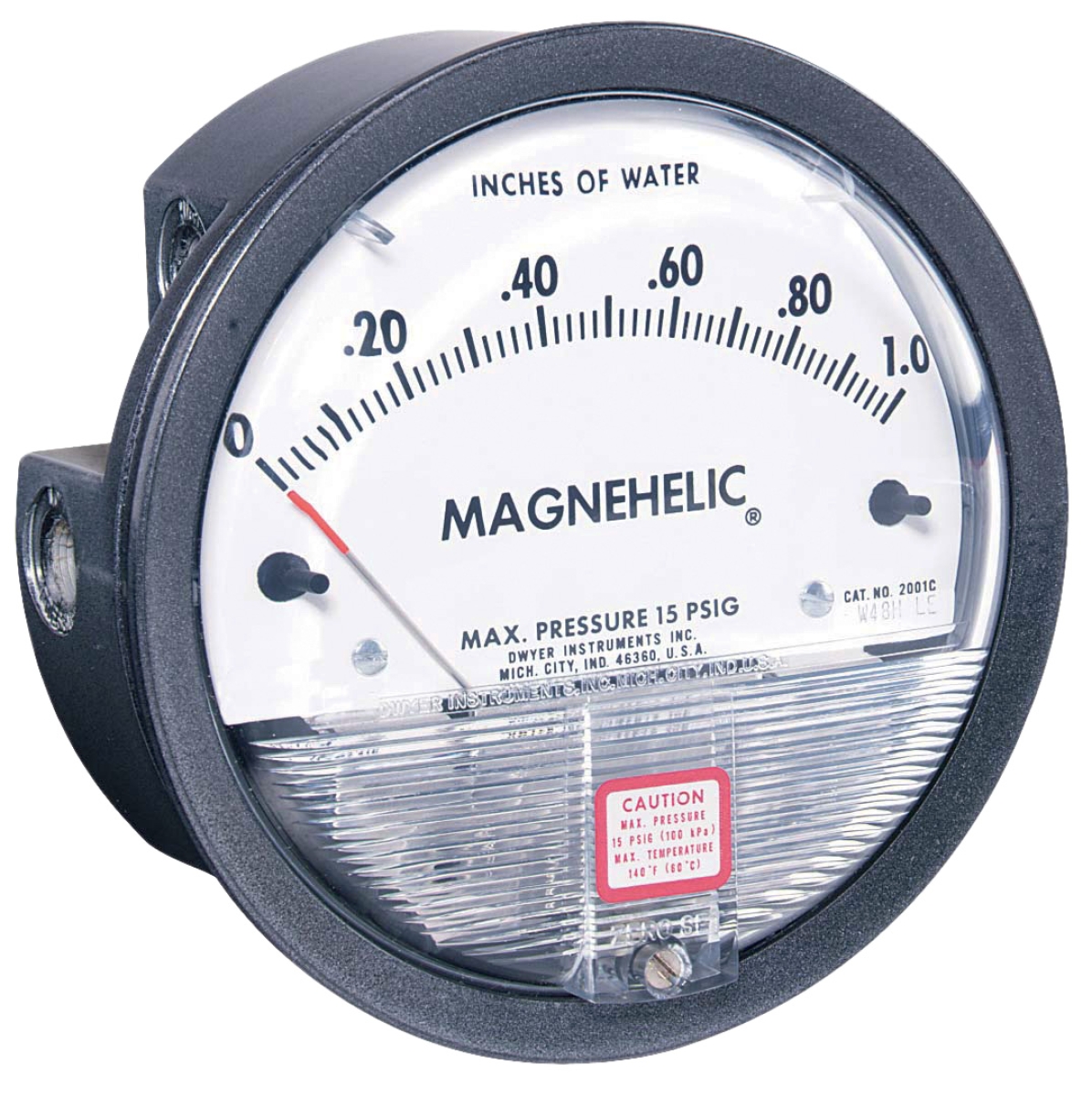
The Dwyer Magnehelic pressure gauge 2000-8KPA provides visual confirmation of system conditions across 0–8 kPa range with a 1/8 inch female NPT connection. In industrial cleaning and coating systems, differential pressure readings reveal critical information:
- Filter condition: Increasing pressure differential across filters signals saturation; in hazardous areas, filter bypass can release contaminants that enhance explosive atmosphere risks
- Nozzle wear patterns: Asymmetrical pressure drops across spray manifolds indicate uneven nozzle wear, which reduces spray pattern uniformity and creates hot spots
- Air pocket detection: Pressure gauge oscillation reveals air entrainment in fluid lines—air compresses during pressure spikes, potentially creating ignition points
Maintenance teams should:
- Establish baseline readings: Document pressure gauge readings during system commissioning; deviations exceeding 5% signal developing problems
- Install gauge isolation balls: Prevent pressure gauge damage by installing shutoff valves, allowing safe gauge replacement without depressurizing systems
- Verify gauge calibration: Have pressure gauges certified annually; inaccurate readings mask developing hazards
- Monitor for pulsation: Steady gauge readings indicate stable operation; hunting or pulsating needles suggest pump cavitation or downstream restrictions
In Singapore's hot, humid environment, pressure gauge diaphragms deteriorate faster than temperate climates; budget for more frequent gauge replacement (every 18–24 months vs. standard 36-month intervals).
Practical Maintenance Planning for ATEX Equipment
Creating Facility-Specific Maintenance Schedules
Industry Applications vary significantly based on facility type. A pharmaceutical coating line operates differently than a petrochemical cleaning station. Develop maintenance schedules that reflect:
- Operational intensity: Equipment running 24/7 requires different intervals than single-shift operations
- Fluid contamination rates: Particulate-heavy applications (descaling, surface prep) demand more frequent fluid changes and filter replacement
- Environmental factors: Tropical humidity, salt-air exposure (for facilities near coastal areas), and dust ingress affect seal and bearing life
- Regulatory audit schedules: Singapore's Environmental Protection and Management Act and workplace safety regulations require documented maintenance; plan major inspections before regulatory audits
Building Spare Parts Inventory
With 35+ years of experience supplying industrial equipment across Asia-Pacific, 3G Electric understands that maintenance team efficiency depends on parts availability. For ATEX systems:
- Critical spares: Solenoid coils, pump seals, pressure relief cartridges, and nozzle sets should be stock items
- Lead time considerations: ATEX-certified replacement components may require 4–6 weeks for import; maintain 60-day working stock for critical items
- Cross-compatibility verification: Before purchasing alternative brands, verify ATEX certification numbers match your installed equipment's documentation
Documentation and Compliance Records
Singapore's Ministry of Manpower requires maintenance documentation for hazardous area equipment. Maintain records including:
- Equipment serial numbers and ATEX certification details
- Monthly/quarterly inspection results with technician signatures
- Pressure test certifications for relief valves and hoses
- Fluid analysis reports (particulate counts, viscosity, water content)
- Parts replacement dates and part numbers used
Digital maintenance management systems streamline compliance tracking and alert teams to approaching maintenance intervals before equipment fails.
Conclusion
Maintenance teams operating in Singapore's hazardous industrial sectors face complex challenges balancing safety compliance, operational continuity, and cost management. By understanding ATEX equipment classifications, implementing condition-based monitoring strategies, and establishing rigorous maintenance protocols, your team can safely operate high-pressure spray systems, gas control equipment, and integrated fluid delivery platforms.
3G Electric's three decades of industrial equipment distribution experience positions us to support your team's maintenance objectives. Whether you require ATEX-certified components, pressure monitoring equipment, or guidance on system integration, our technical support team understands the specific challenges of Singapore's industrial landscape and regional compliance requirements.