Understanding Pressure Regulation Systems and Their Critical Role
Pressure regulation represents one of the most critical aspects of industrial equipment operation worldwide. Whether managing gas distribution in laboratories, controlling high-pressure fluid delivery in manufacturing, or maintaining spray systems in coating applications, proper Maintenance & Service directly impacts equipment lifespan, workplace safety, and production efficiency.
With over 35 years of experience as a global industrial equipment distributor, 3G Electric has observed that pressure regulation failures account for significant downtime across multiple industries. These failures typically stem from inadequate preventive maintenance, improper installation, or lack of understanding regarding system-specific service requirements. Unlike other industrial components that provide visible warning signs before failure, pressure regulators can fail suddenly when not properly maintained, potentially compromising entire production systems.
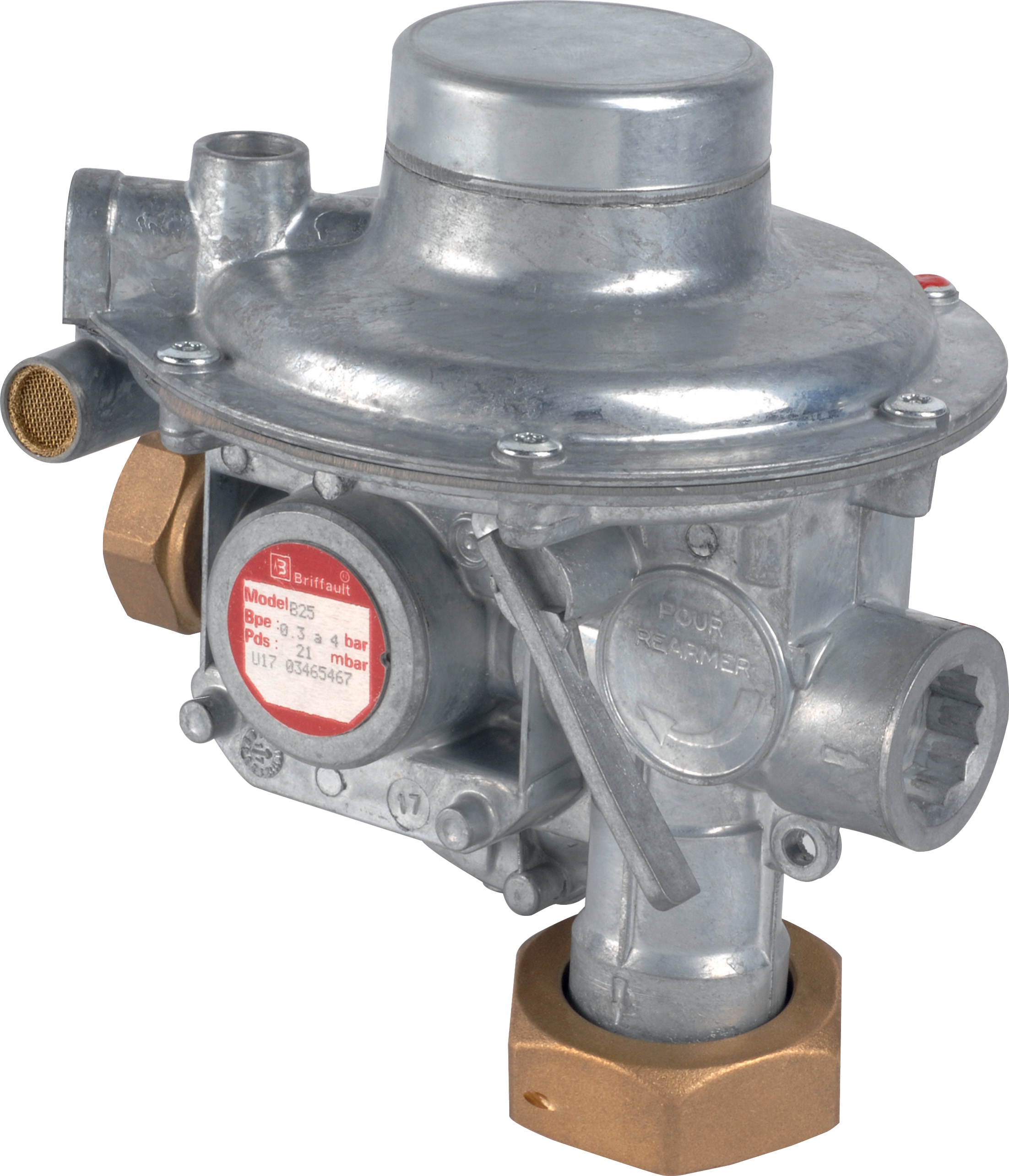
The relationship between Maintenance & Service practices and equipment reliability cannot be overstated. A pressure regulator like the Francel B25/37mb with safety relief delivers consistent 37 mbar outlet pressure in laboratory and industrial gas distribution systems. However, this performance level only remains achievable through systematic maintenance protocols that address internal seals, vent mechanisms, and safety relief calibration.
Establishing a Preventive Maintenance Schedule for Pressure Regulators
Preventive Maintenance & Service programs represent the foundation of reliable pressure regulation system operation. Rather than responding to failures, industrial professionals should implement scheduled inspections and servicing based on equipment type, operational hours, and application severity.
Initial Installation and Commissioning
Proper Maintenance & Service begins before equipment enters active service. Upon receiving pressure regulation equipment, perform these critical steps:
- Verify all documentation matches the equipment specification and your application requirements
- Inspect for physical damage, missing components, or contamination during shipment
- Check outlet pressure settings and safety relief calibration against design specifications
- Document initial baseline pressure readings and operational parameters
- Install appropriate inlet filters and moisture traps to prevent system contamination
For gas regulators like the Francel B25/37mb, ensure that the 10 mm vent size remains unobstructed and that all connection points are properly sealed with appropriate materials compatible with the gas being regulated.
Quarterly Inspection Protocols
Establish quarterly Maintenance & Service inspections for systems operating under normal conditions:
- Visual examination of the regulator body for cracks, corrosion, or physical damage
- Pressure gauge verification using certified test equipment (calibrated within the past 12 months)
- Documentation of outlet pressure readings compared to design specifications
- Inspection of all connection points for signs of leakage, using soap solution methods rather than open flame detection
- Verification that safety relief vents are unobstructed and functioning properly
- Review of system operation logs for anomalies or pressure fluctuations
During quarterly inspections, document all findings in a maintenance log linked to specific equipment identification numbers. This historical data becomes invaluable when troubleshooting intermittent issues or planning major overhauls.
Annual Deep Service and Calibration
Annual Maintenance & Service should include comprehensive component inspection and recalibration:
- Complete disassembly of the pressure regulator (when manufacturer guidelines permit and proper trained personnel are available)
- Inspection of internal seals, diaphragms, and valve components for wear or degradation
- Cleaning of internal passages to remove accumulated contaminants or mineral deposits
- Recalibration of pressure settings using certified pressure standards
- Testing of safety relief function under controlled conditions to verify proper operation
- Replacement of any components showing wear, regardless of whether they have failed
- Reassembly with documentation of all work performed and components replaced
For complex systems incorporating multiple regulators and safety devices, consider scheduling annual service during planned production shutdowns to minimize operational disruption.
Integrating Pump and Nozzle Maintenance into Pressure System Service
Industrial pressure systems rarely operate in isolation. The pressure regulators that control flow and pressure work in conjunction with high-performance pumps and precision nozzles. Comprehensive Maintenance & Service must address the entire system ecosystem.
Pump System Maintenance Coordination
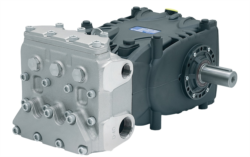
High-performance industrial pumps like the Pratissoli KF30 (delivering 106 L/min at 200 bar) or the Pratissoli MW40 (211 L/min at 210 bar) generate the pressure that regulators control. These pumps require coordinated Maintenance & Service:
- Verify pump inlet conditions and suction line integrity monthly
- Monitor pump discharge pressure trends to identify developing wear (typically indicated by gradually increasing pressure required to maintain flow)
- Inspect shaft seals and bearing housings quarterly for signs of leakage
- Change pump fluid according to manufacturer specifications (typically 500-1000 operating hours)
- Record pump runtime hours to schedule planned component replacement before failure
- Check pump motor coupling alignment and vibration levels during each maintenance visit
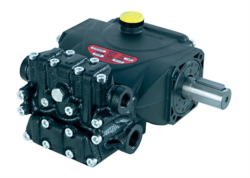
The Interpump PUMP E1D1808 L gear pump, despite its compact design delivering 8 L/min at 180 bar, still requires systematic Maintenance & Service to maintain the 2.72 kW efficiency rating. Integrated Maintenance & Service planning ensures that regulator and pump components are serviced simultaneously when possible, reducing overall downtime.
Nozzle and Spray System Care
Pressure regulation systems delivering fluid to application nozzles require specialized attention to spray component condition. The Euspray flat jet nozzle with 25° spray angle and 1/4" M BSPT connection requires regular Maintenance & Service to maintain spray pattern consistency:
- Weekly visual inspection for visible contamination or spray pattern degradation
- Monthly disassembly and cleaning using appropriate solvents for the fluid being sprayed
- Verification of nozzle orientation and angle using manufacturer specifications
- Testing of spray pattern uniformity during operational commissioning
- Documentation of nozzle replacement intervals based on application severity
- Coordination with regulator service schedules to ensure pressure consistency during nozzle testing
When pressure regulators feed high-pressure nozzles, pressure fluctuations directly impact spray pattern quality and application consistency. Regular Maintenance & Service of both components ensures optimal system performance.
Diagnostic Procedures and Troubleshooting During Service Operations
Effective Maintenance & Service extends beyond following checklists. Industrial professionals must develop diagnostic capabilities to identify emerging problems before they cause equipment failure.
Pressure Deviation Diagnosis
When inlet or outlet pressures deviate from specifications during Maintenance & Service inspections:
- Verify gauge calibration using a second certified pressure standard
- Inspect inlet connections and filters for restrictions reducing supply pressure
- Check that adjustment screws have not been accidentally moved from their calibrated positions
- For safety relief-equipped regulators, confirm that relief function is not inadvertently triggering
- Examine internal passages for blockages caused by fluid contamination or mineral deposits
- Test the regulator with known good fluid supply to isolate whether the problem originates in the supply system or the regulator itself
Any external leakage during Maintenance & Service inspection indicates internal seal degradation:
- Identify leakage source location (inlet, outlet, vent, or diaphragm chamber)
- Determine leakage rate by capturing fluid over a timed period
- For vent leakage, verify that backpressure is not exceeding regulator design specifications
- Inspect connection threads and fittings for looseness before assuming internal seal failure
- Document leakage characteristics (steady drip vs. continuous flow) to inform replacement component selection
Safety devices embedded in regulators like the Francel B25/37mb require specialized testing:
- Set test pressure below relief setting with a needle valve installed downstream
- Gradually increase pressure while monitoring relief vent for activation
- Confirm relief function occurs within ±5% of design specification
- Verify relief vent flow capacity matches design requirements (10 mm vent for Francel B25/37mb systems)
- Test relief function multiple times to confirm consistent activation pressure
- Never exceed regulator maximum inlet pressure during safety relief testing
Documentation, Record-Keeping, and Global Compliance Considerations
Systematic Maintenance & Service programs depend on thorough documentation that supports equipment reliability tracking and regulatory compliance worldwide.
Essential Records for Pressure Regulation Systems
Maintain detailed records for each pressure regulator and associated pump or nozzle component:
- Equipment identification information (manufacturer, model, serial number, installation date)
- Baseline performance data captured during commissioning
- Scheduled maintenance dates and actual service completion dates
- Pressure readings and safety relief verification results from each service visit
- Components replaced during maintenance, including part numbers and quantities
- Anomalies or developing problems identified during inspections
- Calibration certificates for pressure measurement equipment used in service verification
- Personnel names and certifications for individuals performing Maintenance & Service work
Industrial professionals operating pressure systems across multiple countries must coordinate Maintenance & Service practices with local requirements:
- European PED (Pressure Equipment Directive) systems require documented risk assessment and maintenance planning
- Asian ASME boiler and pressure vessel code compliance may require third-party inspections at specified intervals
- Documentation should support audit readiness for ISO 9001, ISO 14001, or industry-specific certifications
- Pressure system passports or equipment history files should be maintained and updated after each Maintenance & Service activity
With 35+ years of experience serving industrial clients globally, 3G Electric recognizes that Maintenance & Service programs must adapt to local regulatory environments while maintaining core reliability principles.
Sourcing Quality Components and Professional Support for Ongoing Maintenance
Successful Maintenance & Service requires access to authentic replacement components and technical expertise. Whether servicing pressure regulators, pumps, or nozzles, using original or equivalent quality components ensures system reliability.
When planning Maintenance & Service activities, identify required replacement components in advance. Products like the Francel B25/37mb pressure regulator, Pratissoli KF30 pump, or Euspray nozzles should be sourced from distributors with established relationships with manufacturers and deep technical expertise.
Establishing relationships with experienced industrial equipment distributors provides access to technical guidance during Maintenance & Service planning and ensures availability of quality components when service activities reveal worn or damaged parts requiring replacement.
Regular Maintenance & Service, guided by systematic protocols and supported by quality components, transforms pressure regulation from a reactive maintenance area into a predictable, manageable function that supports industrial productivity worldwide.