Introduction: Why Maintenance & Service Matters for Southeast Asian Spray Systems
Industrial spray systems—whether used for cooling tower treatment, humidity control, or precision coating—face unique challenges in Southeast Asia's tropical environment. High humidity, salt spray corrosion, and temperature fluctuations demand rigorous Maintenance & Service protocols to prevent costly downtime.
With over 35 years of experience distributing industrial equipment throughout the Asia-Pacific region, 3G Electric has supported thousands of HVAC contractors in maintaining reliable spray system performance. This guide draws on real-world application data to provide practical procedures you can implement immediately.
Proper Maintenance & Service extends nozzle life by 40-60%, reduces energy consumption, and ensures consistent spray patterns critical for HVAC efficiency. Whether managing a single cooling system or multiple installations, understanding these fundamentals will optimize your service operations.
Section 1: Pre-Service Inspection and Diagnostics
Visual Assessment Protocol
Begin every Maintenance & Service cycle with a comprehensive visual inspection. Look for:
- Nozzle tip wear and erosion: Use a 10x magnification lens to inspect the spray orifice. Worn edges indicate flow rate degradation and uneven spray patterns
- Mineral deposits and scale: Southeast Asian water sources often contain high mineral content. Deposits around the nozzle inlet reduce flow capacity
- Corrosion on connection threads: Salt-laden air accelerates corrosion on brass and stainless steel fittings, particularly in coastal installations
- Cracks in plastic or ceramic components: Temperature cycling and pressure fluctuations can cause microfractures invisible to the naked eye
- Leakage at connection points: Note pressure and flow rate during operation to identify internal seal degradation
Performance Testing
Before disassembly, document baseline performance metrics:
1. Flow rate measurement: Install a flow meter downstream of the nozzle. Compare actual output against manufacturer specifications (reference Euspray flat jet nozzles typically deliver consistent flow within 5% variance)
2. Spray pattern verification: Project the spray onto a white surface at standard operating distance. Document any irregular patterns, dead zones, or sideways drift indicating nozzle misalignment
3. Pressure gauge reading: Record inlet and outlet pressure. Abnormal differentials suggest partial blockage or seal degradation
4. Sound analysis: Unusual noise (cavitation, whistling, or grinding) often precedes component failure by weeks or months
Document all findings in a service log. This baseline allows you to track degradation trends and plan preventive replacement before failure.
Section 2: Disassembly, Cleaning, and Component Replacement
Safe Disassembly Procedure
Critical: Always isolate the system and relieve pressure before service work.
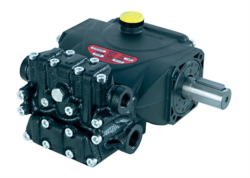
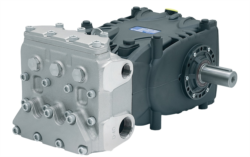
1. Shut down the pump: If your system uses Pratissoli KF30 pumps or MW40 series units, allow residual pressure to bleed through the relief valve for 60 seconds
2. Close isolation valves: Install ball valves on inlet and outlet sides to prevent backflow contamination
3. Disconnect the nozzle: Use two wrenches (one on the nozzle body, one on the fitting) to prevent damage. Document connection orientation with photos for reassembly
4. Inspect the inlet strainer: Remove and clean mesh screens. Debris accumulation is the #1 cause of spray pattern degradation in Southeast Asia
Cleaning Procedures for Tropical Climates
Marine and humid environments require aggressive cleaning protocols:
- Soak nozzles in ultrasonic cleaner: Use deionized water for 15-20 minutes at 40 kHz frequency. This removes mineral deposits and salt residue without chemical damage
- Manual pin cleaning: Use precision cleaning pins (0.3-0.5 mm diameter) to clear internal passages. Never use wire brushes on precision orifices—this enlarges the spray hole
- Acid descaling (if needed): For heavy mineral buildup, soak in dilute citric acid (5% concentration) for 30 minutes, then rinse thoroughly with deionized water. Stainless steel components tolerate this; verify material before applying
- Final rinse protocol: Flush with deionized water 3-4 times to remove all mineral and cleaning residue
Component Replacement Criteria
During Maintenance & Service, evaluate whether repair or replacement is more cost-effective:
Replace nozzles when:
- Spray angle has shifted more than ±2° from specification
- Flow rate deviation exceeds 10% of original capacity
- Visible erosion or wear patterns appear on the tip
- Repair labor cost exceeds 60% of new component cost
For high-performance systems using flat jet nozzles with 25° spray angles, replacement prevents cascade failures in downstream equipment. Southeast Asian contractors report that delaying nozzle replacement by 2-3 months typically results in 5-7% loss in system efficiency and increased water consumption.
Section 3: Pressure Regulation and Safety System Maintenance
Understanding Pressure Regulator Service
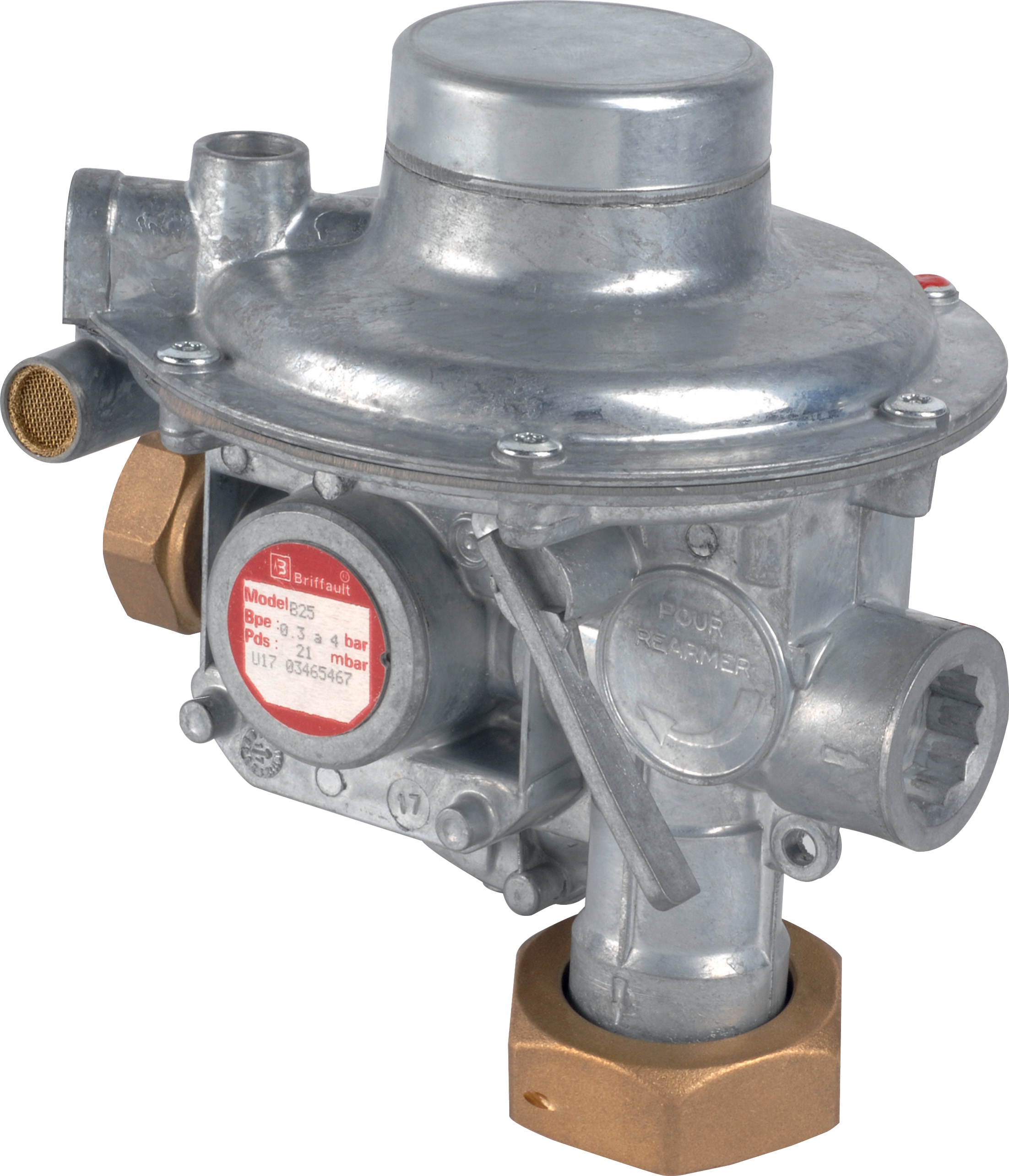
Spray systems depend on stable outlet pressure for consistent nozzle performance. If your installation includes Francel B25/37mb pressure regulators with integrated safety relief, proper maintenance & service directly impacts spray quality.
Monthly Inspection Tasks:
1. Vent port verification: Ensure the 10 mm vent remains clear and unobstructed. Clogged vents prevent pressure relief, creating hazardous overpressure conditions
2. Diaphragm assessment: Listen for hissing or unusual sounds during operation. Internal diaphragm wear causes pressure creep and hunting (rapid pressure fluctuations)
3. Outlet pressure confirmation: Compare gauge readings to system setpoint. Deviation greater than ±2 bar indicates internal component wear
4. Spring tension inspection: Check that adjustment screws haven't backed out due to vibration. Secure all fasteners with threadlock compound suitable for stainless steel
Safety Relief System Testing
Regulators with integrated safety functions must be tested quarterly:
- Cracking pressure test: Gradually increase inlet pressure until relief vents. Document the pressure point. It should crack within 10% of rated setpoint
- Flow capacity verification: With relief venting, measure the volume passing through the vent port per unit time. Compare to manufacturer specifications
- Seal leakage check: With inlet pressure at 150% of relief setpoint, monitor outlet pressure for 5 minutes. Leakage exceeding 0.1 L/min indicates seal replacement is needed
Dealing with Tropical Water Quality Issues
Southeast Asian water supplies often contain minerals and salt that degrade regulator seals faster than temperate climates.
Preventive measures:
- Install sediment filters upstream of all regulators (10 µm or finer)
- Use desiccant dryers to remove moisture that promotes corrosion
- Schedule regulator servicing at 6-month intervals instead of annual intervals if system operates in high-salinity environments
- Consider stainless steel regulator models for coastal installations; the upfront cost premium is recovered through extended service life
Section 4: Reassembly, Testing, and Documentation
Critical Reassembly Steps
1. Connection thread preparation: Apply PTFE thread seal tape to all male connections. Use 3-4 wraps, applied clockwise
2. Gentle tightening protocol: Use calibrated torque wrenches. Over-tightening damages ferrules and creates stress concentrations that promote fatigue cracking. Typical settings: 1/4" BSPT connections torque to 15-20 Nm
3. Nozzle orientation: If your system uses directional nozzles (like Euspray flat jet nozzles with 25° spray angle), align the spray pattern to match system geometry. Mark the correct orientation with paint or tape to ensure future technicians maintain alignment
4. Isolation valve confirmation: Verify that isolation valves close completely before starting the pump
Commissioning and Safety Checks
Before returning to full operation:
1. Pressure ramp test: Slowly increase pump pressure while monitoring all connection points for leaks. Take 5 minutes to reach operating pressure
2. Spray pattern verification: Run at low pressure and observe nozzle pattern. Irregularities visible now will worsen at full pressure
3. Full-pressure operation: Run the system at rated pressure for 15 minutes while checking:
- Nozzle temperature (should not exceed 60°C)
- Inlet and outlet pressures (compare to baseline measurements)
- Sound signature (should be consistent, no cavitation)
- Downstream equipment operation (cooling effectiveness, no flooding or dry zones)
Service Documentation and Trending
Systematic record-keeping enables predictive maintenance:
- Create a service card for each installation: Include system configuration, component serial numbers, and rated operating parameters
- Record all measurements: Flow rate, pressure readings, spray pattern notes, nozzle wear assessment, and any components replaced
- Calculate service intervals: If a component required replacement after 18 months of operation, schedule the next unit for service at month 15
- Track seasonal variations: Southeast Asian climate patterns create predictable peaks in water usage and mineral accumulation. Adjust Maintenance & Service scheduling accordingly
With over 35 years of regional experience, 3G Electric has found that HVAC contractors who maintain detailed service logs reduce emergency callouts by 35-40% compared to those relying on memory or estimates.
Best Practices for Southeast Asian Operating Conditions
High-humidity environments:
- Schedule monthly instead of quarterly Maintenance & Service during monsoon seasons
- Store spare nozzles and regulators in dry conditions using desiccant packs
- Apply corrosion inhibitor spray to exposed metal components after service
- Upgrade to stainless steel or nickel-plated components where available
- Replace gaskets and seals with halogen-free materials (standard rubbers degrade faster in salt-laden air)
- Consider installing freshwater flush systems that operate for 2-3 minutes after each shutdown cycle
- Test incoming water monthly for mineral content using hardness test kits
- Add water softening or reverse osmosis treatment if hardness exceeds 150 ppm
- Increase filter maintenance frequency during dry seasons when mineral concentration peaks
Proper Maintenance & Service adapted to local conditions ensures your HVAC systems operate at peak efficiency while protecting your reputation and profitability.