Understanding Maintenance & Service Requirements for High-Pressure Industrial Equipment
Maintenance & Service strategies for high-pressure systems in Southeast Asia differ significantly from temperate-climate operations due to humidity, corrosion acceleration, and continuous operational demands. Industrial professionals managing spray systems, pressure regulation, and fluid transfer must recognize that equipment failure in tropical environments occurs 30-40% faster than manufacturer specifications suggest, particularly when salt-air exposure or high-humidity industrial zones are involved.
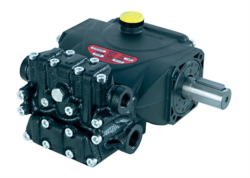
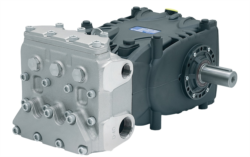
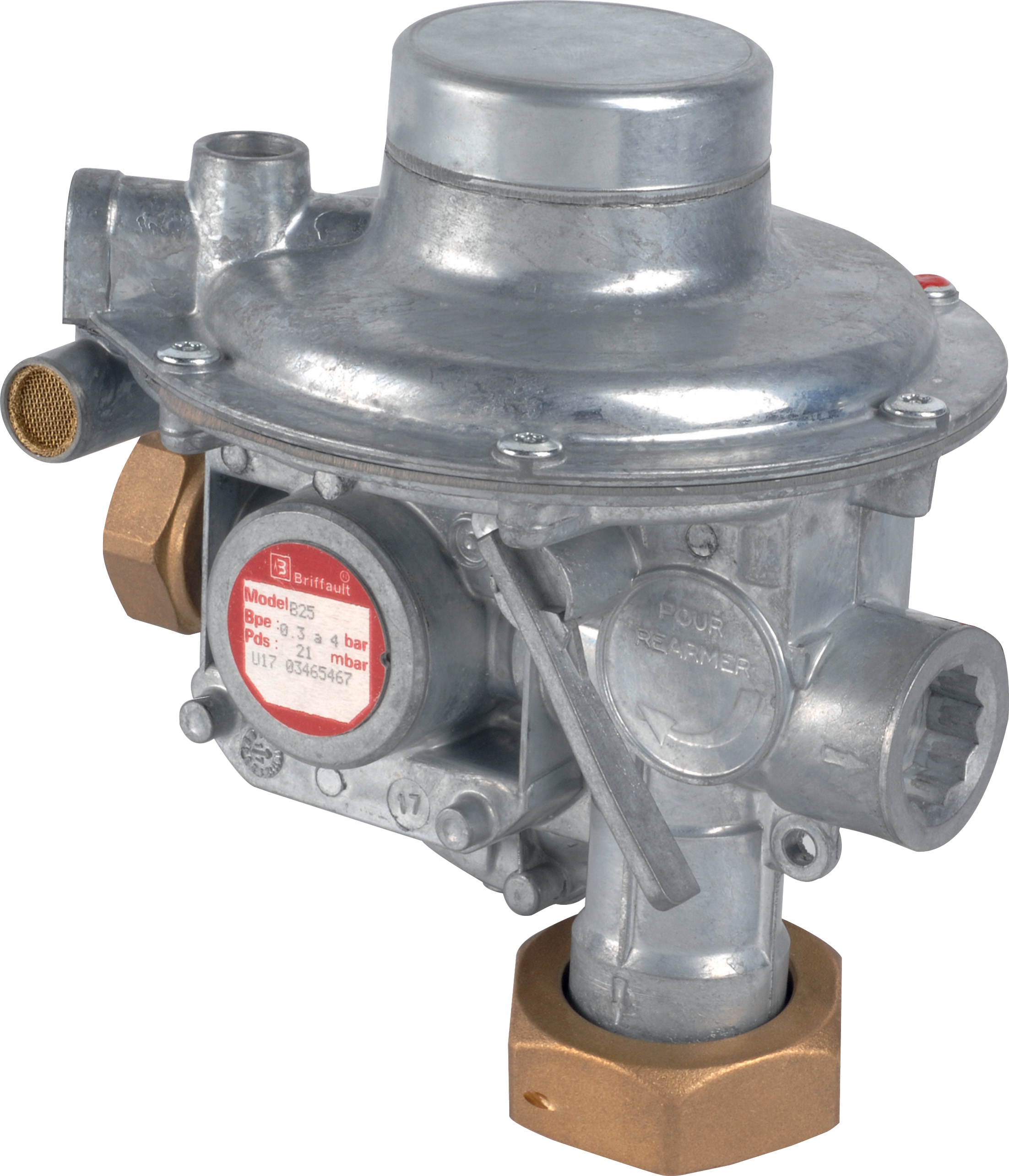
The foundation of effective Maintenance & Service begins with understanding your equipment baseline. The Francel B25/37mb pressure regulator with integrated safety relief exemplifies critical maintenance points: integrated safety mechanisms, vent pathway clarity, and outlet pressure stability. Similarly, high-flow pump systems like the Pratissoli KF30 delivering 106 L/min at 200 bar and the Pratissoli MW40 at 211 L/min and 210 bar each present distinct diagnostic and preventive maintenance requirements based on operational pressure zones and duty cycles.
With 35+ years of industrial equipment distribution experience, 3G Electric has supported Southeast Asian operations through equipment selection that accounts for regional environmental stressors. Proper Maintenance & Service protocols directly correlate with operational uptime, safety compliance, and total cost of ownership across your equipment portfolio.
Preventive Maintenance & Service Protocols for Pressure Regulation Systems
Pressure regulators operate at the critical interface between supply systems and downstream equipment. The Francel B25/37mb with integrated safety relief requires specific preventive maintenance attention points:
Monthly Inspection Protocol:
- Visual inspection of the 10 mm vent aperture for blockage caused by moisture condensation or particulate accumulation—critical in Southeast Asian humidity
- Verification of outlet pressure stability at 37 mbar using calibrated pressure gauges (±0.5 mbar accuracy minimum)
- Assessment of connection point corrosion, particularly BSPT thread integrity at inlet and outlet ports
- Testing safety relief function through controlled pressure surge testing (quarterly minimum)
- Disassembly and internal component inspection for seat wear, diaphragm degradation, or spring fatigue
- Cleaning of internal passages with filtered compressed air (5 micron filtration minimum) to prevent regulator drift
- Replacement of any corroded spring components or compromised seals
- Recalibration verification against primary standards
Higher humidity (70-90% relative humidity in coastal zones) accelerates diaphragm material degradation. Implement desiccant breather systems on all regulator vent lines to prevent moisture ingress. Store spare regulator components in sealed, climate-controlled cabinets with silica gel desiccant replacement every 30 days during monsoon seasons.
Documentation Requirements:
Maintain calibration certificates with each regulator showing outlet pressure verification dates, ambient conditions, and technician credentials. This documentation protects both safety compliance and warranty coverage with equipment suppliers.
High-Pressure Pump Maintenance & Service: Diagnostic and Component Management
Industrial pump systems like the Pratissoli KF30 and Pratissoli MW40 represent significant capital investments requiring systematic Maintenance & Service protocols. These Italian-engineered pumps deliver consistent performance when maintenance schedules account for Southeast Asian operational factors:
Performance Baseline Establishment:
Document baseline operating parameters immediately after installation:
- Actual flow rate at maximum rated pressure (measure using calibrated flow meters)
- Outlet pressure stability across 30-minute continuous operation
- Temperature rise during steady-state operation (should not exceed 55°C above ambient)
- Noise levels (baseline acoustic signature helps detect internal wear progression)
- Oil analysis: Extract 500 ml samples quarterly to identify ferrous particle concentration (trending >15 ppm indicates internal wear)
- Suction line verification: Confirm inlet strainer remains unobstructed and pressure differential stays below 0.3 bar
- Discharge pressure relief valve testing: Verify pop-off pressure within ±5% of specification
- Coupling and bearing inspection: Check for play, unusual vibration, or misalignment indicators
- Gear mesh wear detection through particle analysis and pressure ripple monitoring
- Bearing clearance verification using dial indicators at pump housing access points
- Flow capacity testing to identify volumetric loss trends (acceptable degradation: <5% per year under normal conditions)
- Temperature monitoring at bearing housings (maximum safe continuous: 65°C)
Southeast Asian salt-air environments accelerate external corrosion on pump housings and shaft seals. Implement quarterly corrosion inspections focusing on:
- Shaft seal leakage analysis (any visible weeping indicates seal deterioration)
- Coupling protection verification (corrosion on flexible elements reduces load capacity)
- Paint coating integrity on pump housing (address surface corrosion within 30 days to prevent deep pitting)
Invest in vibration monitoring for pumps operating >2000 hours annually. Trending absolute acceleration values helps predict bearing failure 4-8 weeks before catastrophic breakdown, allowing planned maintenance scheduling.
Nozzle System Maintenance & Service and Spray Pattern Optimization
Spray application systems using Euspray flat jet nozzles with 25° spray angle and 1/4" M BSPT connections require specialized Maintenance & Service approaches different from pump maintenance. Nozzle degradation directly impacts product quality, material consumption efficiency, and safety:
Nozzle Condition Assessment Protocol:
- Weekly visual inspection of spray pattern uniformity—any asymmetry indicates internal orifice erosion
- Pressure drop testing: Compare current operating pressure against baseline at fixed flow rates (pressure increase >10% indicates partial blockage or orifice wear)
- Spray angle verification using optical measurement or photo-reactive paper patterns (acceptable tolerance: ±2° from specification)
- Internal orifice diameter estimation through dye penetrant inspection or ultrasonic measurement (erosion >0.1 mm requires replacement)
- Daily flushing with filtered water (10 micron minimum) immediately after operation to prevent mineral deposit accumulation
- Weekly ultrasonic cleaning in deionized water (40 kHz frequency, 15-minute cycles) for nozzles experiencing crystalline buildup
- Monthly chemical cleaning for systems spraying slurries or coatings: soak in appropriate solvent (confirm compatibility with orifice seal materials)
- Replacement of inlet screen filters every 500 operating hours—critical in Southeast Asian environments with high dust and salt particle concentrations
The 1/4" M BSPT connection point experiences wear from thermal cycling and vibration. Implement quarterly torque verification (8-12 Nm for this connection size) to prevent gradual loosening that reduces spray pressure stability.
Storage and Spare Nozzle Management:
Maintain rotating inventory of spare nozzles calibrated to identical specifications. Store nozzles in sealed, humidity-controlled containers with protective caps covering both inlet and outlet orifices. Southeast Asian storage conditions (>70% RH) cause mineral deposits on stored nozzles within 60 days without proper protection.
Integrated Maintenance & Service Planning for System Reliability
Effective Maintenance & Service extends beyond individual component protocols to integrated system management. Your pressure regulator, pump, and nozzle systems operate interdependently—failures in upstream components cascade downstream.
System-Level Maintenance & Service Strategy:
Monthly System Review:
- Correlate component diagnostic data: pressure regulator drift may indicate downstream restriction or nozzle blockage
- Verify pressure gauge calibration across three reference points in system (inlet, post-regulator, nozzle manifold)
- Test emergency shutdown procedures and safety relief activation sequences
- Review operational logs for pressure spikes, temperature anomalies, or flow inconsistencies
Pre-Monsoon (April-May):
- Increase inspection frequency to twice weekly for all exposed connection points
- Implement temporary corrosion barriers on external pump and regulator surfaces
- Drain and replace all reservoir desiccant breather systems
- Verify ground bonding continuity on all metallic components
- Comprehensive internal inspection of all components for moisture ingress
- Replace any corroded fasteners or connector components
- Pressure test all seals to confirm moisture hasn't compromised integrity
- Re-establish baseline operating parameters after environmental stress period
Implement digital equipment tracking that captures:
- Component serial numbers and installation dates
- Calibration certificates and verification records
- Maintenance activity logs with technician identification
- Oil analysis trends and particle concentration trajectories
- Pressure and flow baseline data with timestamps
- Environmental condition notes (ambient temperature, humidity, salt exposure levels)
This documentation provides critical reference data when troubleshooting failures and justifies component replacement during warranty negotiations with equipment suppliers.
Training and Technician Competency:
Maintenance & Service quality depends on technician expertise. Ensure your maintenance team receives:
- Hands-on training with specific regulator, pump, and nozzle models in your fleet
- Certification in calibration procedures and measurement equipment operation
- Understanding of pressure system safety protocols and confined space entry requirements
- Regional awareness of corrosion mechanisms and environmental hazard mitigation
3G Electric's 35+ years supporting Southeast Asian industrial operations provides access to technical resources and component suppliers familiar with regional maintenance challenges. Partnering with experienced distributors ensures you receive guidance on component selection that anticipates maintenance requirements and regional environmental stressors.