Understanding Maintenance & Service Requirements for Hydraulic System Components
Hydraulic systems represent the backbone of modern industrial equipment, and effective Maintenance & Service practices directly impact operational reliability and equipment lifespan. With over 35 years of experience as an global industrial equipment distributor, 3G Electric has observed that maintenance failures in hydraulic systems typically stem from neglected component-level care rather than system-wide defects. Maintenance teams working with high-pressure hydraulic equipment must understand that each component—from precision nozzles to expansion tanks—operates within critical performance windows that demand regular inspection, calibration, and replacement cycles.
The complexity of hydraulic Maintenance & Service lies in the interdependency of components. A single compromised flat jet nozzle can create pressure inconsistencies that cascade through the entire system, forcing expansion tanks to compensate beyond their design parameters. Similarly, reservoir systems with degraded alarm mechanisms may fail silently, allowing fluid contamination to progress undetected. Modern maintenance teams must adopt a proactive stance, viewing Maintenance & Service not as reactive problem-solving but as continuous system optimization.
Systematic Inspection and Performance Monitoring Protocols
Effective Maintenance & Service begins with establishing baseline performance metrics for each hydraulic component. High-pressure nozzles like the CBM Flat jet nozzle HP 1/4"M BSPT index 25 angle 15° and CBM Flat jet nozzle HP 1/4"M BSPT index 055 angle 15° require monthly flow rate verification and spray pattern assessment. Maintenance teams should establish a documentation system recording:
- Flow rate measurements taken at standard operating pressure
- Spray pattern consistency evaluated under controlled lighting conditions
- Pressure differential readings across the nozzle inlet and outlet
- Visual inspection results documenting any signs of erosion, clogging, or material degradation
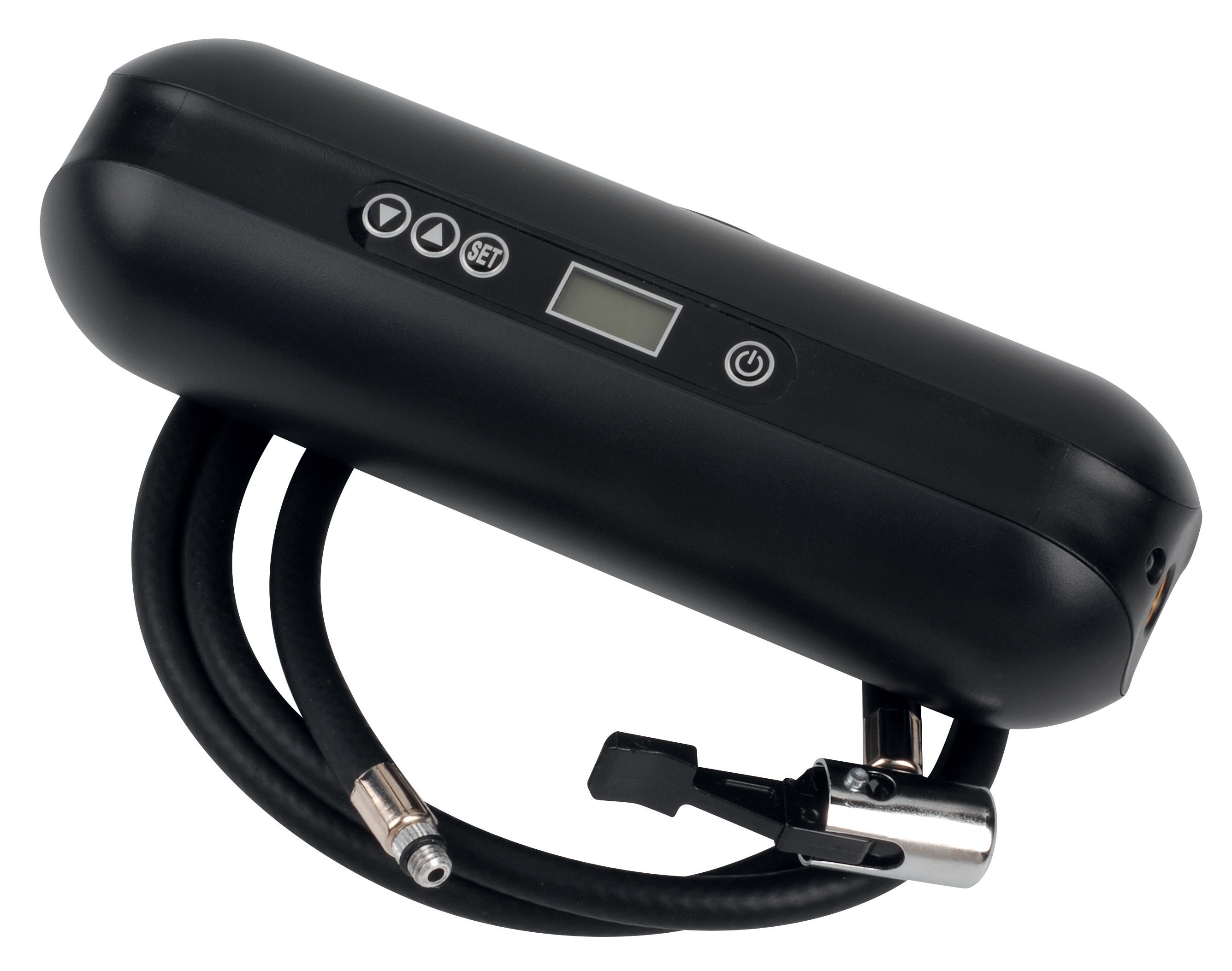
For expansion tank systems, Maintenance & Service protocols must include pressure monitoring at three critical intervals: cold system conditions (before operation), warm system conditions (after 30 minutes of operation), and hot system conditions (at peak operating temperature). The CBM Expansion tank inflator battery 2000 mAH enables precise air pressure calibration, which directly affects the tank's ability to absorb system pressure spikes. Maintenance teams should verify that pre-charge pressure matches manufacturer specifications—typically 70-90% of minimum system pressure—before each operational cycle.
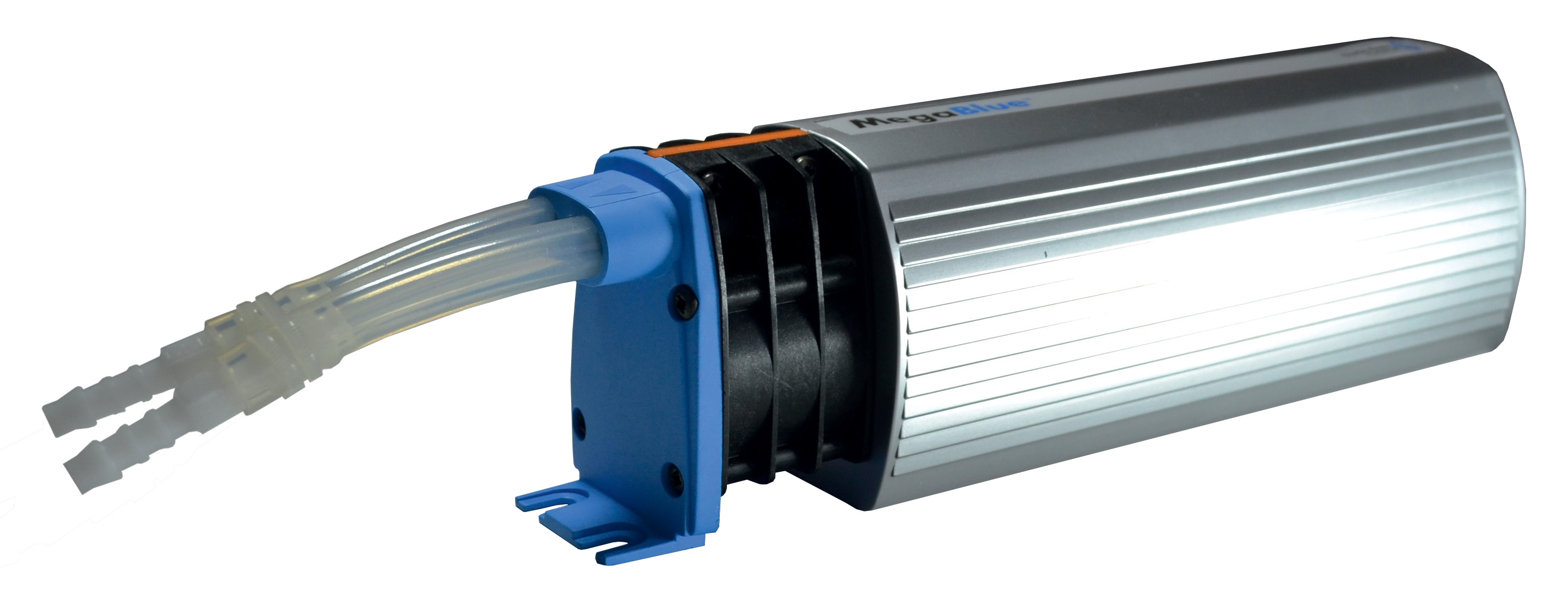
Reservoir condition directly influences overall system health, making the CBM Megablue reservoir alarm + shut-off X87-813 a critical monitoring asset. This component provides dual functionality: fluid level monitoring and emergency system shutdown. Maintenance & Service procedures should include:
- Weekly visual fluid level verification against manufacturer gauge marks
- Monthly sensor calibration testing using backup mechanical gauges
- Quarterly filter element inspection and replacement when bypass valve activation occurs
- Annual complete reservoir cleaning with certified filtration (ISO cleanliness level 17/15/12 or better)
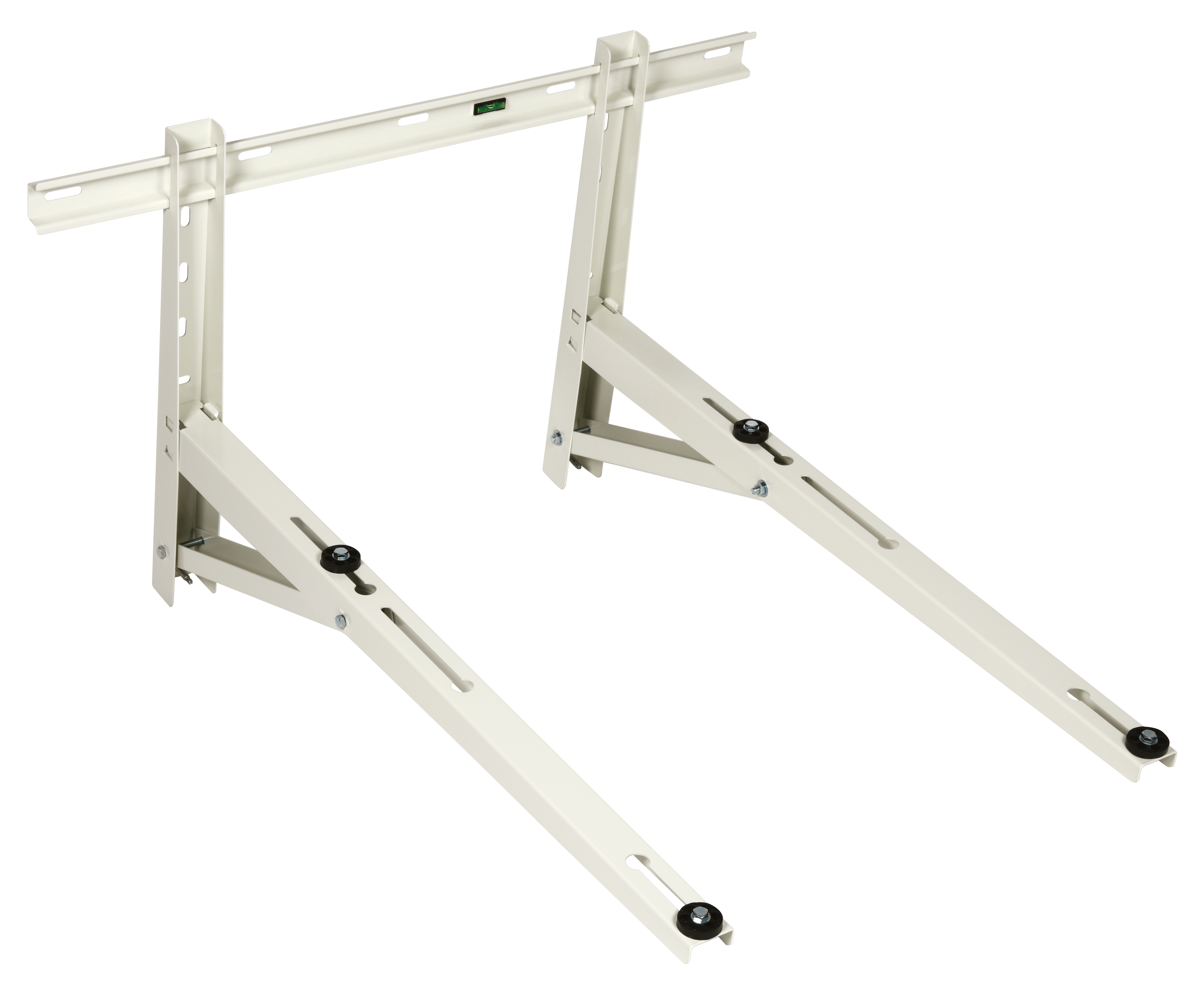
The CBM Wall bracket 1000 ensures proper mounting stability for reservoir systems, which directly impacts sensor accuracy and prevents measurement errors caused by equipment vibration or misalignment.
Component Replacement and Lifecycle Management
Maintenance & Service effectiveness depends on understanding component lifecycle timelines and replacement schedules. High-pressure nozzles exhibit two distinct failure modes: gradual performance degradation and catastrophic failure. Gradual degradation manifests as reduced flow rates, asymmetrical spray patterns, or increased noise during operation. Most hydraulic nozzles maintain acceptable performance for 2,000-3,500 operating hours before replacement becomes necessary, though this timeline varies significantly based on fluid contamination levels and operating pressure consistency.
Maintenance teams should implement a preventive replacement strategy rather than reactive replacement after failure. For systems utilizing both the index 25 angle 15° and index 055 angle 15° nozzle variants, maintaining a stock of replacement components equal to 15% of installed nozzles ensures minimal downtime when degradation is detected. Component sourcing from established distributors like 3G Electric—with 35+ years of supply chain reliability—prevents extended equipment downtime caused by unavailable replacement parts.
Expansion tanks typically function effectively for 8-10 years when properly maintained, but the internal bladder or diaphragm may degrade faster in systems with temperature fluctuations exceeding 60°C differentials. Maintenance & Service planning should include scheduled bladder inspection at the 6-year mark, with replacement planned regardless of observable condition. The inflator battery device enables rapid pre-charge adjustment during tank replacement, facilitating smooth system recommissioning without extended purging or bleeding procedures.
Reservoir systems require more extended lifecycle management but demand consistent attention. The alarm and shut-off mechanism should be tested monthly with simulated low-level conditions to verify electrical continuity and solenoid valve response. Sensor replacement intervals typically extend 5-7 years under normal conditions, but contaminated fluid environments may necessitate replacement within 2-3 years. Maintenance teams should prioritize fluid analysis every 6 months, tracking water content, viscosity index changes, and particulate contamination to inform both component replacement timing and system optimization strategies.
Documentation, Training, and Continuous Improvement
Maintenance & Service excellence emerges from systematic documentation and team knowledge management. Successful maintenance organizations implement digital or paper-based maintenance logs recording:
- Component identification (SKU, installation date, original purchase cost)
- Performance baseline data (initial flow rates, pressure readings, noise levels)
- Inspection findings (observation dates, measurement values, identified anomalies)
- Maintenance actions completed (parts replaced, adjustments made, testing performed)
- Downtime incidents (failure dates, root cause analysis, corrective measures)
This documentation enables trend analysis identifying systemic issues affecting multiple installations. For example, if multiple nozzles fail prematurely in similar environments, the maintenance team can investigate whether fluid contamination, ambient temperature extremes, or pressure regulation failures cause accelerated degradation.
Training programs addressing Maintenance & Service competencies must include hands-on instruction with actual equipment. Maintenance team members should develop proficiency in:
- Pressure measurement using calibrated gauges
- Flow rate quantification through volume and time measurement
- Sensor calibration and electrical testing
- Safe depressurization and component isolation procedures
- Fluid analysis sample collection and interpretation
With 3G Electric's extensive experience supporting maintenance teams across diverse industrial sectors, we recommend establishing quarterly review meetings where maintenance staff analyze performance data, discuss emerging equipment issues, and plan preventive interventions. This continuous improvement approach transforms Maintenance & Service from a reactive cost center into a strategic capability driving competitive advantage through superior equipment reliability.