Introduction: Maintenance & Service Planning for Tropical HVAC Systems
HVAC contractors operating in Singapore work in one of the world's most demanding climates for air conditioning equipment. High humidity, intense heat, and continuous operational cycles create accelerated wear on compressors, condensers, and distribution components. Effective Maintenance & Service planning isn't optional—it's the foundation of profitable, reliable HVAC operations.
With over 35 years of experience distributing industrial equipment across Southeast Asia, 3G Electric has helped contractors optimize maintenance cycles and reduce unexpected breakdowns. This guide provides Singapore-specific Maintenance & Service strategies that address tropical climate challenges while protecting your client relationships and your bottom line.
Section 1: Tropical Climate Maintenance & Service Cycles
Understanding Singapore's Impact on HVAC Equipment
Singapore's climate presents three critical challenges for HVAC systems:
- Moisture infiltration: Relative humidity exceeds 80% year-round, promoting corrosion in copper lines, aluminum fins, and electrical connections
- Continuous operation: Most systems run 12-24 hours daily, compressing normal equipment lifespans significantly
- Salt-air exposure: Coastal proximity introduces salt particles that accelerate oxidation on outdoor units and pressure components
These factors mean Singapore HVAC systems require 40-50% more frequent Maintenance & Service inspections than systems in temperate climates.
Quarterly Maintenance & Service Schedule Framework
Q1 (January-March): Post-Holiday Deep Service
- Visual inspection of outdoor condenser coils for salt deposit buildup
- Refrigerant pressure and superheat measurements on all circuits
- Electrical connection torque verification (loose connections are primary failure mode in humid climates)
- Oil analysis for compressor lubrication degradation
- Drain pan cleaning and condensate line flushing to prevent microbial growth
- Complete coil cleaning (aluminum fins are vulnerable to salt corrosion)
- Thermostat calibration and sensor testing across all zones
- Ductwork inspection for moisture damage and microbial growth
- Compressor performance curve analysis against baseline readings
- Pressure regulator and safety valve bench testing (critical for systems using Francel pressure regulators)
- Energy consumption trending analysis—spikes indicate developing issues
- Evaporator coil condition assessment and microbial treatment
- Capacitor and contactor load testing; replacement of units showing degradation
- Vibration analysis on compressor mountings
- Cooling tower biofouling inspection (if applicable)
- Complete replacement of air filters across all units
- Sealant inspection around refrigerant line penetrations
- Electrical panel humidity assessment and corrosion treatment
- Compressor motor winding insulation testing
- Client system performance trending report and recommendations for following year
Section 2: Component Testing Protocols and Diagnostic Standards
Pressure Measurement and Analysis
Pressure diagnostics are the primary window into HVAC system health. In Singapore's heat, pressure readings must be referenced to actual ambient conditions rather than standard charts.
Critical Pressure Tests:
- Suction pressure: Measure at compressor inlet; compare to saturation temperature. Deviation >10°F indicates restriction in evaporator circuit
- Discharge pressure: Normal range varies with ambient; tropical systems run 15-25% higher discharge pressure than temperate equivalents
- Oil pressure: Lubrication failure is accelerated in continuous-operation tropical systems; establish baseline at first service and monitor monthly
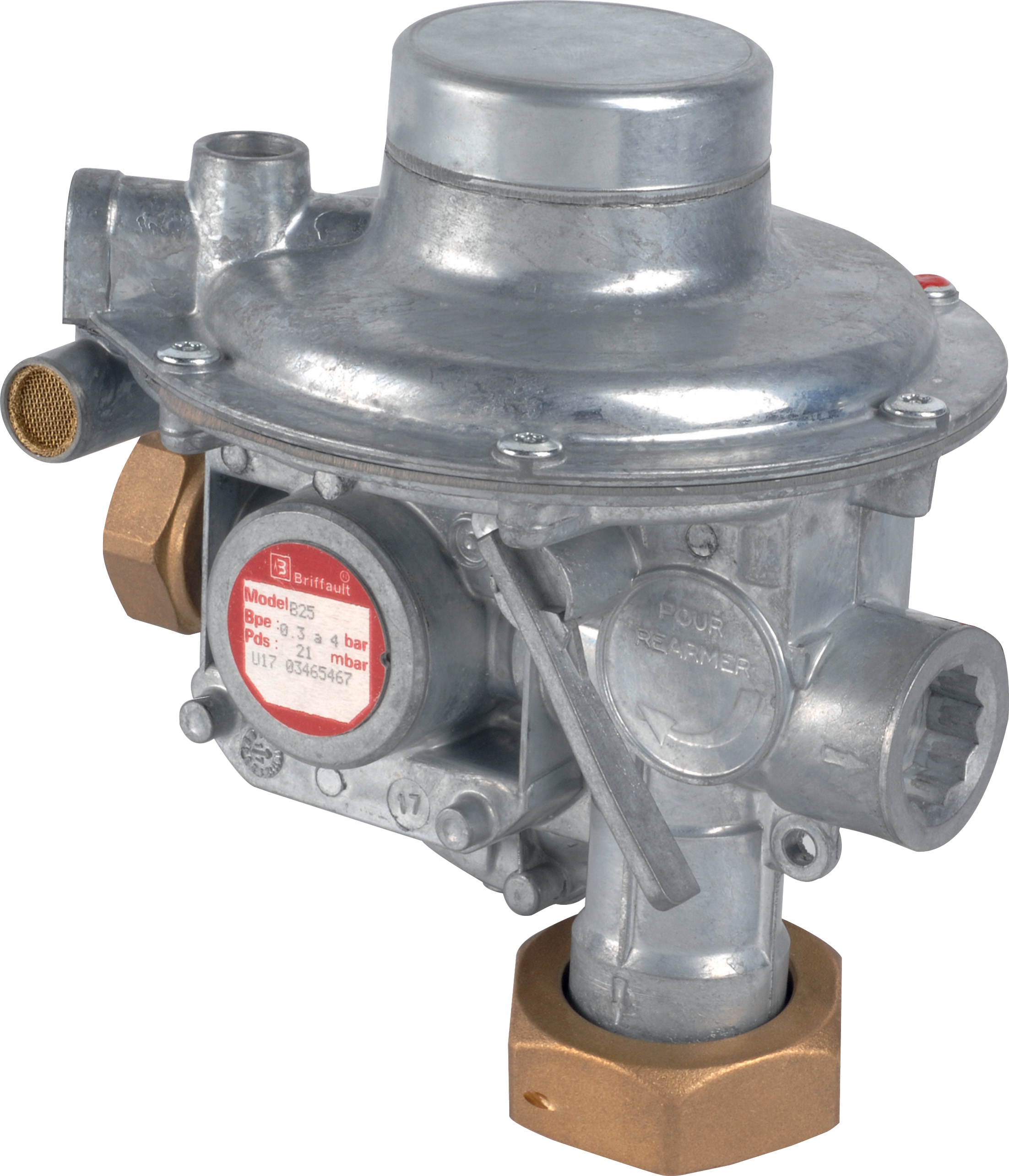
- Safety relief valve operation: Test pressure regulators like Francel B25/37mb quarterly to verify relief functionality; failed safety valves create catastrophic failure risk
Document all pressure readings with ambient temperature, load condition, and time-of-day to build diagnostic baselines unique to each client location.
Electrical System Testing
Humidity causes insulation degradation 3-4× faster than in dry climates:
- Megohm testing: Motor winding insulation resistance should remain >1 megohm; readings <0.5 megohm indicate moisture ingress requiring immediate motor replacement
- Motor current signature analysis (MCSA): Detect rotor bar degradation before catastrophic failure
- Contactor coil voltage drop: Corroded contactors create erratic compressor cycling; replace when voltage drop exceeds 10%
- Capacitor ESR measurement: Electrolytic degradation from heat and humidity shortens capacitor life 50-70%; replace preventively before failure
Refrigerant Quality Assessment
Moisture and acid contamination accelerate copper corrosion and compressor bearing wear:
- Acid number (TAN) testing: Establishes baseline at installation; trending increases indicate refrigerant oxidation
- Moisture content analysis: Saturation point varies with refrigerant type; maintain <50 ppm moisture for R410A systems
- Particulate count: Establish baseline; increases indicate wear debris in compressor
Schedule full refrigerant recovery and analysis annually for critical systems (data centers, hospitals, continuous-process facilities).
Section 3: Strategic Component Sourcing for Maintenance & Service Operations
Building Maintenance Inventory for Seasonal Demand
Tropical HVAC Maintenance & Service creates predictable seasonal demand patterns:
High-wear components to stock (quantities based on service contract size):
- Compressor motor capacitors (summer demand increases 300%)
- Contactors and relays (humidity causes early failure)
- Expansion device cartridges
- Thermal expansion valve seats and stems
- Pressure regulator assemblies
3G Electric's 35+ years supplying Southeast Asia means we understand regional demand volatility. Strategic inventory planning before April (pre-monsoon season) prevents stockouts during peak service periods.
High-Pressure Equipment Component Strategy
For contractors servicing industrial HVAC and cooling systems, high-pressure components require specialized maintenance protocols:
Pump maintenance and service planning:
Industrial cooling systems often employ high-capacity circulation pumps. The Pratissoli KF30 pump (106 L/min, 200 bar) or Pratissoli MW40 pump (211 L/min, 210 bar) require:
- Oil analysis every 500 operating hours to detect internal wear
- Pressure testing to verify pump performance against performance curves
- Impeller inspection for cavitation damage (common when inlet strainers become clogged)
- Seal face condition assessment; replace preventively at 2,000-hour intervals
Cleaning systems using spray components like Euspray flat jet nozzles require:
- Weekly flow rate testing to detect partial blockage
- Visual inspection for erosion; flat jets show 2-3mm wear patterns before pressure performance degrades
- Strainer cleaning protocols to prevent debris accumulation
Smaller systems using Interpump E1D1808 gear pumps (8 L/min, 180 bar) need:
- Monthly flow verification under load
- Temperature monitoring; inlet temperatures >60°C indicate inadequate lubrication
- Noise baseline establishment; gear tooth wear creates tonal changes detectable 4-6 weeks before mechanical failure
Section 4: Documentation and Continuous Improvement Systems
Service Record Architecture
Systematic documentation transforms reactive maintenance into predictive strategy:
Essential data capture:
- Equipment nameplate data and installation date
- Monthly pressure readings with ambient conditions
- Quarterly full diagnostic results
- Parts replaced with installation date and part hours
- Client-reported issues and response times
- Energy consumption trending (kWh/degree-day)
Trending and Predictive Analysis
After 12 months of documented service history, patterns emerge:
- Pressure trending: Gradual discharge pressure increase indicates condenser fouling (3-4 month warning before efficiency loss becomes critical)
- Superheat trending: Increasing superheat indicates evaporator restriction or TXV failure (2-3 month lead time for planning replacement)
- Current draw trending: Motor current increase indicates cooling capacity loss (6-8 week window for planned maintenance)
- Service call frequency: Increasing unscheduled calls signal approaching major component failure
Client Communication and Value Demonstration
Singapore's competitive HVAC contracting market requires differentiated value delivery. Maintenance & Service excellence becomes a market advantage when communicated effectively:
- Quarterly performance reports: Present trending data showing equipment condition and anticipated service needs
- Seasonal risk assessments: Identify systems approaching maintenance windows before failures occur
- Energy optimization analysis: Quantify kWh savings from preventive maintenance; savings typically recover 40-60% of service costs
- Warranty and extended life documentation: Systematic Maintenance & Service records protect client warranties and extend equipment lifespan 3-5 years beyond typical tropical climate expectations
Conclusion: Strategic Maintenance & Service as Competitive Advantage
HVAC contractors who systematize Maintenance & Service planning create three competitive advantages: improved client retention through reliability, reduced emergency service calls that compress margins, and data-driven insights that enable predictive service selling.
Singapore's demanding tropical climate makes rigorous Maintenance & Service non-negotiable. By implementing seasonal schedules, establishing component testing protocols, and building systematic documentation practices, contractors transform maintenance costs from overhead into strategic profit drivers.
3G Electric supports this transition by providing reliable component sourcing, technical specifications, and market knowledge accumulated across 35+ years in Southeast Asia. Whether specifying pressure regulators, circulation pumps, or spray components for industrial cooling systems, our supplier partnerships ensure you access quality equipment and replacement components exactly when service schedules demand them.
Contact 3G Electric to discuss maintenance component sourcing strategies tailored to your service portfolio and Singapore market conditions.