Maintenance & Service Vendor Selection and Qualification Framework
Maintenance and service partnerships directly impact equipment reliability, regulatory compliance, and total cost of ownership. For procurement engineers managing industrial operations across Southeast Asia, selecting qualified vendors requires a systematic approach that goes beyond price comparison.
The foundation of vendor selection begins with technical competency assessment. Your maintenance service provider must demonstrate expertise with the specific equipment categories in your facility—whether high-pressure pump systems, gas regulation components, ignition transformers, or fuel nozzle assemblies. Request detailed certifications, training credentials, and equipment-specific technical documentation. In Southeast Asia's regulatory landscape, compliance with local environmental and safety standards (Singapore's PCA regulations, Malaysia's DOSH requirements, Indonesia's Ministry of Manpower standards) is non-negotiable.
Establish a vendor qualification checklist that includes: (1) technical certifications aligned with equipment manufacturers, (2) business continuity and spare parts inventory documentation, (3) response time guarantees with geographic coverage maps, (4) preventive maintenance program structures, and (5) documentation and traceability systems compliant with ISO 9001 or equivalent standards.
With 35+ years of experience as an industrial equipment distributor, 3G Electric understands that maintenance service excellence requires partners who maintain direct relationships with original equipment manufacturers and can source critical components without delays. When evaluating vendors, verify their supply chain resilience—particularly important in Southeast Asia where regional logistics face seasonal disruptions and typhoon seasons affecting delivery schedules.
Service Level Agreements: Establishing Measurable Performance Metrics
A technically sound SLA transforms maintenance from reactive firefighting into predictable operational support. Procurement engineers must define specific, measurable performance metrics that align with equipment criticality and production requirements.
Structure your SLA around three primary performance categories:
Response Time Metrics establish how quickly vendors mobilize resources. For critical equipment failures, negotiate guaranteed response times (typically 2-4 hours for mission-critical systems in urban areas, 6-8 hours for regional facilities). Define what "response" means—technician arrival at site, not phone acknowledgment. In Southeast Asia's geographically dispersed markets, request vendor documentation showing local technical personnel stationed within service zones.
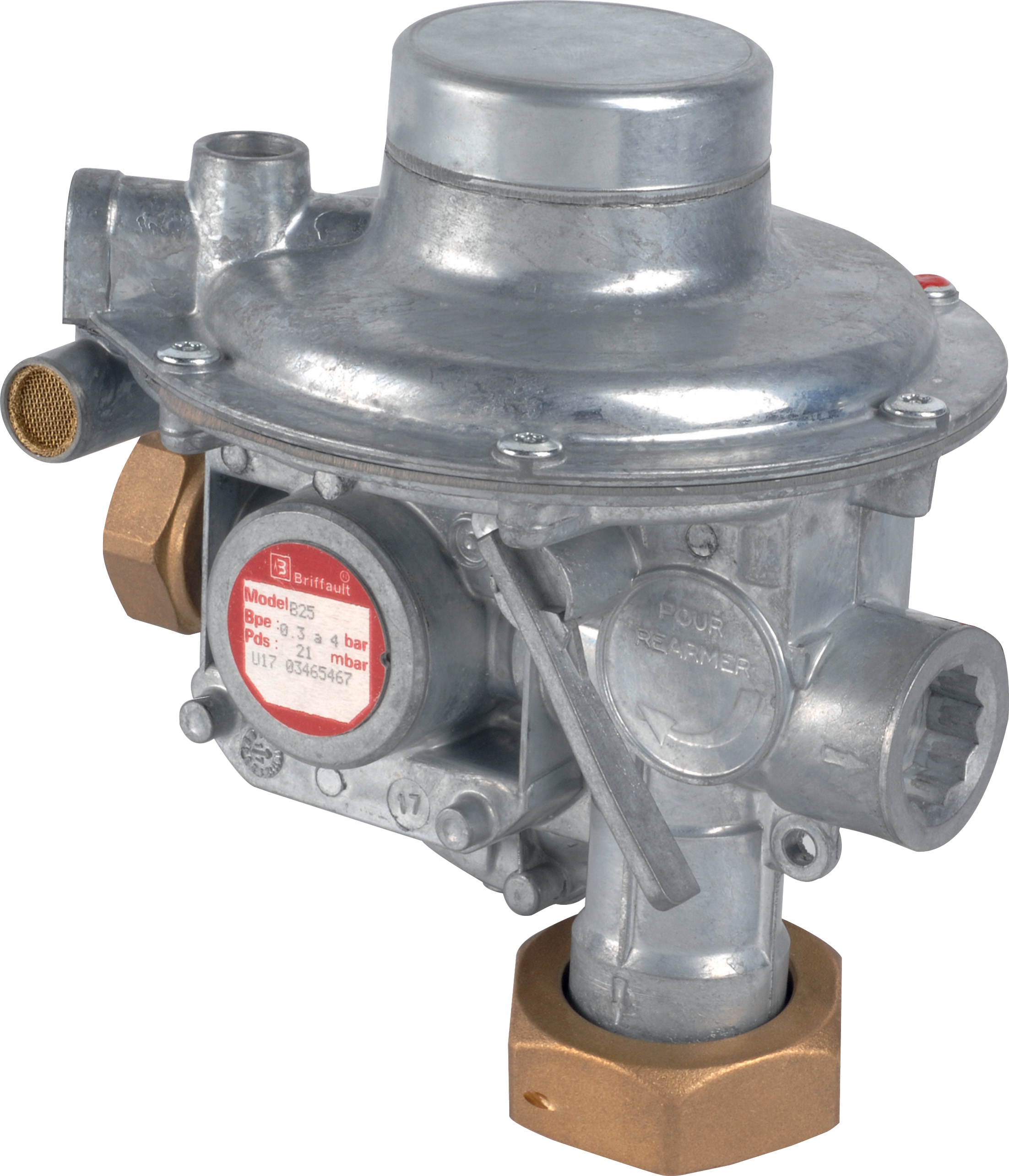
Mean Time to Repair (MTTR) directly correlates to production loss. Specify maximum MTTR targets based on equipment type. For high-pressure pump systems like the Pratissoli Series 71 KF30, establish MTTR of 4-6 hours for bearing or seal failures. For pressure regulation components such as the Francel B25/37mb pressure regulator, specify 2-hour MTTR since these failures cascade through gas distribution systems. MTTR should include diagnostic, repair/replacement, and system verification time.
System Availability guarantees specify uptime percentage targets. Most industrial operations require 98-99.5% availability. Link SLA credits or penalty clauses to availability shortfalls—typically 0.5-2% of monthly service fees per 0.1% of availability below target.
Spare Parts Availability requires explicit SLA language. Specify minimum inventory levels for critical wear items (seals, gaskets, bearings) and maximum lead times for component procurement. For Pratissoli R1/400 regulating valves and similar pressure control equipment, negotiate 24-hour parts availability for high-demand components and 5-7 day maximum for specialized items.
Document preventive maintenance frequency in the SLA. For equipment subject to high operating stress, establish quarterly or semi-annual intervals. Include specific activities: inspections, lubrication schedules, calibration requirements, and component replacement triggers (e.g., replace seals when bearing temperature rises above 65°C).
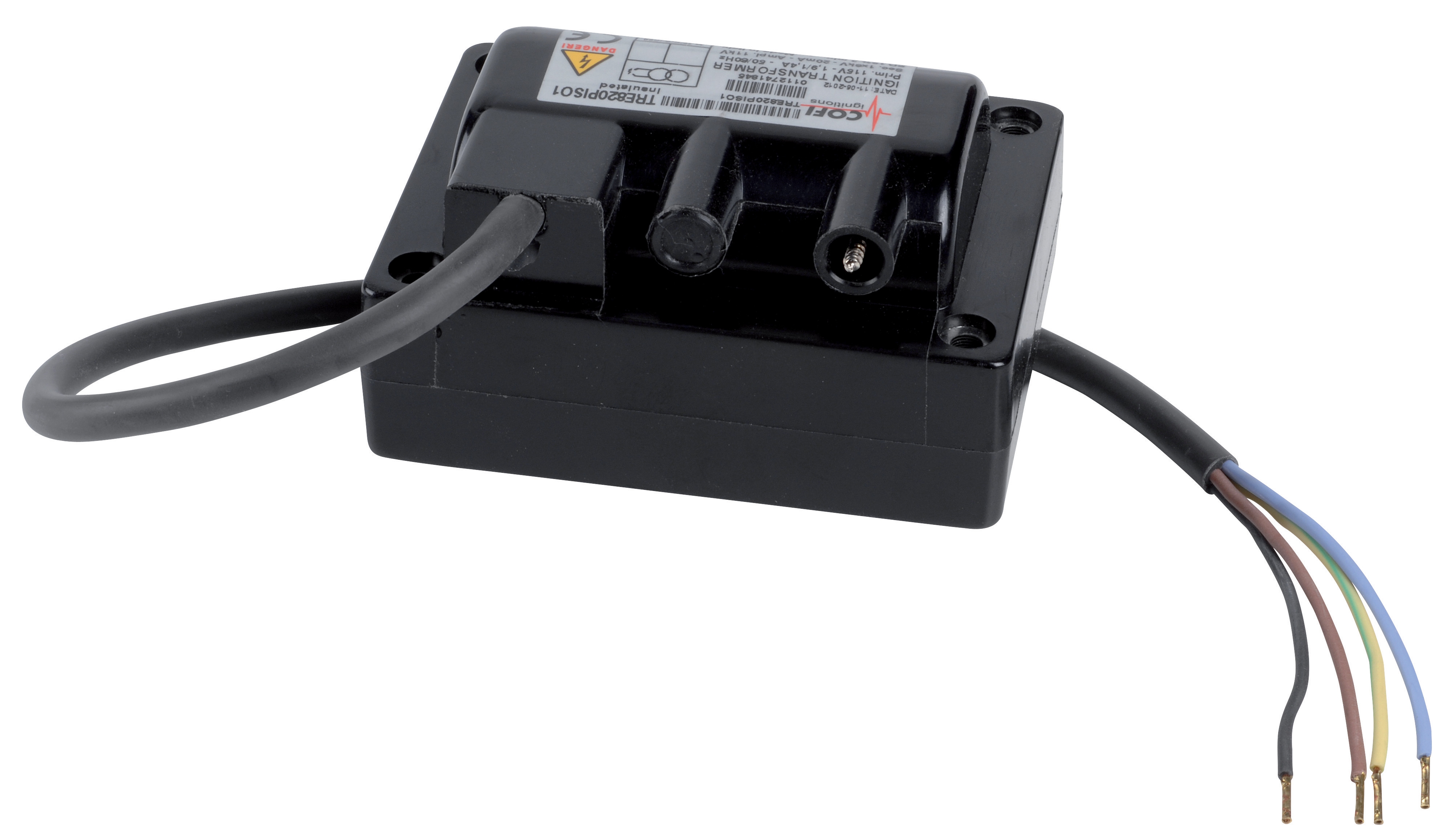
Incorporate compliance verification into SLA obligations. Vendors must maintain audit-ready documentation proving they performed scheduled work, tested safety systems (like the Cofi TRE 820 ignition transformer output verification), and logged results in traceable systems accessible to your procurement team.
Technical Documentation and Compliance Management Systems
Maintenance service quality depends on information systems that track equipment history, compliance obligations, and vendor performance. Procurement engineers must establish documentation frameworks that satisfy regulatory audits while providing actionable intelligence for maintenance planning.
Implement a Computerized Maintenance Management System (CMMS) that captures: equipment asset registers (including serial numbers, installation dates, warranty status), scheduled maintenance activities linked to manufacturer recommendations, work order histories with technician notes and parts consumed, spare parts inventory tracking with usage rates, safety system test results and calibration certificates, and vendor performance metrics against SLA benchmarks.
Regulatory compliance in Southeast Asia varies by jurisdiction and industry. Manufacturing facilities in Singapore must document compliance with Ministry of Manpower equipment safety directives. Chemical processing plants require documentation of HAZOP-related maintenance activities. Oil and gas operations need traceability of component maintenance aligned with international standards. Establish which compliance frameworks apply to your specific operation, then mandate that vendors provide documentation supporting compliance verification.
For equipment involving pressure systems (pumps rated 200 bar like the KF30, regulators handling multiple mbar outputs like the Francel B25/37mb), maintain inspection and test certificates for pressure relief systems, pressure gauges (calibration every 12-18 months), and safety interlocks. Digitize these records with automatic renewal reminders.
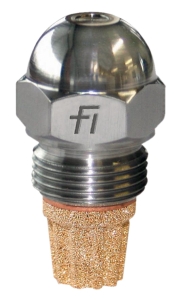
For ignition and combustion systems incorporating components like the Cofi TRE 820 transformer, document transformer output testing results, insulation resistance measurements, and visual inspection reports. Oil nozzles such as the CBM Fluidics 1.35 45° SF require atomization pattern verification and flow rate confirmation after cleaning cycles.
Establish a vendor portal or shared documentation platform where maintenance teams log completed work, upload test reports, and schedule future activities. This creates audit trails demonstrating your due diligence in equipment care while providing data for predictive maintenance analysis.
Lifecycle Cost Optimization and Procurement Decision Making
Maintenance and service costs represent 20-40% of industrial equipment lifecycle expenses. Procurement engineers can optimize this category by shifting evaluation criteria from initial purchase price to total cost of ownership (TCO) across the equipment's operational life.
Calculate maintenance TCO components: (1) preventive maintenance labor and parts, (2) unplanned downtime costs (lost production, expedited repairs, overtime labor), (3) spare parts inventory carrying costs, (4) compliance and documentation overhead, and (5) equipment replacement costs driven by deferred maintenance.
For high-reliability equipment like the Pratissoli Series 71 KF30 pump, robust preventive maintenance reduces unplanned failures by 60-75%. Initial TCO appears higher due to scheduled service costs, but elimination of 3-4 annual emergency repairs (at 3-5x normal service rates) drives net savings of 15-25% over the 8-10 year equipment life.
Conversely, deferring maintenance on precision components like the R1/400 regulating valve creates compounding costs. Inadequate lubrication or particle contamination in a valve's internal spools costs $500-800 to repair after damage occurs versus $80-120 for quarterly preventive maintenance. Over five years, this represents $2,400-4,000 in deferred maintenance costs versus $1,600-2,400 in planned maintenance—a false economy if unplanned downtime causes production loss.
Perform scenario modeling comparing three vendor service options: (1) basic reactive service (parts and labor only when failures occur), (2) preventive maintenance with monthly or quarterly visits, and (3) comprehensive managed service including condition monitoring, spare parts pre-positioning, and 24/7 support. For most industrial operations in Southeast Asia, the comprehensive service option delivers 12-18% lower TCO despite 25-35% higher annual service fees.
Negotiate performance-based pricing where service fees correlate with equipment availability achieved. A vendor confident in their maintenance program will accept pricing structures where they earn bonuses for availability above 99% and face penalties if availability drops below 98%. This alignment ensures vendor incentives match your operational priorities.
Conduct annual vendor performance reviews using objective metrics: SLA achievement rates, MTTR trends, spare parts availability success rate, compliance documentation completeness, and cost variance against budgeted amounts. Use this data to guide contract renewals and negotiate rate adjustments. Vendors consistently achieving 99.5%+ availability merit higher retention priority and favorable renewal terms; those struggling below 98% availability should face contract termination or replacement.
With 3G Electric's 35 years serving Southeast Asian industrial operations, we've observed that procurement engineers who treat maintenance vendor selection as strategically as equipment selection achieve 18-24% lower equipment lifecycle costs while maintaining superior reliability. The procurement team's involvement in service vendor management extends their value beyond asset acquisition into operational excellence.