Understanding Maintenance & Service for HVAC Combustion Systems
Maintenance & Service for HVAC combustion equipment requires a systematic approach that accounts for tropical climate conditions in Southeast Asia. Unlike temperate regions, your equipment operates continuously at higher ambient temperatures and humidity levels, which accelerates component degradation and creates unique service demands.
With over 35 years of experience distributing industrial HVAC equipment across Southeast Asia, 3G Electric understands the specific challenges contractors face. High-pressure fuel systems, ignition transformers, and pressure regulation components work harder in tropical environments, making preventive maintenance not just cost-effective—it's essential for preventing costly downtime.
This guide focuses on the three critical systems that require regular attention: ignition circuits, fuel delivery under pressure, and system pressure regulation. By implementing these maintenance & service practices, you'll extend component lifespan by 30–50% and reduce unplanned service calls.
Section 1: Ignition Transformer Maintenance & Service
The ignition transformer is the heart of any combustion-based HVAC system. It converts low-voltage input into the high-voltage spark needed for reliable ignition. In Southeast Asia's humid environment, moisture infiltration is your primary enemy.
Monthly Inspection Tasks:
- Visually inspect the transformer housing for corrosion or salt spray damage, especially in coastal installations
- Check the molded cable connection for brittleness or cracking—tropical heat accelerates insulation degradation
- Test output voltage using a high-voltage probe (never use standard multimeters; this is a safety requirement)
- Verify the transformer is securely mounted and vibration is minimal
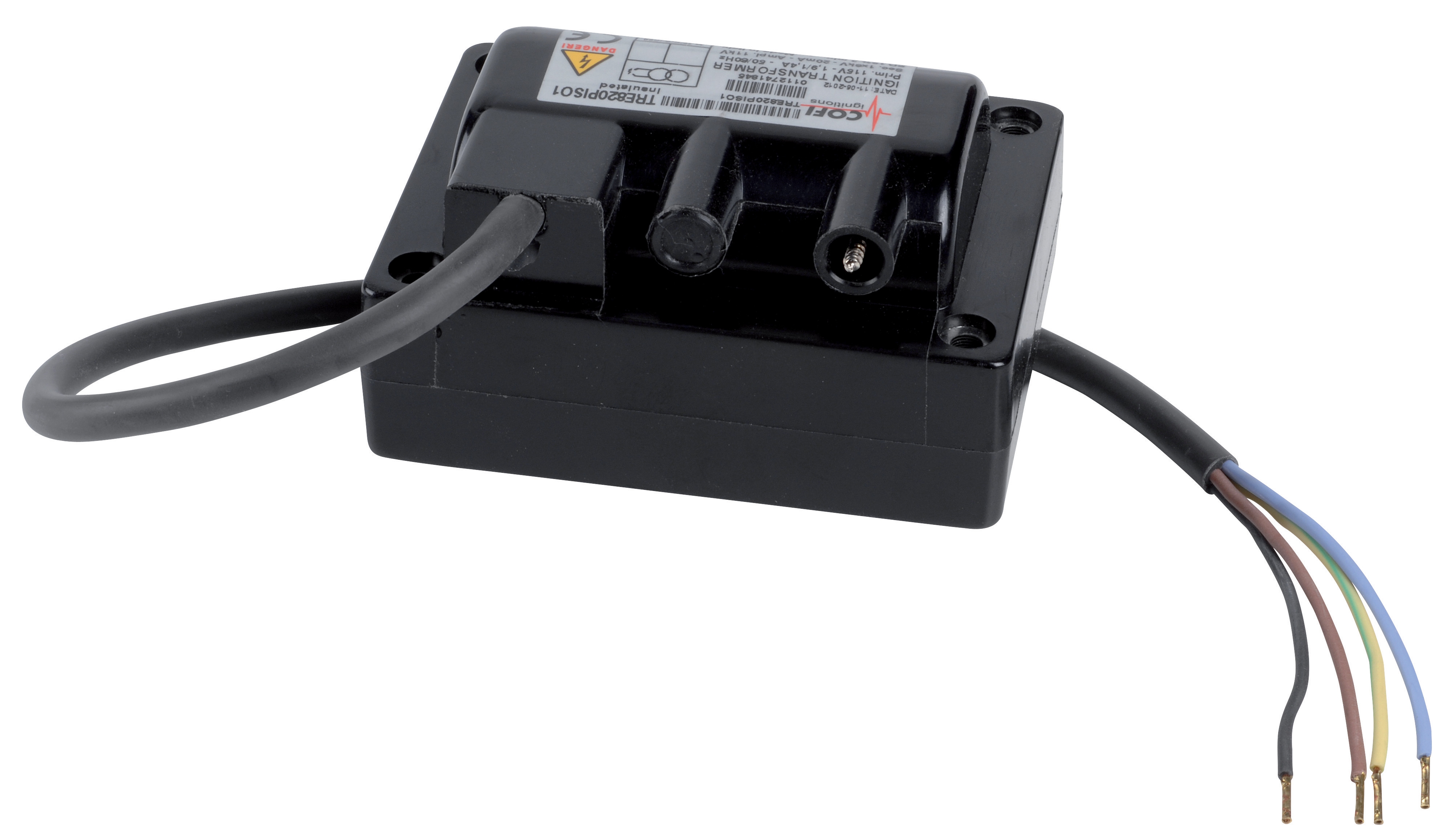
The Cofi Gas transformer TRE 820 Piso1 is a popular choice for Southeast Asian contractors because it's rated for −20 to 85 °C ambient conditions and operates reliably across 50/60 Hz power supplies. When performing maintenance & service on this unit, ensure the 115 V molded cable is protected from moisture exposure. Store the unit in a climate-controlled environment when not installed.
Seasonal Maintenance (Every 6 Months):
- Remove the transformer from service and inspect the 380–440 mm molded cable for visible damage
- If the unit has been exposed to salt spray (common near industrial coastal areas), clean the housing with distilled water and dry thoroughly
- Test the primary winding resistance with an ohmmeter to detect internal insulation breakdown
- Replace the unit if it shows signs of tracking (carbon paths on the insulation surface)
Section 2: Fuel Nozzle and Pressure Regulation Maintenance & Service
Fuel atomization quality directly impacts combustion efficiency and emissions. In Southeast Asia, where fuel quality varies by supplier, nozzle maintenance & service becomes even more critical. Water contamination and particulate matter in fuel are common issues that clog nozzle orifices.
Pre-Season Service (Before Running Season):
- Remove the nozzle from the burner assembly
- Inspect the spray pattern by holding the nozzle horizontally at arm's length and observing the cone angle
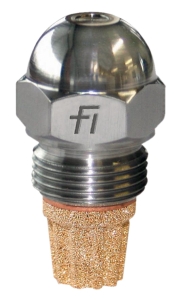
- The CBM Fluidics 1.35 45° SF oil nozzle delivers a consistent 45° spray pattern at 10 bar pressure. Any deviation from this angle indicates internal blockage
- If the pattern is irregular, soak the nozzle in a clean solvent (never use hard water) for 2 hours
- Use a soft brass brush to gently clean the external orifice—never insert hard tools or compressed air directly into the nozzle tip
Your fuel supply system must maintain consistent pressure to ensure proper atomization. The Pratissoli R1/400 regulating valve is designed for high-performance systems and maintains pressure stability across flow variations. When performing maintenance & service:
- Check the regulator adjustment setting monthly—vibration and thermal cycling can cause drift
- Install a pressure gauge at the nozzle inlet to verify actual operating pressure
- The regulator should maintain 10 bar (±0.5 bar) for optimal 45° spray atomization
- If pressure fluctuates more than 1 bar during operation, the regulator valve seat likely needs cleaning or the unit requires replacement
- Verify no fuel leakage at the regulator outlet connection
- Check fuel supply tank level and inspect for water condensation (especially important in tropical humidity)
- Install or replace fuel filters every 500 operating hours—do not exceed this interval
- Drain water from the fuel tank every 2 weeks in high-humidity locations
Section 3: High-Pressure Fuel Pump Maintenance & Service
Many modern HVAC combustion systems use gear pumps to deliver fuel at controlled pressure. These pumps are robust, but they require consistent maintenance & service to avoid premature failure.
Understanding Your Pump System:
The Pratissoli KF30 high-performance industrial pump is engineered by Interpump Group and delivers 106 L/min at 200 bar pressure. For HVAC applications using this pump, maintenance & service focuses on three areas: suction conditions, operational vibration, and discharge pressure stability.
Weekly Operational Checks:
- Listen for unusual noise from the pump—a high-pitched whining indicates cavitation (insufficient fuel supply at the inlet)
- Monitor discharge pressure using an analog gauge; compare readings to design specifications
- Check for leakage around the pump shaft seal—active dripping requires immediate attention
- Verify the pump is drawing fuel from a clean tank with adequate supply line diameter
Hot ambient temperatures increase fuel vapor pressure, making cavitation more likely. To prevent cavitation during maintenance & service operations:
- Keep the fuel supply line as short as possible and maintain a descent angle (no uphill sections)
- Ensure the suction filter has a pressure drop less than 0.3 bar at full flow
- In high-heat environments, consider upgrading to a fuel cooler before the pump inlet
- Never run the pump dry for testing—this causes instant wear to the internal gears
- Inspect the pump inlet filter element; replace if pressure drop exceeds 0.5 bar
- Check all fastening bolts for looseness due to vibration
- Measure the pump's discharge temperature; it should not exceed 60°C under normal operation
- If temperature rises above 65°C, internal wear is occurring and the pump requires professional service
Your pressure regulator works in tandem with the fuel pump. The Pratissoli R1/400 regulating valve handles flows up to 110 L/min and is compatible with KF-series pumps. During maintenance & service:
- Always perform regulator adjustment with the system running at full load
- Static adjustments (with the pump off) will not reflect actual operating conditions
- Allow the system 5 minutes to stabilize before taking pressure readings
- Document all pressure adjustments in your service log for trend analysis
Section 4: Pressure Regulation and Safety Systems Maintenance & Service
Gas-based HVAC systems require pressure regulation at multiple points. Safety relief valves protect the system from overpressurization, and their maintenance & service is non-negotiable.
Safety Relief Valve Maintenance & Service:
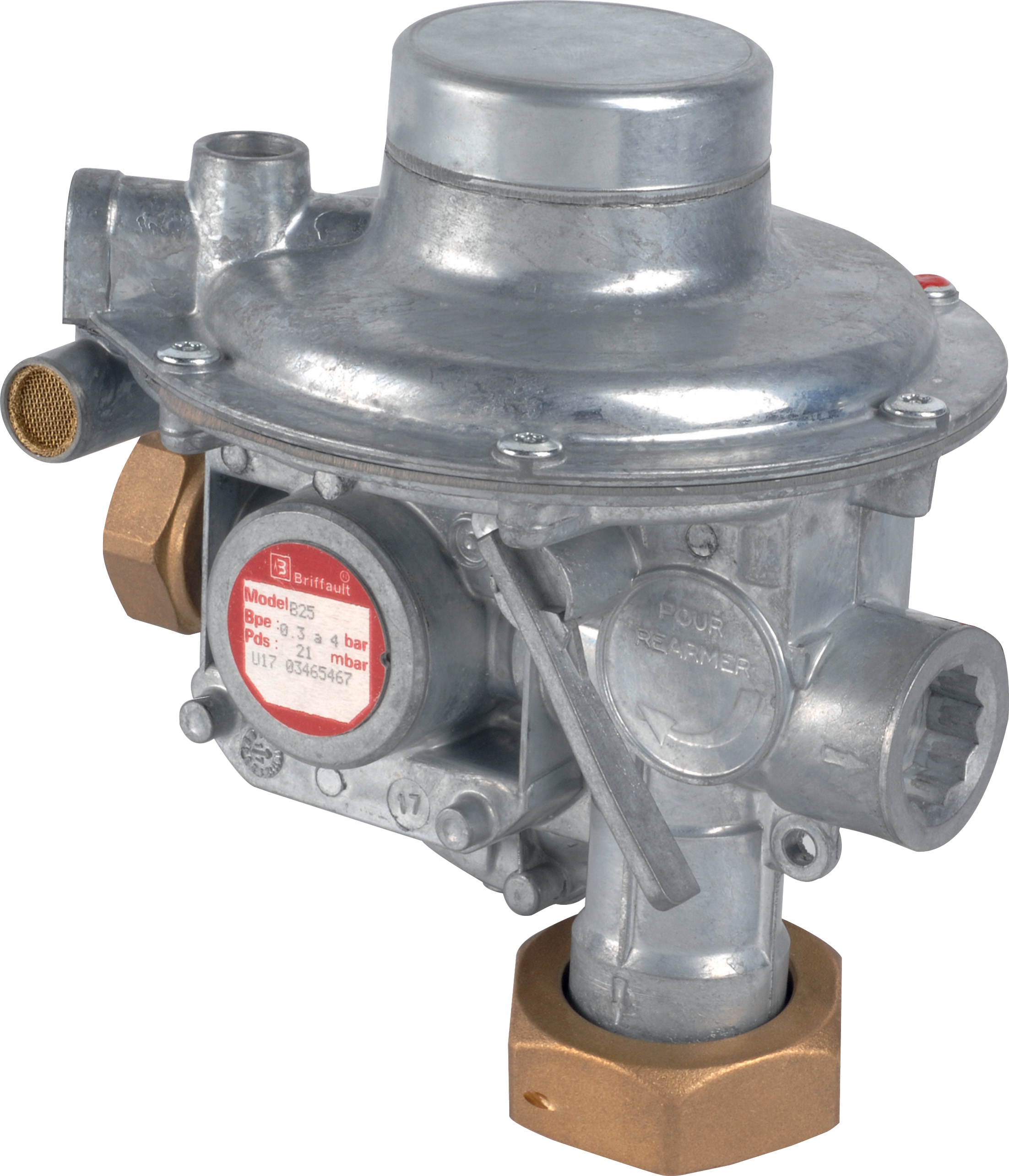
The Francel Pressure regulator B25/37mb with integrated safety relief delivers 37 mbar outlet pressure with a 10 mm vent size. This is a critical safety component that requires documented maintenance & service:
- Monthly: Verify that the vent outlet is clear of obstruction
- Monthly: Check for audible or visible gas leakage from the relief vent—any indication means the valve seat needs cleaning
- Quarterly: Manually trigger the relief valve by carefully increasing inlet pressure; the valve should vent smoothly without sticking
- Annually: Replace the inlet screen element to prevent particle-induced valve sticking
- Perform this test during commissioning and annually thereafter
- Slowly increase system pressure while monitoring for relief venting
- The valve should begin venting at or slightly below the rated pressure
- Do not hold the system at relief pressure for more than 30 seconds
Maintain detailed records for each installation:
- Date of each service visit
- Components inspected and their condition
- Any adjustments made with before/after pressure readings
- Replacement parts installed with serial numbers
- Next scheduled maintenance date
This documentation becomes essential if you ever need to troubleshoot recurring issues and helps you demonstrate compliance with equipment manufacturer warranties.
Seasonal Considerations for Southeast Asia
The tropical climate in Southeast Asia creates specific maintenance & service demands:
High-Humidity Season (May–September):
- Increase ignition transformer inspections to monthly
- Change fuel filters more frequently (every 300 operating hours instead of 500)
- Run combustion analysis more often to detect water contamination in fuel
- Focus on salt spray cleaning in coastal regions
- Inspect all electrical connections for corrosion
- Test ignition voltage output weekly
- Install desiccant breathers on fuel tanks to prevent water condensation
- Use fuel additives during storage periods (3+ months) to prevent sludge formation
- Maintain a parts inventory including spare nozzles, filter elements, and seals
- Train your service team to recognize early warning signs of component degradation
Key Takeaways for HVAC Maintenance & Service Success
Effective maintenance & service for HVAC combustion systems in Southeast Asia depends on:
1. Proactive inspections at monthly intervals—catching problems early prevents expensive downtime
2. Climate-aware procedures that account for tropical humidity and heat stress
3. Precise documentation of all maintenance & service activities
4. Quality replacement parts that match your system specifications
5. Professional testing equipment including pressure gauges, multimeters, and combustion analyzers
Drawing from 35+ years of experience supplying HVAC equipment throughout Southeast Asia, 3G Electric recommends treating maintenance & service as an investment in reliability, not an expense. Contractors who implement these practices consistently report 25–40% reductions in emergency service calls and significantly longer equipment lifespan.
When you're ready to source replacement components or upgrade your maintenance & service toolkit, work with a distributor who understands the regional challenges—not just the equipment specifications.