Understanding High-Pressure Equipment Maintenance & Service Requirements
Maintenance & Service planning for high-pressure industrial equipment represents one of the most critical decision points for procurement engineers. Unlike general equipment maintenance, high-pressure systems operate at the intersection of mechanical stress, thermal cycling, and precision requirements that demand specialized knowledge and strategic component selection.
With 35+ years of experience as an global industrial equipment distributor, 3G Electric has supported thousands of procurement teams in developing maintenance protocols that reduce catastrophic failures, extend component lifecycles, and optimize capital expenditure. High-pressure equipment maintenance differs fundamentally from standard industrial maintenance because component failures often occur without warning, and replacement downtime can cost 10-50 times the component purchase price in lost production.
The foundation of effective Maintenance & Service strategy begins with understanding your system architecture. High-pressure systems typically comprise three critical subsystems: pressure generation (pumps/compressors), pressure regulation and distribution (couplings, manifolds, valves), and application delivery (nozzles, actuators, tools). Each subsystem requires different maintenance approaches, replacement frequencies, and spare parts inventory strategies.
Strategic Component Selection and Preventive Maintenance Planning
Procurement engineers must recognize that Maintenance & Service excellence starts with specification of the correct components during initial system design. Selecting inferior quality pressure couplings or nozzles may save 15-20% on initial capital cost but often generates 300-400% higher lifecycle maintenance costs through premature failures, system contamination, and emergency replacement labor.
Quick Coupling Selection and Maintenance Strategy
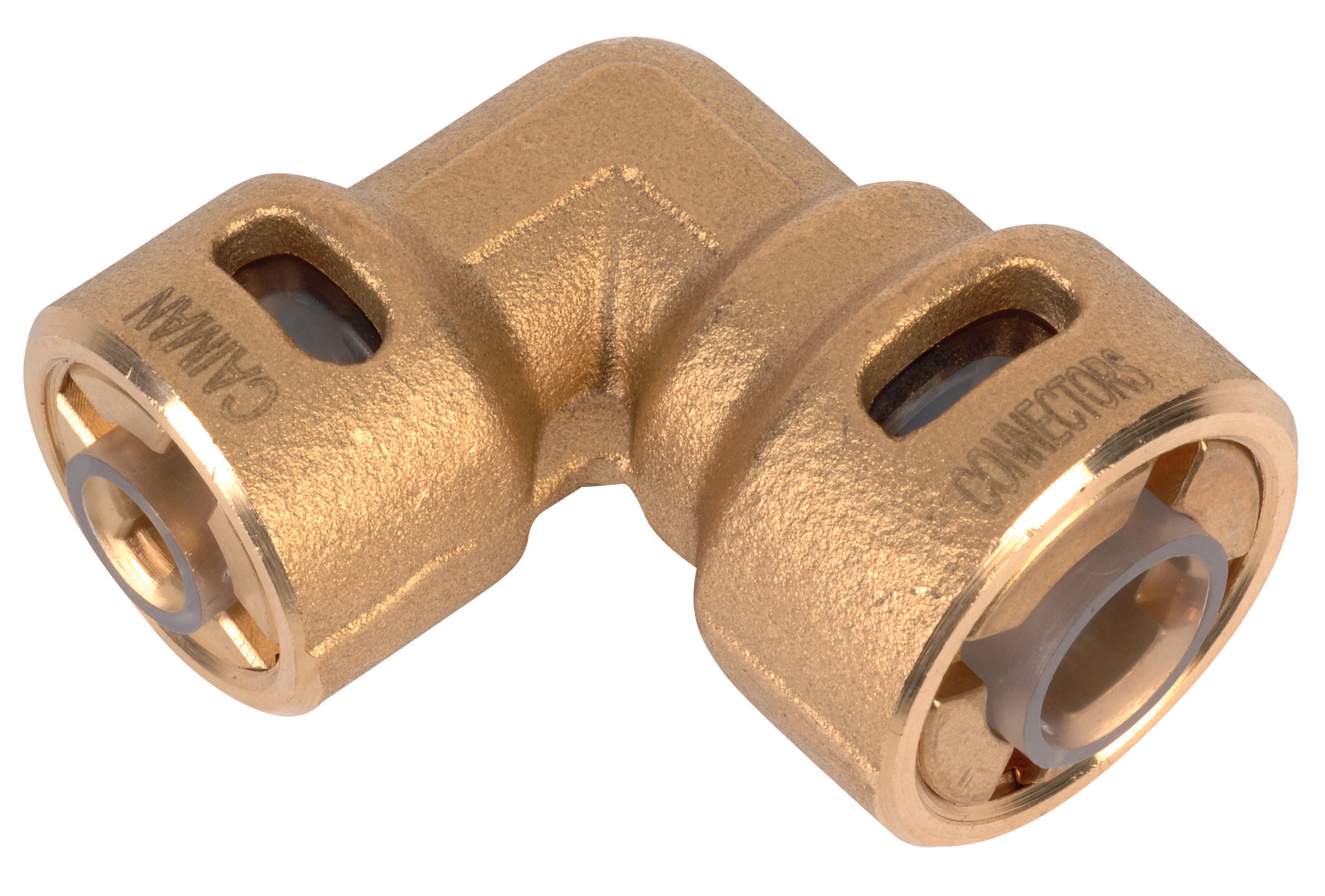
Pressure couplings represent one of the highest-failure components in high-pressure systems because they experience repeated mechanical stress from connection/disconnection cycles combined with pressure cycling. The CBM Quick coupling 90° pressure reduction 1/4*3/8 exemplifies engineered solutions that reduce failure rates by incorporating pressure reduction geometry that minimizes stress concentration points.
When specifying quick couplings, procurement engineers should evaluate:
- Pressure rating certification: Verify coupling pressure ratings exceed system peak pressures by minimum 25% safety margin
- Cycle life expectations: High-quality couplings typically deliver 10,000-50,000 connection cycles versus 2,000-5,000 for inferior designs
- Material compatibility: Confirm coupling materials resist corrosion from system fluids and environmental exposure
- Preventive replacement intervals: Establish scheduled replacement protocols every 18-24 months for couplings in continuous-duty applications
Maintenance practices for couplings include quarterly inspection for external corrosion or seal degradation, immediate replacement upon detection of pressure leakage during connection cycles, and documentation of installation torque values to prevent over-tightening that damages internal seals.
Nozzle Performance and Service Life Optimization
Flat jet nozzles operate at system pressure extremes and experience the highest velocity fluid flow, creating conditions that rapidly degrade internal geometry and reduce spray pattern efficiency. The CBM Flat jet nozzle HP 1/4"M BSPT index 25 angle 15°, CBM Flat jet nozzle HP 1/4"M BSPT index 055 angle 15°, and CBM Flat jet nozzle HP 1/4"M BSPT index 50 angle 40° represent precision-engineered nozzles with different spray angles and flow capacities for specialized applications.
Nozzle maintenance strategy requires understanding that internal erosion occurs continuously:
- Service life expectations: Premium flat jet nozzles typically deliver 500-2,000 operating hours before spray pattern degradation reaches 10% efficiency loss
- Inspection frequency: Establish monthly visual inspection protocols comparing spray pattern consistency and noting any asymmetrical spray distribution
- Condition monitoring: Measure nozzle exit pressure drop monthly; increases exceeding 5-8% indicate internal erosion requiring replacement
- Material selection: Specify hardened stainless steel or ceramic-lined nozzles for abrasive applications; standard brass nozzles suitable for clean fluid systems only
Procurement engineers must establish rotating spare nozzle inventory (minimum 15-20% of active nozzle count) to enable same-day replacement without production delays. Develop relationships with suppliers like 3G Electric who maintain pre-positioned inventory for emergency fulfillment within 24 hours.
System Architecture Assessment and Maintenance Planning
Effective Maintenance & Service protocols require systematic evaluation of your complete system architecture. Many procurement engineers focus narrowly on individual components while missing systemic issues that accelerate failure rates across all equipment.
Installation Configuration and Stress Analysis
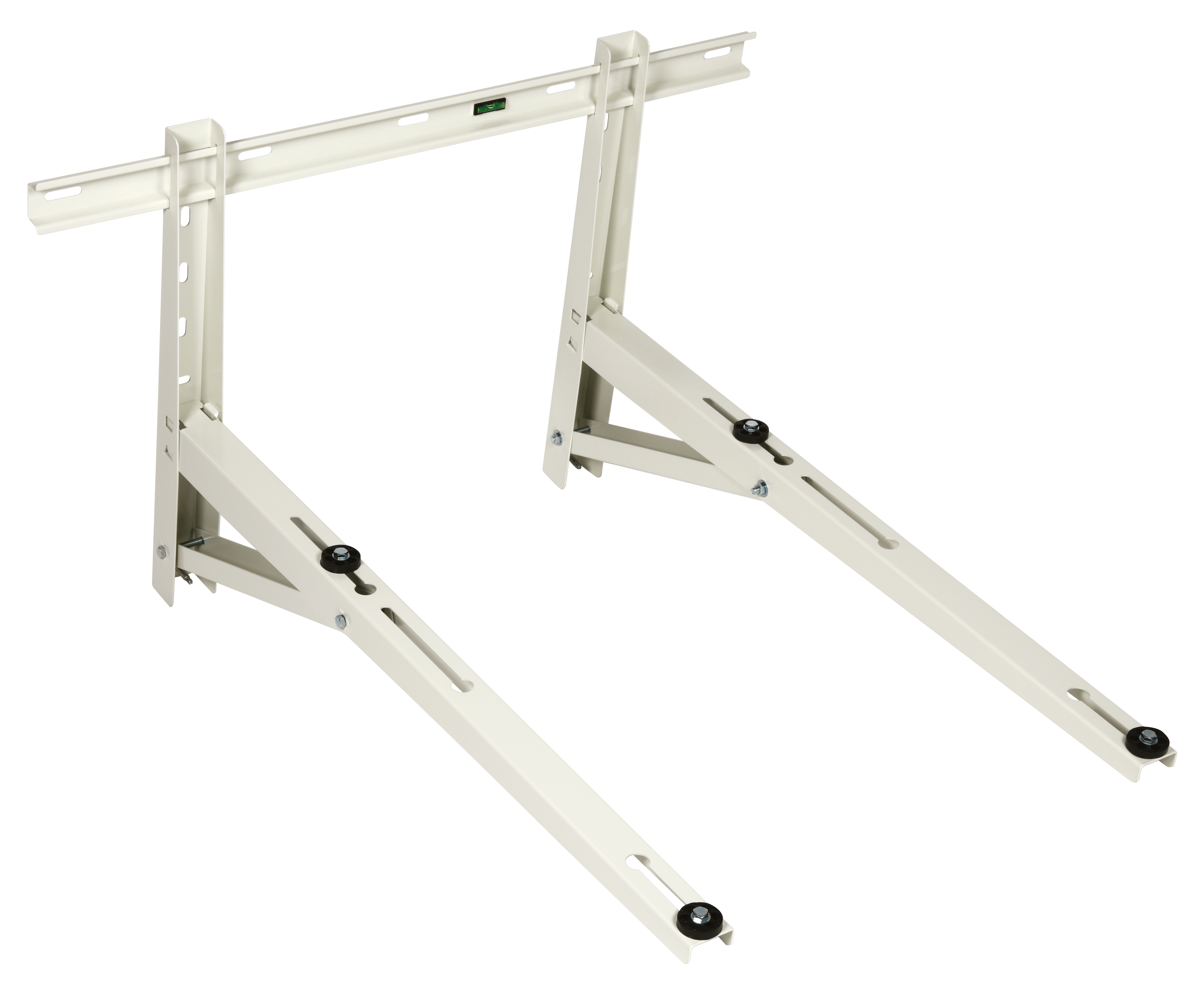
Component mounting and installation geometry significantly impact maintenance requirements and failure rates. The CBM Wall bracket 1000 exemplifies engineered mounting solutions that stabilize pressure equipment and reduce vibration-induced stress on connections and internal components.
When evaluating mounting and installation infrastructure:
- Vibration isolation: Equipment mounted on inadequate brackets experiences 2-3x higher failure rates because vibration stress accelerates seal degradation and micro-crack propagation
- Thermal management: Ensure mounting systems allow adequate heat dissipation; equipment operating 10-15°C above design temperature experiences 30-40% shorter component life
- Accessibility for service: Specify mounting configurations that permit technician access for scheduled maintenance without requiring system shutdown beyond necessary service window
- Pressure line routing: Minimize line bends, routing stress, and unsupported spans; inadequately supported pressure lines experience fatigue cracking within 6-12 months
Approximately 70% of high-pressure system failures originate from fluid contamination that damages precision components. Effective Maintenance & Service strategy must address fluid quality as critical preventive measure:
- Filtration standards: Maintain ISO 4406 cleanliness codes of 16/14/11 or better for standard hydraulic systems; 15/13/10 required for precision nozzle applications
- Fluid analysis schedules: Implement quarterly fluid sampling for systems operating 2,000+ annual hours; detect wear metals, water ingress, and viscosity degradation before failures occur
- Reservoir maintenance: Establish monthly inspection protocols for reservoir breather condition, fluid level verification, and visible contamination assessment
- Filter replacement cycles: Replace pressure filters at 75% of rated pressure differential, not waiting for 100% differential failure; premature filter bypass allows particulate into system
Lifecycle Cost Optimization and Procurement Strategy
Procurement engineers must shift decision-making frameworks from lowest-purchase-price to total-cost-of-ownership analysis. High-pressure equipment Maintenance & Service costs typically comprise 60-75% of total lifecycle cost, making component selection and maintenance strategy the primary cost drivers.
Spare Parts Inventory Management
Develop strategic spare parts inventory that balances carrying costs against downtime risk:
- Critical path components: Maintain 100% redundant inventory for components with lead times exceeding 1 week (pumps, motors, major manifold assemblies)
- High-failure components: Stock 200-300% of monthly consumption rate for couplings, nozzles, and seals; failure rates justify excess inventory
- Seasonal adjustment: Increase inventory by 25-30% prior to peak production periods when unplanned downtime creates maximum business impact
- Supplier partnership: Establish agreements with distributors like 3G Electric for emergency same-day or next-day delivery on critical components
Implement comprehensive maintenance scheduling that establishes clear responsibility and documentation protocols:
- Interval-based maintenance: Create maintenance calendars specifying component replacement at fixed intervals (e.g., couplings every 18 months, nozzles every 12 months)
- Condition-based triggers: Establish monitoring protocols that initiate maintenance upon detection of performance degradation (pressure drop increases, leak detection, efficiency loss)
- Documentation requirements: Require maintenance logs capturing replacement dates, component serial numbers, and observed conditions; identify recurring failure patterns requiring design modification
- Training investment: Allocate budget for technician training on proper installation techniques, seal handling, and pressure-system safety protocols
With 35+ years of experience supporting global operations, 3G Electric recognizes that maintenance excellence correlates directly with procurement team engagement and systematic planning. Organizations implementing disciplined Maintenance & Service protocols achieve 40-60% reduction in unplanned downtime and 25-35% improvement in equipment lifecycle cost performance.
Performance Monitoring and Continuous Improvement
Proactive Maintenance & Service management requires systematic performance monitoring that identifies emerging failure modes before catastrophic equipment damage occurs. Establish key performance indicators (KPIs) that track maintenance effectiveness:
- Mean Time Between Failures (MTBF): Target MTBF improvement of 15-25% annually through component upgrades and process refinement
- Downtime percentage: Monitor unplanned downtime as percentage of total available operating hours; target reduction from industry average 8-12% to optimized 2-4%
- Maintenance cost per operating hour: Track monthly maintenance cost divided by production hours; declining trend indicates successful preventive strategy
- Component failure analysis: Categorize all failures (premature wear, seal degradation, mechanical damage, contamination-induced) to identify systemic improvement opportunities
Partner with experienced distributors who can provide technical support beyond component supply. 3G Electric's technical team offers system audit services, component performance analysis, and maintenance protocol optimization that have helped hundreds of operations significantly reduce total cost of ownership.
Effective Maintenance & Service strategy transforms high-pressure equipment from unpredictable liability into optimized asset generating consistent performance and predictable costs. Procurement engineers who invest in systematic component selection, preventive maintenance planning, and performance monitoring achieve competitive advantage through superior equipment availability and reduced operational complexity.