Gas Valves & Regulation: Sizing and Selection for Singapore's Tropical Industrial Environment
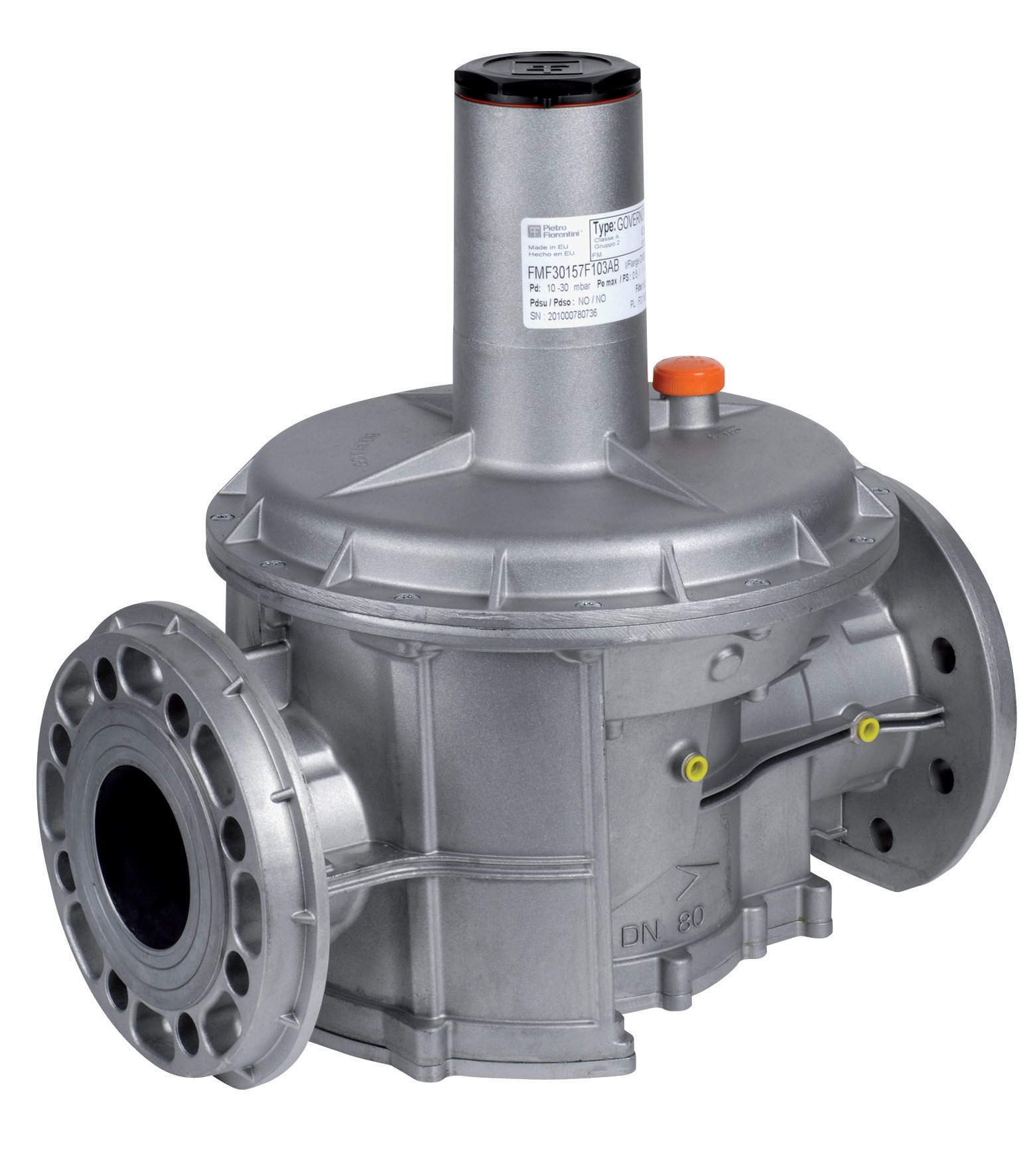
Table of Contentsexpand_more
Understanding Gas Valves & Regulation in Tropical Conditions
Gas Valves & Regulation equipment must perform differently in Singapore's environment than in temperate zones. High ambient temperatures (28–35°C year-round), salt-air corrosion near coastal facilities, and rapid humidity fluctuations create unique stresses on regulator diaphragms, seals, and pilot mechanisms.
With 35+ years of industrial equipment distribution experience, 3G Electric has observed that undersized regulators and mismatched valve types cause 40% of unplanned shutdowns in Singapore's manufacturing sector. This article gives maintenance teams the practical knowledge to specify and maintain Gas Valves & Regulation systems that survive tropical conditions and meet operational demands.
Section 1: Sizing Regulators for Flow Demand and Climate Factors
The Core Sizing Formula
Proper Gas Valves & Regulation sizing starts with matching outlet flow capacity to your system's peak demand—with a tropical safety margin. The baseline calculation is:
Regulator Flow Rating (L/min) = Peak System Demand × 1.3 (Climate Safety Factor)
For example, if your high-pressure cleaning system draws 12 L/min at peak, you need a regulator rated for at least 15.6 L/min. In Singapore's heat, that margin prevents throttling losses and maintains stable downstream pressure even when inlet conditions vary.
Consider the Pratissoli Automatic Pressure Regulator H288, which delivers 20 L/min at 280 bar—a specification that suits medium-scale industrial systems common in Singapore's petrochemical, food processing, and marine sectors. At rated capacity, this unit maintains outlet pressure stability within ±5% across ambient temperatures to 85°C.
Temperature Derating in Practice
Heat reduces regulator performance. Most pilot-operated regulators lose 2–3% flow capacity per 10°C above 25°C. A regulator specified for 20 L/min at 25°C delivers only ~17.4 L/min during a 35°C afternoon shift. Maintenance teams must account for this when sizing:
**Effective Flow = Rated Flow × [1 − (0.03 × Temperature Rise in 10°C Increments)]
In Singapore, always assume 35°C ambient. If your system needs 18 L/min of reliable flow, specify a regulator rated for 22+ L/min.
Pressure Range Selection
Gas Valves & Regulation pressure ratings must match system requirements with headroom. A 280 bar regulator for a 200 bar system provides:
- Safety margin against pressure spikes (common during pump startup)
- Extended seal lifespan (regulators last longer when operating below 70% of max rating)
- Better stability and response time
For high-pressure hose systems like Pratissoli Long Life Sewer Cleaning Hoses ZT06B1000353 or Pratissoli Pilotflex 120 ZT03A0200152, verify that connected regulators can handle the full system pressure plus 20% safety margin. These Italian-engineered hose assemblies withstand harsh cycles, but an undersized regulator downstream will become the weak point.
Section 2: Flange Type, Connection Style, and Installation Complexity
Threaded vs. Flanged Decisions
Singapore's maintenance teams often overlook connection type in favor of pressure specs. This is a costly mistake.
Threaded Regulators (NPT/BSP):
- Advantage: Faster installation, easier field replacement, smaller footprint
- Disadvantage: Require thread sealant maintenance; vibration can loosen fittings over time
- Best for: Mobile equipment, small systems with infrequent maintenance
- Advantage: Permanent, vibration-proof seal; easier to replace without losing pressure; cleaner installation
- Disadvantage: Require ISO flange ports on pump or manifold; higher initial cost
- Best for: Fixed industrial installations, high-pressure systems, plants with frequent valve swaps
For example, the FAG Pressure Regulator with DN40 Flanges (500 mbar, PS 5/300 mbar) is designed for flange mounting and suits gas analysis or low-pressure regulation in control rooms and laboratories. Its flanged design ensures zero leakage over months of operation—critical for precision applications.
Pilot-Operated vs. Direct-Acting Trade-offs
Direct-Acting Regulators:
- Simpler internal design; fewer moving parts
- Lower cost; minimal maintenance
- Work well at low flow rates (<5 L/min)
- Poor stability under variable inlet pressure
- Use inlet pressure to modulate a pilot valve, keeping main diaphragm stable
- Maintain ±2–5% outlet pressure across wide inlet variations
- Handle high flow rates (15+ L/min) smoothly
- More complex; require periodic diaphragm inspection in tropical heat
For Singapore's variable-pressure industrial systems, pilot-operated regulators prevent pressure spikes during pump ramp-up and absorb sudden demand drops without overshooting. They're the standard choice for reliable Gas Valves & Regulation in manufacturing plants.
Section 3: Maintenance Routines and Tropical Corrosion Prevention
Monthly Visual Inspection Checklist
Singapore's salt air and high humidity accelerate corrosion of regulator bodies and fittings. Maintenance teams should perform these checks every 30 days:
- Corrosion Spots: Look for white or rust deposits on brass, steel, or aluminum surfaces. Early surface corrosion can be wire-brushed off; deep pitting requires regulator replacement.
- Seal Weeping: A few drops of oil on the outlet connection is normal; steady dripping indicates a failing diaphragm. Replace immediately.
- Gauge Accuracy: If the outlet pressure gauge reads >±10% off setpoint, the regulator is drifting and needs recalibration or rebuilding.
- Fitting Tightness: Use a wrench to gently confirm all threaded connections are snug. Tropical vibration and thermal cycling loosen fittings.
- Hose Condition: Inspect hoses (especially high-pressure types like Pratissoli ZT06B1000353 or Pratissoli ZT03A0200152) for cracks, bulges, or separation from fittings.
Seasonal Maintenance (Post-Monsoon, Pre-Summer)
Singapore's monsoon seasons bring salt spray and humidity spikes. After each monsoon period:
1. Disassemble the regulator (if pilot-operated) and inspect the diaphragm for salt deposits or corrosion marks.
2. Clean all aluminum or brass parts with a soft brush and light oil.
3. Replace seals if they show hardening, cracks, or mineral buildup. Tropical heat and humidity age seals faster—expect 18–24 month intervals instead of 3 years in temperate climates.
4. Re-test outlet pressure with a calibrated gauge at the same altitude and ambient temperature as your system will operate.
5. Flush the regulator inlet with clean oil or nitrogen to remove accumulated salt particles.
Keeping Performance Logs
Maintenance teams using 3G Electric's 35+ years of industry insight know that written records predict failures weeks in advance. Track:
- Daily outlet pressure readings at the same time each shift.
- Inlet pressure before and after the regulator (pressure drop >5 bar signals internal blockage).
- Flow rate stability (note if the downstream process speed fluctuates unexpectedly).
- Ambient temperature when logged (Singapore's afternoon peaks are 30–35°C; early morning is 23–26°C).
- Maintenance date and work performed.
If outlet pressure drifts upward by >10 bar over a week, the pilot valve is sticking—often due to salt or mineral deposits. Plan a rebuild before catastrophic failure.
Section 4: Component Compatibility and System Integration
Matching Pump Outlets to Regulator Inlets
For high-pressure pump systems like Pratissoli PUMP SRS65 1800 VER V 400V-AC (6 L/min @ 170 bar), the connected regulator must handle the pump's maximum pressure and flow simultaneously.
Critical Rule: Never run a pump at maximum pressure into a regulator sized for lower flow. This causes the regulator to vent excessively through its relief path, overheating the fluid and degrading seals in tropical heat.
Example: The SRS65 pump delivers 6 L/min at 170 bar maximum. A suitable regulator would be rated for at least 8 L/min at 170+ bar. The Pratissoli H288 (20 L/min @ 280 bar) is oversized but ideal—it operates at only 30% of its capacity, ensuring cool running and long seal life in Singapore's heat.
Filtration Before Regulation
Tropical dust and humidity promote particle contamination. Always place a 25-micron filter upstream of the regulator. Particles clog pilot passages, causing pressure drift and erratic outlet flow. 3G Electric's 35 years of field experience shows that filters pay for themselves within two maintenance calls—preventing one regulator rebuild costs SGD 800–1200.
Outlet Pressure Gauge Selection
Use glycerin-filled gauges in tropical environments. Water-based dampening fluid dries out in heat; glycerin-filled gauges remain stable from 20°C to 50°C. Verify gauge range is 0–150% of your normal operating pressure (e.g., for a 200 bar system, specify a 0–300 bar gauge). This prevents needle slamming and extends gauge lifespan to 5+ years.
Conclusion
Gas Valves & Regulation success in Singapore depends on right-sizing for climate, selecting the proper valve type, and committing to maintenance routines adapted to tropical conditions. Work with a trusted distributor—3G Electric's 35+ years serving Southeast Asia means you benefit from lessons learned across thousands of installations.
Choose regulators rated 30% above your system demand, mount them with vibration isolation (tropical humidity plus vibration accelerates corrosion), and inspect seals every 18 months. Your downtime will plummet, and your Gas Valves & Regulation systems will deliver the reliability Singapore's competitive industrial sector demands.