Understanding Gas Valves & Regulation in HVAC Systems
Gas Valves & Regulation form the backbone of safe, efficient HVAC operations. These components control the flow of natural gas or propane to burners while maintaining precise pressure levels that optimize combustion efficiency and equipment performance. For HVAC contractors, understanding how these systems work—from initial commissioning through ongoing maintenance—is essential for delivering reliable installations and minimizing callbacks.
At 3G Electric, we've supplied industrial equipment and controls for over 35 years, and gas regulation represents one of the most frequently specified categories for heating installations. The difference between a properly regulated gas system and a poorly commissioned one often determines whether a heating system operates at peak efficiency or consumes excessive fuel while generating incomplete combustion and excess emissions.
Gas regulation involves multiple components working in concert: pressure regulators control outlet pressure to safe, specified levels; safety relief valves protect against over-pressure conditions; end-of-stroke contacts provide electrical confirmation of valve position; and integrated blocks combine multiple functions into single units. Each component must be selected, installed, and commissioned with precision.
Core Components: Pressure Regulation and Safety Integration
Pressure Regulators and Outlet Control
Pressure regulators are the primary control devices in any gas distribution system serving HVAC equipment. They reduce inlet pressure—typically 7 to 14 inches of water column (WC) from the gas supplier—to the lower, stable outlet pressure required by your burner. Most HVAC applications operate at 3.5 to 4 inches WC, though some high-capacity commercial systems may require different setpoints.
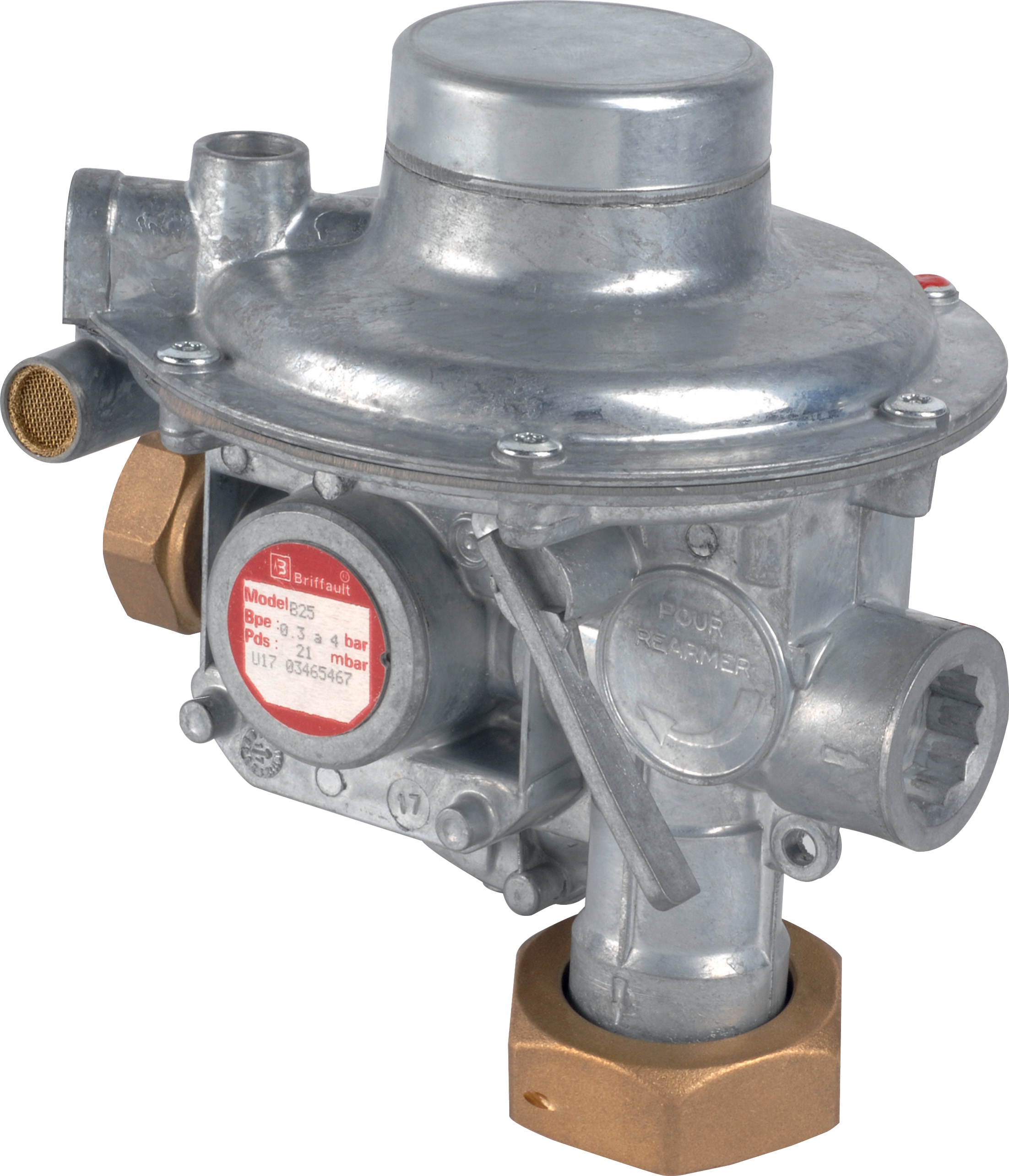
The Francel B25/37mb pressure regulator with integrated safety relief exemplifies modern regulation design. This unit delivers 37 mbar (approximately 1.5 inches WC) outlet pressure with a 10 mm vent size, making it suitable for laboratory and light industrial applications where precise, stable pressure is critical. The integrated safety relief function eliminates the need for separate relief components, reducing piping complexity and potential leak points.
When commissioning a regulator, HVAC contractors must verify:
- Outlet pressure accuracy: Use a calibrated pressure gauge connected to the regulator's test port. Many field failures result from pressure drift—regulators can creep up or down over months of operation, affecting burner air-fuel ratios.
- Vent line configuration: The atmospheric vent must be piped to a safe location away from combustion air intakes. Never cap or block vent lines; pressure buildup can cause regulator failure.
- Inlet pressure stability: Confirm that supply pressure remains constant. Fluctuations indicate upstream issues (faulty utility regulator, partially blocked supply line) that must be resolved before your regulation system can function properly.
End-of-Stroke Contacts and Safety Confirmation
End-of-stroke contacts provide electrical confirmation that a gas valve has reached its intended position—either fully open or fully closed. This feedback is essential for modern HVAC control systems that must verify safe shutdown before allowing system restart.
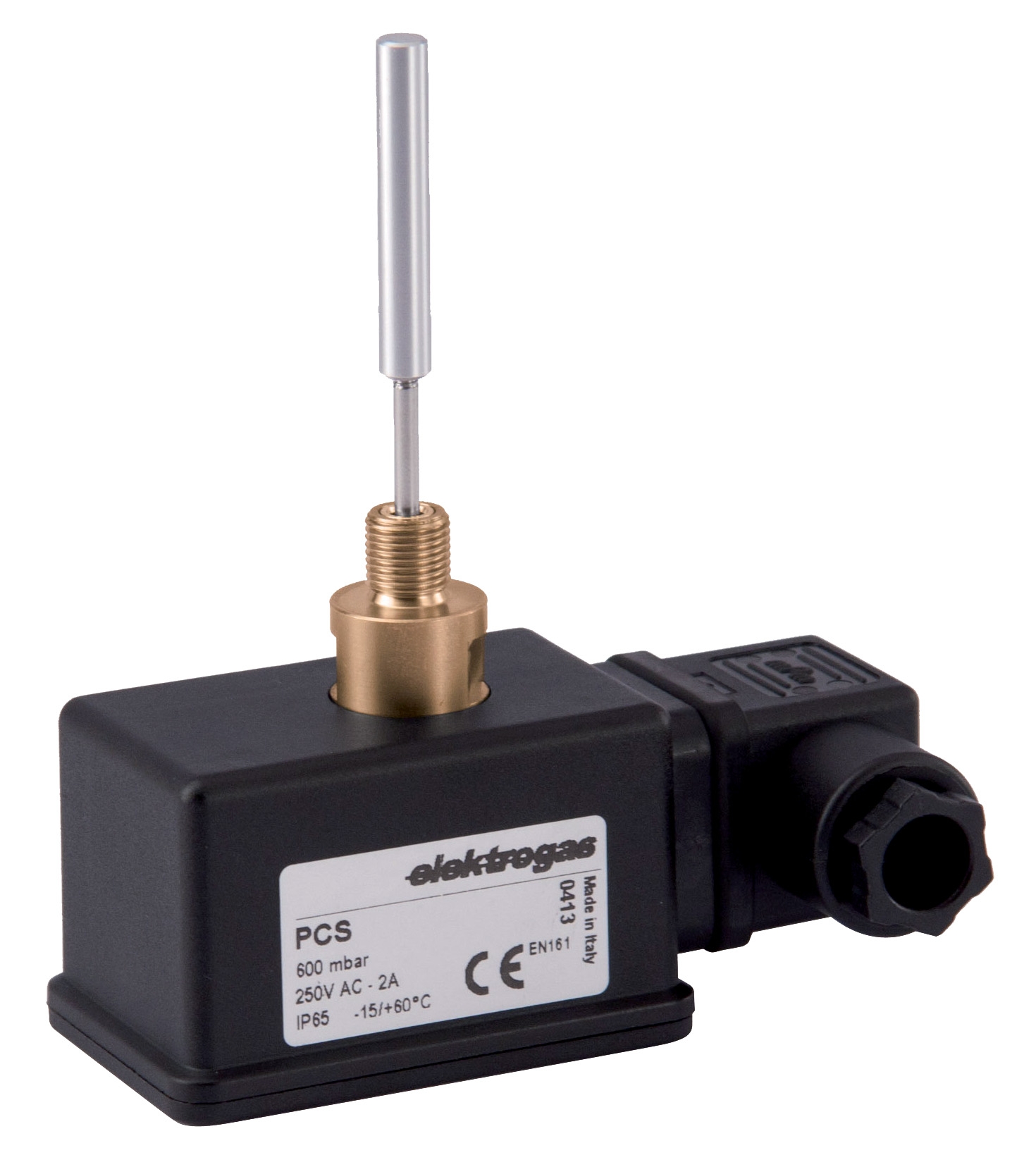
The Elektrogas VMM 20-25 end-of-stroke contact valve, rated for 6 bar pressure and designed to EN 161 standard, represents the type of precision component HVAC contractors encounter in commercial heating systems. This valve requires a 3 mm Allen wrench for adjustment, and proper calibration ensures that the electrical switch closes only when the valve is mechanically verified in position.
Field commissioning of end-of-stroke contacts requires:
- Electrical circuit verification: Confirm continuity through the contact when the valve is fully open, and verify open-circuit when closed. Many control failures trace back to dirty or misaligned contacts.
- Mechanical adjustment: If a contact fails to switch at the correct valve position, adjust the contact arm carefully. Over-tightening can prevent valve travel; under-tightening creates delayed switching that confuses burner controls.
- Safety interlock testing: Verify that your control system responds correctly to contact signals. A valve reporting "closed" should prevent gas flow within 1-2 seconds.
Commissioning Procedures: From Installation to First Fire
Pre-Commissioning Inspection and Pressure Testing
Before any gas flows through your newly installed regulation system, perform a complete physical inspection:
1. Verify all connections are tight using two wrenches (one to hold the body, one to turn the fitting). Hand-tight is not acceptable; pipe connections should require significant tool force to turn further.
2. Inspect all vent lines for proper routing. Vents must slope downward toward the regulator and never be submerged in water or blocked by debris.
3. Check all test ports are capped or plugged when not in use. Open test ports are common sources of gas leaks that go undetected during initial commissioning.
4. Pressure test the entire system at 20 inches WC (if testing only the control system) or per local code requirements. A properly assembled system should hold pressure indefinitely. Any pressure drop indicates leaks that must be located and repaired before proceeding.
Use bubble solution (soapy water) to identify leaks—never use open flame. Mark any leaking connections, then tighten or rebuild them. Retest after each repair.
Outlet Pressure Setting and Burner Commissioning
Once the system is leak-free, adjust the regulator to the manufacturer's specified outlet pressure. This is where precision matters most:
1. Allow the system to stabilize for 2-3 minutes after opening the inlet gas supply. Regulators may exhibit pressure spikes during initial flow.
2. Connect a calibrated pressure gauge to the regulator's test port (or downstream in the burner line, depending on your system design).
3. Adjust the regulator adjustment screw slowly, turning clockwise to increase pressure, counterclockwise to decrease. Most regulators require a screwdriver; the Francel B25/37mb and similar units typically use a single adjustment point.
4. Verify pressure stability by observing the gauge for 1-2 minutes. Fluctuating pressure indicates regulator problems or downstream restrictions.
5. Commission the burner only after pressure is confirmed stable at setpoint. Improper inlet pressure to the burner will cause ignition problems, flame lift, or incomplete combustion.
Field Optimization and Troubleshooting
Common Pressure-Related Issues
Gradual pressure creep: Over weeks or months, outlet pressure slowly increases despite no adjustment changes. This typically indicates internal regulator wear or contamination in the inlet gas. Solution: Replace the regulator; attempting internal repair usually fails because of wear patterns.
Sudden pressure spikes during burner operation: When the burner valve opens and gas flows increases, outlet pressure briefly rises. This indicates a regulator with inadequate flow capacity or sensitivity. Solution: Verify the regulator is sized for your burner's flow rate. Undersized regulators cannot respond quickly to load changes.
Pressure drops under load: Outlet pressure decreases as the burner draws gas, returning to setpoint when the burner closes. This indicates the regulator is on the edge of its capacity. Solution: Size up to the next regulator capacity, or install a low-pressure switch to alert operators when pressure falls below safe minimum.
Vent Line Problems
Vent lines are often overlooked during maintenance, but problems here affect system safety and performance:
- Vent line freezing (in cold climates): Ice can block the vent opening, causing pressure to build inside the regulator and exceed safety limits. Solution: Insulate vent lines and ensure they slope downward with no low points where condensation can collect.
- Vent line debris: Insects, dirt, or construction debris can restrict airflow from the vent. Solution: Install a fine-mesh vent cap and inspect quarterly, especially after construction work nearby.
- Vent line submersion: If a regulator's vent is installed below the water table or in a location prone to flooding, water can enter the regulator and damage internal components. Solution: Relocate the vent line to a higher elevation or add a water trap with drain provision.
Commissioning Pressure Regulators for Different Load Conditions
Modern HVAC systems often operate at part load, cycling the burner on and off. A regulator properly tuned for full-load operation may over-pressure at low flow, or under-pressure during rapid burner restarts. Address this by:
1. Setting the regulator for your minimum stable flow condition, not maximum. This ensures adequate pressure even when the system operates at part capacity.
2. Installing a low-pressure cutoff switch that stops the burner if pressure drops below 2.5 inches WC. This prevents operational issues from undetected pressure loss.
3. Commissioning with the burner operating at steady state (10-15 minutes of continuous firing). This allows the gas supply and regulator to reach thermal equilibrium; pressure may shift slightly once the system stabilizes.
Best Practices for Long-Term Reliability
Documentation and Record-Keeping
Maintain detailed records of every gas regulation system you commission:
- Outlet pressure setpoint and date commissioned
- Inlet pressure from utility supply
- Test port pressures at minimum and maximum burner firing
- Any adjustments made during commissioning, with before-and-after values
- Contact information for the regulator manufacturer and any service parts ordered
This documentation is invaluable when troubleshooting issues years later, and it demonstrates due diligence if regulatory agencies request proof of proper commissioning.
Maintenance Intervals
Even well-installed systems require periodic attention:
- Annual inspection: Verify all connections remain tight, check for gas odor indicating leaks, and visually inspect vent lines for blockage or corrosion.
- Every 2-3 years: Re-measure outlet pressure to verify the regulator hasn't drifted. Many contractors find that 10-15% of regulators in service are out of specification.
- Upon burner malfunction: Always verify regulation system pressure and vent line integrity before concluding the burner itself is faulty.
Selecting Replacement Components
When a regulator fails or requires replacement, 3G Electric supplies components matching the original specifications. The Francel B25/37mb and similar precision regulators from leading manufacturers ensure your replacement systems meet the same performance standards as the original installation.
For systems requiring multiple control functions—regulation plus safety relief plus end-of-stroke contact—integrated control blocks reduce installation complexity and potential leak points. Consult the equipment manufacturer's specifications and your local gas code to ensure component selection complies with current standards.
Conclusion
Gas Valves & Regulation systems are precision instruments that demand careful commissioning and ongoing attention. HVAC contractors who master the fundamentals—proper pressure measurement, vent line configuration, electrical contact verification, and systematic troubleshooting—build reputations for reliable installations and minimal service callbacks. With over 35 years of experience supplying industrial controls, 3G Electric understands that success in HVAC work depends on getting the details right at installation time. Proper commissioning saves money for your customers through improved efficiency and saves time for your service team through fewer callbacks.