Understanding Gas Valves & Regulation in Procurement Context
Gas Valves & Regulation systems are critical infrastructure components that procurement engineers must specify accurately across multiple operational scenarios. Unlike maintenance-focused guidance, procurement engineers need to understand how valve selection, pressure ratings, and integration requirements vary across laboratory, industrial burner, pneumatic, and high-pressure cleaning applications.
With over 35 years of experience as a global industrial equipment distributor, 3G Electric has observed that specification failures typically stem from one critical oversight: procurement engineers specify valves in isolation rather than as integrated systems within their operational ecosystem. A pressure regulator selected for a laboratory gas distribution system operates under fundamentally different conditions than one required for high-pressure pump systems or steam applications. Understanding these distinctions allows engineers to build robust specification matrices that reduce procurement errors, minimize change orders, and ensure first-time compatibility.
This guide addresses the unique procurement challenge: how to systematically specify Gas Valves & Regulation equipment when your facility operates multiple application types simultaneously.
Building Application-Specific Specification Matrices
Procurement engineers should begin by mapping their facility's gas valve applications into distinct categories, each with unique specification requirements. This matrix-based approach prevents the common error of applying single-specification standards across incompatible applications.
Laboratory and Industrial Gas Distribution Applications
Laboratory gas distribution systems require precision pressure regulation with integrated safety relief—a specification entirely different from combustion system applications. When specifying regulators for this application category, procurement engineers must define three critical parameters: outlet pressure requirement, vent capacity, and safety relief threshold.
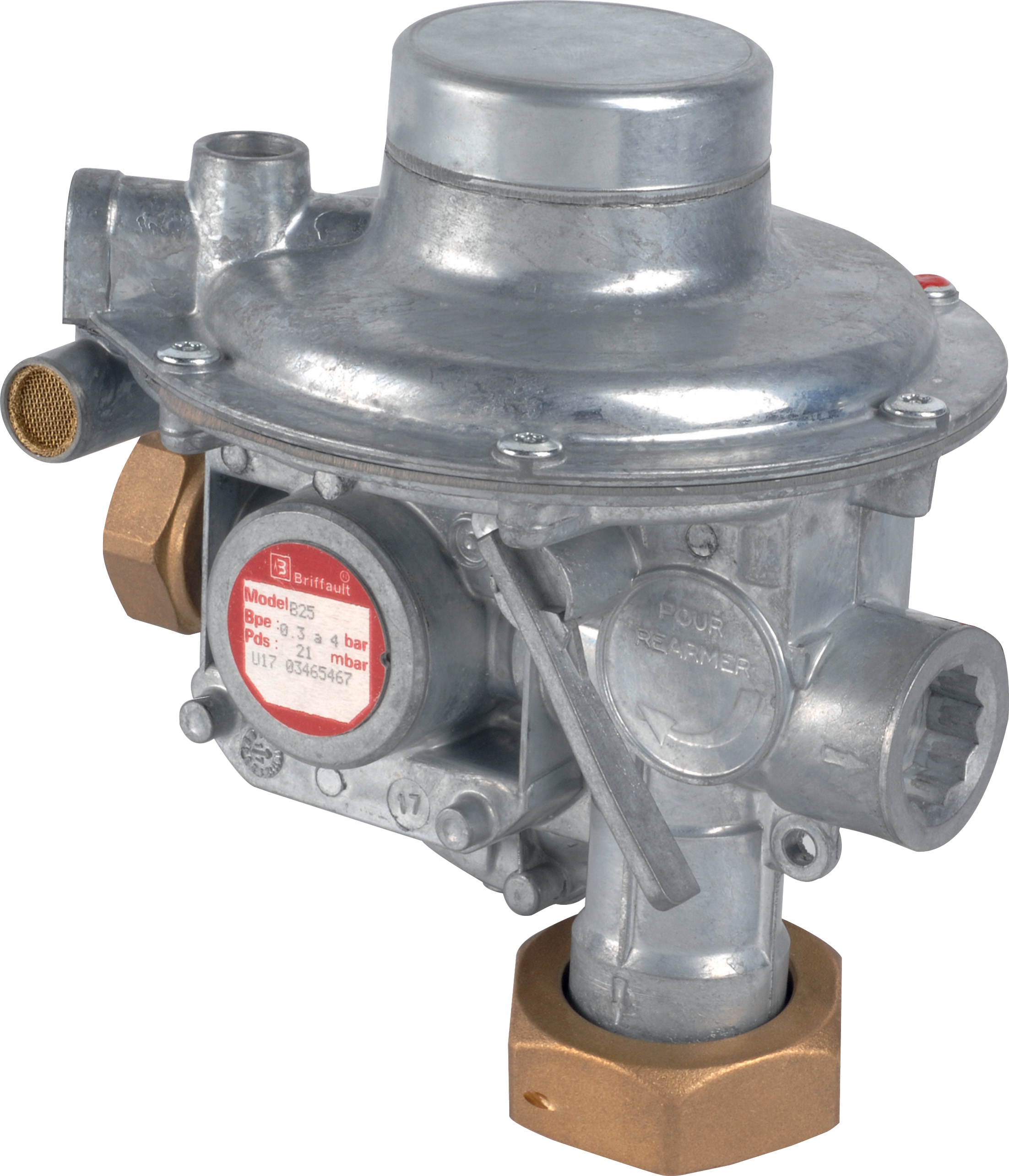
The Francel B25/37mb pressure regulator with safety relief exemplifies laboratory-grade specification. This regulator delivers consistent 37 mbar outlet pressure with a 10 mm vent size, making it suitable for applications where pressure stability and safety containment are non-negotiable. Procurement specification for this category should include: 1) outlet pressure tolerance (±2% or ±5% depending on application sensitivity), 2) vent diameter and connection type, 3) inlet pressure range, 4) material compatibility with supplied gases, and 5) certification requirements (ISO 1234 or equivalent).
When building your specification matrix for laboratory applications, include a row documenting required certifications. Singapore's workplace safety requirements and international laboratory standards often mandate third-party pressure equipment directive (PED) certification or EN 12016 compliance. The Francel regulator satisfies these requirements, but procurement engineers must explicitly call out certification requirements to avoid receiving uncertified substitutes.
High-Pressure Pump System Regulation
High-pressure pump systems operate in fundamentally different pressure and flow environments than laboratory applications. Procurement engineers specifying equipment for these systems must understand pressure differential requirements, flow capacity, and system stability parameters.
The Pratissoli R1/400 regulating valve represents the specification category for high-performance pump systems. This valve is rated to 400 bar with 110 L/min flow capacity, designed specifically for KE, EV, and KT-series pump integration. Your specification matrix for this application category must include: 1) system operating pressure (bar), 2) peak flow requirement (L/min), 3) pump series compatibility, 4) margin between system pressure and valve rating (typically 20-30%), and 5) response time specifications for pressure stability.
A critical procurement decision at this stage involves margin specification. If your facility operates KE-series pumps with typical 350 bar system pressure, specifying the R1/400 (400 bar rated) provides only 50 bar margin. While this may meet minimum standards, procurement engineers should evaluate whether system transients or future capacity increases warrant higher-rated equipment. Building this analysis into your specification matrix prevents the expensive scenario of discovering inadequate equipment after installation.
Pneumatic and Gas Control Applications
Pneumatic systems and end-of-stroke applications operate at lower pressures (typically 6-10 bar) with different response requirements than liquid-pressure systems. The specification approach diverges significantly from high-pressure applications.
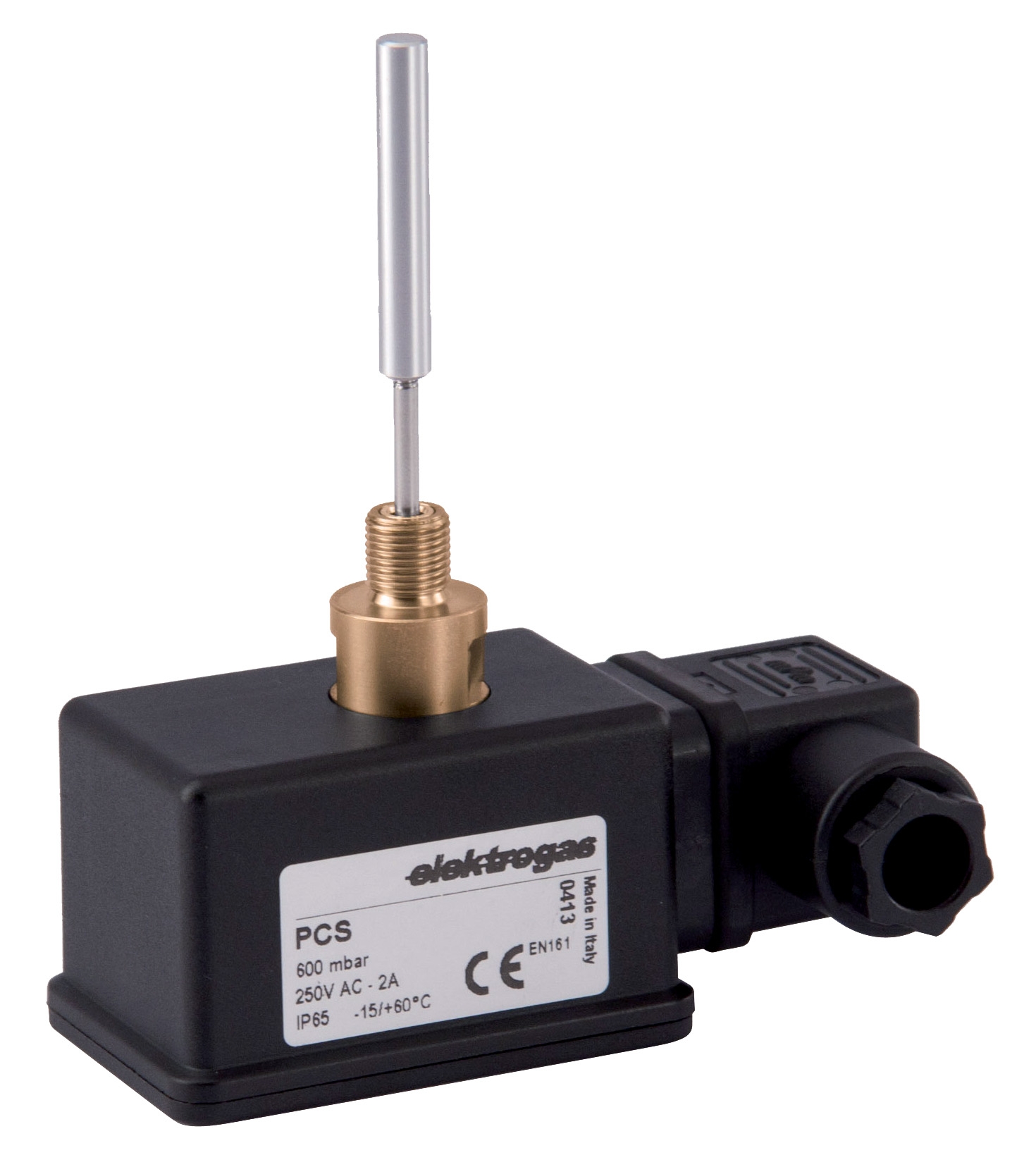
The Elektrogas VMM 20-25 end-of-stroke contact valve operates at 6 bar and includes EN 161 design standard certification. For procurement specification of pneumatic applications, create a matrix including: 1) maximum operating pressure (bar), 2) differential pressure rating, 3) response time (milliseconds), 4) manual adjustment method (if applicable—this valve requires 3 mm Allen wrench access), 5) electrical contact specifications (if solenoid-operated), and 6) standard compliance (EN 161, ISO 4401, etc.).
Procurement engineers often overlook the accessibility requirement during specification. The note that this valve requires 3 mm Allen wrench adjustment means field technicians must have correct tools available, and maintenance procedures must account for this requirement. Include accessibility and adjustment tooling in your specification notes to prevent on-site complications.
Integrating Valve Systems Across Facility Operations
Most industrial facilities operate multiple gas and pressure applications simultaneously. Procurement engineers must specify systems that integrate effectively across this diversity while maintaining inventory efficiency.
Establishing Compatibility Standards
Begin compatibility specification by documenting connection standards for your facility. ISO 4401 (NG10, NG16, NG25 subplate cavity standards) provides one framework; ISO 7241-B or ISO 16028 covers quick-disconnect standards; NPT or SAE flange connections define another category. Your facility may operate multiple standards simultaneously if manufacturing areas differ or legacy equipment remains operational.
Create a specification matrix row documenting connection standards required for each application area. When procurement engineers specify a regulating valve for high-pressure applications, the specification must confirm whether the valve accepts ISO 7241-A quick disconnects (appropriate for cleaning systems) or direct SAE flange mounting (typical for integrated pump systems). The Pratissoli high-pressure sewer cleaning hoses with integrated valves represent a different specification category entirely, as these are complete assemblies rather than discrete components. Procurement specification for these pre-assembled systems requires fewer integration steps but demands careful length, hose diameter, and attachment point verification.
Pressure Range Coverage and Redundancy
Procurement engineers should map facility pressure requirements to available equipment ratings, documenting whether single equipment selection provides adequate margin or whether redundant/alternative specifications are needed.
For example, if your facility operates both laboratory applications (40 mbar maximum) and pneumatic systems (6 bar maximum), you cannot use a single regulator type. Procurement specification matrices should reflect this requirement explicitly. Create separate line items for each pressure class, with equipment recommendations for each. This systematic approach prevents the purchasing department from attempting to source a "one valve fits all" solution that inevitably fits none.
Steam and Specialty Pressure Applications
Steam systems represent a specification category often mishandled in procurement. Standard gas regulators are unsuitable for steam applications due to condensation, temperature cycling, and viscosity differences. Procurement engineers must specify equipment designed for steam service.
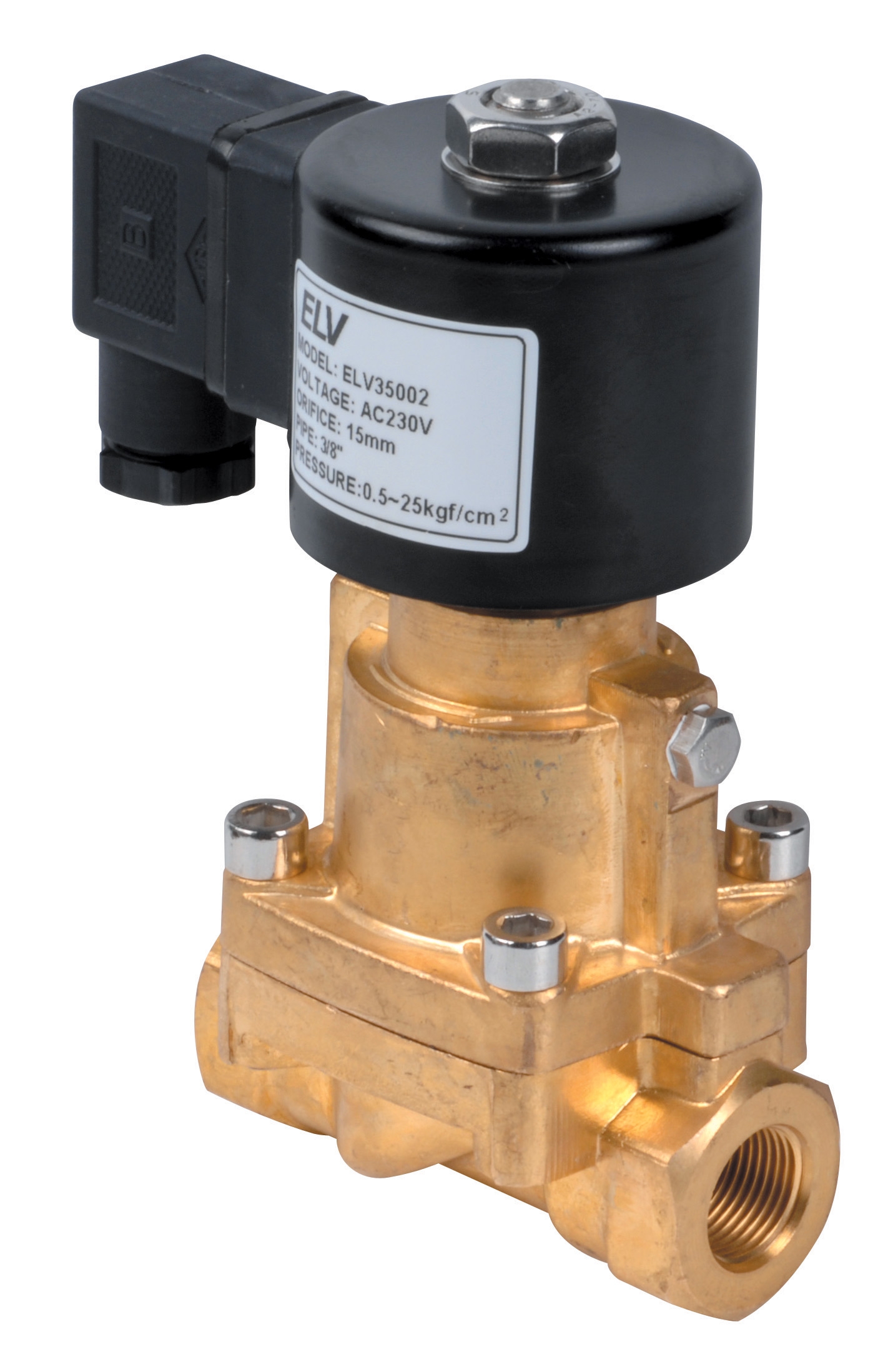
The ELV steam solenoid valve DN 1/2 operates at 0.5–10 bar with 25 bar maximum differential pressure. This valve is specifically rated for steam service and includes 4.5 Cv flow capacity specification. When specifying steam equipment, procurement matrices should include: 1) designed for saturated or superheated steam, 2) materials compatible with steam/condensate corrosion, 3) drain/bleed provisions for condensate removal, 4) temperature rating (saturated steam at 0.5–10 bar operates approximately 80–180°C), and 5) response time suitable for process requirements.
Failure to specify steam-rated equipment results in equipment failure and potential safety incidents. Procurement engineers must explicitly designate steam applications in specification matrices and cross-reference steam-certified equipment only.
Developing Documentation Standards for Specification Handoff
Procurement engineers must create specification documents that enable clear communication with vendors, installers, and operational teams. Building standardized documentation formats ensures consistent, complete specifications across facility expansions or modifications.
Creating Equipment Specification Cards
Develop a standardized specification card format for each valve/regulator type your facility uses. Include: 1) application name and location, 2) operating pressure range and rated pressure, 3) flow capacity or vent size, 4) connection standards and sizes, 5) material compatibility, 6) certifications and standards compliance, 7) manual adjustment/calibration requirements, 8) maintenance interval, and 9) approved alternative equipment (if applicable).
This documentation becomes your institutional specification memory. When facilities expand or equipment requires replacement, procurement engineers reference these cards rather than respecifying from scratch. 3G Electric's 35+ years of experience shows that organizations maintaining specification card libraries reduce procurement lead times by 30-40% and specification errors by 60%+.
Integrating Vendor Technical Data
When procurement engineers receive technical documentation for specified equipment—such as detailed specifications for the Francel B25/37mb with pressure curves and relief setting data—extract the critical parameters into your specification cards. This removes dependence on vendor documentation availability during future modifications or troubleshooting.
Create cross-reference documentation linking your facility's pressure applications to available equipment. When a technician identifies a need for additional regulation capacity in a laboratory area, they should be able to reference documentation immediately identifying approved alternatives and specifying procurement requirements.
Establishing Change Control for Specifications
Procurement engineers should implement formal change control for specification matrices. When facility operations change—new high-pressure pump installations, laboratory expansion, steam system upgrades—procurement engineering must evaluate specification matrix impacts. Document changes with effective dates, affected areas, and new approved equipment lists. This practice prevents situations where installation crews attempt to use outdated specifications.
Optimizing Procurement Economics Within Specification Requirements
Systematic specification matrices enable procurement optimization that single-valve specifications cannot achieve.
Volume Aggregation Across Applications
When procurement engineers map specifications across multiple applications, patterns emerge. If your facility requires six identical pneumatic regulators across different manufacturing areas, combining these into a single procurement action reduces unit costs substantially compared to individual requests. Your specification matrix reveals these aggregation opportunities.
Similarly, creating approved alternative equipment lists within specifications enables procurement to select lower-cost alternatives meeting identical specifications. For high-pressure systems, if both Pratissoli R1/400 and equivalent alternative regulators meet your specifications, procurement can source whichever offers better pricing in any given cycle.
Lead Time Planning Based on Specification Requirements
Different valve types operate on different procurement timelines. Standard pneumatic regulators may stock locally, while specialized laboratory equipment or steam-rated solenoid valves may require 6-12 week lead times. Procurement engineers should document typical lead times in specification matrices, enabling realistic project planning.
When facilities plan maintenance or capacity expansion, procurement engineering can reference specification matrices to identify lead-time-critical items, allowing procurement to begin ordering months before installation, avoiding project delays.
Conclusion
Procurement engineers who move beyond single-valve thinking to systematic specification matrices dramatically improve facility reliability and procurement efficiency. By mapping application-specific requirements, establishing compatibility standards, developing integrated documentation, and leveraging specification insights for economic optimization, procurement teams establish institutional capability in gas valve and regulation specification.
The framework presented here—distinguishing laboratory, high-pressure pump, pneumatic, and steam applications; building compatibility matrices; creating standardized specification cards; and planning procurement economics—represents the systematic approach that prevents the costly errors of incompatible specifications.
As your organization evolves facility operations, maintain and update your specification matrices continuously. This living documentation becomes your institutional knowledge base, enabling consistent, high-quality procurement decisions across all gas valve and regulation applications in your Singapore industrial operations.