Understanding Gas Valves & Regulation in Modern HVAC Systems
Gas Valves & Regulation equipment represents one of the most critical safety components in commercial HVAC installations. With over 35 years of distributing industrial equipment globally, 3G Electric has observed how proper valve selection directly impacts system reliability, maintenance costs, and regulatory compliance across diverse climates and applications.
Two distinct valve architectures dominate the market: integrated pressure relief designs and end-of-stroke contact mechanisms. While both serve essential functions, they operate through fundamentally different control philosophies. Understanding these differences is essential for HVAC contractors who must specify equipment that aligns with building codes, manufacturer requirements, and long-term operational efficiency.
The choice between these technologies affects not only initial procurement costs but also ongoing maintenance protocols, spare parts inventory, and technician training requirements. This guide examines both approaches through a practical lens, enabling informed procurement decisions based on your specific application requirements.
Integrated Pressure Relief Systems: Safety Through Overpressure Protection
How Integrated Relief Regulators Function
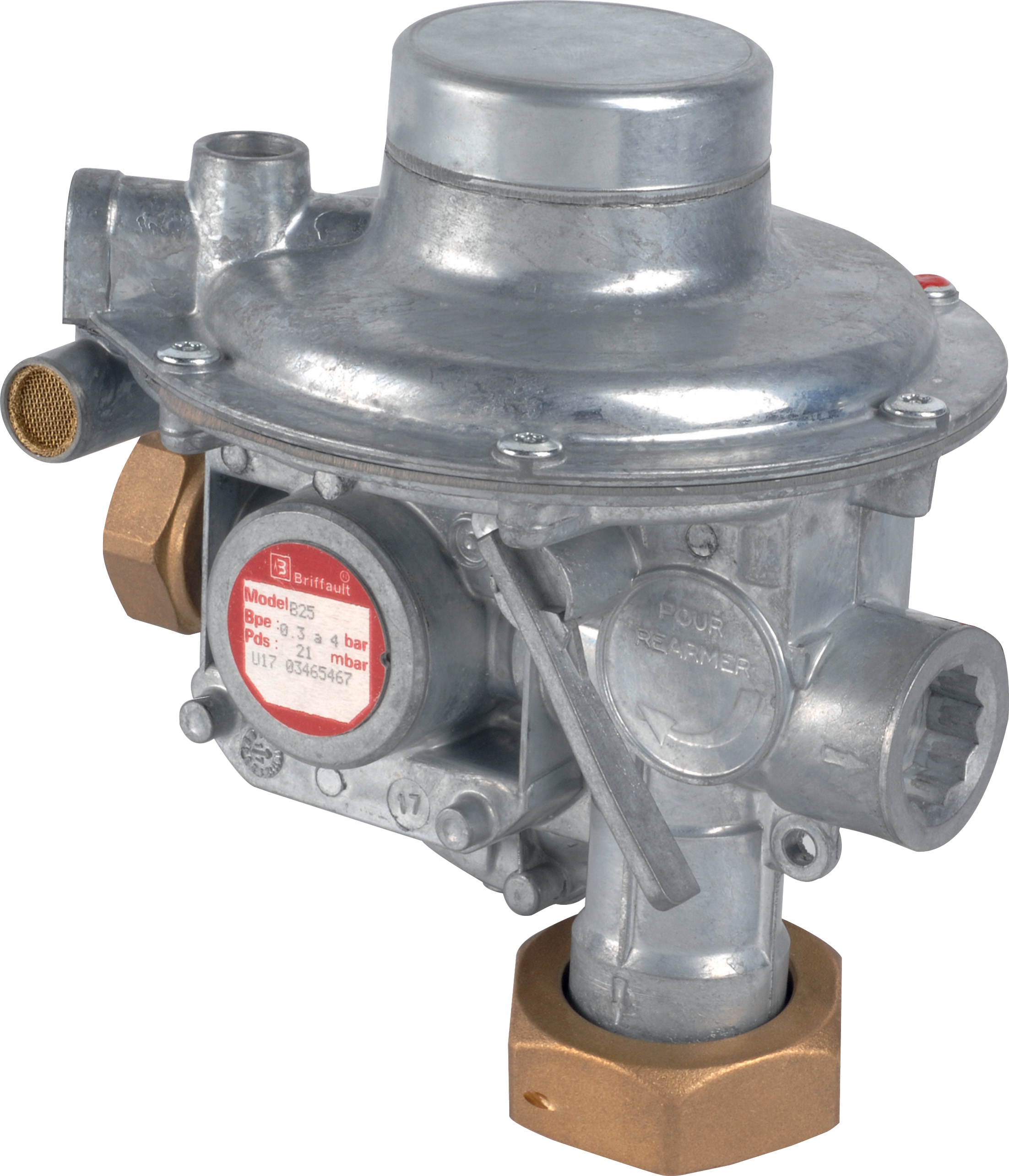
Integrated pressure relief regulators combine output pressure control with built-in safety relief in a single compact unit. These devices maintain a preset outlet pressure while simultaneously protecting the downstream system from overpressure conditions. The Francel B25/37mb pressure regulator exemplifies this design philosophy, delivering consistent 37 mbar outlet pressure with integrated safety relief functionality.
The integrated approach works by venting excess gas when downstream pressure exceeds the relief setpoint, preventing component damage and ensuring consistent burner operation. This mechanical safeguard operates independently of electrical controls, providing passive protection even during power loss or control system failure.
Key Advantages for HVAC Applications
Single-Unit Simplicity: Integrated relief eliminates separate relief valve installation, reducing manifold complexity and connection points where leaks can develop. For HVAC contractors managing multiple installations, this simplified architecture accelerates commissioning and reduces troubleshooting complexity.
Guaranteed Protection: The relief mechanism cannot be bypassed or disabled by downstream component failure. Lab-grade designs like the Francel B25/37mb maintain consistent outlet pressure across varying inlet conditions, critical for stable burner operation in high-efficiency heating systems.
Compact Footprint: Space-constrained mechanical rooms benefit significantly from integrated designs. The 10 mm vent size on the Francel regulator allows field installation in tight equipment racks without requiring additional valve manifold space.
Lower Spare Parts Inventory: Standardizing on integrated relief units reduces the number of distinct valve types requiring shelf inventory across multiple job sites.
Practical Limitations and Considerations
Integrated relief designs function optimally within specific pressure ranges. Systems operating near the regulator's minimum pressure setting experience reduced relief responsiveness. Additionally, if the relief function becomes blocked or fails, the integrated design offers no secondary protection mechanism—replacement becomes necessary rather than relief cartridge substitution.
End-of-Stroke Contact Valves: Precision Control Through Electrical Switching
Operating Principles of End-of-Stroke Designs
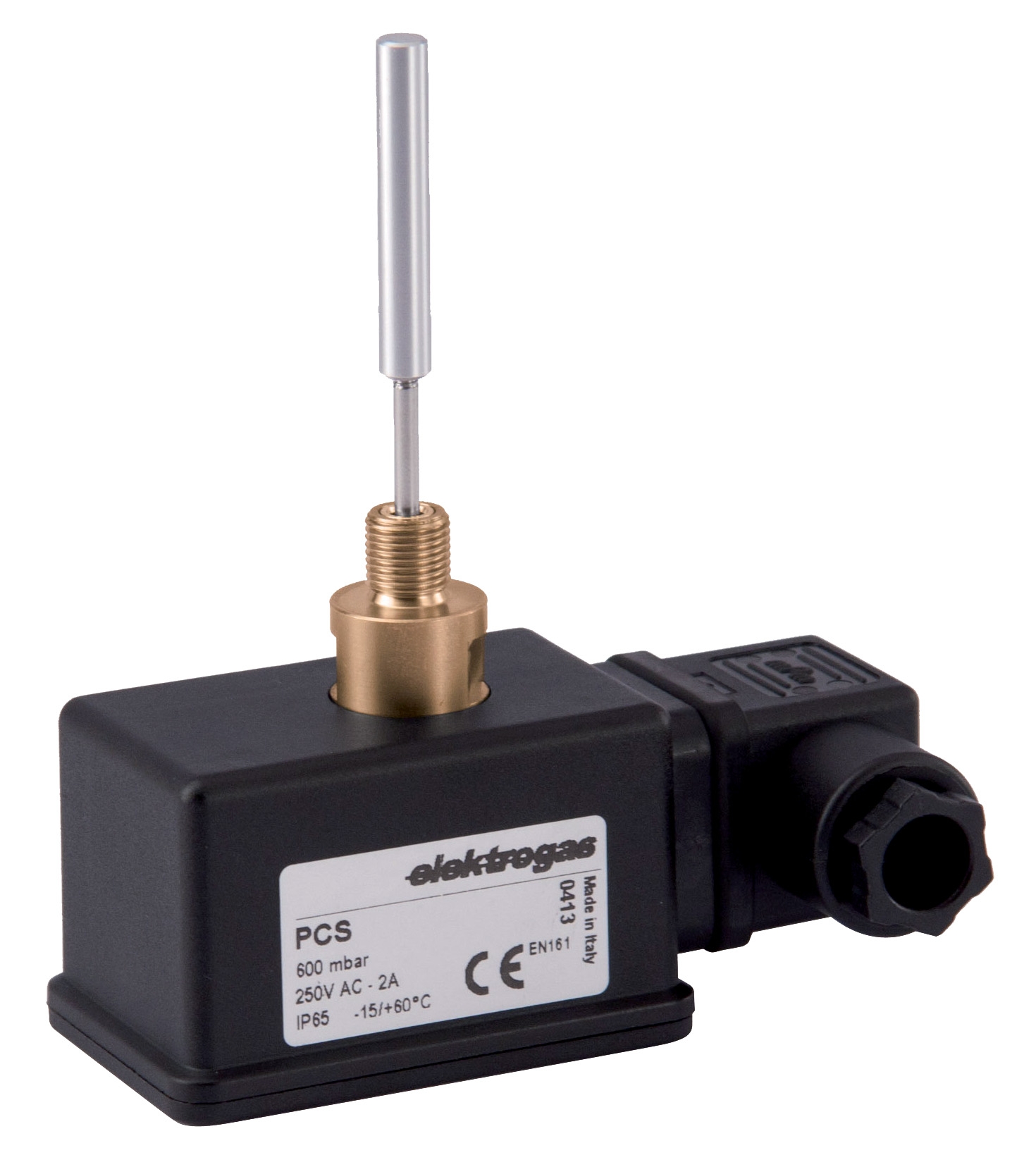
End-of-stroke contact gas valves operate through a fundamentally different mechanism: they provide electrical switching feedback when a burner or damper reaches a predetermined position. Unlike regulators controlling continuous pressure, these valves monitor discrete ON/OFF states and signal control systems accordingly.
The Elektrogas VMM 20-25 end-of-stroke contact valve, rated for 6 bar pressure and designed to EN 161 standard, represents this category's industrial implementation. These devices employ microswitch technology that triggers when actuator rod movement reaches full stroke, providing instantaneous electrical feedback to the central control system.
Operational Advantages in HVAC Control Sequences
Precise Burner Sequencing: End-of-stroke contacts enable confident transition between modulating and high-fire states. When the burner reaches full modulation, the contact signal confirms position rather than relying on timer assumptions, improving combustion efficiency and reducing fuel waste.
Fault Detection Capability: If an actuator jams or fails to reach end-of-stroke, the electrical signal remains absent, triggering control system alarms before operational damage occurs. This feedback mechanism prevents ghost loads and unsafe heating conditions.
Integration with Building Automation: Modern HVAC control systems expect electrical feedback for system diagnostics and energy management. End-of-stroke contacts provide native compatibility with standard BMS protocols without requiring additional sensor conversion modules.
EN 161 Compliance: Elektrogas VMM 20-25 certification ensures compatibility with European and international safety standards, critical for installations requiring third-party inspection or equipment validation.
Field Adjustment and Serviceability
End-of-stroke valves require minimal field calibration—the Elektrogas VMM 20-25 uses a standard 3 mm Allen wrench for adjustment, allowing technicians to recalibrate position feedback without specialized tools. This accessibility reduces service downtime when actuator wear necessitates stroke endpoint repositioning.
Comparative Analysis: Selection Criteria for HVAC Contractors
System Architecture Considerations
Integrated Relief Systems Excel When:
- Passive safety is paramount (remote locations, unmanned equipment rooms)
- Fuel gas supply pressure varies significantly (altitude changes, supply line constraints)
- Mechanical rooms lack electrical infrastructure or UPS support
- Single-point control is preferred (less complex diagnostics)
- Modulating burner control requires position confirmation
- Building automation integration is required
- System diagnostics and predictive maintenance are priorities
- Multiple sequential devices need coordinated operation
Installation Environment Analysis
Mountain regions and high-altitude installations frequently experience fluctuating fuel pressure due to supply line elevation changes and atmospheric conditions. Integrated relief designs like the Francel B25/37mb automatically compensate, maintaining consistent downstream pressure despite supply variations. End-of-stroke contacts provide no pressure regulation, instead relying on separate regulator stages.
Urban commercial installations with modern building automation systems benefit significantly from end-of-stroke contact feedback. Building engineers integrating HVAC data with energy management systems expect standard electrical signals rather than mechanical-only operation.
Maintenance and Lifecycle Considerations
Integrated relief regulators typically require replacement rather than repair when relief function degrades. Over a 15-year system lifecycle, this may necessitate multiple regulator changes. End-of-stroke valves offer superior component longevity—microswitch replacement costs significantly less than full valve substitution, reducing long-term ownership costs.
Technician skill requirements differ markedly: integrated relief diagnostics rely on mechanical testing (pressure gauges, manual vent testing), while end-of-stroke troubleshooting employs electrical multimeters and control system diagnostics. Staff training priorities should align with selected technology.
Practical Specification Examples
High-Efficiency Boiler System (Integrated Relief Approach)
A condensing boiler installation in a 50,000 sq ft office complex requires stable burner pressure across varying outdoor temperatures. The Francel B25/37mb provides consistent 37 mbar outlet pressure, ensuring steady-state combustion efficiency independent of supply pressure fluctuations. The integrated safety relief prevents manifold overpressure during cold-start conditions when inlet pressure spikes. Maintenance protocol: annual safety relief functional test using pressure gauge; replacement every 7-10 years based on relief creep performance.
Modulating Zone System (End-of-Stroke Contact Approach)
A hospital with demand-controlled HVAC requires precise zone damper positioning feedback and modulating burner control. Multiple Elektrogas VMM 20-25 contacts positioned throughout the system signal the BMS when each zone damper reaches minimum or maximum position, enabling energy-efficient partial-load operation. Microswitch adjustment prevents hunting (rapid modulation cycling) by confirming burner position. Maintenance protocol: annual contact cleaning; microswitch replacement every 5-7 years; position recalibration as needed via 3 mm Allen wrench adjustment.
Global Supply and Technical Support
3G Electric's 35-year distribution history provides access to both integrated relief and end-of-stroke contact technologies from established manufacturers including Francel and Elektrogas. Beyond component supply, our technical team offers specification support, helping HVAC contractors navigate pressure range selection, connection compatibility, and installation sequencing.
Integrated relief systems like the Francel B25/37mb with safety address fundamental overpressure protection requirements. End-of-stroke contacts such as the Elektrogas VMM 20-25 provide modern system control feedback. Most complex HVAC systems benefit from combined approaches: integrated relief regulators providing primary pressure control, end-of-stroke contacts enabling sophisticated burner modulation and diagnostics.
Summary: Aligning Technology Selection with System Requirements
The choice between integrated pressure relief and end-of-stroke contact valve designs represents a fundamental architectural decision impacting safety, efficiency, and serviceability. Integrated relief systems provide mechanical safety guarantees and simple field operation, ideal for straightforward applications prioritizing passive protection. End-of-stroke contacts enable sophisticated control, system diagnostics, and building automation integration, essential for modern commercial HVAC systems.
Neither design is universally superior—system requirements, maintenance philosophy, and facility infrastructure should drive procurement decisions. HVAC contractors specifying equipment for high-altitude regions or unmanned facilities prioritize integrated relief functionality. Urban commercial installations with modern building automation systems justify end-of-stroke contact investment for diagnostic capabilities and control precision.
Consult 3G Electric's technical team during specification phase to confirm pressure range compatibility, connection types, and installation sequencing. Proper valve selection during design phase prevents costly mid-project modifications and ensures installations meet safety standards while optimizing long-term operational efficiency.