Understanding Gas Valves & Regulation in Procurement Context
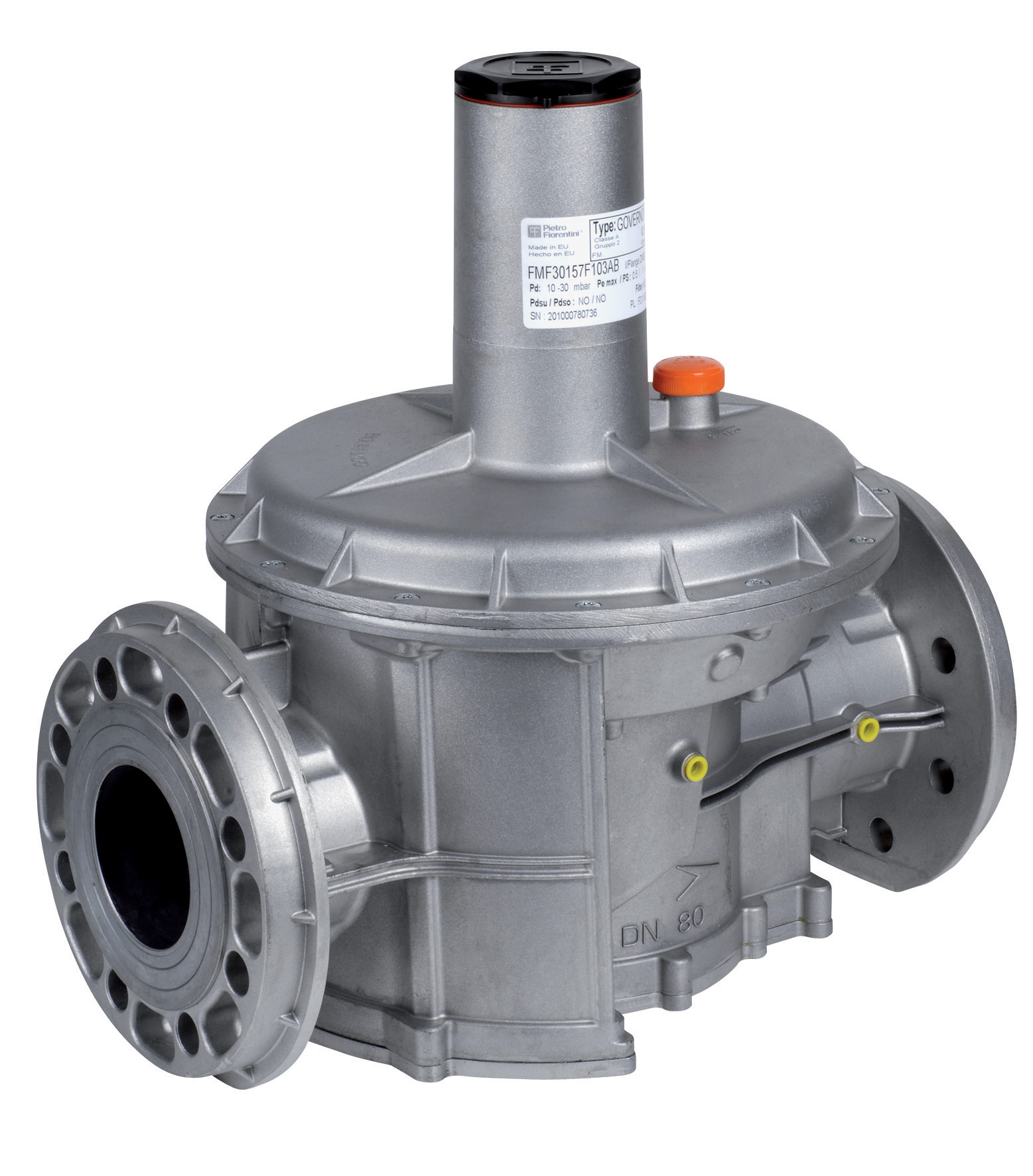
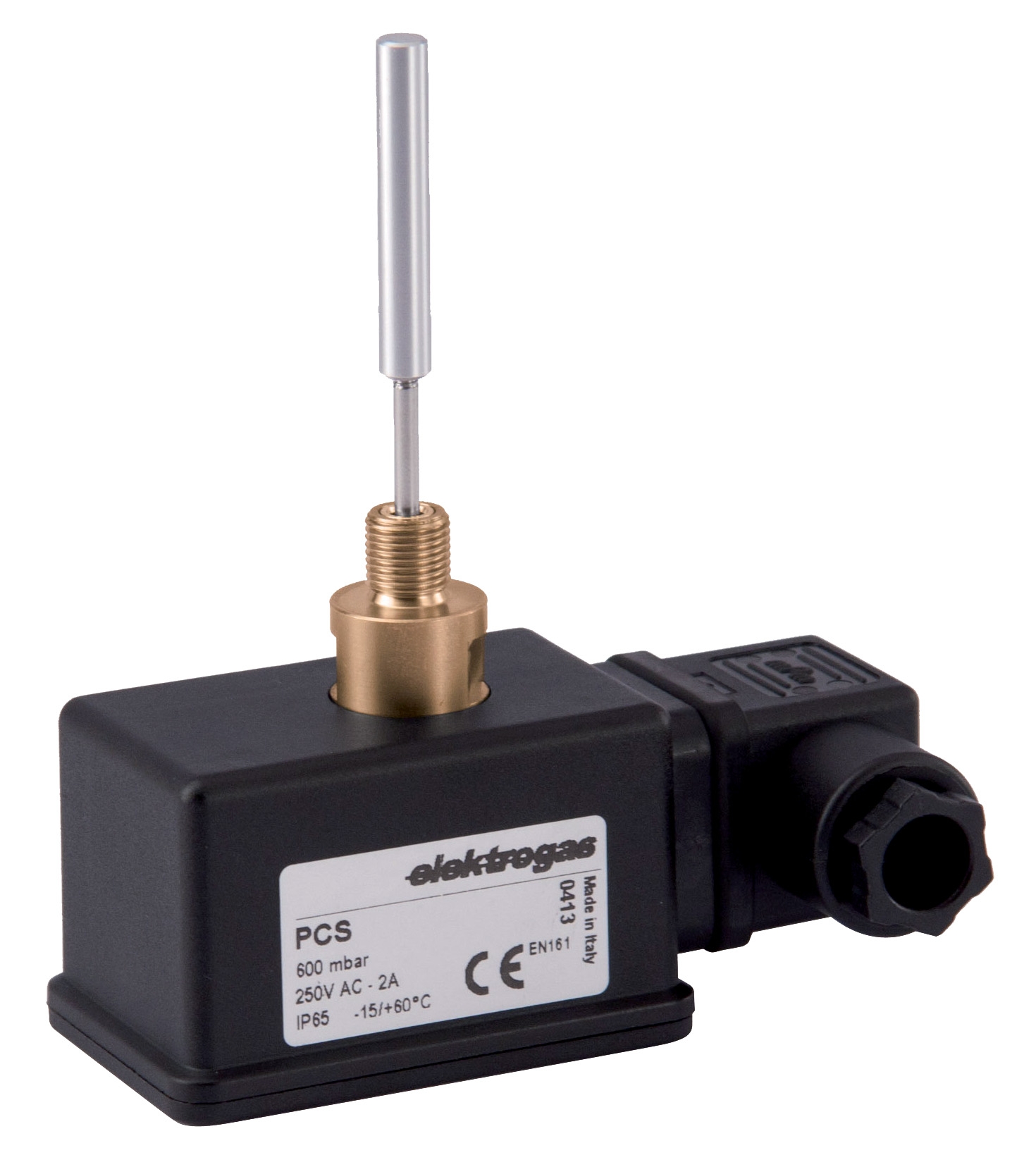
Gas Valves & Regulation systems represent a critical procurement category for Singapore's industrial sector, spanning sectors from petrochemical processing to food manufacturing and HVAC applications. Unlike commodity purchases, sourcing gas valves and regulators demands cross-functional coordination between procurement, engineering, operations, and compliance teams.
With over 35 years of industrial equipment distribution experience, 3G Electric understands that successful procurement of gas control systems extends beyond identifying the lowest-cost option. Procurement engineers must evaluate suppliers based on technical competency, inventory reliability, after-sales support, compliance certifications, and geographic proximity to Singapore operations.
The complexity increases when your facility operates multiple gas streams—compressed air, nitrogen, oxygen, LPG, natural gas, or specialty industrial gases—each requiring different pressure regulation ranges, flow capacities, and safety protocols. A single procurement mistake cascades across maintenance costs, operational downtime, and potential safety incidents.
Building Your Vendor Evaluation Matrix
Technical Capability Assessment
Before engaging vendors, establish your technical requirements specification. This involves identifying:
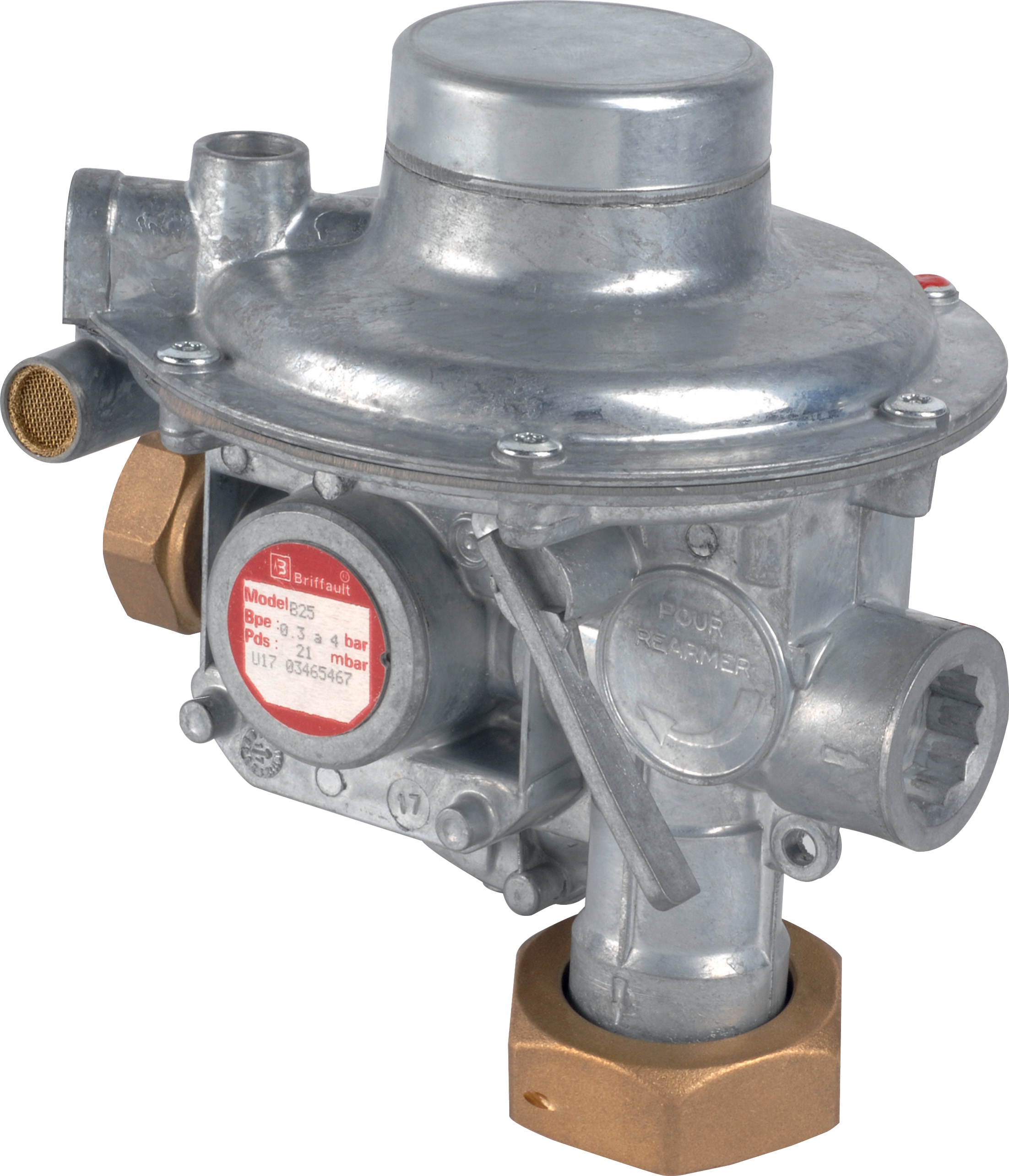
Pressure and Flow Parameters: Document the exact inlet pressure range, required outlet pressure, and maximum flow capacity for each application. For example, the Francel B25/37mb pressure regulator delivers precise 37 mbar outlet pressure with integrated safety relief—critical specifications that must match your lab or industrial gas distribution system requirements.
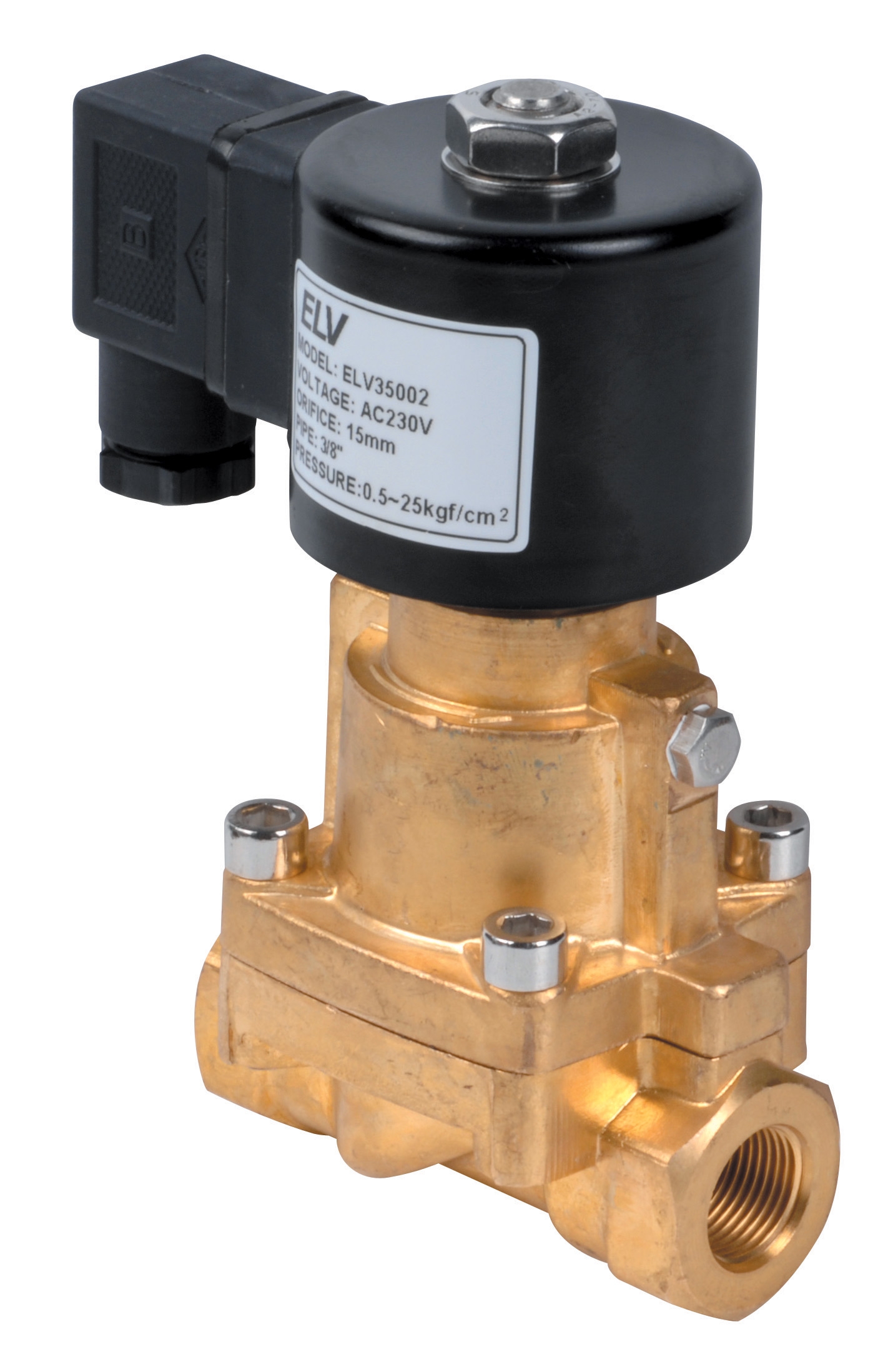
Material Compatibility: Gas type matters significantly. Oxygen systems require different materials than inert gases or steam applications. The ELV steam solenoid valve DN 1/2 operates at 0.5–10 bar with specific design parameters for steam environments—incompatible with other gas applications due to corrosion and reactivity concerns.
Certification and Standards Compliance: Verify that vendors can supply products meeting relevant Singapore standards (SS 618 for gas regulators, SS 2311 for industrial piping) and international standards (ISO 6145, EN 161, CE marking). Create a compliance checklist and request certification documentation upfront.
Installation Footprint: Physical dimensions, connection types (NPT, BSP, JIC), and mounting configurations affect site integration. Request CAD drawings and dimensional specifications during vendor evaluation to prevent installation rework.
Supply Chain Reliability Metrics
Establish quantifiable vendor performance targets:
Stock Availability: Request standard lead times for commonly used items. Vendors maintaining Singapore-based inventory (like 3G Electric's distribution network) typically offer 24–48 hour delivery for standard SKUs versus 4–8 weeks for overseas orders.
Obsolescence Management: Ask vendors about product lifecycle status. Are they discontinuing any models you currently use? What are recommended replacement SKUs? This prevents future sourcing crises when your installed base exceeds component availability.
Technical Support Access: Define your support SLA requirements. Does the vendor provide 24/7 technical hotline support? Can they dispatch on-site technicians for commissioning and troubleshooting? Response time during facility shutdowns directly impacts your production recovery timeline.
Quality Assurance Documentation: Request vendor quality certifications (ISO 9001, ISO 14001) and failure rate data for products you're considering. Compare actual field failure rates across competing vendors—lower failure rates justify premium pricing through reduced maintenance costs.
Total Cost of Ownership (TCO) Analysis
Procurement engineers must move beyond unit price comparison. Calculate TCO across a 5-year operational horizon:
Direct Costs: Purchase price, freight, import duties (if applicable), and installation labor.
Indirect Costs: Preventive maintenance schedules, spare parts inventory carrying costs, troubleshooting labor, emergency service calls, and unplanned downtime.
Hidden Costs: Regulatory compliance failures (fines, operational suspension), safety incidents (liability, insurance premiums), and inefficient pressure regulation (energy waste).
For example, a Pratissoli R1/400 regulating valve rated to 400 bar with integrated monitoring capability may cost 30% more than a basic regulator. However, if the monitored system prevents one pressure excursion event that damages your pump system, the ROI justifies the premium investment.
Structuring Vendor Negotiations and Contracts
Service Level Agreements (SLAs)
Define explicit performance metrics in vendor contracts:
- Order fulfillment: "Standard stock items ship within 48 hours; lead-time items within agreed timeframes"
- Technical support: "Critical system support available within 4 hours; non-critical within 24 hours"
- Defect warranty: "All products carry 24-month material defect warranty; customer-induced failures excluded"
- Product obsolescence notice: "Minimum 12 months notification before discontinuing any product line"
Volume Commitments and Pricing
Negotiate tiered pricing based on annual purchase volume projections. Provide vendors with:
- Rolling 12-month forecast of expected purchases
- Long-term strategic plans (facility expansions, new production lines)
- Multi-year framework agreements locking in pricing for predictable SKUs
Vendors with Singapore-based distribution (like 3G Electric) can offer competitive pricing for volume commitments because they optimize inventory carrying costs and logistics.
Technical Collaboration Clauses
Include provisions for vendor support during critical phases:
- System commissioning: Vendor technical team participates in startup verification
- Troubleshooting assistance: Vendor provides diagnostic support for field issues
- Training: Vendor delivers operator and maintenance team training on installed systems
- Change notifications: Vendor proactively alerts you to product improvements, safety bulletins, or regulatory updates
Comparative Evaluation Framework
Shortlisting Qualified Vendors
Start with vendors meeting minimum threshold criteria:
- Licensed distributor status in Singapore or ASEAN region
- ISO 9001 quality certification
- 3+ years proven track record in your industry sector
- Ability to supply required certification documentation
- 24-hour emergency support availability
Rating Scorecard Development
Create a weighted scorecard evaluating finalists across key dimensions:
Technical Capability (30% weight)
- Product range breadth and depth
- Application engineering support quality
- Custom configuration capabilities
- Stock availability and lead times
- Geographic proximity and logistics efficiency
- Forecast flexibility and order modification capability
- On-site technical support access
- Training and documentation quality
- Warranty and after-sales service SLAs
- Unit pricing competitiveness
- Volume discount structure
- Payment terms flexibility
- Total cost of ownership advantage
Weight each category according to your organizational priorities. A facility operating critical life-safety systems may weight Support and Service at 40% versus 25%, while a cost-sensitive operation may prioritize Commercial Terms at 25%.
Reference Checks and Site Visits
Request references from vendors for comparable installations. Contact end-users directly and ask about:
- Actual reliability and failure rates experienced
- Quality of technical support during commissioning and operations
- Speed of issue resolution when problems occurred
- Whether they would recommend the vendor for similar applications
- Any hidden costs or contract surprises
Arrange facility visits to vendor distribution centers if evaluating major suppliers. Assess their inventory management, quality control processes, and technical staff expertise firsthand.
Managing Long-Term Vendor Relationships
Continuous Performance Monitoring
Once you've selected suppliers, implement quarterly performance reviews tracking:
- On-time delivery percentage
- Order accuracy and shipping error rates
- Technical support response times and resolution rates
- Product quality and field failure rates
- Contract compliance and SLA adherence
Share these metrics with vendors and discuss improvement opportunities. This transforms your relationship from transactional purchasing to strategic partnership.
Risk Mitigation Through Dual Sourcing
For critical gas valve and regulation components, consider dual-sourcing strategies:
- Primary vendor provides 70% of volume
- Secondary vendor maintains 30% allocation, ensuring production continuity if primary vendor experiences supply disruptions
- Cross-qualify both vendors on identical technical specifications
- This strategy adds 10–15% cost premium but eliminates single-source dependency risk
Regulatory Compliance Tracking
Designate a compliance owner who:
- Maintains current file of all product certifications and compliance documentation
- Monitors Singapore regulatory changes (Building and Construction Authority, Ministry of Manpower safety requirements)
- Tracks vendor compliance bulletins and product safety alerts
- Coordinates with operations team on compliance-driven product changes
Practical Tools and Resources
Develop standardized templates to streamline your vendor management process:
Technical Specification Template: Document pressure ranges, flow rates, connection types, materials, certifications, and environmental conditions for each application type in your facility.
Vendor Evaluation Scorecard: Create weighted scoring matrix customized to your facility's priorities, allowing consistent evaluation across multiple vendors.
RFQ Template: Include technical specifications, volume forecasts, required certifications, delivery timeline expectations, and support requirements—ensuring all vendors respond to identical requirements.
Supplier Agreement Template: Establish contract framework addressing SLAs, pricing, volume commitments, technical support, and compliance obligations.
These tools ensure consistent procurement practices, reduce evaluation time, and create clear expectations with suppliers.
Conclusion
Successful Gas Valves & Regulation procurement extends beyond selecting the cheapest available product. By implementing structured vendor evaluation, establishing clear performance metrics, and developing strategic long-term relationships with qualified suppliers, procurement engineers optimize system reliability, control total costs, and ensure regulatory compliance.
3G Electric's 35+ years in industrial equipment distribution reflects the value of supply chain stability, technical competency, and customer-focused support. When evaluating vendors for your gas valve and regulation systems, prioritize suppliers demonstrating these same characteristics—investing in partnership rather than simply purchasing commodities.