Understanding Gas Valve Maintenance Requirements
Gas Valves & Regulation equipment protects both personnel and assets in industrial operations. Unlike one-time installation, these components demand ongoing attention through structured preventive maintenance. Maintenance teams working with gas distribution systems must understand that valve performance degrades gradually—often invisibly—making scheduled inspections essential rather than optional.
At 3G Electric, we've supported Singapore's industrial facilities since 1990, and our experience shows that preventive maintenance reduces unexpected shutdowns by 60-75% compared to reactive repair approaches. Gas valves operate under continuous pressure cycling, temperature fluctuations, and exposure to trace contaminants in gas streams. Each cycle creates microscopic wear on sealing surfaces, internal springs, and adjustment mechanisms. Without systematic intervention, these degradation patterns compound until sudden failure occurs during critical operations.
The stakes are particularly high in Singapore's dense industrial corridors, where facility downtime cascades across neighboring operations and supply chains. Your maintenance team sits at the intersection of safety compliance and operational continuity—making evidence-based inspection protocols your most valuable tool.
Developing Your Preventive Maintenance Schedule
Monthly Visual Inspection Protocol
Monthly inspections are your frontline defense and require minimal equipment investment. Maintenance teams should document these observations in a standardized log:
- Visual integrity check: Examine valve bodies for visible corrosion, discoloration, or frost accumulation (indicating internal leakage). Take dated photographs for trend tracking.
- Connection point examination: Look for seepage around threaded connections, flanges, and pilot lines. A single drop per minute may seem insignificant but represents 1,440 drops daily.
- Pressure gauge readings: Compare current readings against baseline values recorded during commissioning. Unexplained pressure increases of 5-10% often precede pressure relief valve failures.
- Auditory assessment: Listen for hissing sounds indicating micro-leaks or chattering indicating valve hunting (pressure oscillation). Use a mechanic's stethoscope for precise location identification.
- Safety vent inspection: Verify that safety relief vents remain unobstructed. Accumulated dust, paint overspray, or debris can prevent proper function during emergency conditions.
Quarterly Performance Testing
Every three months, escalate your inspection to functional verification:
- Pressure regulation stability: Introduce a calibrated digital pressure gauge downstream of regulators. Monitor pressure stability over a 15-minute period. Acceptable variance is ±2% of set pressure. Variations exceeding ±5% indicate internal leakage or seal degradation requiring component replacement.
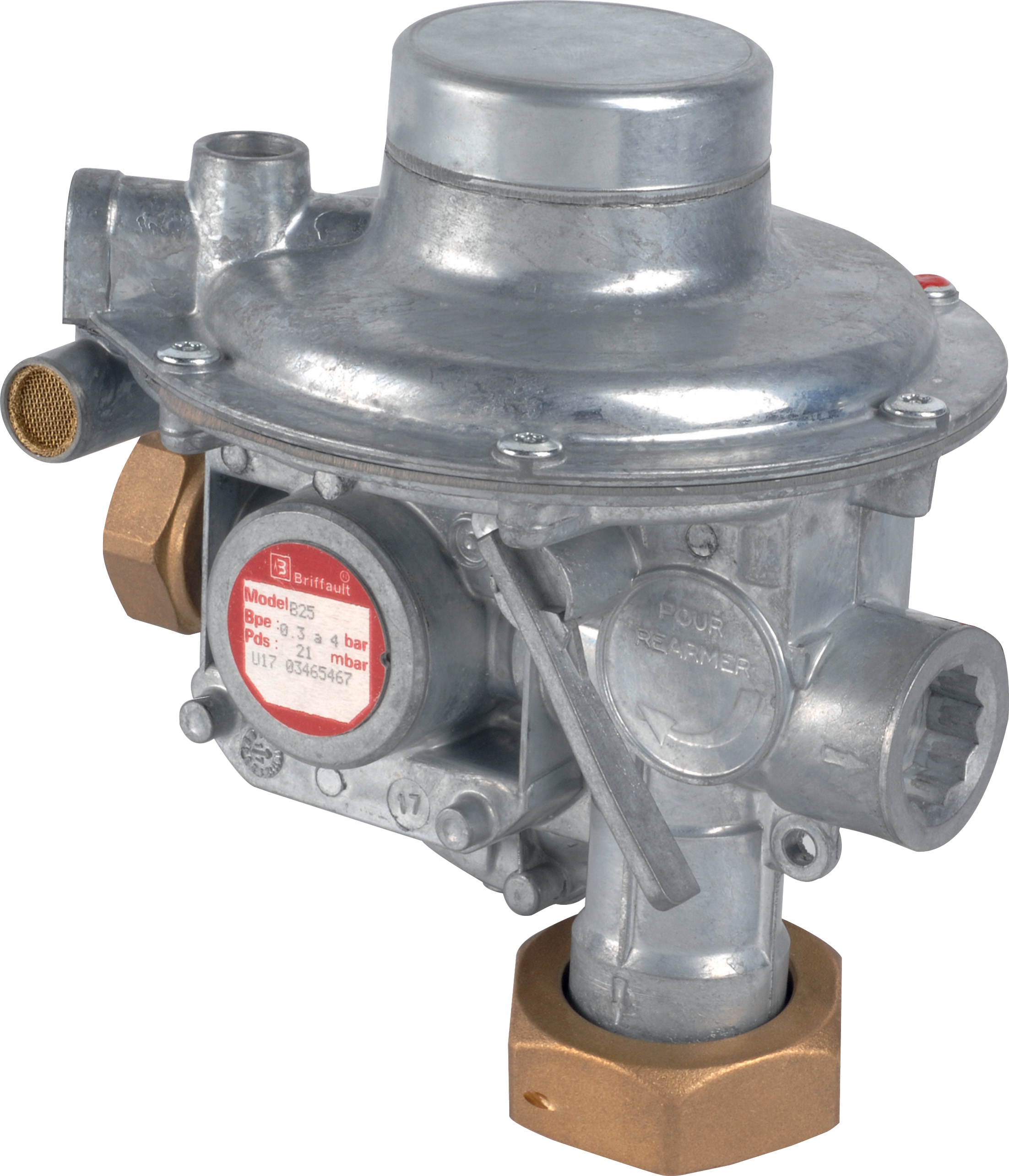
- Pilot pressure verification: For pilot-operated regulators like the Francel B25/37mb, verify pilot pressure matches specifications (typically 37 mbar outlet). Deviations indicate safety relief malfunction.
- Flow capacity assessment: With a flow meter installed in the outlet line, gradually open demand and verify that pressure drop remains within specification. Excessive pressure drop signals restrictive deposits or internal damage.
- Safety relief function test: On regulators with integrated relief (such as the Francel B25/37mb with safety), manually trigger the relief and confirm venting occurs at the specified pressure (typically 10% above normal operating pressure). Document the exact pressure at which venting begins.
Semi-Annual Deep Maintenance
Every six months, perform interventions that prevent catastrophic failure:
- Internal seal inspection: Schedule this task during planned shutdown windows. Many gas valve designs allow cartridge replacement without removing the entire body. Check seal elastomers for hardening, cracking, or surface degradation. Elastomers exposed to sulfur compounds (common in certain gas streams) deteriorate faster than baseline expectations.
- Spring tension verification: Relief valve springs lose tension gradually through use. Use a force gauge to verify compression resistance. Springs requiring more than 10% additional force to compress to specification should be replaced immediately.
- Pilot line cleaning: Sediment accumulation in pilot lines causes erratic pressure regulation. Flush pilot lines with dry nitrogen gas at low pressure (2-3 bar) to dislodge deposits. Never use compressed air, which introduces moisture.
- Thermal imaging survey: Thermal cameras reveal internal friction (hot spots indicate excessive internal rubbing) and external leakage (cold spots from evaporative cooling). This non-invasive technique identifies problems before they become catastrophic.
Diagnostic Procedures for Common Failure Modes
Pressure Creep (Unwanted Pressure Increase)
Symptoms: Outlet pressure gradually increases despite stable inlet conditions.
Root causes: Internal seal leakage allowing inlet gas to escape past the relief mechanism, or pilot pressure line contamination blocking pressure sensing.
Diagnostic steps:
1. Isolate the regulator by closing inlet isolation valve
2. Open outlet slowly—if pressure remains stable for 30+ minutes, pilot system is compromised
3. If pressure bleeds away within minutes, internal seal degradation is the issue
4. For pilot-operated regulators, test pilot line pressure independently using a secondary gauge
Maintenance action: Replace internal cartridge seal kit for minor creep (<5%). For creep exceeding 10%, replace the entire regulator body to avoid cascade failures.
Pressure Instability (Hunting)
Symptoms: Pressure oscillates ±3-5 bar around setpoint, causing downstream equipment malfunction.
Root causes: Relief valve opening pressure too close to normal operating pressure, oversized valve for actual flow demand, or internal erosion of valve seats.
Diagnostic steps:
1. Connect a high-response pressure transducer (1 ms response time) to capture oscillation frequency
2. Record pressure trace over 5-minute period at steady flow demand
3. Calculate oscillation frequency—hunting typically occurs at 2-5 Hz
4. Reduce downstream demand by 25% and observe if hunting persists (indicates oversizing)
Maintenance action: Adjust relief setpoint upward by 2-3 bar to increase margin between normal and relief pressure. If adjustment fails, internal valve seat erosion requires regulator replacement. Consider Elektrogas VMM 20-25 end-of-stroke contact valve for improved pressure stability in pilot applications.
External Leakage at Connection Points
Symptoms: Visible seepage or wet spots around threaded joints or flanges.
Root causes: Vibration-induced loosening, corrosion at connection surfaces, or overpressure stress on compression fittings.
Diagnostic steps:
1. Apply soap solution around suspected leak points—bubbles pinpoint exact leak location
2. Use a wrench to tighten connection while monitoring with soap solution—if bubbles stop, vibration loosening is confirmed
3. If tightening causes pressure gauge spike, the connection is over-torqued and requires investigation
4. For threaded connections, remove connection and inspect for corrosion on threads or sealing surfaces
Maintenance action: For vibration-induced loosening, apply thread-locking compound (Loctite 243 equivalent) and re-torque to specification using a calibrated torque wrench. For corrosion, remove connection and clean threads with stainless steel wire brush, then apply anti-seize compound before reinstallation. For compression fittings, replace ferrule if deformation is visible.
Component Replacement & Lifecycle Management
Expected Service Life Intervals
Based on typical industrial duty cycles in Singapore's climate (high humidity, temperature cycling 18-35°C):
- Internal seals and gaskets: 3-4 years for EPDM, 4-5 years for Nitrile, 5-7 years for Viton (depending on gas composition)
- Springs (pressure relief): 5-7 years before tension loss exceeds 10%
- Valve seat erosion: 2-4 years in high-flow applications, 5-8 years in stable-demand installations
- Pilot cartridges: 4-6 years before regulation drift becomes unacceptable
- Complete regulator body replacement: 8-12 years unless catastrophic damage or incompatible gas stream occurs
Recommended Replacement Components
When maintenance diagnostics indicate component failure:
- For laboratory and stable industrial applications, the Francel B25/37mb pressure regulator with integrated safety relief provides reliable 37 mbar regulation with built-in safety redundancy—common in pharmaceutical facilities and research laboratories across Singapore
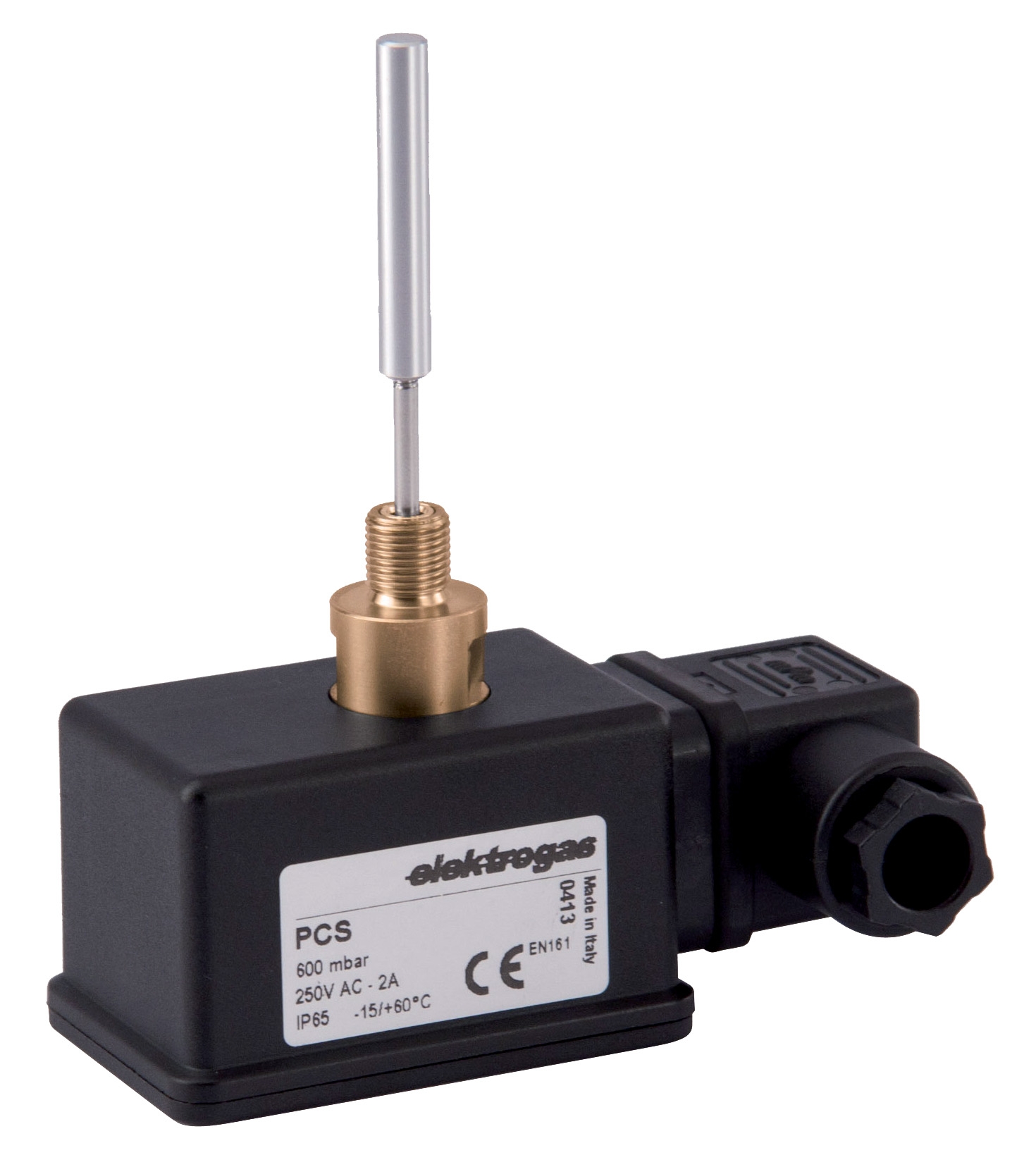
- For pneumatic control systems, the Elektrogas VMM 20-25 end-of-stroke contact valve meets EN 161 standards and integrates smoothly with automated pressure control loops, requiring only standard 3 mm Allen wrench adjustment
- For high-pressure applications requiring extreme reliability, Pratissoli ZT06B1000353 and Pratissoli ZT04A0100202 deliver Italian-engineered durability rated for continuous high-pressure duty
Stock Management Strategy
Maintenance teams should maintain critical spare components in climate-controlled storage:
- Seal kits for primary regulators: 3-month supply, stored in sealed packaging with desiccant
- Pressure relief cartridges: 2-month supply, inspected quarterly for spring tension
- Pilot line filters: 6-month supply, since dirty pilot lines cause 25% of pressure control failures
- Complete regulator body: 1 unit for most critical system—enables rapid replacement while failed unit is repaired off-site
Maintenance Documentation & Trending
Your maintenance data becomes predictive intelligence when systematized properly. Implement a simple spreadsheet tracking:
| Date | Component | Inlet Pressure (bar) | Outlet Pressure (bar) | Variance from Baseline (%) | Observations | Action Taken |
|------|-----------|----------------------|------------------------|----------------------------|--------------|---------------|
| 2025-01-15 | Main Regulator | 4.5 | 2.0 | 0% | Normal | Visual inspection complete |
| 2025-02-15 | Main Regulator | 4.5 | 2.05 | +2.5% | Slight pressure drift | Logged for trending |
| 2025-03-15 | Main Regulator | 4.5 | 2.12 | +6% | Pilot pressure unstable | Flushed pilot lines |
When trending shows three consecutive months of ≥5% variance increase, schedule component replacement proactively rather than waiting for failure.
Maintenance teams using 3G Electric's 35+ years of industrial experience know that systematic prevention costs 70% less than emergency replacement and eliminates cascading failures throughout your facility. The regulator you maintain today determines whether your operation runs smoothly or experiences costly shutdown tomorrow.