Understanding Gas Valve & Regulation Performance Classifications
Gas Valves & Regulation components form the critical backbone of industrial gas distribution systems, yet procurement decisions often focus narrowly on pressure specifications without considering broader performance classifications. Drawing on 35+ years of industrial equipment distribution experience, 3G Electric recognizes that proper valve classification determines system reliability, safety compliance, and total cost of ownership.
Regulators and control valves operate within distinct pressure classifications that fundamentally differ in design, materials, and operational characteristics. The European standard EN 12142 classifies gas pressure regulators into two categories: Type A (first-stage regulators reducing from cylinder pressure, typically 200 bar+) and Type B (second-stage regulators maintaining outlet pressure, typically under 50 bar). Within these categories, regulators further divide by delivery pressure range—high pressure (above 20 bar), medium pressure (2-20 bar), and low pressure (below 2 bar).
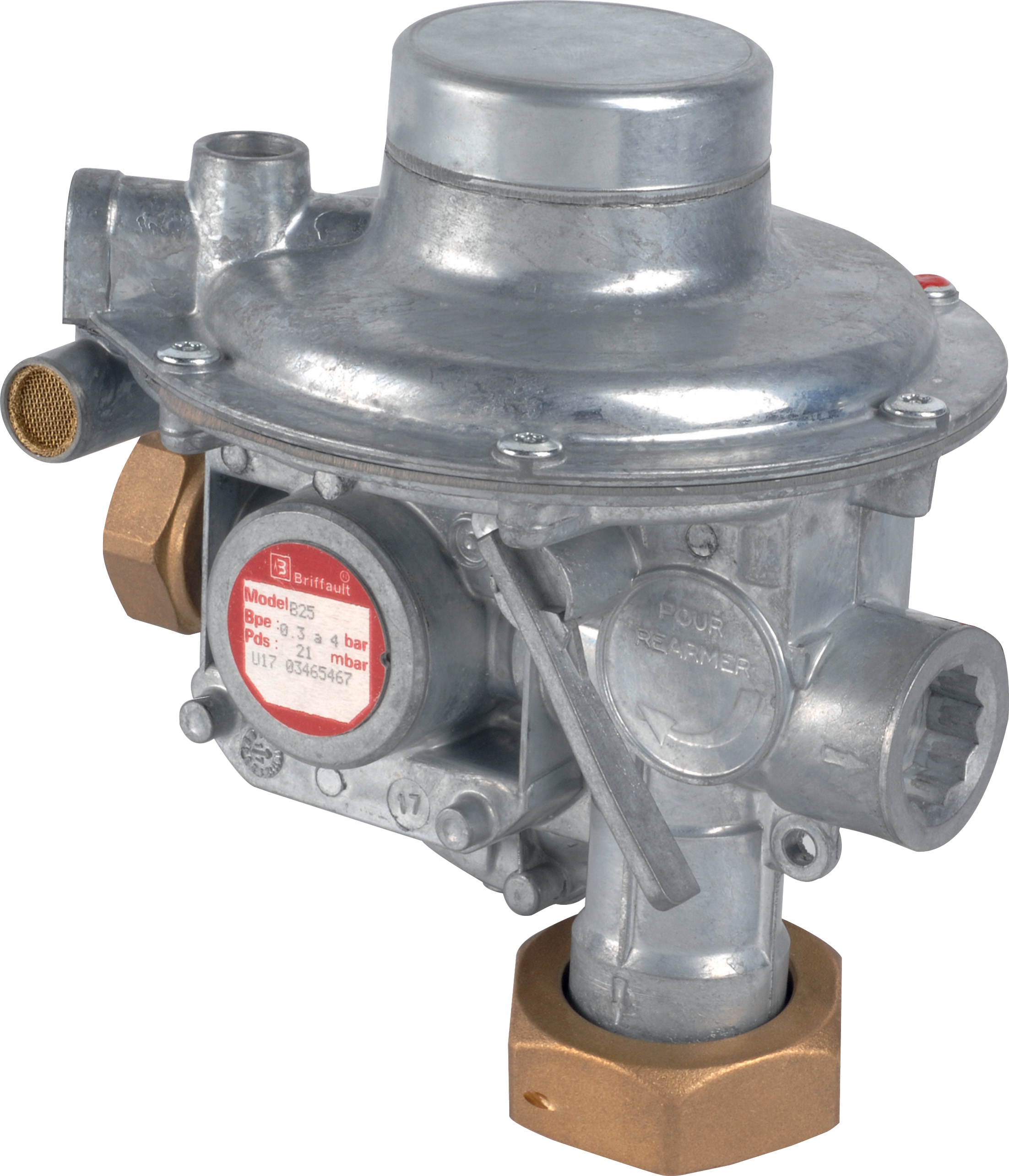
For procurement engineers, this classification system directly impacts vendor selection and specification matching. A regulator specified for laboratory gas distribution at 37 mbar outlet pressure, such as the Francel B25/37mb pressure regulator with integrated safety relief, operates fundamentally differently from a piloting valve in high-pressure cleaning systems. The Francel B25/37mb delivers precise outlet pressure with a 10 mm vent size, making it suitable for controlled distribution rather than main pressure reduction.
Understanding performance classifications prevents costly specification errors. A procurement engineer selecting low-pressure regulators for high-pressure applications risks system failures and safety violations. Conversely, oversizing high-pressure equipment for low-pressure applications increases capital expenditure and reduces response sensitivity. The classification framework provides the foundation for accurate requirement definition before vendor evaluation begins.
Regulatory Standards, Certification Requirements & Regional Compliance Pathways
Global gas valve procurement demands navigation of multiple overlapping regulatory frameworks that vary significantly by geography, application, and pressure range. Procurement engineers must understand which standards apply to their specific application to avoid costly non-compliance, system rejections, or safety incidents.
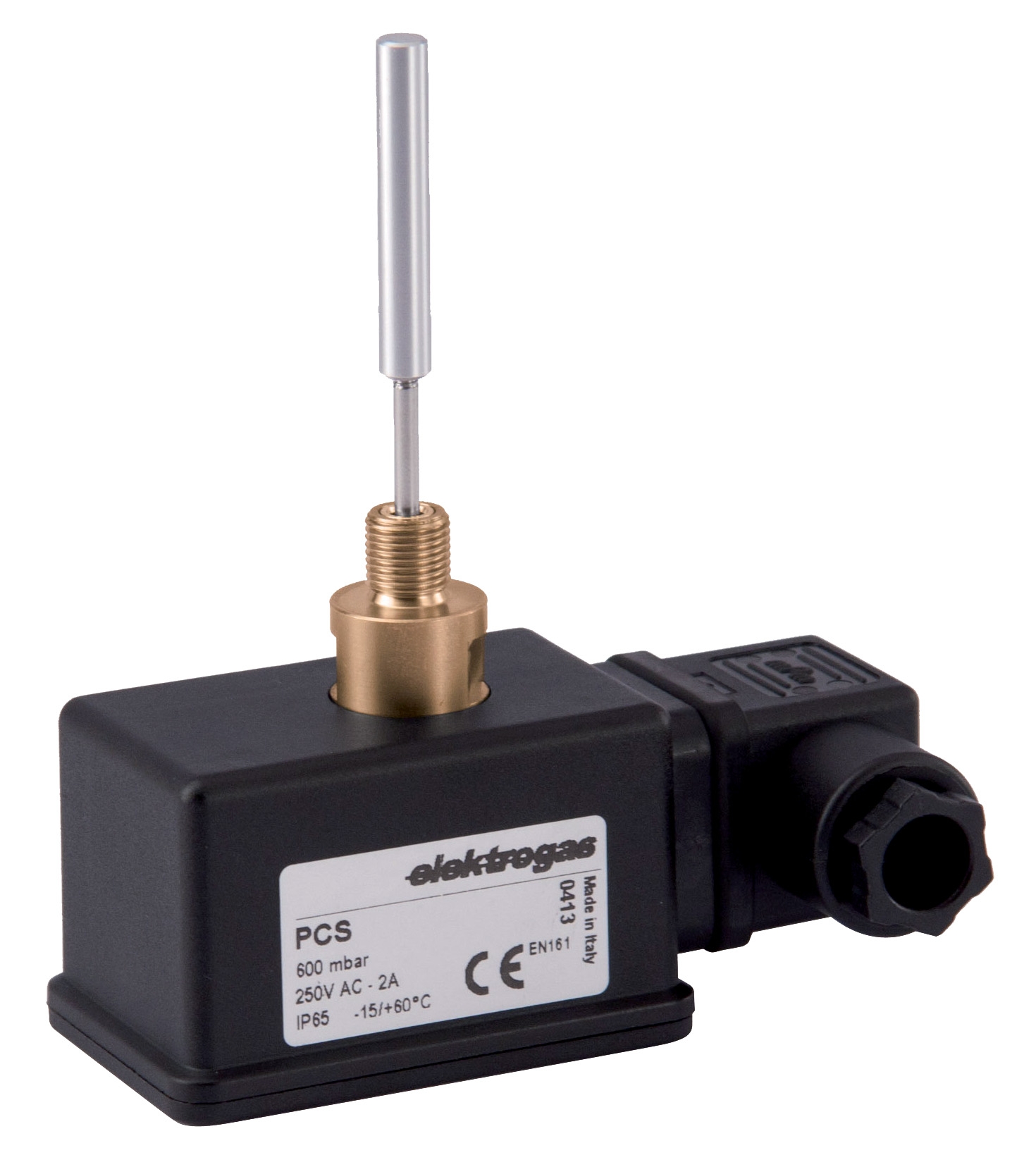
The primary international standards governing gas valves include EN 161 (safety shut-off valves and governors), EN 12142 (gas pressure regulators), EN 12285 (pressure equipment directive compliance), and PED (EU Pressure Equipment Directive). Beyond Europe, applications in North America require compliance with ANSI/CGA standards, while ASME certification applies to higher-pressure vessels and systems. The Elektrogas VMM 20-25 end-of-stroke contact valve exemplifies compliant design, rated for 6 bar pressure and engineered to EN 161 standards for pneumatic and gas control applications.
Regional compliance pathways differ substantially. European Union sourcing requires CE marking under PED, with technical files demonstrating conformity assessment. North American procurement often requires ASME Section VIII certification or CGA (Compressed Gas Association) approval depending on pressure and fluid classifications. Chinese and Indian markets increasingly adopt their own national standards (GB/T standards in China, IS standards in India) while transitioning toward ISO harmonization.
For procurement engineers, compliance verification must occur at the specification stage, not after purchase. Request technical documentation including:
- Conformity assessment certificates and technical files
- Material certifications verifying compatibility with process gases
- Pressure and temperature rating documentation
- Safety relief setting certificates (for safety-integrated regulators)
- Test reports from accredited laboratories
The cost of regulatory non-compliance extends far beyond the component price. System rejections, retrofit requirements, facility shutdowns, and potential liability create financial exposure exceeding 10-20x the original equipment cost. 3G Electric's three-decade distribution experience demonstrates that procurement engineers who invest time in upfront compliance verification consistently achieve faster project execution and superior cost outcomes.
Valve Type Selection Matrix: Application-Specific Performance Requirements
Beyond pressure classification and regulatory compliance, procurement engineers must navigate diverse valve types, each optimized for specific applications, pressure ranges, and control requirements. The valve selection matrix approach systematizes this decision by correlating application characteristics with valve type performance capabilities.
Pressure Reduction & Regulation Valves serve as the foundation for most industrial gas systems. Direct-acting regulators (diaphragm-type) work well for low-flow, low-pressure applications requiring minimal adjustment, while pilot-operated regulators deliver superior performance in high-flow or variable-load scenarios. The Francel B25/37mb regulator represents a direct-acting configuration optimized for stable outlet pressure delivery in laboratory and controlled distribution environments. These regulators excel where consistent pressure maintenance matters more than rapid response to flow fluctuations.
Safety Relief & Shut-off Valves protect systems from overpressure conditions and provide emergency isolation. Solenoid-operated safety valves respond rapidly to electrical signals or pressure transducer inputs, making them ideal for automated systems requiring quick closure. Manual isolation valves and ball valves provide secondary safety barriers and maintenance isolation points. Pilot-operated relief valves handle high flow rates with minimal pilot air consumption, critical in energy-intensive applications.
End-of-Stroke Contact Valves like the Elektrogas VMM 20-25 rated at 6 bar provide pneumatic switching signals when actuators reach preset positions. These compact, low-power-consumption devices integrate into automated control sequences, eliminating the need for separate position sensors and reducing system complexity.
High-Pressure Piloting Valves found in industrial cleaning and high-pressure manufacturing applications operate at 200+ bar, controlling smaller pilot flows to manage main system pressures. The Pratissoli ZT06B1000353 high-pressure sewer cleaning valves and ZT03A0200152 Pilotflex 120 series represent Italian-engineered precision components designed for extreme pressure environments where reliability directly impacts operational continuity and worker safety.
Selection logic flows from application requirements:
1. Define outlet pressure requirement and acceptable variation range (e.g., 37 mbar ±5%)
2. Estimate nominal flow rate under typical operating conditions
3. Identify transient conditions—load steps, startup sequences, emergency shutdowns
4. Determine response time requirements (milliseconds vs. seconds)
5. Evaluate integration needs (standalone regulation vs. system component)
6. Verify regulatory compliance for application type and geography
7. Assess maintenance accessibility and field serviceability
Over-specification frequently occurs when procurement engineers size all regulators for worst-case conditions (maximum pressure and flow) without analyzing actual operating envelopes. A regulator specified for 200% of typical flow consumes unnecessary capital budget and exhibits poor response sensitivity during normal operation. Conversely, undersizing creates performance issues immediately upon deployment. 3G Electric recommends requesting duty cycle data from operations teams—typical flow profiles, pressure fluctuation ranges, and startup/shutdown frequencies—enabling optimal regulator sizing.
Total Cost of Ownership Analysis: Beyond Initial Purchase Price
Procurement engineers frequently encounter pressure to minimize component costs, yet gas valve and regulation systems demonstrate compelling total cost of ownership (TCO) benefits from mid-to-premium specification choices. A comprehensive TCO model extends across 5-10 year asset lifecycles and incorporates five cost categories often overlooked in initial procurement.
Capital Cost represents the obvious component: purchase price, installation labor, and commissioning testing. Premium regulators like the Francel B25/37mb with integrated safety relief cost 15-30% more than basic models, but integration of safety functionality eliminates separate relief valve procurement and reduces system complexity.
Maintenance & Repair Costs accumulate substantially across equipment lifecycles. Direct-acting regulators (typical 37 mbar designs) require annual membrane inspection; pilot-operated designs need pilot filter maintenance every 2,000-5,000 operating hours. Valve leakage, common in low-cost designs, creates product losses—critical in expensive specialty gases where 5% leakage equals 500+ component cycles of loss. Premium designs with metal seats and hardened seals reduce leakage to <0.1% over comparable periods.
Downtime & Production Loss represents the largest unquantified TCO component. A malfunctioning regulator forcing facility shutdown costs far more than preventive replacement. Electronics manufacturers identify gas pressure variation as a root cause in 12-15% of product defects; pharmaceutical facilities cite gas system failures as among the highest-impact maintenance events. When operations report recurring pressure stability issues, TCO analysis typically favors upgrade from direct-acting to pilot-operated regulation.
Regulatory Compliance & Certification Costs vary dramatically by specification choice. Non-compliant equipment discovered during facility audits triggers remediation (retrofit or replacement), re-certification testing, and potential operational restrictions. Over 3G Electric's 35-year distribution history, we observe that procurement engineers who invest 10-15% additional budget in fully certified, compliant equipment consistently avoid 40-60% of post-deployment compliance costs.
Operational Risk & Liability extends beyond direct costs. Gas system failures creating safety incidents carry regulatory penalties, potential facility closure, and liability exposure. Premium-specification regulators from established manufacturers like Francel and Elektrogas, compliant with EN standards, substantially reduce occupational risk and provide documented safety performance supporting liability defense.
A practical TCO model for 1,000 m³/year specialty gas distribution across a 5-year lifecycle might appear as:
- Basic regulator (lowest cost): $500 capital + $2,000 maintenance + $8,000 leakage loss + $1,500 compliance/replacement = $12,000 total
- Premium pilot-operated regulator: $1,500 capital + $600 maintenance + $400 leakage loss + $0 compliance = $2,500 total
While hypothetical, this comparison reflects actual patterns 3G Electric observes across industrial accounts. Premium specification delivers 80% TCO reduction despite 3x higher initial cost.
Procurement engineers conducting TCO analysis should request failure rate data and mean time between failures (MTBF) from vendors, operational cost estimates from maintenance teams, and historical loss data from finance departments. This information converts TCO from theoretical concept to financially defensible procurement criterion.
Implementation Framework: From Specification to Deployment
Translating gas valve and regulation principles into successful procurement requires systematic execution across four phases: requirements definition, vendor evaluation, procurement execution, and commissioning verification.
Requirements Definition Phase establishes the technical and commercial baseline. Procurement engineers must engage operations, safety, and engineering teams to document:
- Specific gases handled and compatibility requirements
- Pressure ranges, flow rates, and transient conditions
- Outlet pressure setpoints and acceptable variation
- Response time requirements and control accuracy
- Maintenance accessibility constraints
- Regulatory compliance obligations
- Budget allocation and timeline requirements
This phase typically requires 2-4 weeks but prevents costly specification errors. 3G Electric recommends developing a standardized questionnaire that operations teams complete, enabling consistent comparison across internal initiatives and vendor proposals.
Vendor Evaluation proceeds through technical compliance review, commercial assessment, and reference verification. Request detailed technical specifications including:
- Pressure and temperature ratings with safety margins
- Flow capacity curves at typical operating pressures
- Response time and stability characteristics
- Maintenance intervals and service requirements
- Spare parts availability and support timelines
Evaluate vendors not merely on component cost but on technical support capability, local presence for urgent repairs, and training availability for operations staff. Over 35 years, 3G Electric has observed that vendors providing superior technical support consistently deliver higher customer satisfaction, even when component pricing exceeded competing options by 5-10%.
Procurement Execution encompasses purchase order preparation, delivery logistics, and receiving inspection. Specify performance testing requirements in purchase orders—many vendors include test certificates documenting pressure settings, flow capacity, and safety relief function. Confirm that delivered equipment includes complete technical documentation, spare parts kits, and calibration certificates.
Commissioning Verification validates that installed systems perform to specification. Proceduralize pressure setting verification, response time testing under actual operating conditions, and safety function validation. Document baseline performance metrics—outlet pressure stability, response to load steps, leakage rates—establishing benchmarks for future maintenance decisions.
This systematic implementation approach, grounded in 3G Electric's 35+ years of industrial equipment distribution, transforms gas valve procurement from a transactional purchasing activity into a strategic asset optimization process.