Understanding Gas Valves & Regulation: Regulator Types and Their Role in HVAC Systems
Gas Valves & Regulation are critical components in any HVAC installation, yet contractors often struggle to select between different regulator architectures. With over 35 years of experience supplying industrial equipment globally, 3G Electric has observed that regulator failure accounts for approximately 40% of gas supply anomalies in field installations. The challenge isn't always component defect—it's often incorrect model selection or misunderstanding how different regulators perform under varying load conditions.
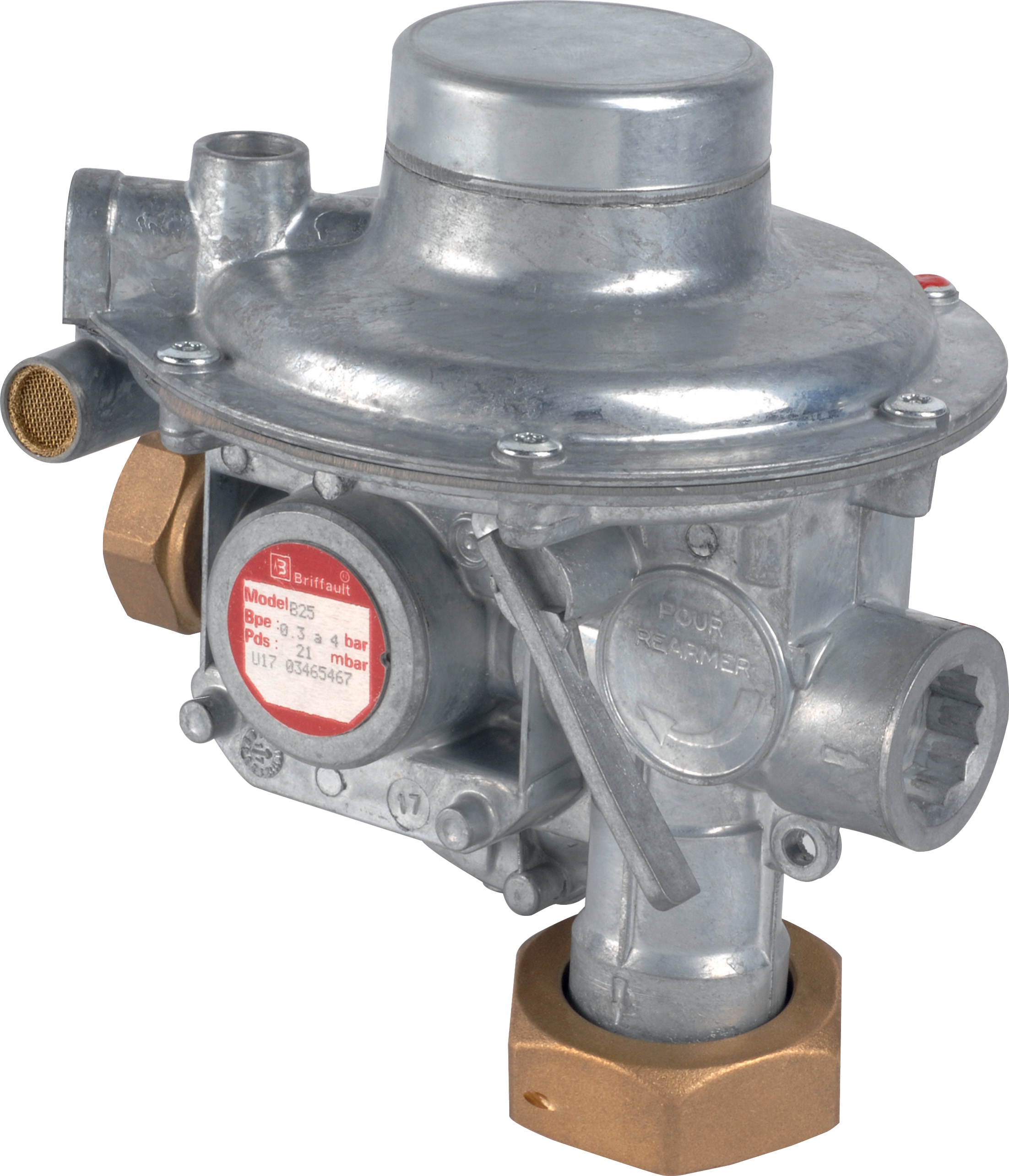
There are three primary regulator categories contractors encounter: direct-acting pressure regulators, pilot-operated regulators, and combined safety-relief units. Each responds differently to pressure fluctuations, temperature changes, and flow variations. A pressure regulator designed for stable laboratory conditions (like the Francel B25/37mb with integrated safety relief) delivers consistent 37 mbar outlet pressure, but behaves differently under the dynamic conditions of a boiler system compared to a standard direct-acting diaphragm model. Understanding these differences prevents costly nuisance calls and system inefficiencies.
The fundamental difference lies in response sensitivity. Direct-acting regulators open and close based on downstream pressure pushing against an internal spring. Pilot-operated models use a small pilot signal to modulate a larger main valve, offering superior pressure stability at higher flow rates. Safety-integrated models add a relief function, venting excess pressure if the main regulator fails. Contractors must match regulator type to system demand patterns—oversizing leads to hunting (cycling on/off), while undersizing causes inadequate pressure maintenance.
Comparative Troubleshooting: Diagnosing Failures Across Regulator Architectures
When a contractor encounters low gas pressure at the burner, the root cause varies significantly based on regulator type. With direct-acting models, suspect the internal diaphragm first—rupture causes complete pressure loss. Inspect the spring seat and adjusting screw for corrosion. If pressure fluctuates (±5 mbar swing), dirt contamination is the likely culprit; check the inlet filter and flush the regulator body.
Pilot-operated regulators require different diagnostics. Low outlet pressure with normal inlet pressure suggests a plugged pilot orifice or pilot vent restriction. Listen carefully: a pilot-operated unit produces a subtle hissing during operation. Silence indicates blockage. Test by gently restricting the pilot vent line; if outlet pressure rises, you've confirmed a vent blockage. The Francel B25/37mb model includes an integrated safety relief with a 10 mm vent size—contractors should verify this vent remains unobstructed and clear of condensation or particulate.
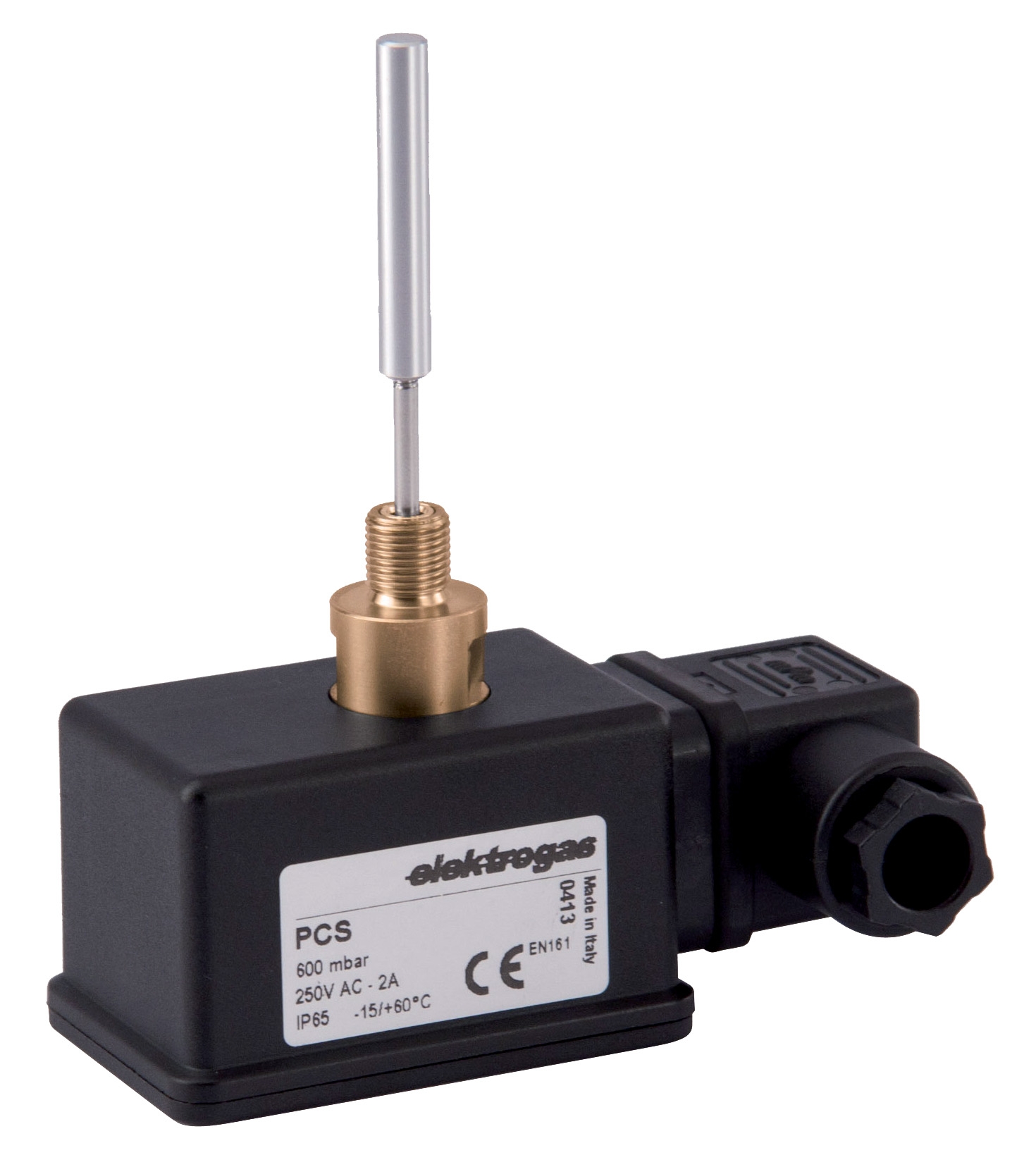
End-of-stroke contact valves like the Elektrogas VMM 20-25 (6 bar rated, EN 161 standard) present unique troubleshooting paths. These devices actuate electrical switches at specific pressure points. If the burner won't ignite, the fault may not be the gas valve itself but rather the pressure switch not activating the ignition sequence. Use a handheld pressure gauge (0–10 bar range) to verify the valve actually reaches its setpoint. The Elektrogas unit requires a 3 mm Allen wrench for adjustment; improper calibration is common in field installations. Test the electrical contact closure independently using a multimeter—many "failed" valves actually have functioning gas passages but defective electrical switches.
Pressure creep is a common complaint across regulator types. After shutdown, outlet pressure gradually rises toward inlet pressure due to internal leakage. This damages downstream equipment and causes pilot light issues. Compare this against system design: some installations tolerate 5–10 mbar creep, while others require <2 mbar. Direct-acting regulators leak more than pilot-operated designs. If creep exceeds specification, the seat is likely damaged; replacement is typically more cost-effective than rebuild, especially for OEM parts. However, low-cost replacement units from reputable distributors (not gray-market sources) often provide equivalent performance at 40–50% cost savings.
Temperature sensitivity varies dramatically between regulator types. A regulator adjusted at 15°C may drift 8–12% by 40°C due to spring modulus changes and fluid viscosity effects. Contractors working in hot climates should verify regulator performance after thermal stabilization—not immediately after installation. Pressure regulators with safety functions (like those with integrated relief) are less temperature-sensitive because the relief independently prevents overpressure regardless of main regulator drift.
Practical Comparison: Selecting the Right Regulator Model for Your HVAC Application
The decision between regulator types hinges on three factors: outlet pressure stability requirement, flow rate range, and space constraints.
For residential furnaces and water heaters, direct-acting regulators are standard. They cost 30–40% less than pilot-operated equivalents, occupy minimal space, and require no pilot pressure source. Adjust outlet pressure to 3.5 inches water column (≈8.7 mbar). If the system exhibits hunting behavior (burner cycling 2–3 times per minute), the regulator's outlet orifice may be oversized. Verify this by checking if the issue resolves when fresh inlet pressure is supplied—sometimes contaminated gas (dust, oil vapor) lodges in the orifice, increasing effective size.
For commercial boilers and larger HVAC units requiring ±2% pressure stability and flow rates exceeding 100 cfm, pilot-operated regulators earn their 50–100% price premium. They maintain steady pressure across wide flow swings, reducing burner inefficiency and extending equipment life. The Francel B25/37mb with integrated safety bridges this gap by offering laboratory-grade stability (±1 mbar) with fail-safe relief built-in, ideal for applications where pressure overshoot could damage downstream solenoids or pilot tubes.
End-of-stroke contact valves serve a narrower role: they're not primary pressure regulators but rather safety/control switches. Contractors misapply these by treating them as pressure regulation devices. The Elektrogas VMM 20-25 is designed to trigger an action (ignition, alarm, shutdown) when pressure reaches 6 bar, not to maintain 6 bar continuously. Confirm your application requires switching function, not modulation, before specifying this model.
For complex installations mixing multiple gas supplies or requiring cascaded pressure stages, pilot-operated regulators offer modularity. The first stage reduces inlet pressure (say, 20 bar to 7 bar), and a second direct-acting unit fine-tunes to 3.5 mbar. This two-stage approach reduces regulator hunting and extends component life by lowering stress on individual seats and springs. However, it introduces additional cost and potential failure points—only use multi-stage regulation when single-stage models can't meet stability requirements.
Maintenance and Preventive Strategies Across Regulator Types
Regulator lifespan directly correlates with inlet gas quality. A regulator designed to operate on clean, dry gas will fail prematurely in installations where inlet moisture or particulates aren't managed. Contractors should mandate upstream filtration (minimum 10 micron) and water removal (desiccant or coalescing cartridge) as standard practice.
For direct-acting regulators, annual inspection of the diaphragm and internal seats is cost-justified. Remove the bonnet (typically 4–6 bolts), visually inspect for erosion or material buildup, and test seat sealing by blocking the vent port momentarily while observing whether outlet pressure holds stable. If creep exceeds 10% of outlet pressure within 30 seconds, the regulator requires rebuild or replacement.
Pilot-operated units demand cleaner maintenance because failure of the tiny pilot passage creates cascade effects. Never exceed recommended cleaning pressures; blow-down procedures should use low-pressure air (3–5 bar maximum) directed through the vent. High-pressure blasts can damage the pilot diaphragm or knock the main valve off its seat temporarily, causing transient overpressure spikes that stress downstream equipment.
For end-of-stroke contact valves like the Elektrogas model, electrical contact maintenance is often overlooked. Corrosion of the switch terminals causes erratic behavior—the valve may open gas flow but fail to signal the ignition circuit. Clean contacts annually using a soft brush and electrical contact cleaner (not WD-40 or general-purpose oil). Test contact closure with a continuity checker; resistance should be <0.1 ohm when contacts are engaged.
Calibration drift is inevitable. Establish a recalibration schedule: every 12–18 months for direct-acting units in commercial service, every 24 months for pilot-operated, and every 12 months for safety-critical end-of-stroke valves. Many contractors neglect this, relying instead on occasional field complaints to trigger adjustment. Proactive recalibration costs 30–50% less than emergency service calls.
With 3G Electric's 35+ years in global equipment distribution, we've seen recurring patterns: regulators fail not because the design is flawed, but because contractors select the wrong type for the application or neglect preventive maintenance. A direct-acting regulator chosen for a high-demand commercial boiler will hunt and wear out faster than a pilot-operated model designed for that duty. Conversely, specifying an over-engineered pilot-operated regulator for a small residential system wastes capital without performance benefit.
The most effective troubleshooting approach compares expected regulator behavior (based on model type) against observed performance. If a direct-acting regulator exhibits pressure hunting, first confirm the application actually allows direct-acting performance; if not, upgrade to pilot-operated architecture rather than repeatedly adjusting springs. This comparative mindset—understanding regulator type strengths and limitations—transforms HVAC contractors from parts-replacers into system optimizers.