Understanding Gas Valves & Regulation in Industrial Systems
Gas valves and regulation equipment form the backbone of safe, reliable industrial operations across Singapore's manufacturing, petrochemical, and energy sectors. Unlike installation or commissioning guides, effective troubleshooting requires a deep understanding of how these components fail and why performance degrades over time.
With over 35 years of experience as a distributor of industrial equipment, 3G Electric has supported thousands of facilities across Asia-Pacific in maintaining optimal gas system performance. Our experience shows that most valve and regulator problems fall into predictable categories—and most can be diagnosed and resolved without complete replacement.
This guide focuses on the diagnostic and correction methods that industrial maintenance teams use daily to keep production moving and safety systems functioning. Whether you're responding to pressure fluctuations, flow restrictions, or safety device failures, the structured approach outlined here will help you identify root causes and implement lasting solutions.
Section 1: Systematic Diagnosis of Pressure Regulation Problems
Pressure regulation failures represent the largest category of gas valve and regulator issues in Singapore industrial facilities. These problems typically manifest as unstable outlet pressure, inability to maintain setpoint, or complete pressure loss.
Identifying Pressure Instability Symptoms
Begin diagnosis by establishing baseline conditions. Document the setpoint pressure, actual outlet pressure readings, load conditions (flow rate), and any recent system changes. Use a calibrated pressure gauge—not the system's integral indicator—to obtain reliable readings.
If outlet pressure fluctuates, first determine whether the problem occurs under constant load or variable flow. Ask your operations team: Does pressure drift during steady production runs, or only when flow changes? This distinction separates regulator drift problems from oversensitive control issues.
Common causes of pressure instability include:
- Contamination in the pilot circuit: Dirt or corrosion products lodging in the pilot valve orifices prevent smooth pressure sensing
- Diaphragm degradation: Cracks, permeation, or material hardening reduce control authority
- Spring fatigue: Loss of spring preload causes gradual pressure setpoint decrease
- Vent restriction: Blocked or partially closed vent ports prevent pressure relief
Start with a simple isolation test. Close the outlet isolation valve (if available) and observe whether pressure holds steady or continues drifting. If pressure drifts downward with the outlet closed, internal leakage is occurring—likely at the main valve seat or in the pilot circuit.
Next, verify inlet pressure stability by checking the supply source. Fluctuating inlet pressure will cause outlet fluctuation even in a perfectly functioning regulator. Compare inlet and outlet pressure trends over a 5-10 minute period to distinguish source problems from regulator failures.
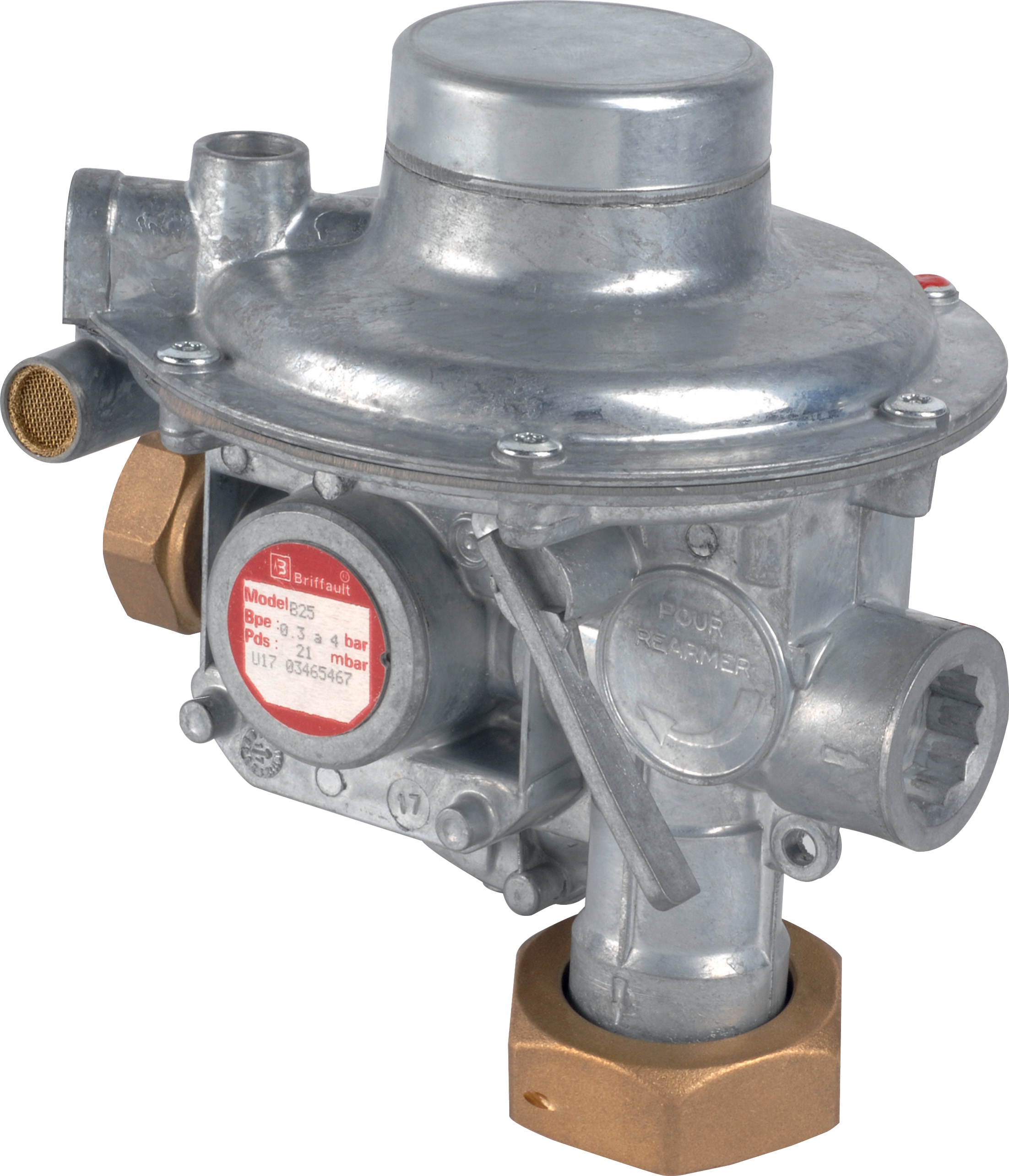
For regulators equipped with adjustable setpoints like the Francel B25/37mb pressure regulator with integrated safety relief, slowly increase the adjustment screw (typically 1/4 turn) and observe response. A properly functioning regulator should increase outlet pressure proportionally. No response indicates either mechanical jamming or internal damage.
If you suspect pilot circuit contamination, carefully open the pilot vent while observing outlet pressure. A momentary pressure change followed by recovery indicates the pilot system can sense and react—contamination is less likely. No response suggests the pilot circuit is blocked.
Corrective Actions
For minor contamination, some facilities successfully flush the pilot circuit by opening small isolation valves (if equipped) and allowing clean gas to flow through for several minutes. However, this approach only works for external contamination—not particles already inside the regulator body.
For diaphragm or spring issues, in-place repair is rarely possible in Singapore industrial settings due to safety implications and complexity. Most facilities opt for regulator replacement using equivalent models from suppliers like 3G Electric, who maintain stock of replacement units to minimize downtime.
Vent port blockages can sometimes be cleared by carefully injecting clean, dry instrument air backward through the vent opening using a pressure test kit. This method works only for external blockages—internal deposits require disassembly by qualified technicians.
Section 2: Addressing Flow Restriction and Control Valve Issues
Gas valve regulation problems often stem not from the regulator itself but from downstream control valves that respond sluggishly or fail to modulate properly. These issues affect both production efficiency and safety system response times.
Detecting Flow Restriction Symptoms
Flow problems typically appear as reduced outlet flow despite adequate inlet pressure, or inability to achieve full flow even with the valve fully opened. Begin by measuring inlet and outlet pressures simultaneously—the pressure differential tells you whether restriction is occurring in the regulator, downstream valve, or connected piping.
A large pressure drop across a regulator during normal flow indicates either:
- Internal valve seat erosion (gas escaping past closed portions)
- Contaminated valve seat preventing tight closure
- Improperly sized regulator for the required flow rate
- Pilot circuit malfunction preventing full valve opening
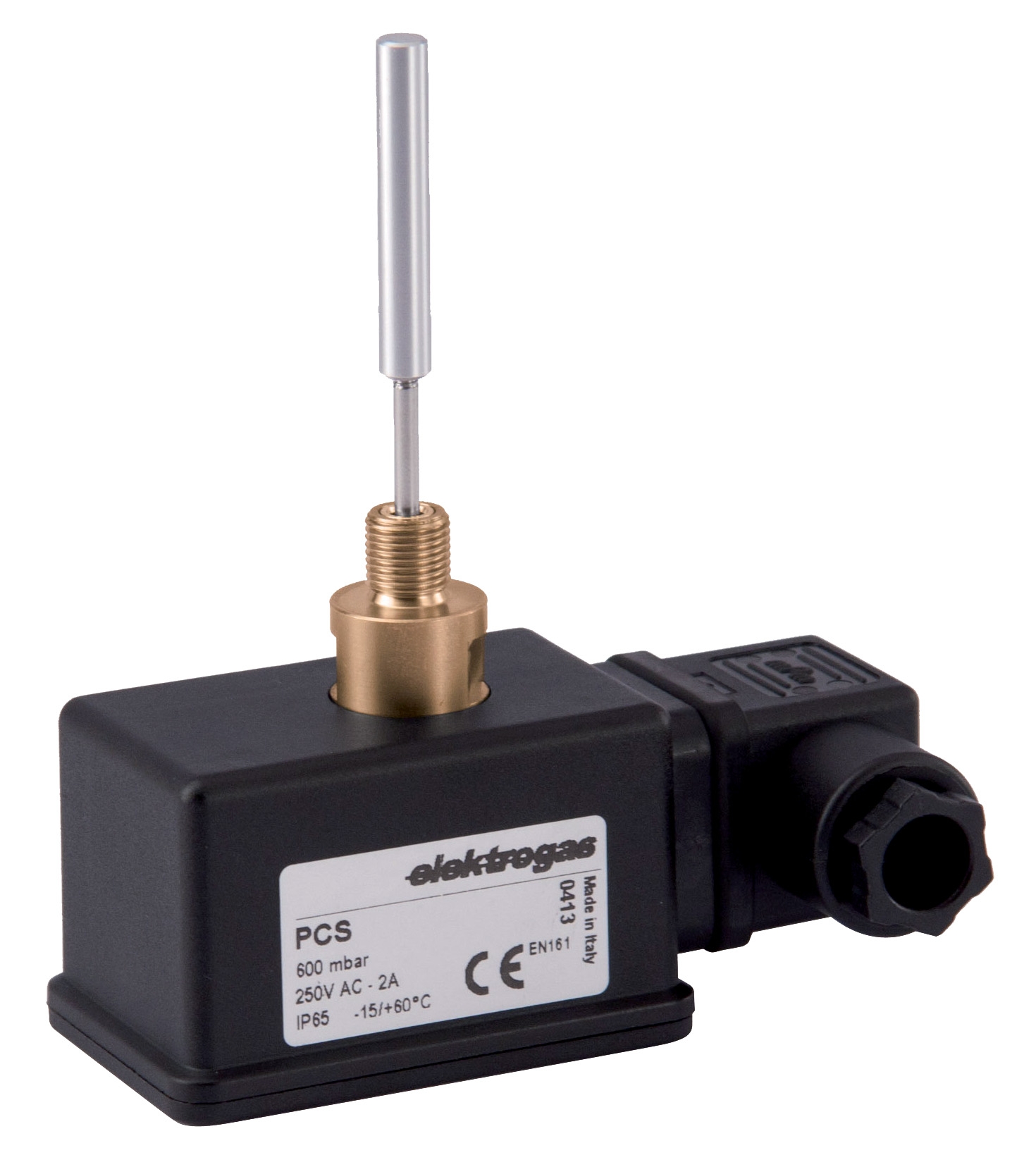
For gas control applications like those using the Elektrogas VMM 20-25 end-of-stroke contact gas valve, flow problems often relate to sticky solenoid operation or mechanical binding in the modulating stem. These valves, designed to EN 161 standard for pneumatic and gas control, occasionally develop stiction if not exercised regularly.
Testing Control Valve Response
With the system depressurized, manually cycle the control valve stem 10-15 times if it has manual actuation capability. This breaks up any internal deposits and restores smooth movement. For solenoid-operated valves, energize and de-energize the coil 5-10 times while listening for distinct clicking—this indicates the solenoid is pulling the plunger smoothly.
Under operating conditions, measure response time by initiating a demand signal and timing how long the valve takes to reach stable flow. In Singapore's humid environment, corrosion inside the valve body can slow solenoid response from typical 100 milliseconds to 300+ milliseconds, affecting burner control quality.
For the Elektrogas VMM valve, verify the adjustment mechanism hasn't loosened by checking the Allen wrench fit in the setpoint screw—a loose fit indicates the screw has partially unscrewed, which occurs when vibration isn't adequately dampened.
Corrective Actions for Flow Issues
Minor flow restrictions in properly functioning regulators can sometimes be improved by cleaning inlet strainers. Most industrial regulators include a strainer upstream of the main valve—removing and flushing this component can restore lost flow capacity.
For sticky solenoid valves, de-energizing the coil for 10-15 minutes followed by multiple actuation cycles sometimes restores performance. If stiction persists, the solenoid coil typically requires replacement rather than the entire valve body.
If manual pressure testing shows the regulator itself is causing excessive pressure drop, the unit is undersized for current flow requirements. This situation frequently occurs in Singapore facilities that have expanded production without upgrading gas infrastructure. Replacement with a larger regulator unit becomes necessary—3G Electric's supplier network can provide same-day delivery of replacement units to minimize production loss.
Section 3: Safety Relief Valve Verification and Maintenance
Safety relief valves integrated into regulators like the Francel B25/37mb provide overpressure protection, but their performance degrades subtly over months of operation. Identifying relief valve problems before they cause safety incidents requires regular functional testing.
Understanding Safety Relief Function
Integrated safety relief valves prevent outlet pressure from exceeding a preset limit—typically 10-20% above the regulator's normal setpoint. These valves must open reliably when overpressure occurs, yet remain sealed during normal operation without leakage.
In Singapore's industrial environment, the challenge is that safety relief valves are set and sealed at the factory—field adjustments are typically prohibited or require certified technician involvement. This means diagnosis must focus on functional verification rather than setpoint adjustment.
Functional Testing Methods
The safest method for testing safety relief valve function is the "blockage test," performed only by qualified personnel:
1. Isolate the regulator outlet from the main system
2. Install a calibrated pressure gauge on the outlet
3. Slowly increase gas flow into the regulator while monitoring outlet pressure
4. The outlet pressure should reach the safety relief setpoint (check manufacturer documentation), then vent excess gas, stabilizing near that setpoint
5. Document the actual relief pressure—compare against the design setpoint
If the outlet pressure exceeds the published relief setpoint by more than 10%, the relief valve is not functioning properly. If pressure rises uncontrollably without relief action, the relief valve is completely stuck closed.
Safety relief valves are not field-repairable in most Singapore industrial facilities due to regulatory requirements. Any malfunction requires replacement of the complete regulator unit or sending the regulator to an authorized service center.
Preventive Maintenance for Reliability
Safety relief valve reliability depends on regular operation. Valves that never vent tend to stick because minerals and corrosion products accumulate inside the valve cavity. Best practice in Singapore facilities involves quarterly "bump testing"—deliberately triggering the relief valve by creating a controlled overpressure condition, then allowing the valve to vent safely to atmosphere.
This procedure keeps the relief seat clean and verifies the valve remains functional. Document each bump test result, including:
- Date and time of test
- Initial outlet pressure
- Pressure at which relief valve opened
- How quickly pressure stabilized after opening
- Any unusual sounds or vibrations
This documentation creates a trend history. Gradual increases in relief opening pressure indicate valve degradation and upcoming failure—typically warranting replacement within 3-6 months.
Section 4: Environmental and Operational Factors Affecting Gas Valve Performance
Singapore's tropical climate, with high humidity and salt-laden air in coastal areas, accelerates corrosion and material degradation in gas valve systems. Understanding these environmental stressors helps prioritize maintenance and predict component lifespan.
Moisture and Corrosion Management
Gas supply systems must deliver dry gas to maintain valve performance. Moisture causes:
- Valve seat corrosion (pitting and erosion)
- Diaphragm material degradation
- Solenoid coil insulation breakdown
- Internal valve jamming from rust formation
Verify your facility's gas drying system is functioning by periodically testing outlet gas moisture using a simple hygrometer or dew-point meter. If moisture levels exceed -20°C dew point, the drying system requires servicing.
For regulators exposed to salt spray (near coastal facilities), apply a thin coating of water-repellent grease to external surfaces and adjustment mechanisms quarterly. This prevents corrosion of setpoint adjustment screws and vent ports.
Vibration and Mechanical Stress
Industrial burner systems, compressors, and gas-fired equipment create vibration that stresses valve components. In particular:
- Spring-loaded components like those in the Elektrogas VMM 20-25 valve fatigue under constant vibration
- Threaded connections loosen gradually if not secured with thread-locking compound
- Diaphragm flexing accelerates under high-frequency vibration
Implement a quarterly vibration inspection. While vibration analysis equipment is ideal, visual inspection also reveals problems: listen for loose fasteners rattling, watch for minor external flexing of the regulator body under load, and observe whether setpoint screws require re-tightening.
Mountain-mounted regulators should be checked annually for mounting bolt tightness using the appropriate wrench size—the Elektrogas VMM 20-25 typically requires a 3 mm Allen wrench for adjustment and may use similar-sized fasteners for body mounting.
Operational Load Variations
Regulators specified for steady operating conditions struggle when subject to rapidly changing flows. If your facility recently installed variable-speed burners, modulating process controls, or demand-responsive systems, existing regulators may no longer be adequate.
Identify this problem by documenting pressure stability across the full range of operating flows. If pressure swings exceed ±5% when flow varies, the regulator lacks sufficient control authority. Replacement with a regulator featuring superior response characteristics becomes necessary.
3G Electric stocks regulators from multiple manufacturers designed specifically for variable-load applications in Singapore industrial plants. Discuss actual flow variation (not just maximum flow) with your distributor to ensure the replacement regulator can maintain stable control across your facility's operating range.
Implementing Systematic Troubleshooting Practices
Successful gas valve troubleshooting requires moving beyond reactive response to systematic diagnosis. Develop a facility-specific troubleshooting flowchart based on your most common problems, document baseline performance data for each regulator and control valve, and establish quarterly verification testing to catch degradation before it affects production.
When replacement becomes necessary, 3G Electric's 35+ years of experience as a distributor means we maintain stock of the most commonly needed units and can often provide same-day delivery to Singapore industrial facilities. Whether you need a Francel B25/37mb pressure regulator, high-pressure control components, or specialized end-of-stroke contact valves like the Elektrogas VMM 20-25, having a trusted distributor relationship accelerates your response to system failures.
The systematic approach outlined in this guide—baseline measurement, component isolation, functional testing, and documented results—turns troubleshooting from guesswork into predictable, repeatable procedures that your maintenance team can execute with confidence.