Understanding Gas Valve and Regulation Specification Fundamentals
Gas Valves & Regulation systems are critical infrastructure components that control pressure, flow, and safety across industrial operations. As a procurement engineer, your specification decisions directly impact system reliability, operational costs, and compliance posture.
With over 35 years of experience distributing industrial equipment globally, 3G Electric has helped thousands of procurement teams navigate the complex landscape of gas valve selection and regulation system design. The fundamental challenge isn't simply choosing a valve—it's building a complete specification framework that aligns with your facility's pressure requirements, flow capacities, safety protocols, and maintenance capabilities.
The first step in effective procurement is understanding the three core functional layers of any gas regulation system:
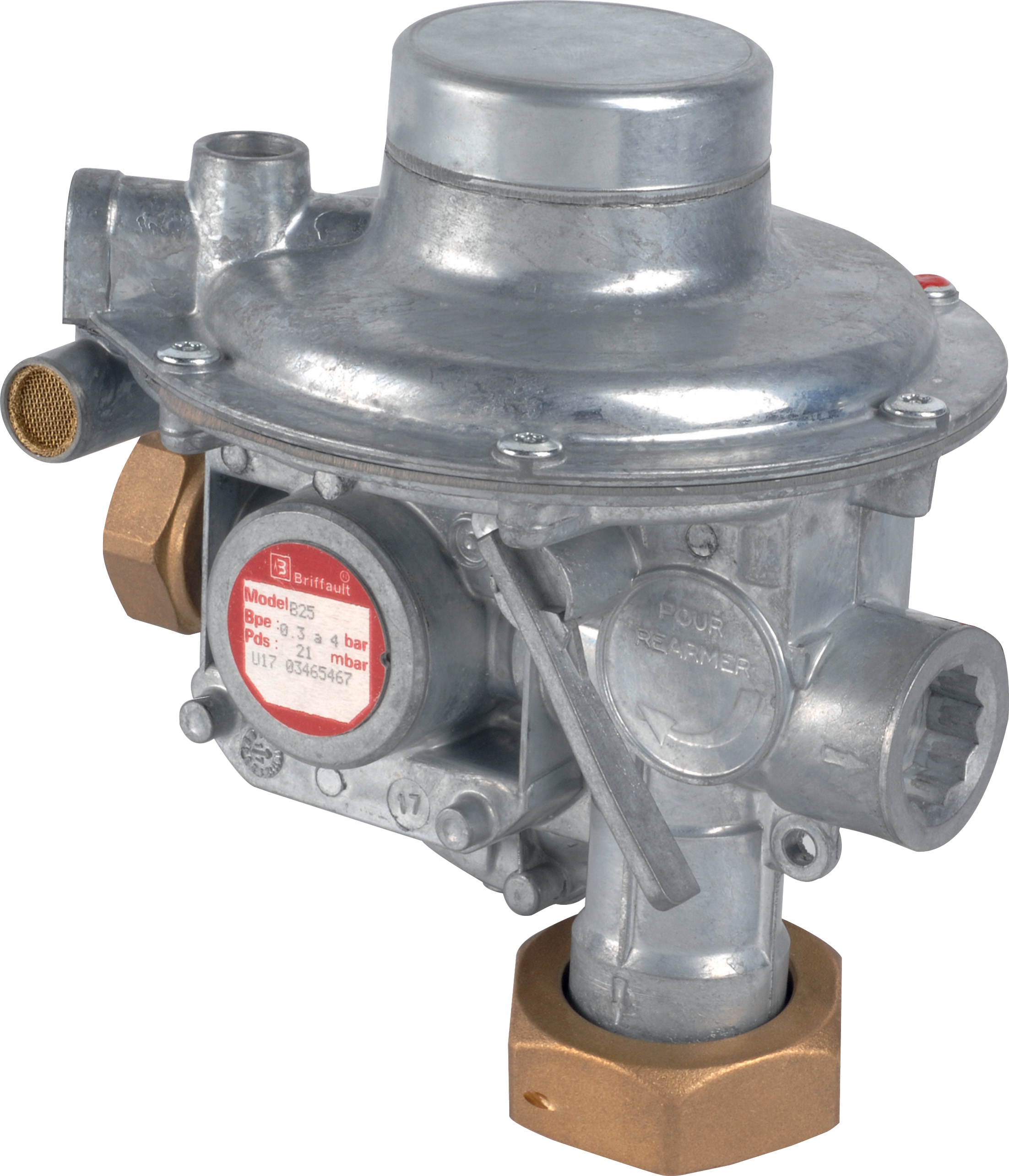
Pressure Regulation Layer: This manages inlet gas pressure and delivers a stable outlet pressure for downstream processes. The Francel Pressure regulator Francel B25/37mb with safety is designed for laboratory and industrial gas distribution systems, delivering consistent 37 mbar outlet pressure with integrated safety relief and a 10 mm vent size.
Flow Control Layer: When system demand varies, flow control valves maintain performance parameters. The Pratissoli R1/400 regulating valve controls pressure in high-performance pump systems rated to 400 bar with 110 L/min flow capacity, making it suitable for complex industrial applications requiring precise pressure maintenance.
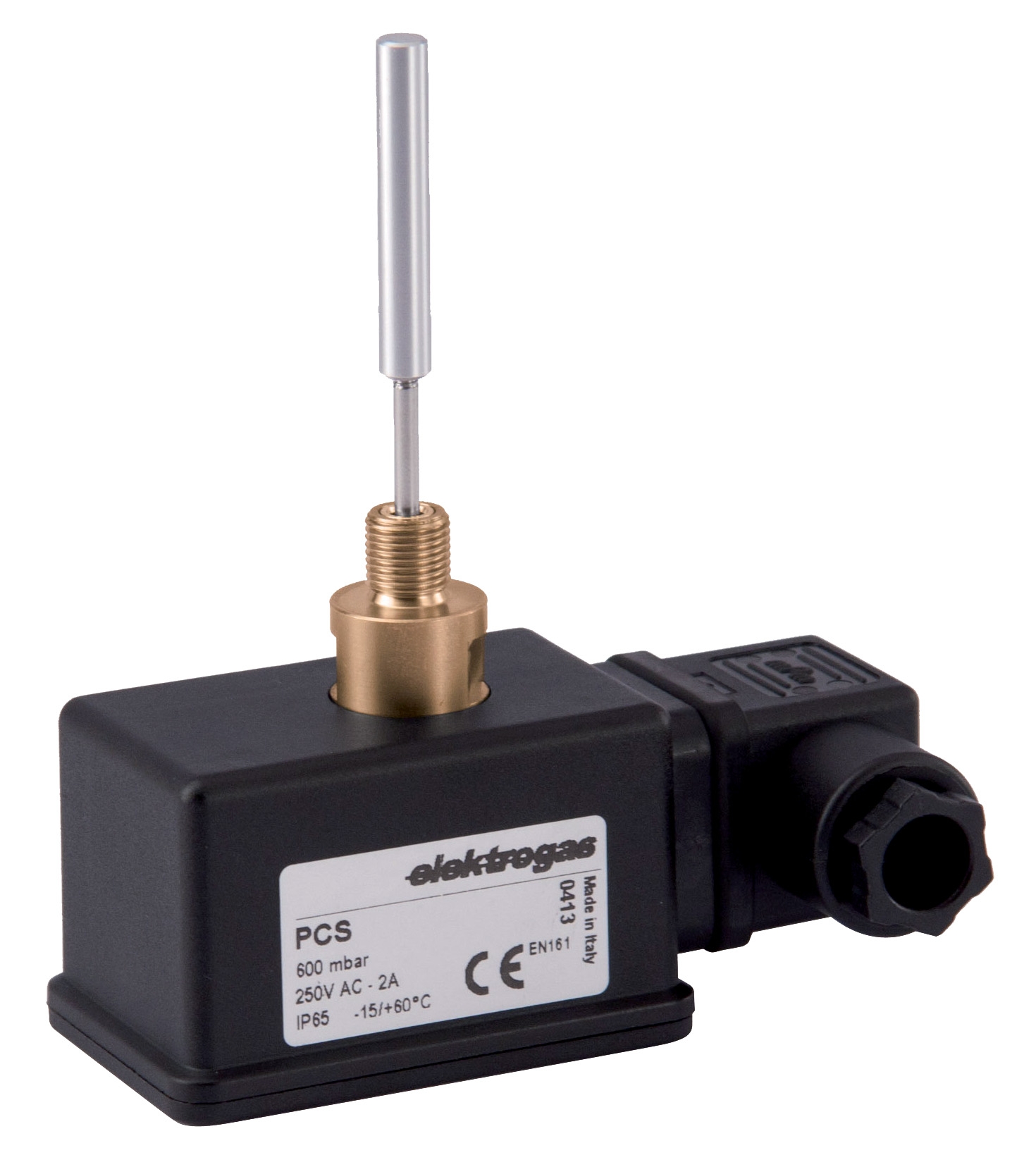
Safety Interface Layer: End-of-stroke contacts and solenoid controls ensure automatic shutoff under abnormal conditions. The Elektrogas End of stroke contact 6 Bar valve VMM 20-25 rated to EN 161 standards provides reliable pneumatic and gas control in emergency situations.
Your specification process must address all three layers systematically. Many procurement failures occur because engineers optimize one layer while neglecting integration with the others. A pressure regulator that's perfectly specified will perform poorly if paired with inadequate flow control or missing safety interfaces.
Developing a Comprehensive Specification Strategy
Effective procurement begins with a detailed specification matrix that captures your operational requirements in measurable, vendor-independent terms. This document becomes your negotiation baseline and quality acceptance criteria.
Step 1: Define Pressure and Flow Requirements
Start with your process documentation. What inlet pressures will your system receive? What outlet pressure must the regulator deliver? This isn't theoretical—review actual operational data from similar facilities or pilot tests.
For example, if you're specifying a regulator for industrial gas distribution serving multiple laboratory stations, you need to know:
- Maximum inlet pressure (often 10 bar or higher for industrial systems)
- Required outlet pressure (the Francel B25/37mb delivers 37 mbar, suitable for delicate laboratory applications)
- Combined flow demand across all downstream connections
- Pressure stability tolerance (±5% is standard; ±2% requires premium components)
Document these requirements in writing before approaching vendors. This prevents scope creep and ensures apples-to-apples comparisons.
Step 2: Map Safety Compliance Obligations
Different regions and industries mandate specific valve standards. European facilities typically require compliance with EN 161 (gas safety devices), EN 13849 (safety control systems), and PED (Pressure Equipment Directive). The Elektrogas VMM 20-25 is designed to EN 161 standard, making it directly applicable for European procurement.
Create a compliance matrix:
- Required standards by region (EN, ASME, CSA, AS/NZS)
- Certification documentation your team needs from vendors
- Third-party inspection requirements
- Documentation storage and audit trail requirements
Include this matrix in your RFQ (Request for Quote). Vendors who can't immediately confirm compliance are poor risks for long-term supply relationships.
Step 3: Assess Maintenance and Spare Parts Availability
Procurement doesn't end at installation. You're committing your maintenance team to a 15-25 year relationship with whatever components you specify. When a regulator requires adjustment during annual inspection, can your team access the right tools? The Elektrogas VMM 20-25 requires only a 3 mm Allen wrench for adjustment—this is critical information for maintenance planning.
Request from your distributor:
- Spare parts availability and lead times
- Recommended replacement intervals
- Training documentation for your maintenance team
- Compatibility with your existing test and calibration equipment
This information protects you from specifying components that become obsolete or unsupportable within five years.
Step 4: Evaluate Total Cost of Ownership
Procurement engineers often face pressure to minimize upfront capital costs. Resist this—instead, calculate total cost of ownership (TCO) across the component's expected lifespan.
TCO includes:
- Equipment acquisition cost
- Installation and commissioning labor (typically 2-4 days per system)
- Annual maintenance and calibration (typically $500-$2,000 per regulator per year)
- Pressure loss inefficiency costs (each regulator stage creates pressure drop; calculate downstream energy costs)
- Unplanned downtime costs (if a regulator fails unexpectedly, what does process stoppage cost?)
- Spare parts inventory costs
A regulator costing 30% more upfront but requiring 50% less annual maintenance often delivers superior TCO. Build a simple spreadsheet model showing this analysis—it strengthens procurement decisions and supports budget justification to finance teams.
Integration and System Design Considerations
Once you've specified individual components, you must design how they integrate into your complete gas regulation system. This is where many procurement initiatives fail—components that are individually excellent perform poorly when integrated.
Pressure Stage Design
Industrial facilities rarely use single-stage regulation. A typical system architecture includes:
- Primary regulator (reduces from inlet pressure to intermediate pressure)
- Secondary regulator (delivers final operational pressure)
- Optional tertiary stage (provides ultra-precision control for critical processes)
Each stage creates a pressure drop. Your specification must account for cumulative losses. If your system requires 200 mbar outlet pressure with three regulation stages, you need to size each stage knowing the minimum inlet pressure to the final stage must exceed 200 mbar by at least the regulator's minimum operating margin (typically 0.5 bar).
The Francel B25/37mb works effectively as a secondary or tertiary stage due to its low outlet pressure (37 mbar), which is ideal for laboratory applications where you need gentle pressure delivery. For high-pressure industrial systems like those controlled by the Pratissoli R1/400 regulating valve (rated to 400 bar), you'd use different primary stage components.
Flow Balancing
When you have multiple parallel consumption points (several burners, multiple test stations, distributed pumps), unequal flow distribution creates operational problems. Without proper specification, high-pressure points starve low-pressure branches.
Address this in your specification by:
- Specifying pressure-reducing valves sized for peak simultaneous flow
- Calculating equivalent length of all downstream piping (different routes = different pressures)
- Specifying individual branch regulators if pressure variations exceed your tolerance
- Including flow measurement points in your design to verify actual performance after installation
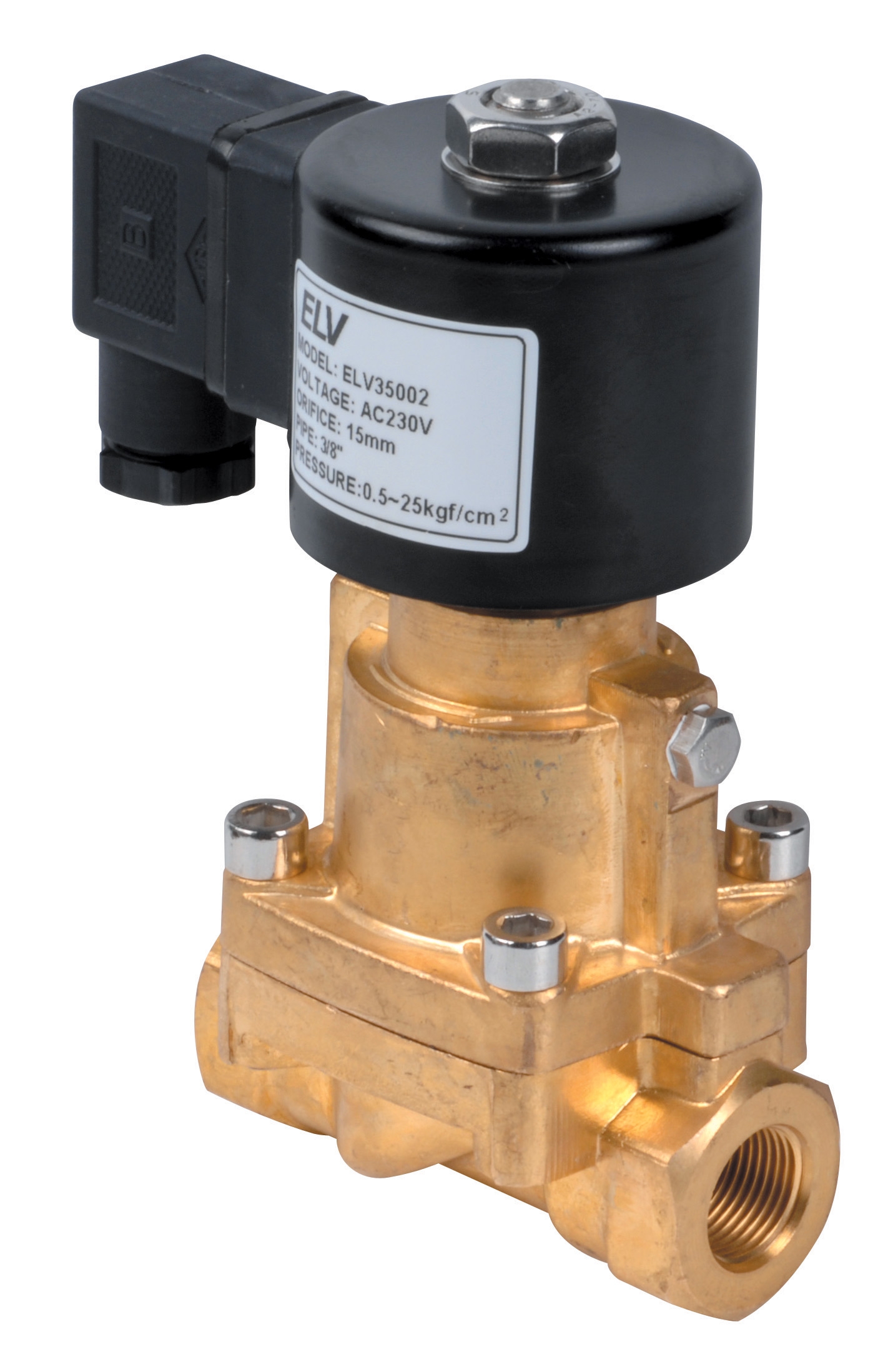
Your gas valve specification must integrate with your broader safety architecture. The ELV Steam solenoid valve DN 1/2 operating at 0.5–10 bar with 25 bar maximum differential pressure is designed for steam applications; it would be inappropriate for high-pressure dry gas service, but perfectly specified for steam heating systems.
Your safety specification should address:
- Automatic shutoff triggers (high pressure, low pressure, manual emergency stop)
- Solenoid valve power requirements (AC vs. DC, voltage, control signal logic)
- Proof-test requirements (how frequently must you verify the system shuts down on command?)
- Redundancy and diversity (if safety-critical, do you need dual solenoids with separate control logic?)
Work with your facility's safety and risk management teams before finalizing specifications. Their input prevents costly rework after components are installed.
Hose and Fitting Specification
Your regulation system is only as reliable as its interconnecting hoses and fittings. The Pratissoli ZT06B1000353 high-pressure sewer cleaning hoses represent the quality standard you should target—Italian-engineered by Interpump Group with complete fittings integration.
When specifying hoses and fittings:
- Ensure pressure ratings exceed the maximum system pressure by at least 4:1 safety factor
- Match hose material to gas type (some gases require specific elastomer compatibility)
- Specify whip-check cables for high-pressure applications (prevents catastrophic failure if a fitting fails)
- Include routing specifications in your piping design (minimum bend radii, support intervals, vibration isolation)
- Specify connection types (JIC, NPT, metric ISO) consistently throughout the system
Inconsistent fitting types across a system force fitters to use adapters, creating additional potential failure points.
Procurement Execution and Vendor Management
Your specification framework is only valuable if executed effectively with reliable vendors who understand industrial standards.
Creating Your RFQ (Request for Quote)
A comprehensive RFQ includes:
- Your specification matrix (pressure, flow, materials, standards)
- Quantity and delivery timeline requirements
- Required documentation (datasheets, compliance certificates, test reports)
- Warranty and post-sale support expectations
- Reference customer list (ask for three similar installations the vendor has supplied in your region)
3G Electric, with 35+ years as a global industrial equipment distributor, understands that vendors evaluating your request should immediately recognize a professionally developed specification. This increases likelihood they'll respond seriously and provide accurate pricing.
Evaluating Vendor Responses
Don't select based on lowest price. Evaluate using a weighted scoring matrix:
- Product specification match (40% weight): Does the proposed component meet your requirements exactly?
- Compliance documentation (20% weight): Can they provide required certifications and test data?
- Support and availability (20% weight): What training and spare parts support do they offer?
- Price (20% weight): What's the total cost of ownership compared to alternatives?
This balanced approach protects you from selecting vendors who offer attractive pricing but can't provide post-sale support.
References and Due Diligence
Always contact vendor references. Ask specifically:
- How quickly do they respond to technical questions?
- Have there been any failures or quality issues with this component?
- What's their spare parts lead time in reality (not what the catalog says)?
- Would you specify this component again for a similar application?
These conversations often reveal critical information that never appears in datasheets or marketing material.
Contract Negotiation
Your procurement contract should specify:
- Exact model and revision numbers (vendors sometimes substitute newer versions without notification)
- Required documentation and certification
- Warranty period and what's covered (materials vs. labor vs. field service)
- Minimum stock commitment (ensure spare parts remain available)
- Price escalation limits (protect yourself from surprise cost increases)
- Right to inspect products before acceptance
- Clear payment terms (often 30 or 60 days Net for equipment distribution)
These contract details might seem bureaucratic, but they've prevented countless disputes between procurement teams and vendors.
Summary and Next Steps
Effective gas valve and regulation procurement requires structured specification development, thorough integration planning, and vendor evaluation discipline. By developing a comprehensive specification matrix, understanding your system architecture, and partnering with experienced distributors like 3G Electric, you ensure reliable performance across your facility's operational lifespan.
Your next action: Audit your current gas regulation systems. Which components are reaching end-of-life? What maintenance challenges are your technicians reporting? Use this information to develop a refresh plan, starting with your highest-risk systems. This proactive approach lets you procure replacements on your timeline rather than during emergency failures.
When you're ready to develop specifications for your facility's gas valve and regulation systems, 3G Electric's technical team is ready to support your procurement process with product selection assistance and application guidance based on three decades of industrial equipment distribution experience.